


Essential nutrients against stress
What are the physiological manifestations of stress? Before we look at the stress-reducing foods to add to our plates to limit this phenomenon, a few physiological reminders.
What is stress?
Stress is a defense mechanism of the body. It allows the body to respond to external threats and to prepare to defend itself, to flee, or to react to an out-of-the-ordinary situation.
Nowadays, stress is caused by intensive and repeated demands: daily life, work life, social relationships…

The mechanisms of stress involve hormonal interactions. In the face of a stressful situation, the sympathetic nervous system causes the release of adrenaline into the blood.
This hormone, synthesized by the adrenal glands, will in turn trigger the release of norepinephrine (by the central nervous system).
These two hormones are responsible for the increased state of alertness observed in cases of stress. The heart rate increases, the muscles become tenser, the breathing speeds up… The manifestations of stress vary between individuals.
The release of these two hormones has several consequences: the loss of magnesium from cells – magnesium is an anti-stress element, and the release of cortisol, the stress hormone.
When the situation considered threatening disappears, the body returns to its normal state.
Read also | Buyer’s guide to the best natural anti-stress products
If stress episodes persist, it progresses to chronic stress. There is an alarm phase, followed by a resistance phase (during which stress symptoms persist), and then an exhaustion phase (where stress-related complications appear).
It’s best to avoid this kind of condition by favoring an anti-stress diet.
Count on magnesium to fight stress
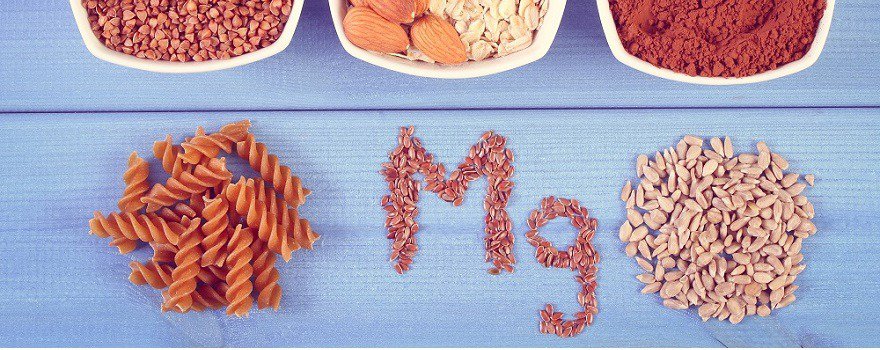
When stress occurs, magnesium is excreted in large amounts in the urine. This element is therefore essential for regulating this condition.
Read also | What you need to know about buying magnesium
Indeed, it is known for its anti-fatigue effects. It also improves the transmission of nerve impulses and lowers blood cortisol levels.
Tryptophan, a stress-fighting ally

Tryptophan is an amino acid whose intake is provided by the diet. The body does not store it. This element is a precursor to serotonin, the feel-good hormone. Found in milk proteins, it is also known for its sleep benefits.
Omega-3s, fatty acids against anxiety
Indeed, omega-3s offer many benefits. Good for the brain, effective for falling asleep, they also help fight stress on a daily basis.
Read also | How to choose the best omega-3s
They have an inhibitory effect on cortisol secretion and stimulate serotonin secretion. They limit the effects of stress and promote well-being.
The power of vitamins to fight stress
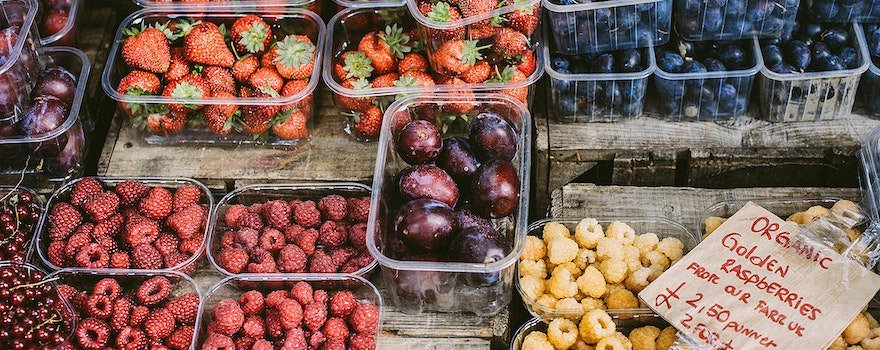
B-group vitamins, especially vitamins B6, B9 and B12, have an anti-stress effect and help fight depression. Vitamin C has a stimulating effect, reduces fatigue and lowers blood pressure. Positive effects against stress.
Rely on trace elements daily
Some trace elements are good for the brain and help reduce stress. Iron, zinc and copper support healthy brain function.
The soothing properties of plants
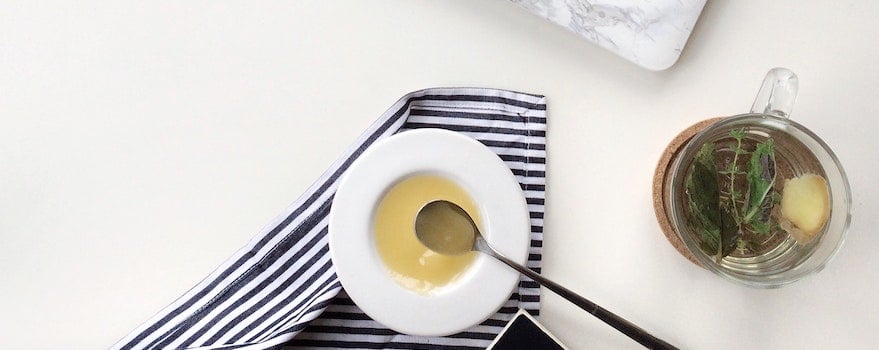
Some plants contain compounds with soothing, relaxing and anxiolytic properties. Drinking herbal teas containing the active principles of these plants therefore helps reduce the effects of stress.
15 stress-relieving foods to add to your menu
Eliminating stress is therefore possible by adding certain foods to the menu! You will notice the benefits of this anti-stress diet yourself after a few days or a few weeks.
Dark chocolate
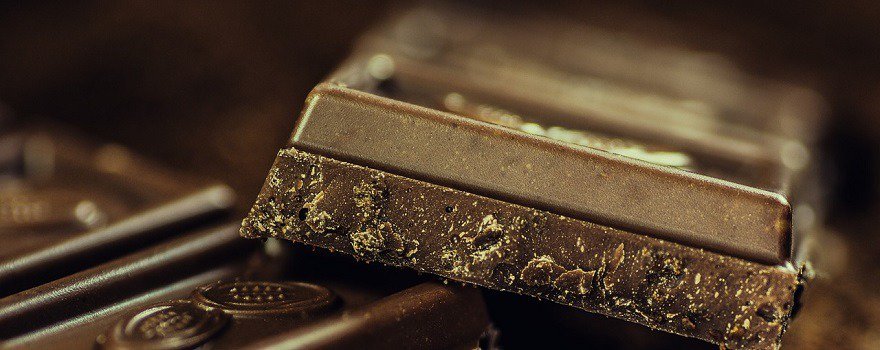
Chocolate is often referred to as ‘the ultimate anti-stress food’. Rich in magnesium, its consumption triggers the secretion of serotonin and endorphins, which promotes an individual’s well-being.
It’s preferable to consume dark chocolate (75% cocoa), or even better, raw cacao! One to two squares per day are enough.
Banana
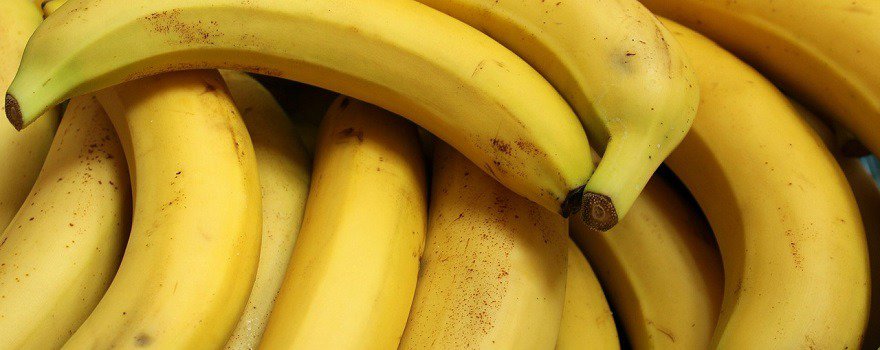
This fruit is very rich in magnesium, but also in tryptophan, the precursor of serotonin, which also promotes sleep. Its effects against stress are therefore undeniable.
Consume it plain, without added sugars, at breakfast or as a dessert. It’s best to choose organic products to better benefit from the nutrients and avoid substances harmful to health.
Fatty fish
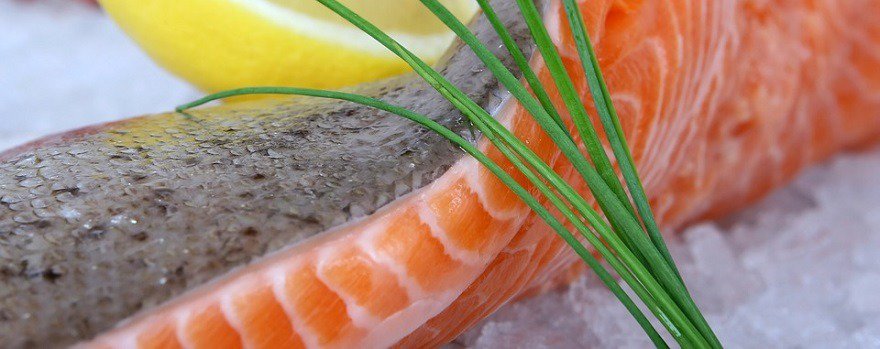
Omega-3s, known for their anti-stress effects, are found in fatty fish such as salmon, mackerel, and sardines. Eating fish at least twice a week is recommended. So it’s best to choose fish that are sources of omega-3s.
To favor a healthy diet, steaming, baking, or grilling are recommended. Eating this fish with a serving of grains, potatoes, pasta, or rice and a serving of vegetables with a light dessert makes an excellent meal.
Avocado
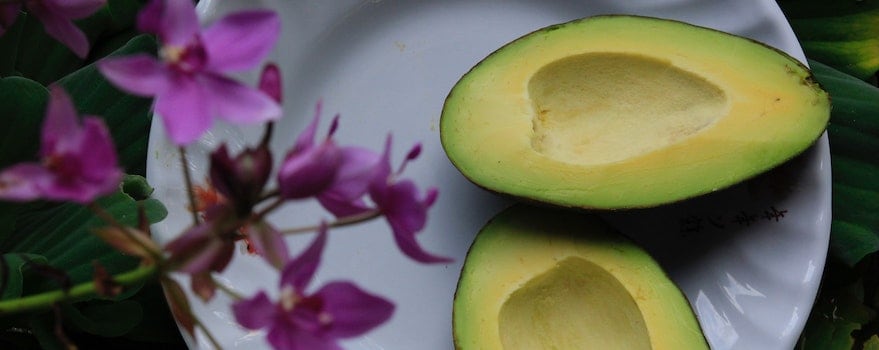
Avocado contains B vitamins, monounsaturated fatty acids, and magnesium. An effective combination to include in your anti-stress diet.
Perfect for making salads, avocado can also be used in an avocado toast or a light sandwich with chicken breast and tomatoes, for a meal on the go.
Citrus fruits
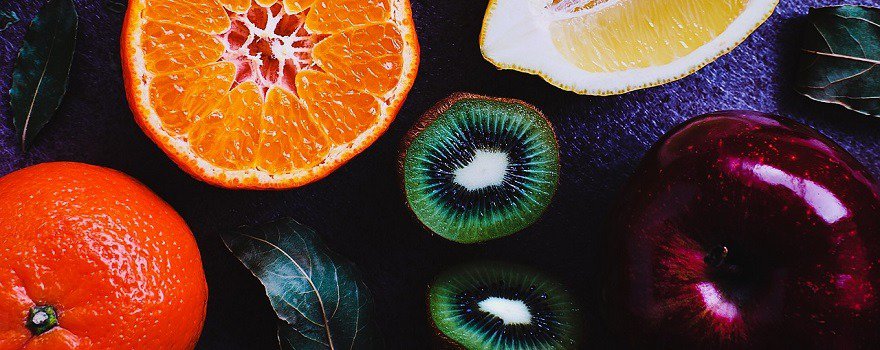
To load up on vitamin C, you should eat citrus fruits: oranges, lemons, grapefruits… but not only them! Kiwis are also very rich in vitamin C (and in vitamin B9), which has a stimulating effect on the immune system.
It also has antioxidant effects, which help limit the production of stress-related free radicals.
Fruits are ideal foods for making desserts. Eating citrus fruits and kiwis in a fruit salad can enhance the beneficial effects against stress.
Green vegetables
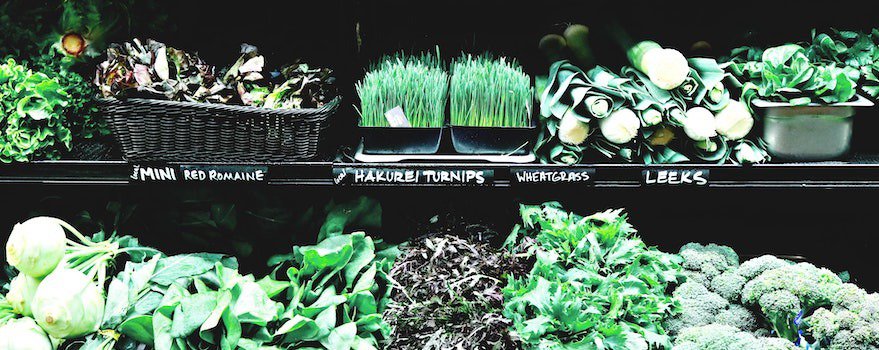
Watercress, parsley, and spinach contain vitamin B9 and magnesium: a duo of anti-stress elements. So don’t hesitate to add them to the menu.
Low in calories, these green vegetables can be eaten cooked, prepared in dishes, or as a purée in the case of spinach. Watercress is used in salads.
Honey, the bees’ treasure
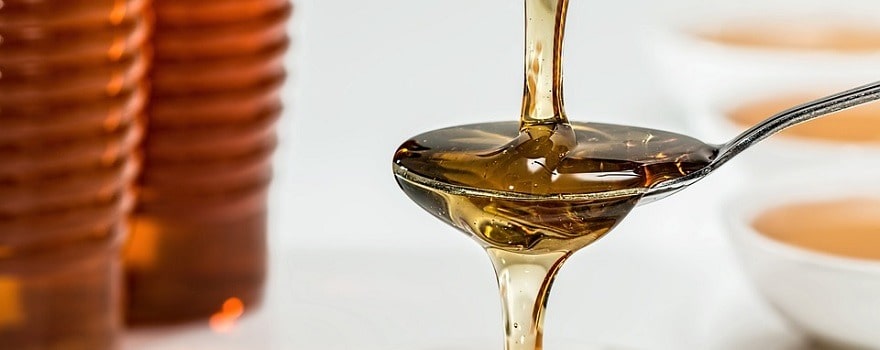
Honey is a food renowned for its many virtues. Rich in antioxidants and vitamins B and C, its antiseptic and antibiotic effects are well known. Eating honey triggers the release of endorphins, hormones that promote well-being.
To limit refined sugar intake, it is preferable to sweeten tea or hot beverages with honey.
Dairy products
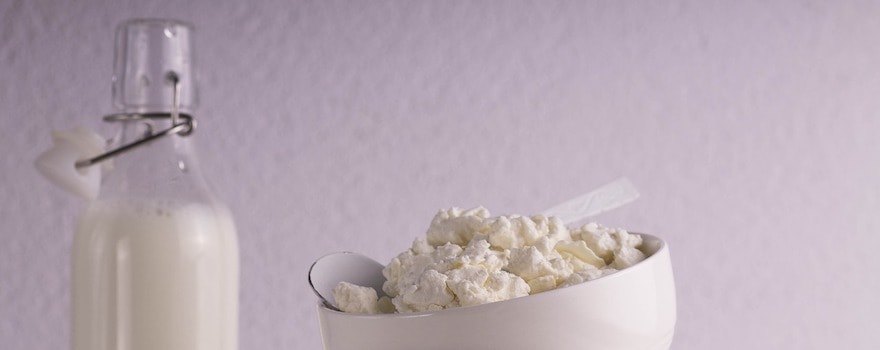
Yogurts, milk, and cheeses contain calcium and, as we mentioned above, tryptophan (in milk proteins).
Yogurts make excellent desserts. As for milk, it is preferable to opt for semi-skimmed or skim milk, which are lighter than whole milk, preferably organic.
Foods containing whole grains
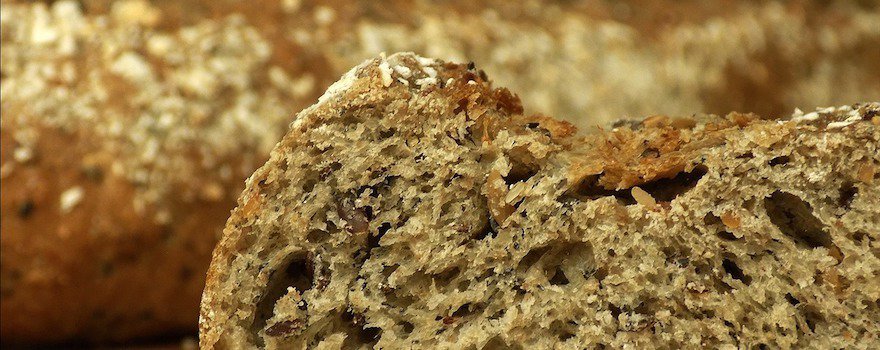
Whole wheat bread, rusks, and whole wheat pasta are also anti-stress foods. They contain magnesium and tryptophan, elements whose positive effects you now know!
Valuable for their low glycemic index, these foods help ensure a gradual energy release throughout the day or during the night. Whole wheat bread and rusks are ideal for breakfast. A serving of whole wheat pasta, accompanied by a serving of vegetables, makes an ideal meal base for lunch or dinner.
Oats
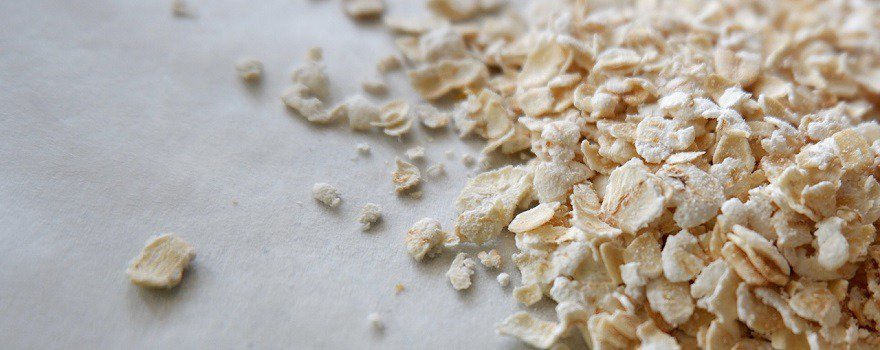
Rolled oats contain magnesium, vitamins B and E, potassium, and calcium. These elements have a beneficial effect against stress. Their high fiber content promotes intestinal transit and good digestion.
Best consumed at breakfast, in a bowl of cow’s milk or plant-based milk, or as a snack around 4 PM.
Nuts
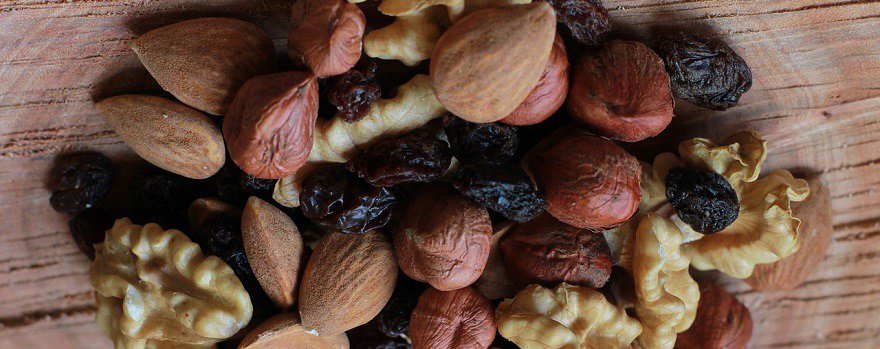
Almonds, hazelnuts, walnuts and pistachios are rich in magnesium, B vitamins and vitamin E. Nuts are anti-stress foods par excellence! Vitamin E helps to fight oxidative stress caused by the accumulation of free radicals in the body and limits their production.
For snack breaks, eating one to two handfuls of walnuts, hazelnuts, almonds or pistachios lets you enjoy a nutritious and satisfying snack.
Eggs
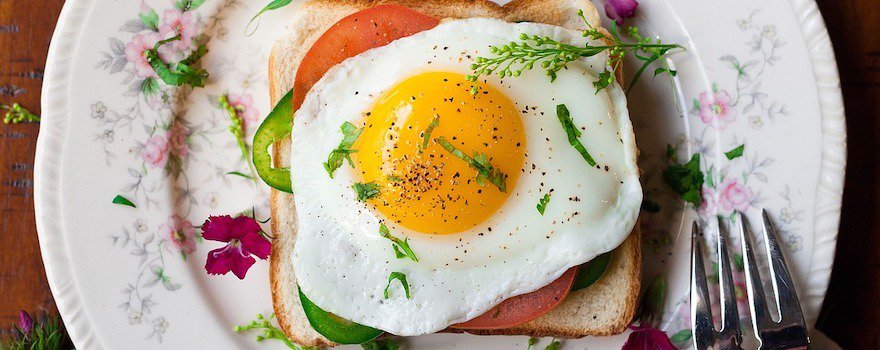
Good for the brain and muscles thanks to their protein content, eggs also contain B vitamins, whose stress-reducing effects have been demonstrated.
Eating an egg for breakfast, accompanied by a dairy product, a fruit or a fruit juice, makes for a good start to the day. An omelette, accompanied by a salad and a low-sugar dessert, is the ideal anti-stress menu for dinner.
Black tea and herbal teas
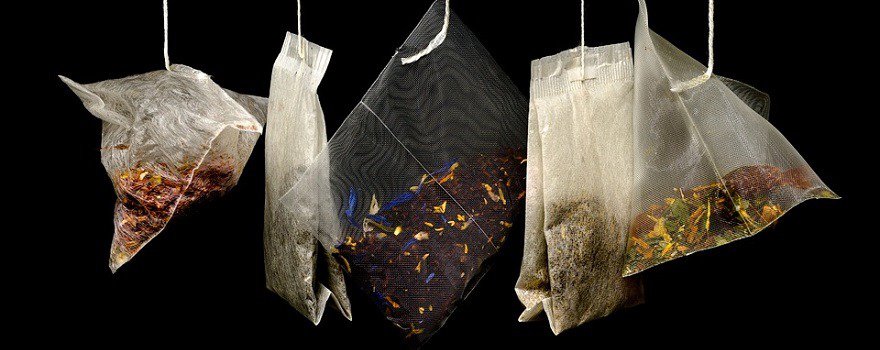
Tea has soothing properties. Consuming two to three cups of black tea each day may affect blood cortisol levels. Within a few weeks, these levels tend to decrease, impacting stress symptoms.
Some plants such as hawthorn, passionflower, valerian, chamomile, linden have relaxing and soothing effects. They are the basic ingredients of calming herbal teas. Consume during the day, around 4 p.m., to enjoy their benefits, or in the evening before bedtime.
Algae
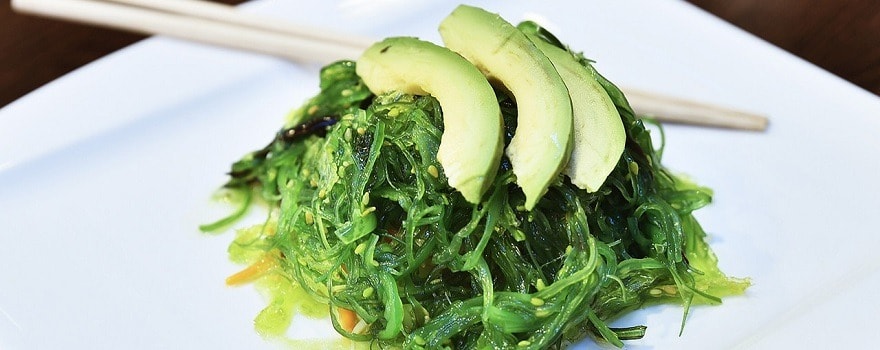
Available commercially in powder or flakes form, they can be incorporated into our salads and homemade soups. Fresh seaweed can be kept in the fridge for several days.
Favor wakame, kombu, nori seaweed...
They make an ideal ingredient for homemade cakes or prepared dishes. Just cook them with imagination.
Vegetable oils
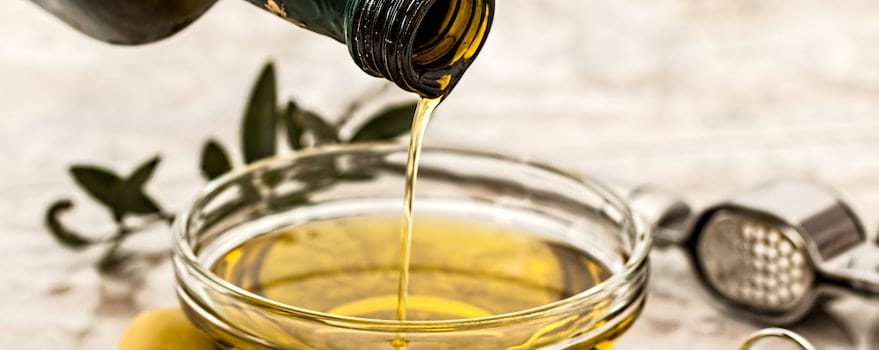
Canola, walnut or flaxseed oils contain omega-3s. These fatty acids, as explained, are effective against stress. Indeed, they act on cortisol and serotonin levels, respectively the hormones of stress and well-being.
Consumed in moderation, vegetable oils are the ideal ingredient for dressing our salads.
And drink plenty of water!

To limit the effects of stress, it is therefore important to favor fruits and vegetables. Staying well hydrated is also an important part of an anti-stress diet, favoring the magnesium-rich waters.
Drinking 1.5 L to 2 L of water per day is essential. Avoid overly fatty and sugary foods, stimulants (alcohol, coffee), engage in regular physical activity, and prioritize good nights’ sleep — these are guidelines to follow to effectively fight against stress every day.
