

What is bean-to-bar chocolate?
The importance of changing the cocoa market
In response to growing demand, the global cocoa market has gradually changed. From Africa to South America, the cultivation of cocoa beans has become the monopoly of large international firms. Today, almost the entire market is owned by just 10 companies! Over time, small producers have seen their work change, their incomes fall, and become dependent on the highly volatile cocoa market.
En plus de prendre le monopole, les entreprises multinationales posent aussi des problèmes éthiques et environnementaux : déforestation, monocultures intensives, destruction de la biodiversité, utilisation de pesticides, exploitation des cultivateurs, travail des enfants et esclavage… Difficile d’imaginer, lorsqu’on croque dans une tablette de chocolat, qu’il se cache autant d’enjeux complexes sous la culture du cacao.
Monopolization has also led to a standardization of cacao varieties. Like coffee beans, cocoa beans come in a wide range of varieties : Forastero, Trinitario, Criollo, Amelonado… Today, Forastero is the most widely cultivated variety and alone accounts for 90% of global production.
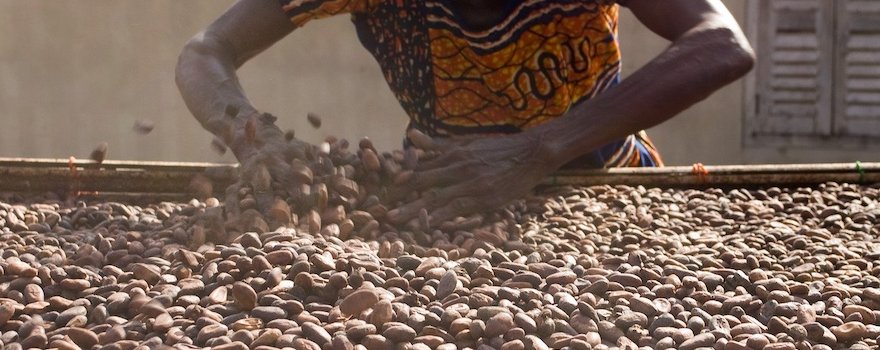
For greater yields, industrial producers have also developed hybrid cacao varieties. The CCN-51, for example, is preferred to local varieties because it produces up to 4 times more, although its beans are acidic and bitter. Today, native cacao, adapted to local conditions, accounts for only 1% of total cacao production.
The loss of certain heirloom varieties in favor of modern cultivars also leads to a standardization of chocolate flavor . No aroma, no color nuance, nor any particular texture comes through in industrial chocolate bars.
Bean-to-bar chocolate emerged in the 2000s
As you can see: it is high time to change the cacao market! A desire shared by producers and manufacturers as much as by chocolate lovers. Since the 2000s, a movement has been gaining worldwide momentum: bean-to-bar chocolate.
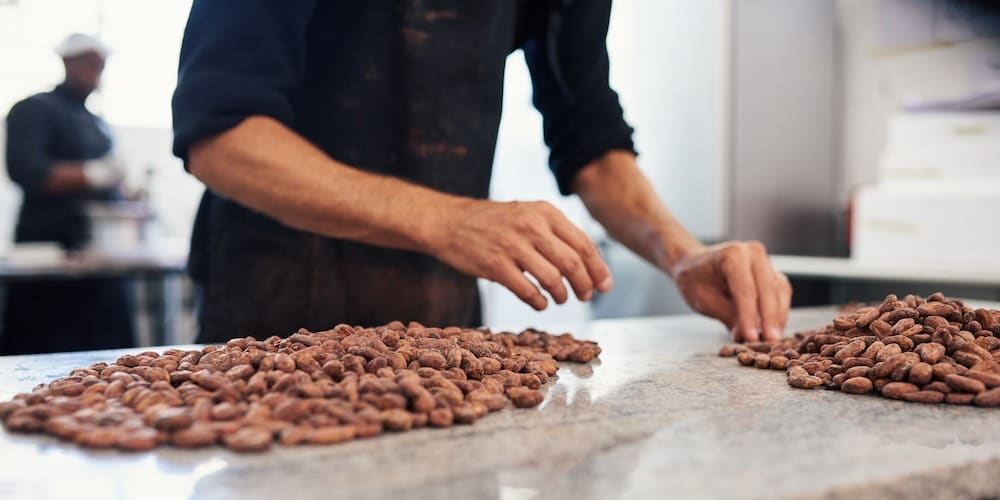
Originating in the United States, in San Francisco, bean-to-bar (literally “from bean to bar”) refers to chocolatiers who make their own chocolate and who carry out the different production steps themselves, from cocoa beans to the finished chocolate.
Also read From bean to bar: raw chocolate in Brooklyn
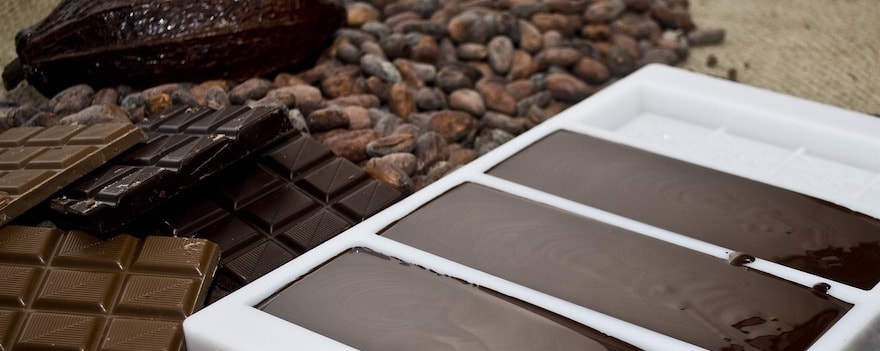
Where chocolatiers usually work with ready-made chocolate pastes, also called couverture chocolate, bean-to-bar chocolatiers process the beans themselves that they receive directly from local producers. They sort them, shell them, roast them, grind them on millstones, mix them with cocoa butter… They thus master the entire manufacturing process, all carried out with passion and patience… It’s a far cry from industrial chocolate production !
The players in bean-to-bar
The bean-to-bar movement brings together many players in the cocoa sector. Generally speaking, we distinguish local bean-to-bar chocolatiers and urban bean-to-bar chocolatiers, or “neo bean-to-bar”.
The local bean-to-bar refer to chocolate makers located close to production areas. Thus, they are mostly found in West Africa, Asia, and South America. Most work with local producers and some even own their own cocoa plantations.
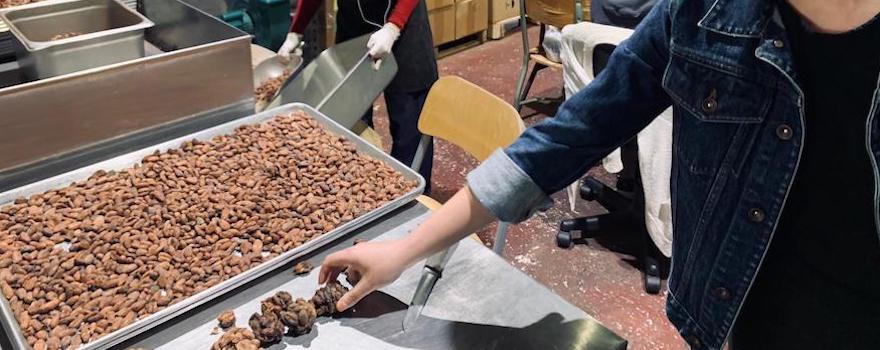
The urban bean-to-bar, meanwhile, are located outside production areas, particularly in North America and Europe. These chocolate enthusiasts, like Fine and Raw, carefully select the best cocoa beans and impart their own flavor identity to the finished chocolate.
Why choose bean-to-bar chocolate?
Bean-to-bar chocolate and industrial chocolate are so different that they cannot be compared. There are a thousand and one reasons to prefer a bean-to-bar chocolate ! Here are a few.
Unrivaled flavors
With bean-to-bar chocolate, there is no longer uniformity of taste. This chocolate offers a wide range of subtle and varied flavors. Thus, depending on the cacao varieties used, some bean-to-bar chocolates are rather tangy while others are woody or fruity. The same goes for texture, smoother or grainier, and for the color of the chocolate, which comes in different shades.
The promotion of ancestral know-how
Choosing a bean-to-bar chocolate means promoting a unique, time-honored craft. Although it really developed from the 17th century onward, cacao cultivation was already practiced in the 2nd millennium BCE! Cacao is also an emblem of the Mayan and Aztec civilizations, who tasted the cacao fruit, used it as currency, and drank it as a ritual beverage.
Also read the The day we harvested cacao in the Amazon
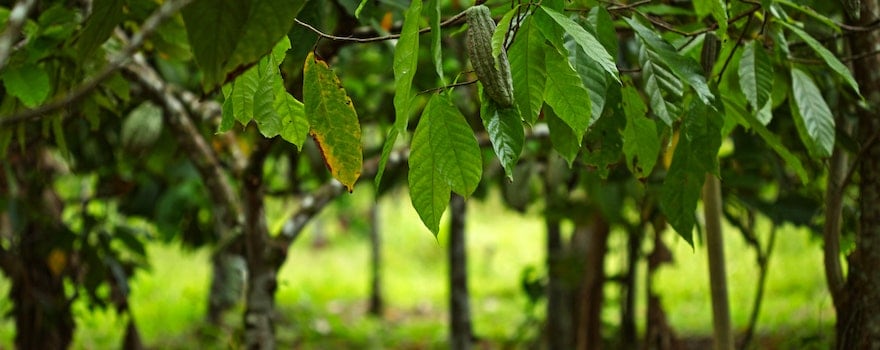
When bean-to-bar chocolate is favored, it highlights the work of both the chocolatier and the producers. From choosing the location of the cocoa trees to drying the beans, and from planting the trees to harvesting the pods, they—especially on small agroforestry farms—are committed to cultivating cacao with traditional expertise and passion.
Financial support for local producers
According to the Ivorian Minister of Agriculture, of the $1 billion generated by the global chocolate industry, 6% goes to producing countries and only 2% to the farmers. This situation does not allow them to earn a decent income or to live from the fruits of their labor.
Like fair-trade cocoa, bean-to-bar chocolate provides genuine financial support to local producers. Bean-to-bar makers strive to pay producers fairly, much more than international firms (up to 40% more). These incomes allow them, in particular, to buy new machines and additional plots to develop their plantation.
A healthier chocolate
Bean-to-bar chocolate is very lightly processed, especially when it is raw. This ‘minimalist’ manufacturing process helps avoid altering the beans’ natural composition and preserves their nutrients as much as possible.
Indeed, in addition to being a treat, chocolate is also good for your health! It is rich in antioxidant flavonoids, serotonin, a hormone associated with well-being, magnesium, and even has aphrodisiac properties.

How to choose your bean-to-bar chocolate?
Which cocoa varieties should you choose?
If cocoa offers an incredible varietal richness, we recommend choosing the Criollo variety, the one cultivated by the Maya. Aromatic, fruity and mildly bitter, it is today the most sought-after and most appreciated variety among chocolate aficionados. The Criollo, which represents less than 5% of world production, is mainly grown in Central and South America.
And in a few years, we might well see chocolate bars made from Majambo beans (Theobroma bicolor), the cousin of cocoa. Perhaps the white chocolate of the future, which, it should be noted, does not contain cocoa mass…
Why not raw chocolate?
Given the enthusiasm it generates, more and more chocolatiers are offering bean-to-bar chocolate. Choosing this type of chocolate is already an excellent way to (re)discover the full flavor richness of cocoa. Not to upset the traditionalists, you can go even further by choosing a bean-to-bar AND raw chocolate.
Also read the Everything you need to know about raw chocolate
Raw chocolate is made from beans roasted at low temperature. They thus retain all their nutrients and develop new aromas. Raw cocoa is appreciated for its slightly bold, more vegetal and natural taste than conventional cocoa.
Also prefer bean-to-bar chocolate that is certified organic, made from untreated beans and sourced from fair trade.
Where to find it ?
Out of its 4,000 chocolatiers, France counts only about thirty manufacturers offering bean-to-bar chocolate. And even fewer of them produce chocolate that is both bean-to-bar and raw. But the movement is gaining momentum and enjoying growing success. Bean-to-bar chocolate can be found in organic stores, specialty shops, or online.
