


The weakening of the body’s immune defenses is a common phenomenon. It manifests aspersistent fatigue and increased susceptibility to infections, illnesses, and allergies. It most often affects adults, the elderly, and pregnant women.
As with many other functions of the human body, nutrition plays a crucial role. Indeed, some foods contain nutrients and active compounds capable of boosting our defenses and protecting the body in the event of immune deficiency.
Here is our selection of the 6 best foods to boost immunity. Read on after the list to understand the mechanisms involved in the immune system’s functioning, and in particular the role of vitamin D.
Note : Integrating these foods into your diet is a good way to strengthen your natural defenses. However, in the case of a significant immune deficiency, we advise you to consult a doctor for appropriate care.
1. Camu camu
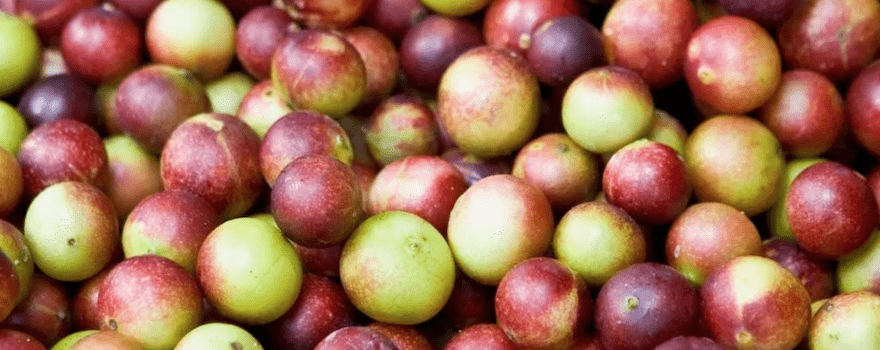
The camu camu, a small acidic fruit native to the Amazon, stands out for its exceptional content of vitamin C (or ascorbic acid). In fact, it contains 16 times more than the orange and 20 times more than the kiwi!
Vitamin C actively helps boost our immune system. To do this, it supports various cellular functions, strengthens the barrier function against pathogens, and promotes the production of lymphocytes (white blood cells), as shown by this study.
Also read | What is the best vitamin D on the market?
How to consume it : because fresh fruits have a bitter taste, camu camu is most often consumed as juice or powder (to mix into a smoothie, yogurt, milkshake…). It can also be used as a lemon substitute because it is acidic.
2. Ginger

Rich in gingerol, the rhizome of ginger has antioxidant, anti-infective, antimicrobial, and antiviral properties. It thus protects the body against free radicals, which impair natural defenses, and against many pathogens. Ginger is a very useful food for preventing infections: colds, flu-like illnesses, bronchitis…
How to consume it : delicious as an infusion, ginger can also be eaten fresh, as juice or as a powder. Ginger powder can be brewed as tea or used to season savory or sweet dishes.
3. Shiitake
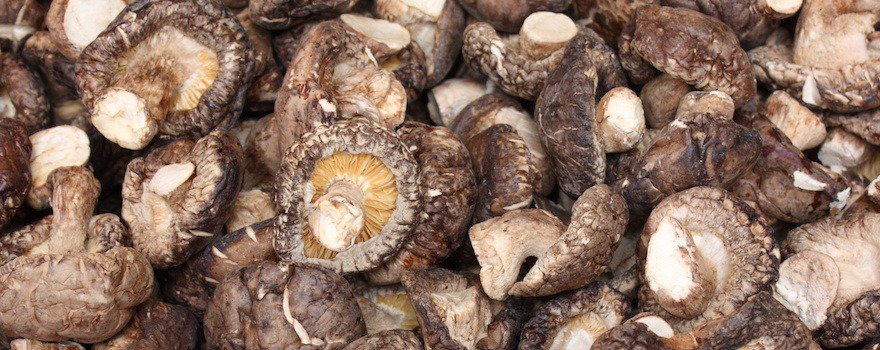
A medicinal mushroom with a brown cap, also delicious to cook. Shiitake is the second most cultivated mushroom in the world. Native to the Far East, it has many health benefits and specifically for immunity, thanks to a polysaccharide it contains, lentinan. It is also richly endowed with vitamin D and minerals that stimulate the immune system.
In Asia, it is used as an extract, as a medicine to help patients undergoing chemotherapy or people living with HIV, in order to strengthen their immune system. This study shows the effectiveness of shiitake on immune system markers (inflammation levels…).
Also read the Under the cobblestones, the shiitakes! How La Caverne grows them in the heart of Paris
How to consume it: opt for organic shiitakes, because mushrooms absorb everything! Fresh, they are eaten sautéed or grilled with other vegetables. As dietary supplements, you can find liquid extracts or capsules containing powdered dried shiitake.
4. Green tea
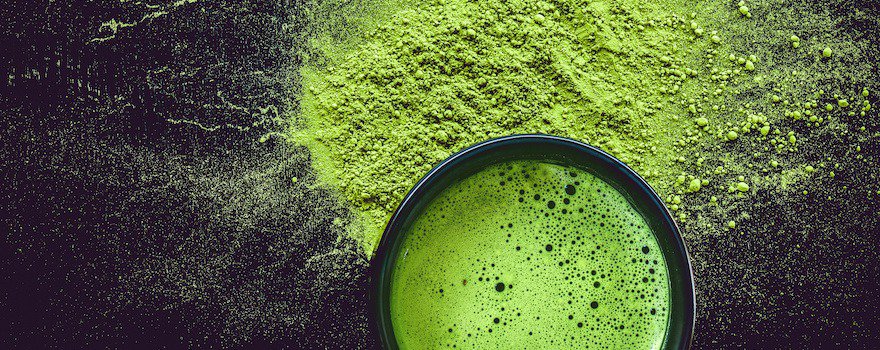
Green tea has a beneficial effect on the immune system. It notably promotes the production of cytokines, hormones secreted by T lymphocytes and involved in the body’s immune response.
Green tea contains theanine, an amino acid that, in addition to promoting mental well-being, improves immune system performance as shown by this review.
How to consume it : Green tea is generally prepared as an infusion and can be flavored with lemon, mint, ginger… try matcha, a fine powder produced by grinding green tea leaves and traditionally consumed in Japan.
5. Turmeric
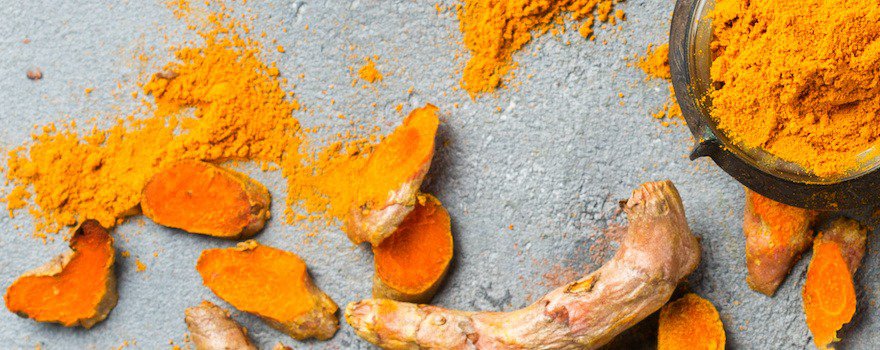
Turmeric has an ideal nutritional composition to strengthen the immune system. Packed with vitamins and minerals, it is very rich in vitamin C (25.9 mg per 100 g). It also contains curcumin, a yellow-orange pigment with antioxidant and antiviral properties.
As shown by this study, curcumin increases lysozyme levels, a molecule involved in defense against bacterial infections, and immunoglobulins that protect the body against microbes.
How to consume it : Grated or cut into pieces, turmeric will flavor your vegetable dishes, soups, salads… You can also use turmeric powder to add to your smoothies, infusions and health drinks.
Also read | Buying guide: the best curcumin
6. Kefir
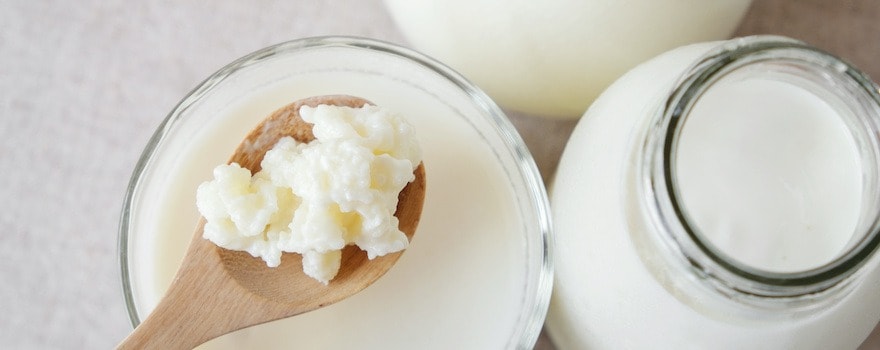
The kefir is a fermented beverage originating from the Caucasus. Best known above all as an excellent natural probiotic, it is also very useful for strengthening the immune system, as shown by this study.
It notably increases the production of interleukin 5 (IL-5) and immunoglobulins. Finally, kefir activates immunity by stimulating macrophages (white blood cells) and increasing phagocytosis (the process of destroying pathogenic microorganisms).
How to consume it : one generally distinguishes milk kefir, which tastes similar to yogurt, fruit kefir, with a more tart flavor, and coconut water kefir. This drink is enjoyed throughout the day.
Also read the What is the best probiotic on the market?
What are the mechanisms of immunity?
A complex network
The immune system functions thanks to different “ body defenders ”: organs, tissues and cells work together to fight pathogens. The proper functioning of the immune system is governed by a complex network:
- primary and secondary organs: liver, bone marrow, thymus, lymph nodes, spleen…
- tissues including lymphoid tissue
- specialized cells: leukocytes and lymphocytes (white blood cells), phagocytes, NK cells…
Each of these components plays a specific role and contributes to the immune response throughout the body. They are able to distinguish foreign substances (viruses, bacteria, microbes, fungi…) from the “ self-antigens ”, which belong to us. When an external organism is detected, our defense mechanisms activate and come into place.
Unfortunately, many internal and external factors can slow down this well-oiled mechanism, weaken our immune system and impair the activity of our natural defenses.
Poor diet, sedentary lifestyle, lack of sleep, stress and pollution are among the main culprits. That’s where certain foods rich in beneficial vitamins and minerals come into play…

Nutrients and immunity: example of the role of vitamin D
If vitamin C is the quintessential immunity vitamin, vitamin D (or cholecalciferol) also plays an important role in the body’s defense system .
On the one hand, it stimulates the production of macrophages and dendritic cells that trigger the immune response. On the other hand, vitamin D contributes to the destruction of pathogens by increasing the production of antimicrobial peptides. Finally, it has an immunomodulatory effect, meaning that it regulates the immune response and prevents excessive reactions.
As shown by this study, vitamin D also has the advantage of acting during the 2 types of immune response : during the innate immune response, which activates immediately, and during the adaptive immune response that occurs 4 days after detection of the pathogen. Vitamin D therefore acts in a comprehensive and long-term way to support our natural defenses.
It is present in good amounts in cod liver oil, fatty fish, eggs, dairy products and mushrooms. In winter, we synthesize less of it because it is our exposure to the sun that stimulates it. In addition, our defenses are weakened. Supplementation may then be necessary.
Also read | Everything you need to know before buying vitamin D
