

 SCIENTIFIC VALIDATION
Laure Fourchaud – 24.11.2021
PhD in nutritional physiology
MORINGA BENEFITS
✓ Ultra-nutritious
✓ Natural source of antioxidants
✓ Anti-inflammatory
✓ Helps regulate blood sugar
What is moringa?
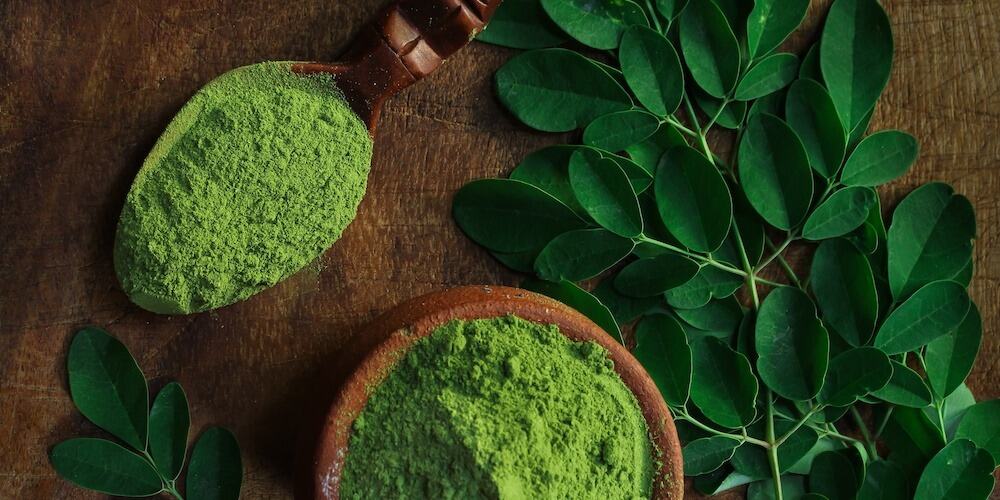
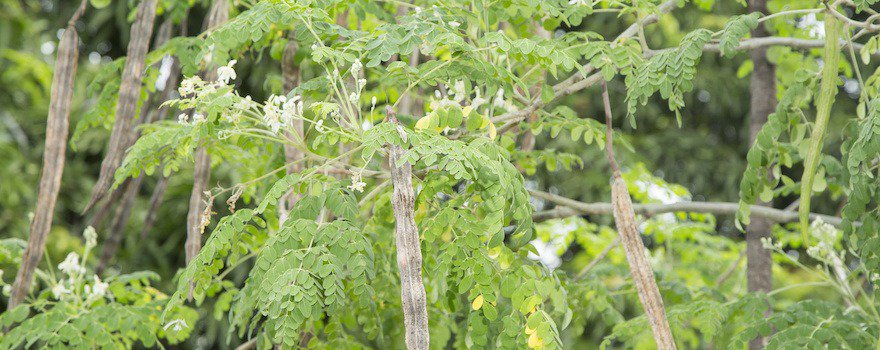
Moringa (Moringa oleifera) is a tree in the Moringaceae family, originally native to the northern India and Pakistan, now found in all tropical and subtropical regions. Drought-resistant, its growth is extremely fast, and it can reach up to 12 meters tall.
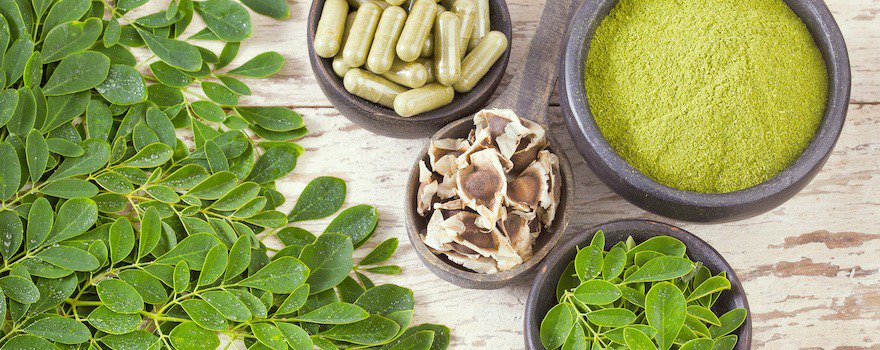
All parts of the moringa are edible: the leaves (these are the most commonly eaten), the seeds and their oil, the flowers, the pods, the bark. In fact, they appear in many Indian, Thai, Ethiopian, Réunionese, and Malagasy dishes… But it is the leaves that are the most nutritious, and they are what we are focusing on here.
Ayurveda, the traditional Indian medicine, says moringa can help heal and prevent up to 300 ailments, including fever, malaria, diabetes, certain genital diseases… And provide lasting support to the immune system.
Also read the Thibaud’s moringa: a virtuous circle between Myanmar and Thailand
In this context, its leaves – fresh, dried or as an infusion – and its seeds are consumed. As for moringa flowers, they are considered aphrodisiacs. Thus, all its virtues have earned it the nickname “tree of life”.
Moringa is particularly rich in protein, vitamins, minerals and trace elements, beta-carotene and powerful antioxidants.
While studies carried out on animals are promising, those in humans still need to be further investigated. However, the following benefits are already observed: increased energy and stimulation of the immune system, antioxidant and anti-inflammatory activity, reduction of blood sugar levels and bad cholesterol.
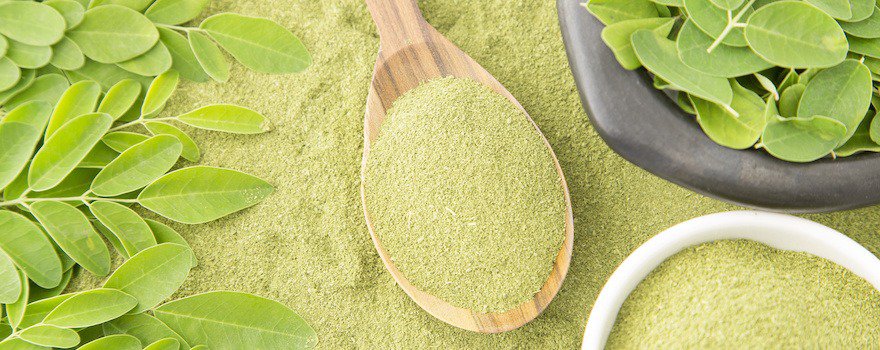
For us, the most common form to consume is dried moringa leaf powder, although it is increasingly available as dehydrated leaves for tea, or even as fresh leaves.
Finally, in India, moringa is used as a natural fertilizer and biopesticide. It promotes rapid plant growth thanks to a very powerful plant hormone, zeatin, and helps fight parasites and fungi.
Nutritional composition of moringa leaves
- Protein: 8 essential amino acids
- Vitamins: A, B1, B2, B3, B5, B6, B9, C, E
- Minerals and trace elements: calcium, iron, magnesium, manganese, phosphorus, potassium, sodium, zinc
- Glucosinolates
- Antioxidants: flavonoids, chlorophyll…
Buy organic moringa: my selection
Moringa powder
I recommend organic moringa powder from the French brand amOseeds. It comes from a small cooperative located at 2,000 meters altitude in the Himalayas in India.
I recommend amOseeds to our readers because its founders source directly from local organic cooperatives. As a result, their products are high quality but reasonably priced (you can check on Amazon; they’re among the cheapest).
At checkout, please use our promo code “DARWIN“: it helps support our blog, but more importantly you’ll get 5% off all purchased products.
This discount stacks with the discount applied for group orders (so up to 25% off with our code).
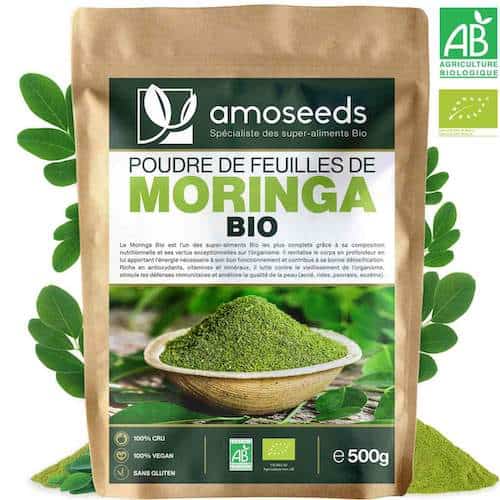
❤ I like: The excellent value for money, the controlled origin and the brand’s very positive customer reviews.
★ Customer reviews: 4.7/5
☞ Quantity: 500 g / 3-month supply
✔ Discount code -5%: DARWIN
Organic moringa leaves (infusion)
For the leaf version, I recommend without hesitation the brand Another Tree, one of whose founders is a pharmacist. Their moringa leaves are untreated, hand-selected and air-dried to preserve all nutrients.
There are no middlemen: the moringa is purchased directly from a farm in the Kampong Cham region of Cambodia. This artisanal production comes from sustainable, community-based agriculture.
Remember to use our promo code DARWIN5 to get 5% off the entire site, with no minimum order.
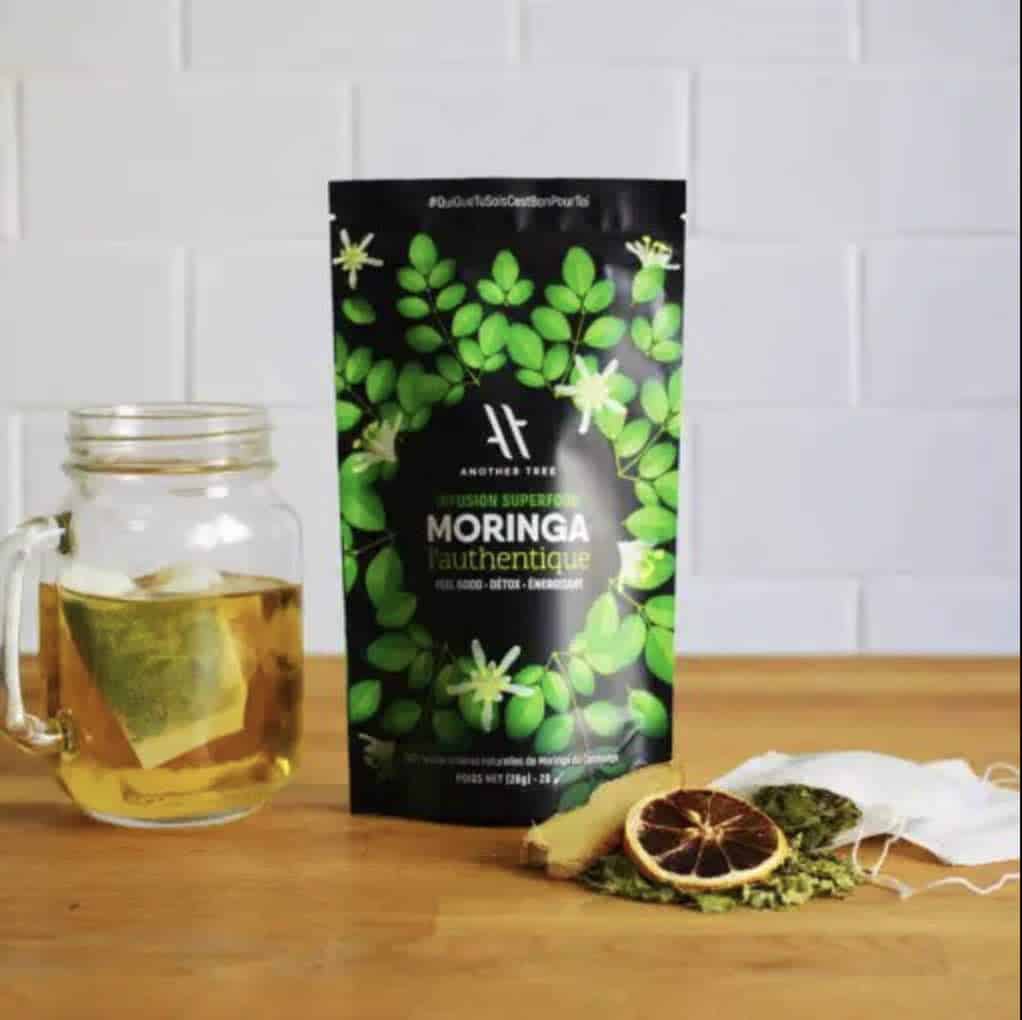
❤ I like : the rare quality of the product, the controlled origin and the brand’s virtuous approach
★ Customer reviews : 4.9/5
☞ Quantity : 15 g, approximately 200 dried flowers
✔ Discount code -5% : DARWIN5
Benefits of moringa
🌿 Ultra-nutritious
Moringa leaves are an excellent source of vitamins, minerals and proteins. More specifically, they are particularly relevant for vitamin B6, vitamin C and iron – and because they contain many amino acids, including the 8 essential ones.
They contain more calcium than milk, more vitamin C than oranges, more iron than spinach and more potassium than bananas.
Moreover, their high protein content helps boost our energy, and makes them a recommended food for sporting activity.
100g of moringa leaves provide 31% of the RDI for iron, but its bioavailability is still under study.
Action Against Hunger, the Red Cross and UNICEF notably use them in their humanitarian programs to fight malnutrition. Indeed, they help quickly address the nutritional deficiencies observed in some developing countries.
In this context, they are particularly recommended for infants and breastfeeding women who consume them as a highly concentrated powder in milk. Furthermore, moringa is thought to be galactagogue, helping to stimulate breast milk and thus promote breastfeeding.
🥝 Natural source of antioxidants
Moringa has excellent antioxidant activity, and thus helps fight free radicals and cellular aging.
Among its antioxidant compounds are: vitamin C, chlorophyll (an antioxidant pigment), beta-carotene (provitamin A), quercetin (a flavonoid that may help lower blood pressure), and chlorogenic acid (a polyphenol).
This study from the Punjab Agricultural University in India, conducted over three months on 90 postmenopausal women, demonstrated that daily consumption of powdered moringa leaves increases antioxidant levels in the blood.
🌵 Anti-inflammatory
The inflammatory reactions produced by our body are a protective mechanism, aimed at eliminating cellular damage and preparing the repair of damaged tissues.
Moringa has anti-inflammatory properties, particularly thanks to the isothiocyanates it contains, organosulfur compounds, and quercetin, a powerful antioxidant.
This study conducted by the Department of Medical Sciences at Putra University in Malaysia demonstrated the anti-inflammatory properties of moringa extracts in animals.
🍭 Helps regulate blood sugar
Moringa has a hypoglycemic effect; it may help lower blood sugar levels and is therefore an interesting food to help control diabetes.
The isothiocyanates it contains also play a role by reducing insulin resistance — insulin is the hormone that balances blood sugar levels.
This study from the Punjab Agricultural University in India, conducted on 30 women, showed that the daily intake of 7 g of powdered moringa leaves for three months helped lower blood sugar by an average of 13.5%.
🍳 Cholesterol-lowering
Finally, moringa helps lower levels of bad cholesterol.
This study from the M.S. University of Baroda in India, conducted on rabbits, demonstrated that moringa had a hypolipidemic effect and lowered levels of bad cholesterol.
Expert opinion
Rich in protein, vitamins, and minerals, moringa gives a boost to an already generally balanced diet. Its high antioxidant content is a valuable ally in countering the stresses of modern life.
However, whether consumed as dried leaves or powder (the most common forms in France), amounts remain limited (a few dozen grams at most), and therefore will not fully make up for the nutritional gaps of an unbalanced diet.
💡Recommended dose: at the start of a regimen, I recommend beginning with a few days of consuming small amounts (for example: half the usual dose). Indeed, moringa’s high fiber content can cause digestive discomfort if the body is not used to it. Afterwards, increase gradually until reaching the recommended dose.
💡Iron & vitamin C: when paired with a source of vitamin C (açai, goji, or locally a fresh seasonal fruit), the iron in moringa will be better absorbed. Digestion and nutrient absorption are complex processes, so it is always useful to include superfoods as part of complete meals to optimize their effects.
💡Scientific studies: while early research results on the many effects of moringa are very promising, they will nonetheless need to be translated to humans and to our specific consumption patterns of this plant before more precise recommendations can be made.
Perrine Bellanger – dietitian-nutritionist
How to consume moringa?
Moringa powder
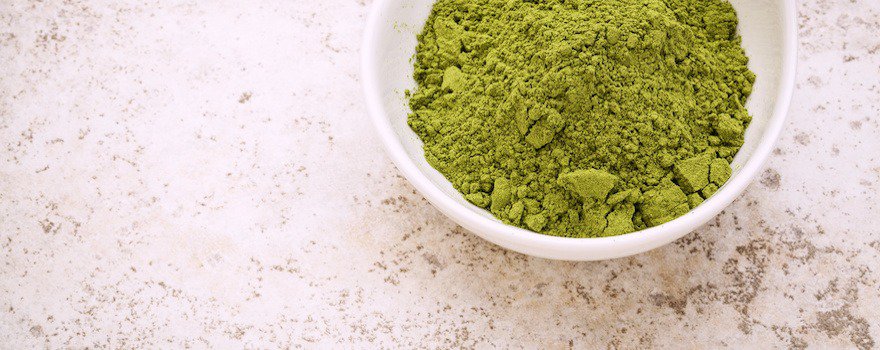
This form may be the best way to consume it.
On the one hand, because moringa powder is very nutrient-dense: during drying, the leaves lose water, and while vitamins C and E are slightly reduced, the other components become more concentrated.
On the other hand, because its use is quite convenient: it can be mixed into juices (apple juice in particular), smoothies, coconut milk yogurt. It can be used in baking (like matcha), and even sprinkled over savory dishes, which its vegetal and peppery flavor will enhance. Its taste is often compared to that of arugula and radish.
To obtain moringa powder, the leaves are dried at a low temperature – ideally below 50°C – ground, then sieved and packaged.
Note that it can also be found blended with other compatible superfoods such as maca, spirulina, or lucuma.
Moringa tea
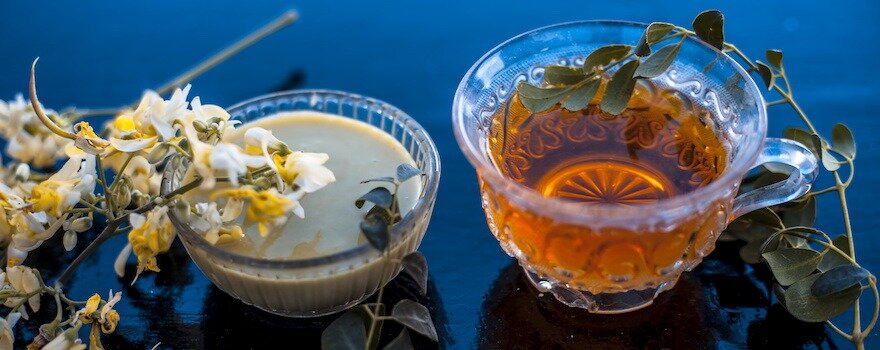
People often refer to it as tea but it’s actually an infusion. The dehydrated moringa leaves can be easily found in health food stores, dietetic grocery shops, or online. Sometimes even in sachets ready to steep. After a few moments in hot water, moringa releases its nutrients. Its taste is slightly tart; it can be sweetened with honey, much like green tea.
Moringa capsules
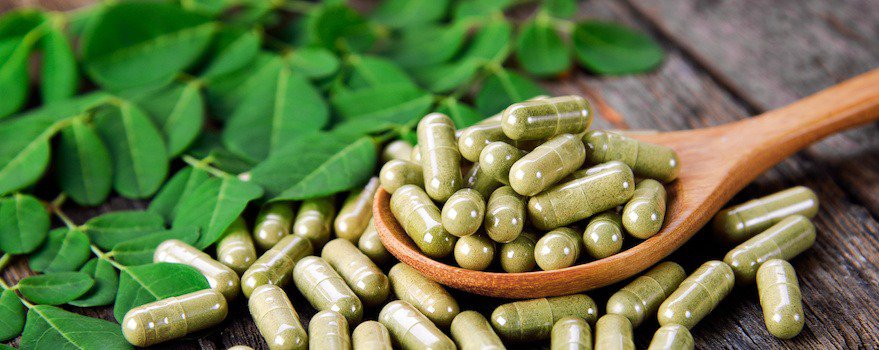
There are also capsules, recommended for those who may not appreciate its distinctive taste and who wish to consume it as a dietary supplement. Check that they are made exclusively from moringa.
Moringa oil
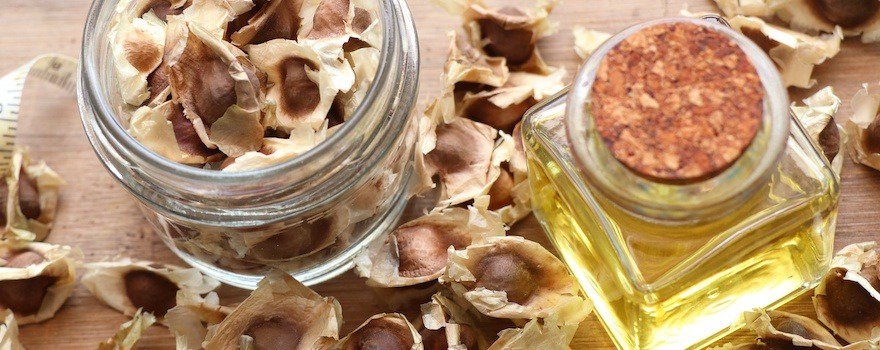
The moringa oil is a vegetable oil obtained by pressing the seeds. It is used both in cosmetics, particularly for hair beauty, and in cooking. Rich in oleic acid, a monounsaturated fatty acid made up of omega-9 and omega-6, it helps prevent type 2 diabetes and cardiovascular diseases. Its composition is quite similar to that of olive oil.
Consume sustainably: choose organic and fair-trade moringa
✓ It is recommended to favor organic moringa when purchasing, free of pesticides, for healthier consumption and optimal benefits. Although India has produced it for a long time, the rise of its global cultivation is recent. The process of organic farming takes time to establish, as do organic certifications.
✓ Nevertheless, there are small organic farms in Asia, Africa, and South America, and you should not have trouble finding it in stores.
Dosage
⚖️It is recommended to consume 2 to 5 g per day, gradually increasing the doses.
⏳It is best consumed in the morning and at midday, just before or during meals. Three-month courses are recommended to better appreciate the benefits.
⚡️ To boost our energy: 1 to 2 teaspoons of powder per day.
🌵 Anti-inflammatory: 2 to 4 teaspoons of powder per day.
🍵 As an infusion: 1 teaspoon per cup, several times a day.
💊 In capsules: Depending on the dosage, refer to the manufacturer’s recommended dosage.
Contraindications and side effects
There are no major contraindications to consuming moringa, but during pregnancy and breastfeeding it is recommended to seek medical advice. Its high fiber content can cause diarrhea and it is not recommended in cases of hypoglycemia.
History, cultivation, and market of moringa
A tree with traditional uses
Moringa originally grows in the southern foothills of the Himalayas, in northern India. It thrives in tropical and semi-arid regions, and is particularly resistant to drought and pests.
Its growth is very rapid: it can reach 2 meters in height in just a few months! And eventually reach 10 to 12 meters tall. It is also recommended to plant it to combat soil erosion.
It is traditionally known for various uses.
Firstly therapeutic, as it is used in Ayurvedic medicine to treat a wide range of ailments, including those mentioned earlier. Its ancestral use has led many researchers since the 1990s to investigate its benefits. In 2001, the first international conference on moringa was held in Tanzania, revealing the remarkable benefits of moringa to the world.
But it also has a culinary use: in India, its fruits are eaten cooked and made into curries. Its leaves can be used as seasoning, added to omelets, and its flowers can be enjoyed as fritters.
Moringa: a victim of its own success
Moringa production today extends to almost all tropical regions, but its largest global producer remains India with 380 km2 of planted area.
Given its rapid growth, hardiness, and nutritional value, its cultivation is expanding, mirroring its consumption in Europe and the United States. Social entrepreneurs have developed projects around moringa to help vulnerable populations, such as women in rural areas in Tunisia. A surge that unfortunately also causes a lot of speculation.
Currently, the global price of raw moringa that is neither organic nor fair-trade is estimated at around €5.30. In retail in France, it can be found at about €180 per kg.
Detailed nutritional values
This data was compiled and verified for Darwin Nutrition by Laure Fourchaud, PhD in nutritional physiology.
| Moringa powder | /100g | %AR* | 5g (1cc) | %AR |
| Energy (kcal) | 315 | 15,7 | 15.75 | 0.78 |
| Fiber (g) | 25 | 40 | 1.25 | 2 |
| Water (g) | 78.6 | — | 3.93 | — |
| Macronutrients | ||||
| Protein (g) | 21.9 | 43.8 | 1.1 | 2.19 |
| Carbohydrates (g) | 26.4 | 10.1 | 1.32 | 0.51 |
| of which sugars (g) | 9.2 | 10.2 | 0.46 | 0.51 |
| Fat (g) | 6.1 | 8.7 | 0,3 | 0.44 |
| Minerals | ||||
| Calcium (mg) | 200 | 200 | 10 | 10 |
| Iron (mg) | 25 | 180 | 1.25 | 9 |
| Copper (mg) | — | — | — | — |
| Magnesium (mg) | 400 | 110 | 20 | 5.5 |
| Manganese (µg) | 0.36 | 36 | 0.02 | 1.8 |
| Phosphorus (mg) | 112 | 15 | 5.6 | 0.75 |
| Potassium (mg) | 1300 | 70 | 65 | 3.5 |
| Sodium (mg) | 9 | 0.6 | 0.45 | 0.03 |
| Salt (g) | 0.29 | 4.8 | 0.01 | 0.24 |
| Zinc (mg) | 0.6 | 7.5 | 0.03 | 0.03 |
| Vitamins | ||||
| Vitamin A (mg) | 3000 | 380 | 150 | 19 |
| Vitamin C (mg) | 15 | 20 | 0.75 | 1 |
| Vitamin E (mg) | 52 | 430 | 2.6 | 21.5 |
| Vitamin B1 (mg) | — | — | — | — |
| Vitamin B2 (mg) | 8.8 | 630 | 0.44 | 31.5 |
| Vitamin B3 (mg) | 10.4 | 16 | 0.52 | 0.8 |
| Vitamin B5 (mg) | — | — | — | — |
| Vitamin B6 (mg) | — | — | — | — |
| Vitamin B9 or folates (µg) | 40 | 200 | 2 | 10 |
*%AR : % Reference intake for an adult
Other antioxidant compounds: polyphenols, glucosinolates, flavonoids
Sources and scientific studies
Shalini Kushwaha, Paramjit Chawla, Anita Kochhar, 2012. Effect of supplementation of drumstick (Moringa oleifera) and amaranth (Amaranthus tricolor) leaves powder on antioxidant profile and oxidative status among postmenopausal women.
M.R. Sulaiman, Z.A. Zakaria, A.S. Bujarimin, M.N. Somchit, D.A. Israf, S. Moin, 2008. Evaluation of Moringa oleifera Aqueous Extract for Antinociceptive and Anti-Inflammatory Activities in Animal Models.
Mehta K, Balaraman R, Amin AH, Bafna PA, Gulati OD, 2003. Effect of fruits of Moringa oleifera on the lipid profile of normal and hypercholesterolaemic rabbits.
USDA Database entry
Moringa Oleifera, a tree that does it all
Irénée Modeste Bidima, Production and processing of Moringa, Wageningen, Proagro, CTA and ISF, 2016, 40 p., p. 4
Parotta, John A., “Moringa oleifera Lam. Reseda, horseradish tree. Moringaceae. Horseradish tree family.”, USDA Forest Service, International Institute of Tropical Forestry, 1993).
C. Gopalan, B. V. Rama Sastri and S. C. Balasubramanian, Nutritive Value of Indian Foods, National Institute of Nutrition, Indian Council of Medical Research, 1989
Oduro I, Ellis WO, Owusu D, “Nutritional potential of two leafy vegetables: Moringa oleifera and Ipomoea batatas leaves”, Scientific Research and Essay, vol. 3, no. 2, 2008
E.U. Madukwe, “Nutrient Composition and Sensory Evaluation of Dry Moringa Oleifera Aqueous Extract”, International Journal of Basic & Applied Sciences IJBAS-IJENS, June 2013
Stohs SJ et al. Review of the safety and efficacy of Moringa oleifera. Phytother Res. 2017 Jun; (6): 796 – 804
CIQUAL
