


Hair, like nails and skin, has specific nutritional needs to stay healthy. It is mainly made of keratin, a protein that protects it from damage (UV, pollution, etc.) and helps retain moisture. But it is quickly depleted.
Keratin is not found in foods, but certain nutrients promote its synthesis, so they should be prioritized!
Beta-carotene, proteins, B vitamins, iron and zinc determine the beauty and health of hair. So, to have beautiful, strong hair, it is essential to regularly consume foods that contain them!
Even when you eat a balanced diet, it can be difficult to consume enough high-quality nutrients…
Moreover, some of our behaviors, particularly the consumption of tea and coffee or reliance on processed foods, can hinder their absorption, leading to deficiencies and health problems.
Dietary supplements for hair help compensate for deficiencies affecting the overall condition of the hair. They can treat dandruff and oily hair, a sensitive scalp, dry and brittle hair, or excessive hair loss.
Also read | The best dietary supplements for hair: our comparison
1. Brewer’s yeast
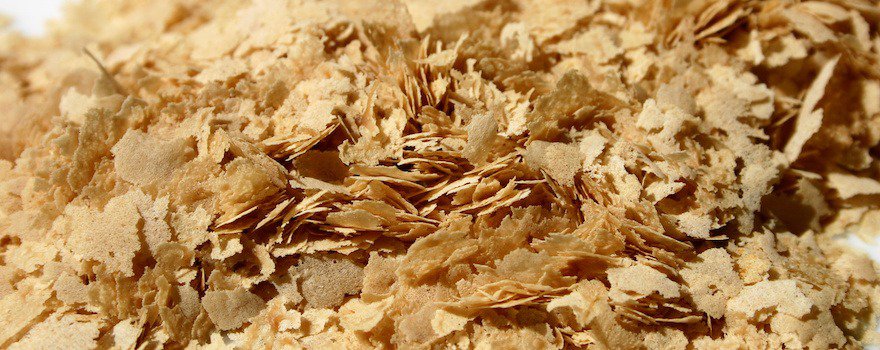
Used to ferment beer, brewer’s yeast appears as a fine powder soluble in water and actually corresponds to several strains of a microscopic fungus.
Very rich in vitamins B1, B5, B8 and B9, brewer’s yeast stimulates keratin synthesis and strengthens the structure of the hair fiber. It therefore increases hair vitality, makes hair more supple and stronger, while effectively reducing hair loss.
Rich in trace elements, brewer’s yeast also helps purify the scalp and prevents hair from becoming greasy too quickly. It is therefore ideal for people with oily hair or dandruff.
How to take it?
To fully benefit from brewer’s yeast, it’s best to take it in capsule form for a course of at least 2 months, at each change of season.
2. Royal jelly
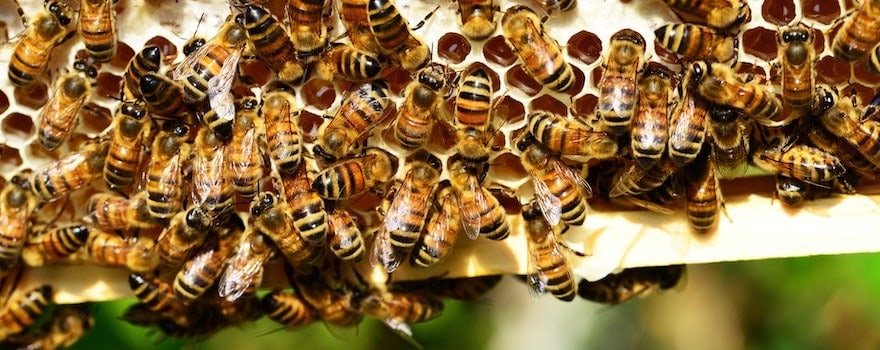
Also known as “bee milk”, royal jelly is a substance secreted by the cephalic glandular system of young worker bees. Highly nutritious, it has many benefits for human health and contributes to healthy, beautiful hair.
Composed of deoxyribonucleic acid, pantothenic acid, vitamins, minerals, lipids and antioxidants, royal jelly effectively promotes cellular regeneration of the hair fiber. It is therefore particularly recommended to treat dull, dry, and brittle hair and to help slow hair loss.
Read also | Royal jelly: a pharmacist’s buying guide
How to take it?
To restore healthy hair, take a course of royal jelly for at least 3 months at a rate of one capsule or ampoule per day. However, this dietary supplement is contraindicated for people allergic to honey, pollen, or bee stings.
Read also | Using royal jelly for hair beauty
3. Spirulina
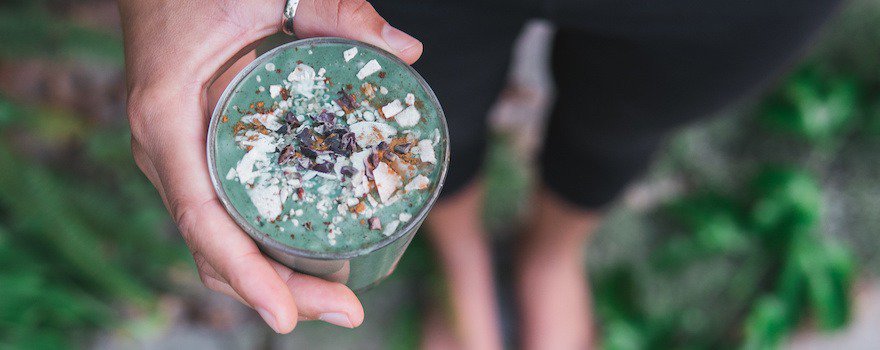
A true superfood, spirulina is not an algae but a cyanobacterium particularly rich in zinc, iron, antioxidants, proteins and B vitamins. It therefore promotes the synthesis of keratin and the maintenance of the hair fiber.
Spirulina also contains essential fatty acids and therefore stimulates hair growth while giving hair shine and strength.
Read also |How to choose spirulina? Criteria to consider
How to take it?
To strengthen your hair but also your nails, your immune system and your overall health, consume between 2g and 5g of spirulina per day for at least one month.
Depending on your preferences, you can take it in powder or flake form, or in capsules, ideal for people who don’t necessarily enjoy its mild seaweed taste. You can also use it to make ultra-nourishing masks!
Also read |How to use spirulina for your hair
4. Soy lecithin
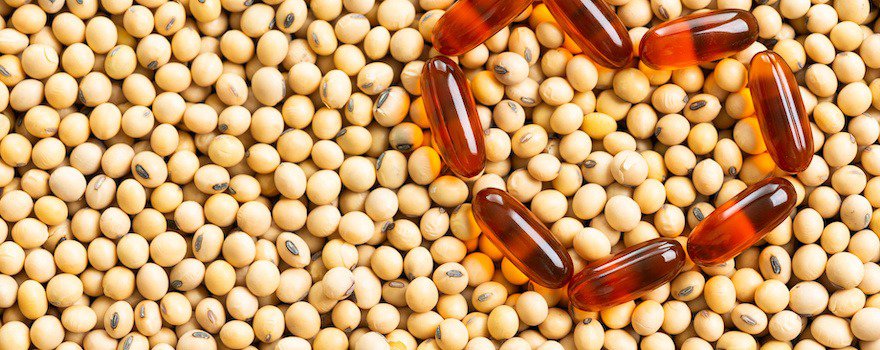
Composed of fatty acids, phosphates, choline, vitamin B and glycerol, soy lecithin is a lipid derived from soy. It contributes to cell renewal while revitalizing and moisturizing the hair. It’s no accident that soy lecithin is often included in the formulation of shampoos and other hair care products.
How to take it?
If you opt for soy lecithin capsules, it’s best to take them with meals to optimize their absorption. You can also use a shampoo or treatment containing soy lecithin.
5. Bee pollen
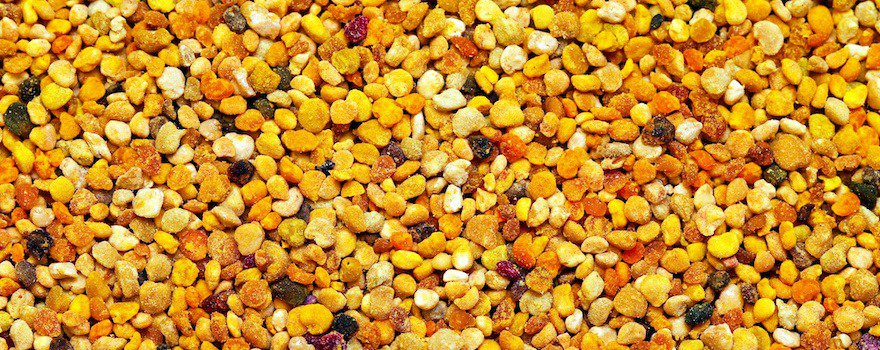
Made up of small grains, pollen is collected by bees from the flowers where they forage for nectar. So it has nothing to do with the fine dust that causes many seasonal allergies!
The nutritional value of bee pollen is particularly interesting for hair: proteins, lipids, vitamins, mineral salts, trace elements, antibiotic substances and rutin, a natural flavonoid that increases hair strength. Pollen revitalizes tired hair and helps prevent hair loss.
How to consume it?
Pollen is available in capsule form but is more frequently sold fresh or dry, to be eaten on a spoonful of honey or diluted in a little water.
You can also prepare a strengthening pollen shampoo by mixing a teaspoon of pollen and a few drops of lemon juice into your regular shampoo.
6. Organic silicon
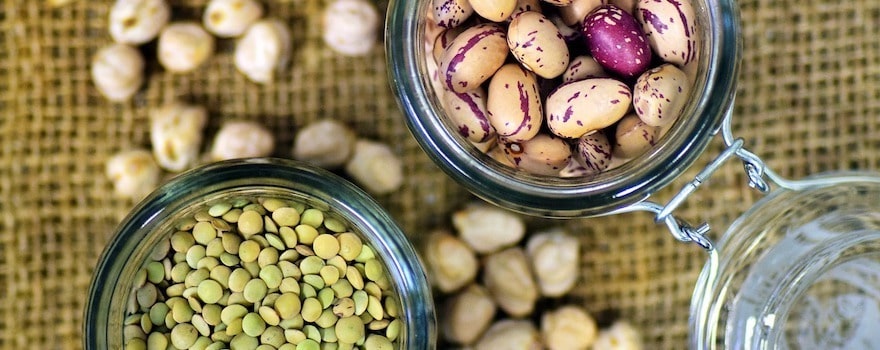
Organic silicon is a trace element that is found in mineral water and in certain plant-based foods (cereals, dried fruits, mushrooms, etc.). It is also naturally present in the body, but our ability to store it decreases considerably with age.
In addition to its effect on the structure of connective tissues and the body’s remineralization process, organic silicon would also stimulate keratin production, thus helping to enhance the beauty of hair.
How to consume it?
You can choose to consume silicon-rich foods, such as whole wheat, legumes (lentils, beans, chickpeas…), parsley, garlic, onion, mushrooms, or dates, but also favor drinking waters that contain it.
There are also organic silicon dietary supplements in the form of oral solutions or gels.

Why take dietary supplements for hair?
The role of keratin in hair health
Hair is made of more than 95% keratin, a hard, fibrous protein made up of amino acids that forms through the accumulation of dead cells. It protects them, notably against external factors that could damage them (UV, seawater, etc.) and has the ability to retain and store water to hydrate them.
Keratin also helps reseal the hair cuticle by acting like a protective film, thereby giving hair strength and shine. In short, hair rich in keratin is healthy hair!
But it is important to know that keratin does not regenerate and becomes depleted over the life of the hair. As a structural protein, keratin is not present in foods, but certain nutrients promote its proper synthesis.
This is notably the case for beta-carotene, proteins, as well as B-group vitamins, iron and zinc. To have beautiful hair, it is therefore essential to regularly consume foods that contain them!

Nutritional deficiencies and hair issues
Besides keratin, our hair is also made up of water, fatty acids, melanin (responsible for their color), certain vitamins, as well as iron and zinc.
They also need quality lipids, essential for their growth and elasticity, proteins, as well as vitamin E and antioxidants to fight premature aging. To be healthy, it is therefore important to provide them with these nutrients in sufficient quantities.
- In cases of protein deficiency, for example, it is common to observe rough, dull, and dry hair because they then have more difficulty retaining moisture.
- When lipids are lacking, hair tends to break more easily and become static.
- Finally, dandruff and itching on the scalp are often linked to an unbalanced diet causing skin inflammation.
Report compiled by Anaïs Gibert and Charlotte Jean
