

1. Turmeric
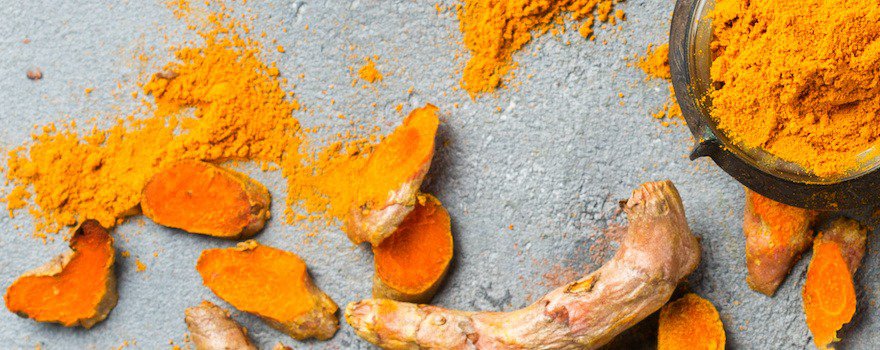
turmeric is a spice obtained by grinding the roots of Curcuma longa. Its active substance, curcumin, has a powerful anti-inflammatory effect. Thus, it relieves pain related to arthritis or osteoarthritis and supports the joints.
Turmeric also protects the nervous system. It slows cognitive decline and prevents certain neurodegenerative diseases. As shown by this review, it has promising potential in the prevention and treatment of Alzheimer’s disease.
Finally, through its antioxidant action, it protects the body from free radicals that accelerate cellular and skin aging.
Also read the How to choose the best curcumin?
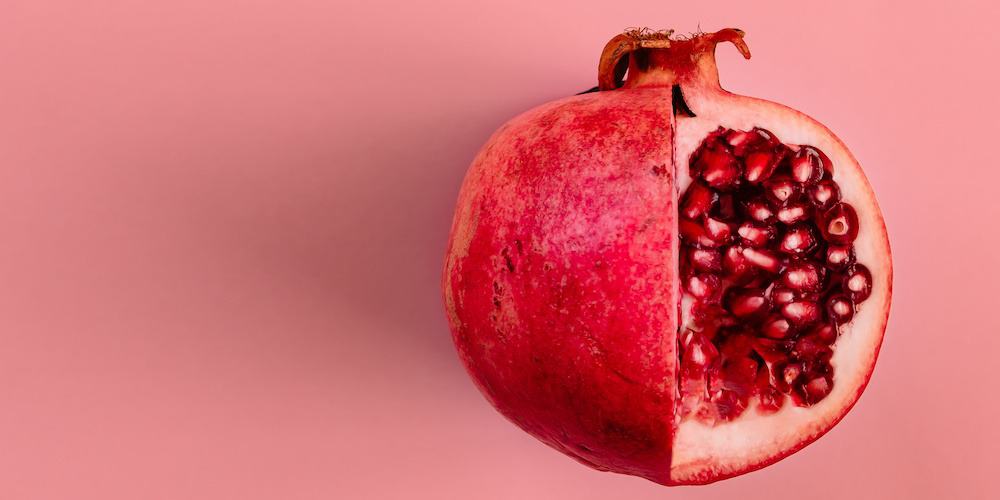
2. Pomegranate
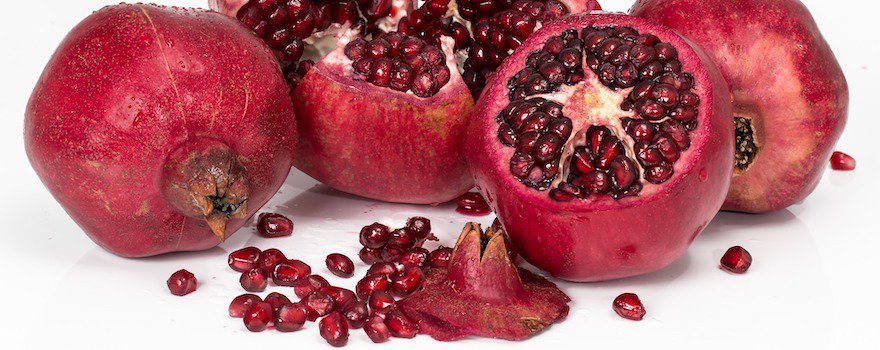
pomegranate is a fruit that stimulates and strengthens immunity. It boosts the body’s defenses, making it better able to fight infections, especially in winter.
It is therefore an ally of older people whose immune defenses are less effective.
Thanks to its richness in antioxidant vitamins (C and E), it fights free radicals and slows aging.
Finally, it contains tannins called « punicalagins » that reduce inflammation in the joints and the brain (neuroinflammation).
This study from the University of Washington School of Medicine (United States), conducted in pregnant women, shows how pomegranate punicalagins reduce oxidative stress.
3. Broccoli
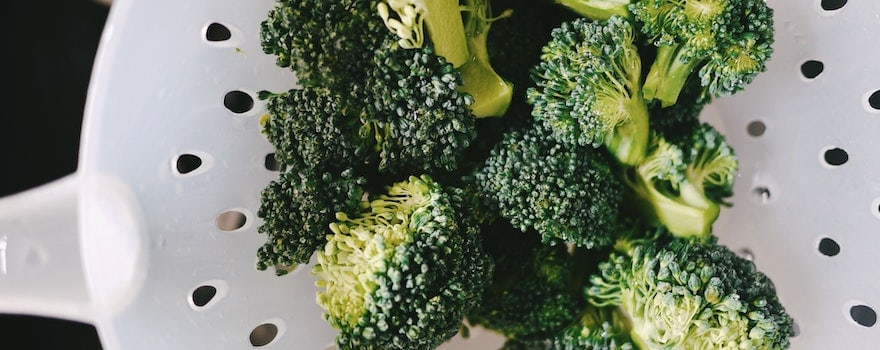
Like other cruciferous vegetables (Brussels sprouts, cauliflower…), broccoli contains sulforaphane. This organosulfur compound is antioxidant, anti-inflammatory and neuroprotective.
As shown by this study, it slows the degeneration of cognitive abilities (learning, memory…) related to Alzheimer’s disease.
Moreover, broccoli is particularly rich in vitamin C and B9 (folic acid).
Vitamin C is antioxidant and boosts the immune system. By maintaining the elasticity of blood vessels, it also prevents hypertension and certain cardiovascular diseases related to aging.
Vitamin B9, for its part, is involved in cell renewal. It also contributes to proper brain function and prevents the decline of memory and cognitive functions.
With 65 mg of vitamin C and 108 µg of folic acid per 100 g, broccoli is a valuable anti-aging food.
4. Red fruits and berries
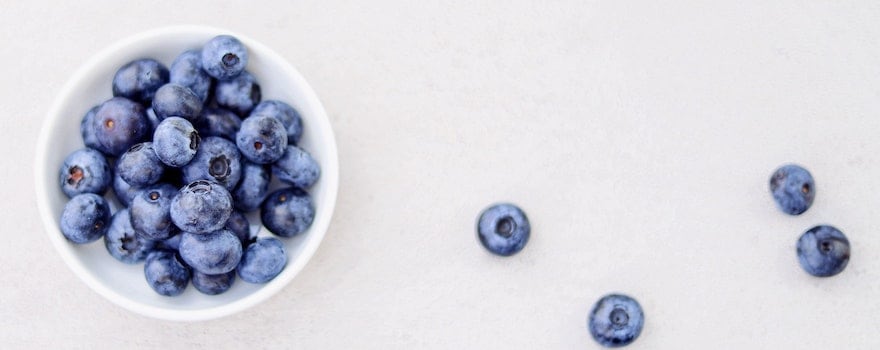
Strawberries, raspberries, cranberries, blueberries, blackcurrants, açaí berries, aronia…: so many small fruits and red berries with antioxidant effects. The antioxidant capacities of açaí, for example, reach 12,324 µmol TE/100 g of fruit according to ORAC (Oxygen Radical Absorbance Capacity),
Thus, these foods protect cells from free radicals, slow cellular aging and prevent cardiovascular diseases.
Red fruits are also rich in vitamins (provitamin A, C, E…) and minerals. Blackcurrant, for example, is a good source of potassium (330 mg/100 g). This mineral supports the joints, maintains bone density and prevents osteoporosis.
5. Avocado
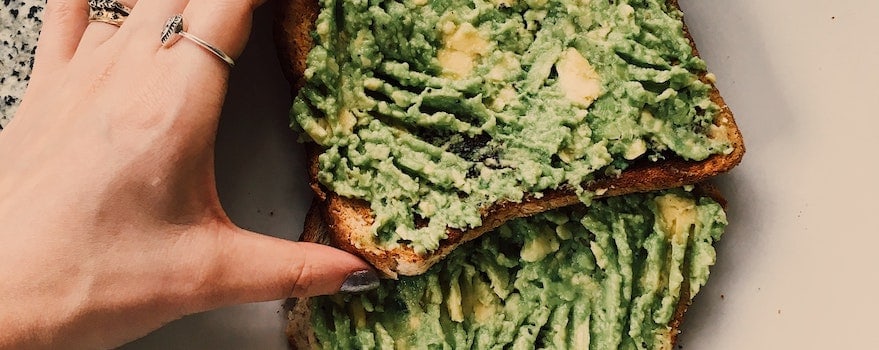
Avocado is a source of vitamin E, B5, B9 and K1. It also contains potassium and fatty acids (omega-3 and omega-6), good for the heart.
Antioxidant polyphenols and neuroprotective compounds are also found. As shown by this study, avocado plays an important role in the prevention of neurodegenerative diseases (Huntington’s disease, Parkinson’s disease and Alzheimer’s disease).
In cosmetics, avocado oil is used for the care of mature skin. It nourishes, restores skin elasticity and fights the signs of skin aging : wrinkles, loss of firmness…
6. Chicken
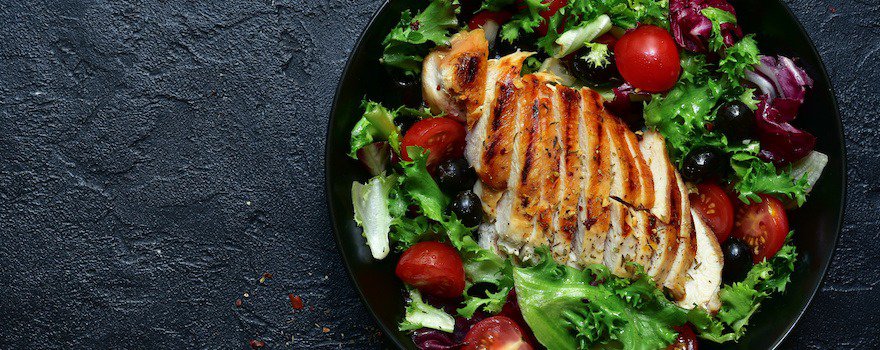
Chicken (as well as turkey) contains collagen and promotes its production thanks to amino acids. Collagen is one of the main components of the skin, bones, muscles… We produce less and less of it with age, so it’s beneficial to obtain it through the diet or supplementation.
Also read the Buy collagen
Among its various functions, it plays an essential role in skin beauty. Type 1 collagen is present in the dermis (the inner layer of the skin).
It provides suppleness and elasticity, promotes healing, and slows skin aging. Finally, it contributes to the growth of hair and nails.
This study demonstrated the usefulness of chicken as a collagen source in the treatment of osteoarthritis.
Prefer free-range or organic chickens.
