

Zinc is one of the trace elements. It is found in small amounts in the body, mainly in the muscles and bones.
It plays a major role and is involved in numerous functions. Thus, zinc:
- permet la synthèse des protéines
- stimule l’immunité
- réduit l’inflammation
- participe au bon fonctionnement du système nerveux
- soutient la vision et la santé oculaire
- participe à la beauté de la peau
Not being synthesized by the body, it must be obtained through the diet or by taking a dietary supplement.
Also read | Our advice for buying the best zinc
ANSES (French Agency for Food, Environmental and Occupational Health & Safety) recommends a daily intake of 10 to 14 mg for men and women.
Food sources are varied and flavorful, and include both seafood and crustaceans, meats, cheeses, and many plant foods. Here are the Top 10 foods richest in zinc:
1. Oysters
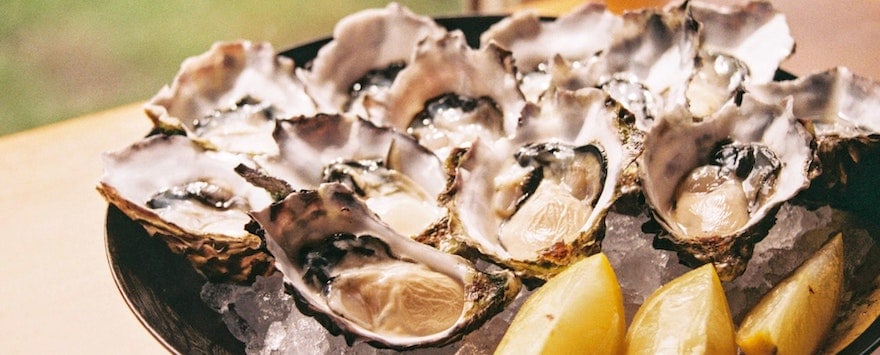
With an average content of 45 mg per 100 g, oysters top the list of the foods richest in zinc.
The flat oyster (Ostrea edulis), with its round shape, contains more zinc than the cupped oyster (Crassostrea gigas), which has an elongated shape.
How to eat them : you can eat them raw, smoked, or steamed.
2. Wheat germ
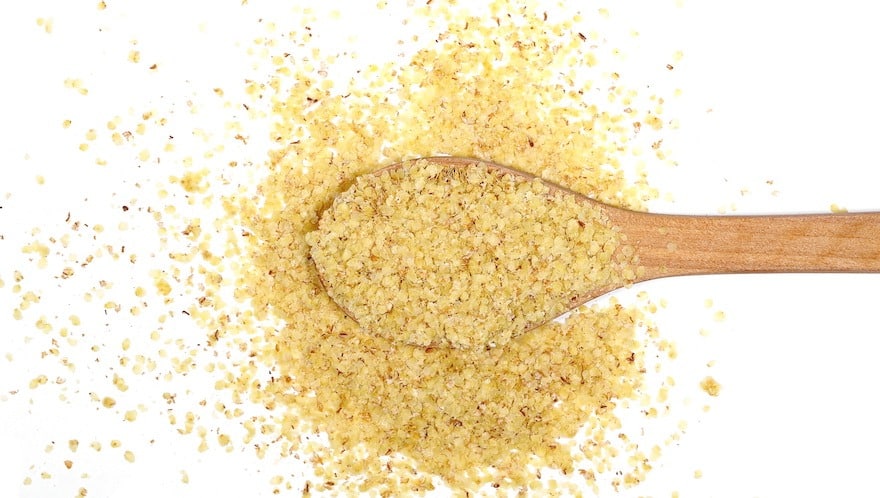
Not only rich in vitamin E, wheat germ provides notable amounts of zinc.
Thus, 100 g of wheat germ contains 14 mg of zinc, which is the entirety of the recommended daily intake (RDI).
How to consume it : in flakes or small granules, it can be sprinkled over salads, raw vegetables, or in muesli…
3. Crab
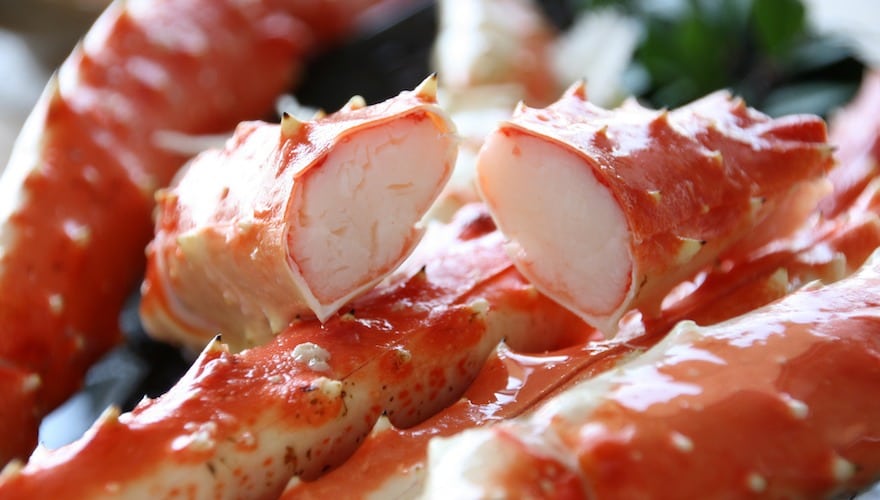
Like many crustaceans, shellfish, and mollusks, crab is an excellent source of zinc. It contains on average 12 mg per 100 g.
How to consume it : opt for steaming rather than boiling to preserve nutrients. You can prepare it stuffed, in soup, au gratin, or as fritters…
Read also | Does zinc help reduce acne ?
4. Organ meats and red meats
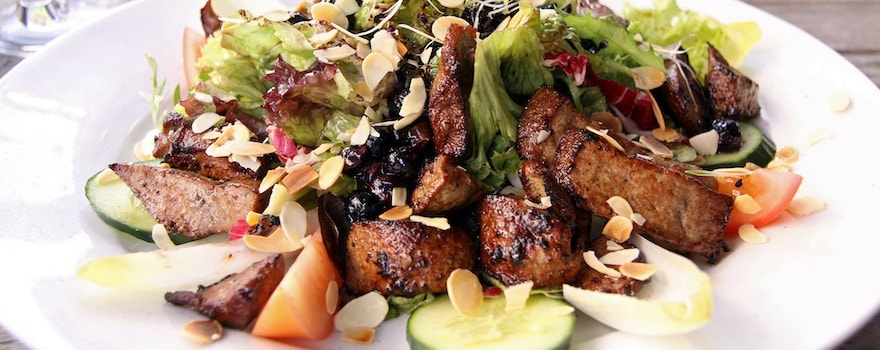
Leading the organ meats richest in zinc is calf liver with 12 mg per 100 g. Next come oxtail (8 mg per 100 g) and pork liver (7 mg per 100 g).
For red meats, favor beef shank (11 mg per 100 g), flank steak (8 mg per 100 g) or a rack of veal (7 mg per 100 g).
How to consume them : sautéed, braised, or grilled, served with vegetables, rice… There are countless ways to prepare them!
5. Sesame
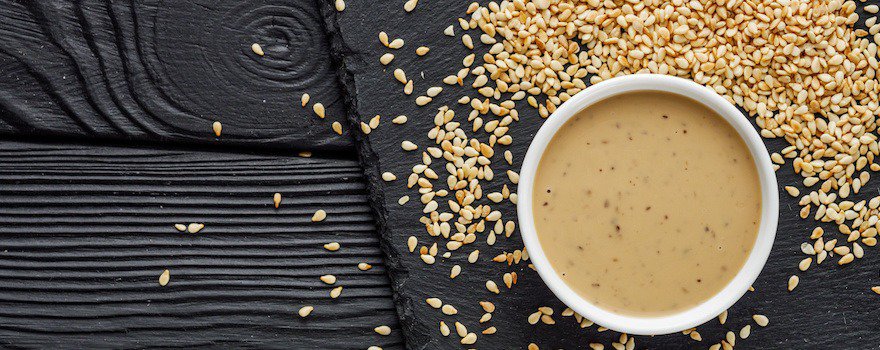
Hulled sesame seeds contain on average 10 mg of zinc per 100 g.
Tahini (tahin) or sesame paste is also a good source, with nearly 5 mg per 100 g.
How to consume it : Seeds can be added to salads, soups, mueslis, and vegetable dishes. Tahini, meanwhile, can be used to make hummus or homemade falafel.
6. Poppy seeds
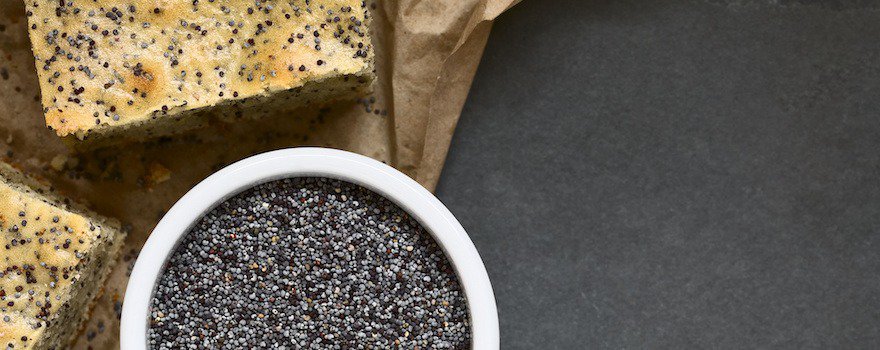
Poppy seeds (Papaver somniferum) provide a significant amount of zinc. They contain about 9 mg per 100 g.
How to consume them : add them to baked goods, pastries, yogurts, or fresh cheese (fromage blanc)…
7. Sea lichen
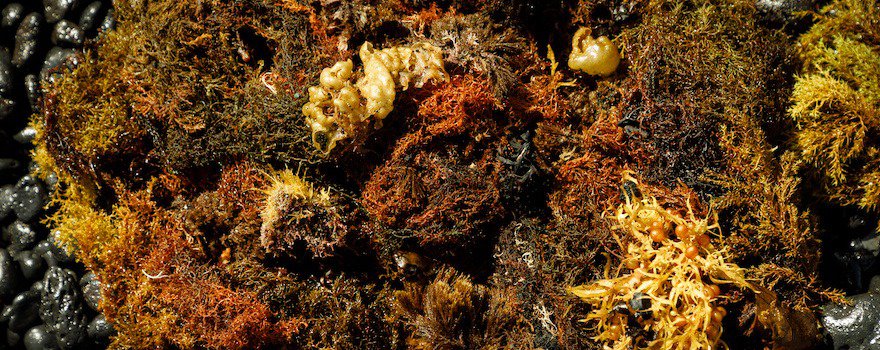
Sea lichen or pioca (Chondrus crispus) is a red seaweed that grows on rocks.
Very rich in minerals and trace elements (calcium, potassium, magnesium, iodine…), it contains nearly 8 mg of zinc per 100 g.
How to consume it : add dried or dehydrated flakes to salads, soups, rice…
8. Cheese

Among them, Mont d’Or stands out with 8 mg per 100 g. Next come gruyère and Beaufort (5 mg per 100 g), mimolette and reblochon (4.5 mg per 100 g).
How to consume it : you can eat it as is at the end of a meal, or incorporate it into recipes (gratin, bricks…).
9. Pumpkin seeds
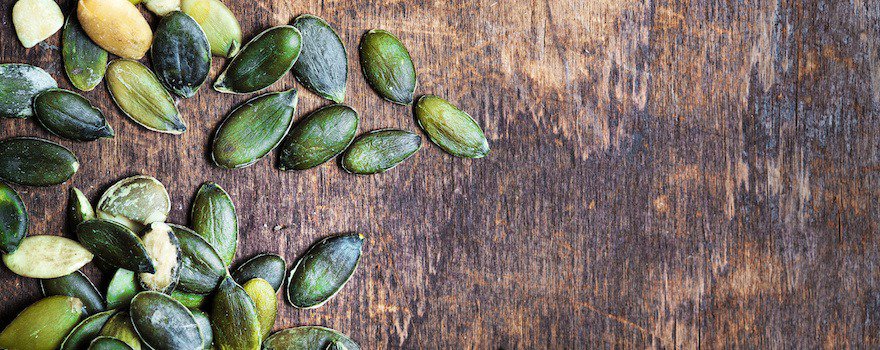
Pumpkin or squash seeds contain on average 8 mg of zinc per 100 g.
How to consume them : you can incorporate them into bread, cereal bars, veggie patties, muesli, soups… They can also be eaten as-is as a snack or as an appetizer.
10. Nori

nori is a red seaweed native to Japan.
Excellent source of vitamin B12, it also contributes to daily zinc requirements. It contains about 7 mg per 100 g.
How to consume: as dried or dehydrated leaves, it is used to make maki. You can also add it to your pasta, omelets, sauces…
