

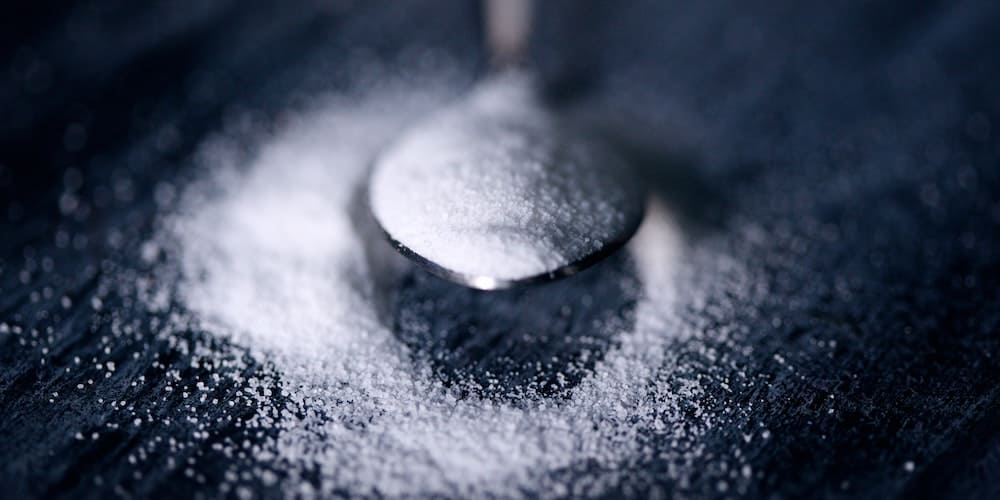
White sugar is a carbohydrate composed mainly of sucrose. Alternatives to white sugar have varying sweetening power and glycemic index. Their range of flavors can give a different taste to your recipes.
However, you should not overuse these substitutes and should consume them in moderation because they are still mostly made of sugars. Here are 5 alternatives to replace white sugar and customize your recipes. See after the list for everything about sugar, the glycemic index, and the risks associated with excessive consumption.
1. Stevia
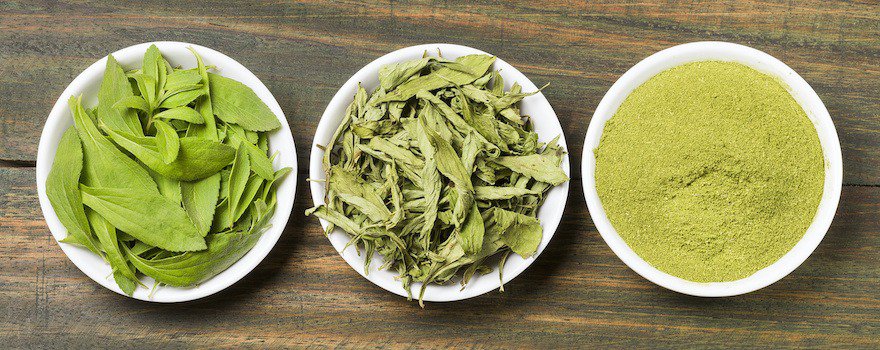
The stevia plant is related to chicory and comes from South America. Its leaves contain natural sweeteners. Its glycemic index is zero. It does not cause post-meal blood sugar spikes. Moreover, its sweetening power can be up to 300 times greater than sucrose. It is therefore recommended as a substitute for sugar.
How to use it: stevia is usually available in powdered form. It can be used in many preparations: muffins, pastries, dessert creams, layered desserts, etc. Its flavor is slightly aniseed. Stevia also comes in leaf form. An infusion of the leaves can be used to sweeten a fruit salad, for example.
2. Maple syrup
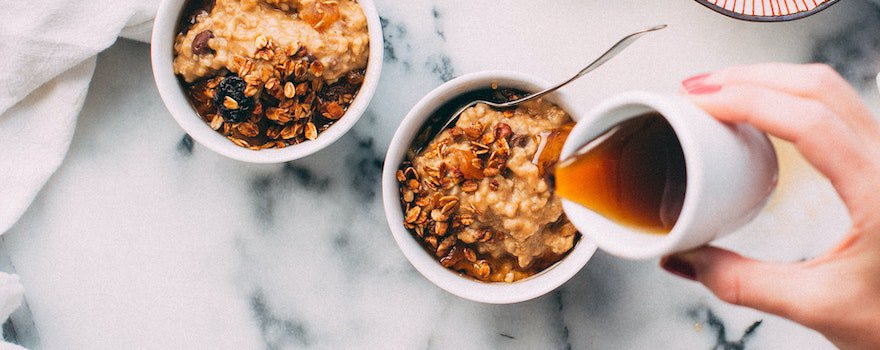
Maple syrup is typical of Canadian cuisine. It is often paired with pancakes! It is produced from heated maple sap. It contains minerals such as zinc and manganese. Its glycemic index is lower than that of table sugar. However, it contains a lot of sucrose.
How to enjoy it: its flavor can take on vanilla or herbal notes depending on its quality. Besides drizzling it over pancakes and crepes, this syrup can be used to make tarts, upside-down cakes, and cereal bars. In savory dishes like a vegetable wok or to deglaze meat pan juices.
3. Birch sugar
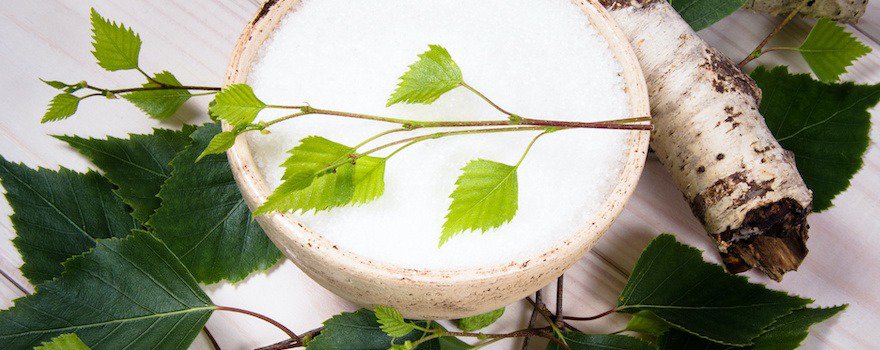
Ideal for replacing white sugar, birch sugar, also called xylitol, is a compound derived from birch bark that is very popular in Nordic countries. Its sweetening power and flavor are comparable to those of table sugar. Its taste is accompanied by a cooling sensation. It does not contain fructose and has half the calories of sucrose.
How to use it: xylitol extracted from birch can be found in most health food stores. It can be used to sweeten drinks, teas, infusions, or chai lattes, or in recipes for jam, pancakes, and other desserts.
4. Agave syrup
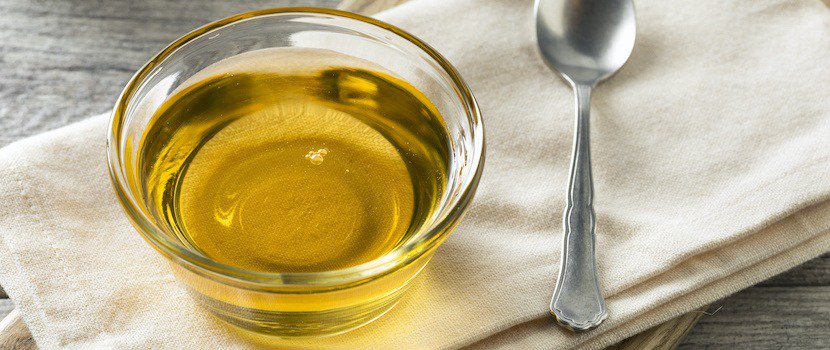
The agave is a plant that grows mainly in Central and South America. Agave syrup comes from the juice drawn from the heart of the plant. Its glycemic index is low (15). It may be of interest on medical advice for people with diabetes. The fructose it contains gives it good sweetening power.
How to use it: choose 100% agave syrups, organic and unrefined. Agave syrup has a neutral flavor. It can be used to sweeten dairy products, yogurts, kefirs made from milk. It can also be used in pastry recipes and puddings.
5. Honey
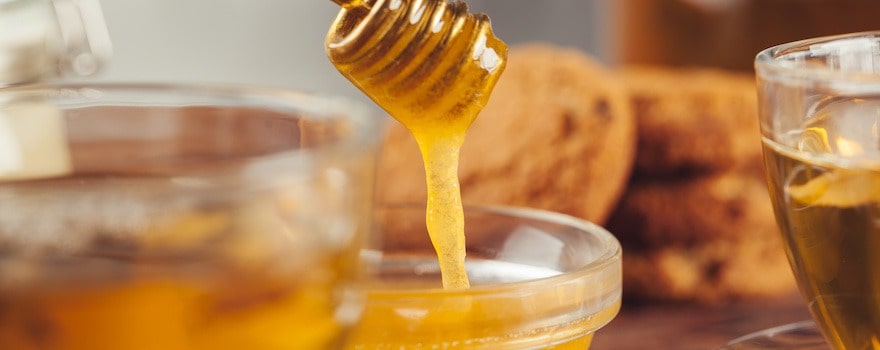
People have consumed honey for millennia for its many benefits. It is produced from the nectar of flowers that bees collect. The highest-quality honeys have antioxidant properties. Its sugar content is slightly lower than that of white sugar. It has a higher sweetening power and a lower glycemic index. A very healthy alternative to replace sugar!
How to use it: choose a 100% pure honey with no added syrup. You can find honeys with mild or strong flavors and a liquid or crystallized texture. There are many varieties of honey, such as fir honey and acacia honey. It can be used in a gingerbread, madeleines, on a fromage blanc or in a panna cotta.
What is sugar?
Sugar is part of carbohydrates. They are macronutrients like fats and proteins. They perform a number of important functions. For example, they provide an energy supply to the muscles as well as to the brain. They allow the formation of glycogen reserves stored in the liver and muscles, which, if necessary, will be converted into glucose.
White sugar or granulated sugar is mainly composed of sucrose. It is a type of sugar made up of two simple carbohydrates, fructose and glucose. Fructose is found in fruit, for example, but also in honey or agave syrup. It has a greater sweetening power than glucose.
The type of white sugar most consumed in France comes from the sugar beet. It is not purple like the one enjoyed in salads, but white! The beet roots are cut into pieces before being mixed with water. The mixture is then heated to evaporate the water and allow crystallization.
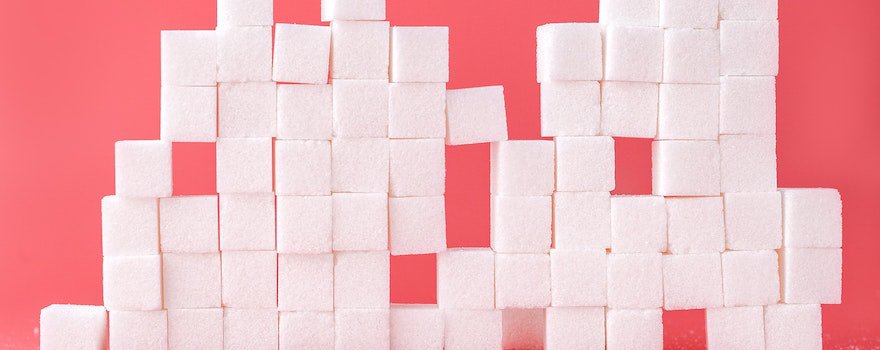
You can also produce white sugar from refined cane sugar. After crushing the sugarcane, the juice obtained is boiled to remove the water and obtain a concentrated syrup. When cane sugar is refined, that is, stripped of some of its components such as color pigments, its brown color lightens.
Quick reminder about the glycemic index
Nutritionists used to classify sugars into two categories: slow sugars and fast sugars. Simple sugars like sucrose or the fructose in fruit were placed in the fast sugars category. Complex sugars like the starch in potatoes belonged to the slow sugars category.
This theory is now considered outdated, since the type of carbohydrate does not influence its absorption rate or the glycemic peak. Milk, for example, is a source of simple carbohydrates (lactose), but its GI is low. Meanwhile, potatoes that contain starch (complex carbohydrate) have a high GI.
Now we use the glycemic index as a criterion for classifying carbohydrates. The GI is a food’s ability to raise blood sugar. It is compared to the power of glucose, which is set at 100. When it is high, it causes a rise in blood sugar levels. White bread and rice have a high glycemic index.
Excess sugar consumption: what are the risks?
The ANSES recommends limiting sugar consumption (sucrose, fructose, etc.) to 100 g per day, excluding lactose and galactose, the sugars present in dairy products. It also advises a maximum of one sugary drink per day (preferably a fruit juice). Almost ⅓ of French people exceed this recommended limit.
Sugar is an empty calorie because it contains only carbohydrates and no nutrients or minerals.
It is unexpectedly found in many foods. Learning to read labels is essential to monitor your intake, especially if you have conditions such as diabetes. Added sugars can be found in industrially prepared ready-made meals, for example, cold cuts and sandwich bread.
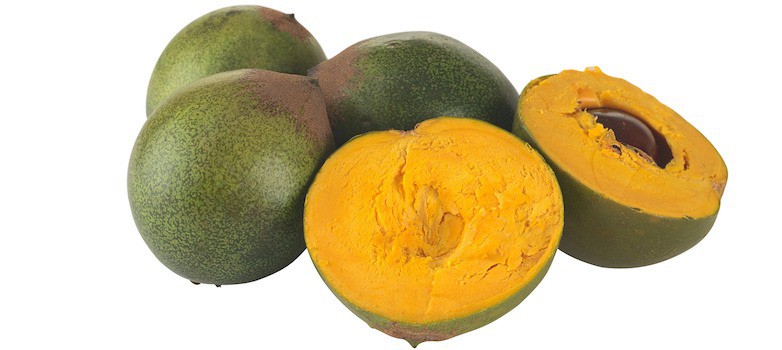
The WHO has defined the notion of free sugars. These are glucose, maltose, or fructose “added to foods and beverages by the manufacturer, the cook, or the consumer, as well as sugars naturally present in honey, syrups, fruit juices, and fruit juice concentrates”.
It considers that increased consumption of this type of sugar endangers nutritional balance. The risk of obesity increases, as does the risk of developing an NCD, “non-communicable disease”. NCDs include heart disease, stroke, diabetes, and cancer. Excess sugar is also one of the causes of tooth decay. That is why it is recommended to replace sugar.
