

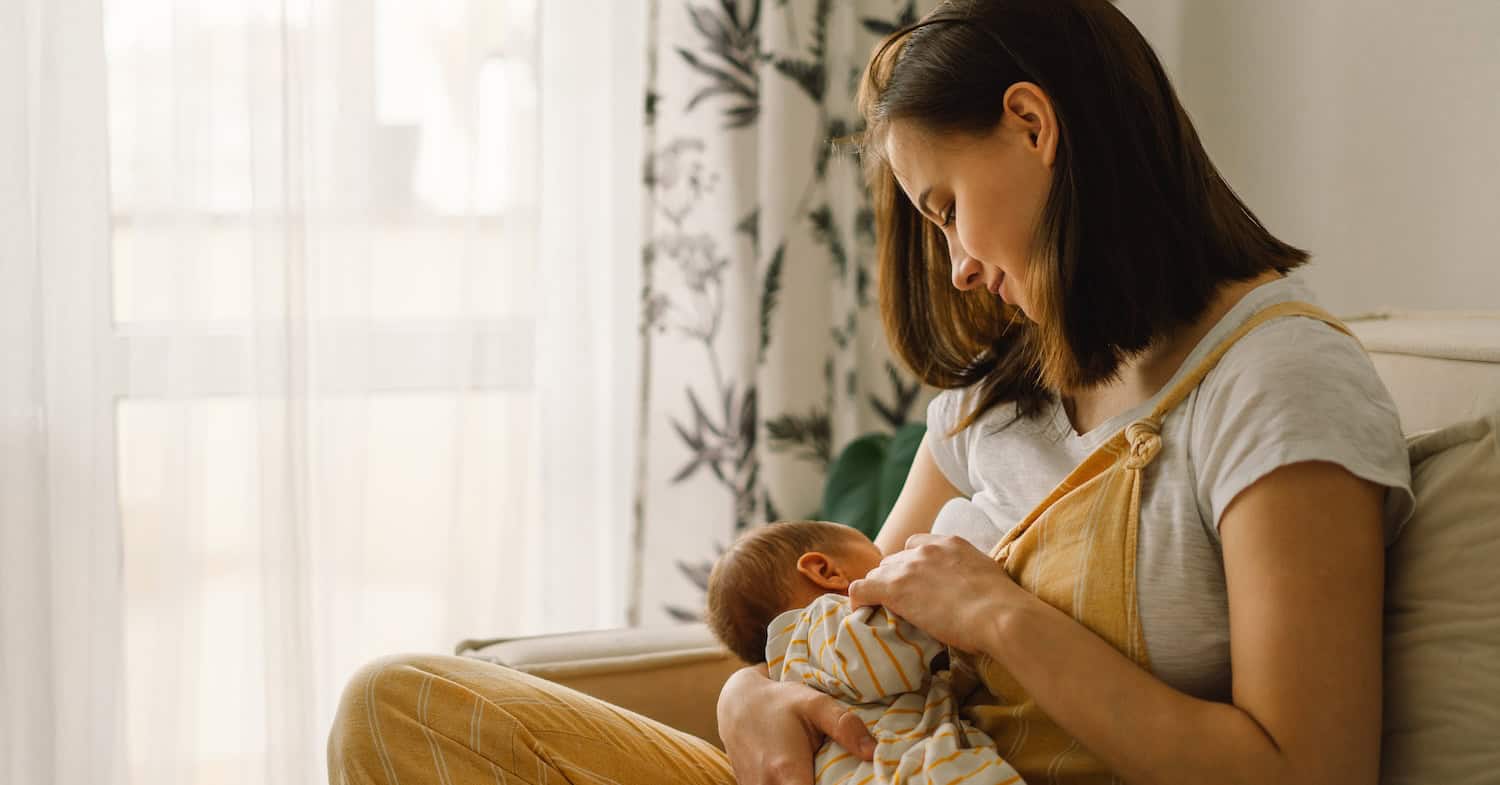
This is a common question from moms: we are not aiming for rapid weight loss! The body needs energy for recovery, and for milk production if applicable.
Currently in the postpartum period, I also found that my recovery was much better with a partner present, to make sure I was eating properly. Thanks to the longer paternity leave than 6 years ago, and the new birth leave!
A first practical tip. Don’t hesitate to plan ahead at the end of pregnancy and cook a few extra portions so you can freeze them for later. You can also ask for postpartum or family catering services through the baby registry!
Meal boxes to cook with balanced recipes and fresh ingredients can also save time and mental energy.
Main principles, essential foods, meal ideas… I’ll guide you step by step to eat as well as possible during your postpartum period.
📚 Read also | Product quality, nutrition, price… Our dietitian tested the best meal boxes
5 key principles of postpartum nutrition according to me
Even if pregnant women pay close attention to what they eat throughout pregnancy, nutrition remains important even after childbirth. The need for recovery is immense, whether you are breastfeeding your baby or not.
Moreover, despite the medical definition, the postpartum period lasts much longer than six weeks because less than half of women had fully recovered six months after birth according to this recent study.
Food therefore has its rightful place in the healing and physical recovery processes.
I like to talk about five key principles for eating after pregnancy:
- we try to eat and drink warm foods and beverages
- to consume enough protein
- to give pride of place to minerals
- we emphasize healthy fats
- we do not forget the pleasure of eating, which is essential when you’ve just brought a human being into the world!
Indeed, after pregnancy and childbirth, the mother’s entire digestive system has been thoroughly disrupted and needs to find its place again. Our energy is then focused on physical recovery (and lactation if applicable), and digestion happens more slowly.
We therefore favor dishes that are easier to digest, for better digestive comfort and to help fight constipation (very common, and often painful after giving birth). In my opinion, the ideal is to have an “autumn-style” diet: that is, based on well-cooked, simmered foods served hot.
🎧 Listen to our podcast | Happy Tummy & Baby
The essential foods I recommend during the postpartum period
Bone broth
In jars, homemade, or in liquid concentrate… Drunk hot, it is easy to digest and particularly helpful for immunity, the intestines, and recovery and healing.
My advice: one bowl of broth a day during the first month after birth!
Small fatty fish
I love sardines, mackerel, anchovies, herring. They are sources of protein, iodine, and healthy fats.
I choose them canned, preferably steamed. I try to eat them ideally twice a week.
Eggs
For eggs, I recommend the Bleu Blanc Cœur label if you can find it. They are rich in protein, choline, antioxidants, healthy fats… they are perfect, and great at breakfast too!
Cheese
No more restrictions after pregnancy, so let’s enjoy ourselves!
Cheeses are great sources of calcium, protein, fat, iodine… In addition, I find that it is convenient and filling as a snack when you are with your baby.
Fermented foods
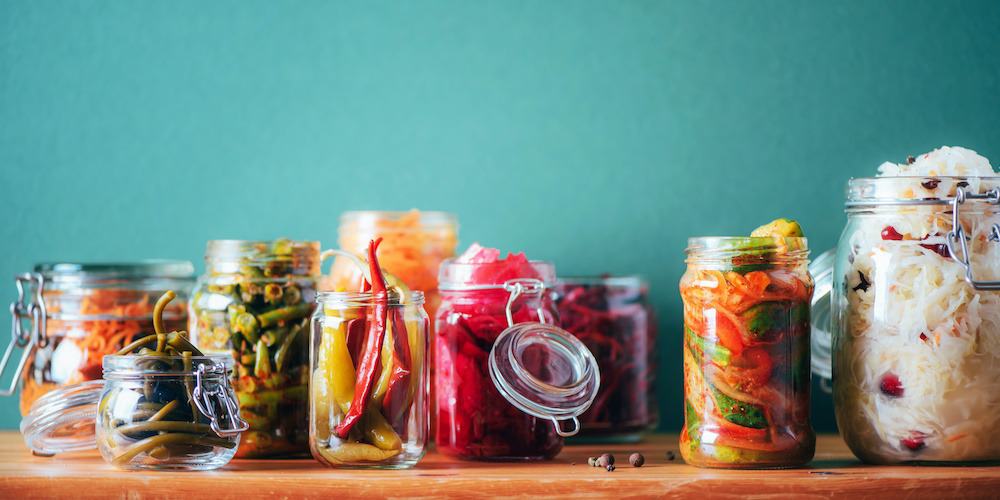
Lacto-fermented vegetables (sauerkraut, kimchi…), kombucha, kefir… to nurture your microbiome. This gut balance plays a significant role in immunity and digestion, two particularly sensitive topics during the postpartum period.
You can easily incorporate them into your daily routine: a few spoonfuls of raw sauerkraut as a side dish, a glass of kefir at breakfast, or a spoonful of kimchi in a bowl of rice.
🎧 Listen to our podcast | The Wonders of Kefir
Dried fruits
Dates (especially interesting late in pregnancy and postpartum), dried apricots… For an easy snack rich in energy and minerals. Dates provide iron and magnesium, two minerals that are often in short supply after childbirth, especially in cases of heavy blood loss.
Convenient to toss into a bag or keep near the couch during nursing sessions, they make it possible to snack without having to cook.
All of these foods are especially beneficial during this period, but also more generally. Don’t hesitate to use and overuse them!
My breakfast and snack ideas
Here are some examples of quick and convenient foods; of course, you can have several of them at once. Quick tip: you (or someone else) can prepare them ahead of time!
- Petit Suisse, fresh cheese, Greek yogurt + 1 spoonful of almond or peanut butter (unsweetened) or whole or sliced nuts
- 2 fried eggs + 1 slice of sourdough bread with butter
- Avocado toast with an egg
- Homemade energy balls or bars: they can be frozen and are ideal as a snack or if you don’t have time to eat (there are many recipes depending on your tastes)
- Smoothie (not ice-cold) enriched with protein or collagen powder
- Porridge with seeds and nuts
- A few squares of chocolate + 1 handful of blanched almonds and 1 handful of pumpkin seeds
- Chia pudding with fruit
- Berry muffins
- Hummus toast
My ideas for nourishing meals after childbirth
Even though, in theory, a woman can eat anything after giving birth, some dishes will be especially suited to postpartum needs, including:
- Complete soups with vegetables + starches (barley, quinoa, legumes…)
- Lentil dhal
- Meat lasagna
- Beef stew
- Chicken curry and basmati rice
- Rice porridge (congee)
- In general, any long-simmered dish cooked over low heat and containing meat or fish with vegetables and starches is a complete dish and suitable for this period.
As I already mentioned, this period is not conducive to restriction. Eat until you’re satisfied and increase snacks if needed!
What should I drink postpartum?
After pregnancy, staying hydrated is just as important. It does not have much, if any, effect on breast milk production, but it really helps improve overall well-being, reduces fatigue and the risk of urinary tract infections and constipation (I’ll repeat it: constipation is common and painful during the postpartum period).
Right after birth, and ideally during the month that follows, I recommend that my patients avoid ice-cold drinks and prefer hot beverages or drinks at room temperature.
Here are a few ideas for drinks suitable for optimizing hydration :
- broth, homemade, in a jar or in liquid concentrate form (bone broth or fish stock, miso soup…)
- herbal teas, but be careful about plants to avoid while breastfeeding! You can safely consume nettle, raspberry leaf, horsetail, verbena, lemon balm…
- soups as a starter or as a meal
- smoothies left to warm to room temperature (with water, coconut milk, fresh or frozen fruit, peanut butter…)
- golden milk: a traditional plant-based drink made with turmeric.
I also recommend avoiding or limiting coffee during the month after birth because newborns are more sensitive to it when breastfeeding, and mothers’ hormonal and nervous systems are more fragile.
As I am myself in the midst of the postpartum period, every day I realize how much eating well is what allows me to keep going, physically and mentally, to take care of myself and my baby. So don’t hesitate to give yourself that same kindness.
Sources and scientific studies
Frijmersum ZZ, van der Meij E, de Leeuw RA, Anema JR, Huirne JAF, Bakker PCAM. 2025. Assessment of recovery after childbirth; a cross-sectional study
