

A true medical revolution, antibiotics marked a turning point in the fight against infectious diseases. However, taking antibiotic medications can lead to significant side effects and contribute to worrying antibiotic resistance.
Numerous studies have been conducted to highlight the antibacterial properties of natural substances. A natural antibiotic does exist! Here we present 10 of them. Read on after the list to fully understand how antibiotics work.
N.B: even though they are natural, these substances should be used with caution, paying attention to drug interactions. Never stop an antibiotic treatment prescribed by a doctor.
Garlic

It’s the quintessential natural antibiotic! This bulb, widely used in cooking, contains many benefits. It is notably prebiotic, antioxidant and antibacterial! In the Middle Ages, it was reportedly used to fight the plague. This study suggests its effect on reducing populations of Salmonella, Escherichia coli and Listeria. Its use is also studied in the context of treating multidrug-resistant tuberculosis. Ajoene, a sulfur-containing compound in garlic, presents antibacterial properties that, according to this study, would help reduce chronic infections.
How to consume it: you can chew one to two cloves of garlic per day in case of respiratory tract infections. Garlic can also be consumed as an infusion or decoction. For skin infections such as warts, some stores sell creams based on ajoene. It is also available in powder, capsule or oil form.
Manuka honey
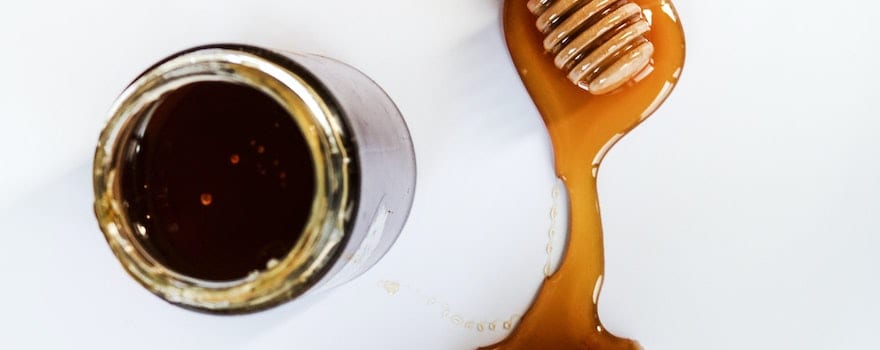
It is a dark honey with a particularly strong flavor. Its name comes from the tree on which it grows in New Zealand. It is particularly concentrated in methylglyoxal, a powerful antibacterial substance. The UMF index, “Unique Manuka Factor,” measures its antibacterial effect and its methylglyoxal content. This study suggests its effect on multidrug-resistant infections. It is also used to relieve acne symptoms.
How to consume it: prefer honeys with a fairly high UMF index. For acne treatment you can apply it as a thin mask on the face. You can also enjoy one to two spoonfuls a day to fight ENT infections such as tonsillitis. A great way to enjoy its delicious caramelized taste!
Neem or margosa tree
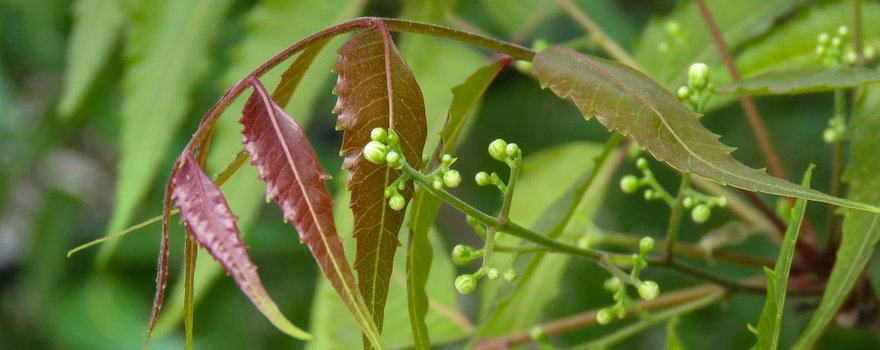
Neem is a tree native to India. It is one of the flagship plants of Ayurvedic medicine. Its antibacterial action is thought to be due to nimbidin, a compound extracted from its seeds, as this study explains. This other study presents its beneficial effect on bacteria such as Escherichia coli and Salmonella. It should be used with caution to avoid any toxicity or hazards.
How to use it : A concentrated organic oil is preferred. It is generally used in oil form to relieve skin problems such as acne or fungal infections. It will help soothe infections while softening the skin. On acne spots, it can be used in combination with clay.
Tea tree
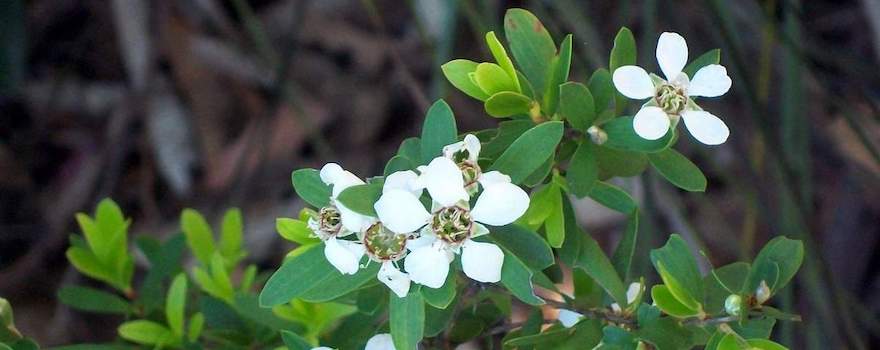
The tea tree is native to Australia. An oil is extracted from it that was used for centuries by Aboriginal people. It has been brought back into the spotlight because of the growing problem of antibiotic resistance today. Its essential oil is one of the stars of aromatherapy; it is used to relieve many infections! This study, as well as this other study, analyze its antibacterial properties.
How to consume it: to soothe acne or eczema, it is recommended to dilute the essential oil of tea tree in a vegetable oil. In case of tonsillitis, you can gargle. To fight digestive disorders such as parasitic infections, it can be ingested. Consult a healthcare practitioner in any case for supervised use!
Ginger

Here’s an excellent natural antibiotic. The ginger is a rhizome native to India. It is one of the pillars of traditional Indian medicine. Its antibacterial action would notably be due, according to this study, to its volatile compounds such as borneol or camphene. They would have activity against a wide spectrum of bacteria including the Salmonella and Escherichia coli.
How to consume it: ginger can be consumed as a decoction or as an infusion. It is also available in the form of juice and as a powder. The essential oil of ginger helps treat ailments such as sinusitis or bronchitis.
Echinacea

This is a pretty plant with pink petals. It is originally found in the plains of North America, where Native Americans used it to treat many ailments. Consumed preventively, it may boost the immune system and help the body fight bacterial attacks! This study examined the action of Echinacea purpurea extract on a wide variety of bacteria, including Legionella pneumophila.
How to take it: It is fairly easy to find in capsules or tablets. You can also drink it as an herbal tea using its roots, leaves, or flowers. In case of infections, it is recommended to take it as a course of treatment.
Goldenseal
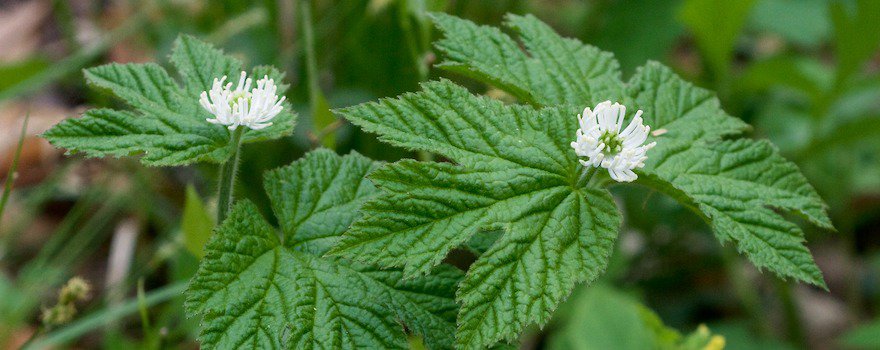
This is an American plant whose wild form is endangered. In Canada, for example, the roots and rhizomes of this plant must come from a cultivated source to be processed. Several studies have demonstrated the broad-spectrum antibiotic effects of this plant against bacteria and fungi. Berberine is the compound in this plant believed to confer its valuable properties.
How to take it: Generally used internally, its root is ground and available in capsules. It can be used for bronchitis or urinary tract infections. It is also available as a tincture, which can be used as a gargle or to relieve ENT infections.
Turmeric
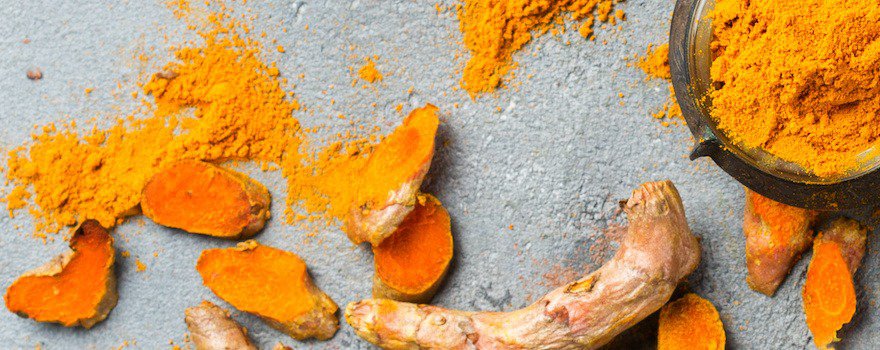
Native to India, the turmeric is part of the same family as ginger. This spice is widely used in cooking to give many dishes a mild flavor and a remarkable color. But it is also used externally on the skin to take advantage of its antibacterial properties. This study shows its action on a type of methicillin-resistant Staphylococcus.
Also read Our tips for buying turmeric capsules
How to consume it: There is turmeric essential oil that can be applied to the skin by diluting it in a vegetable oil. It can relieve acne or a skin fungal infection, for example. In case of gingivitis, you can make a homemade mouthwash with turmeric powder.
Royal jelly
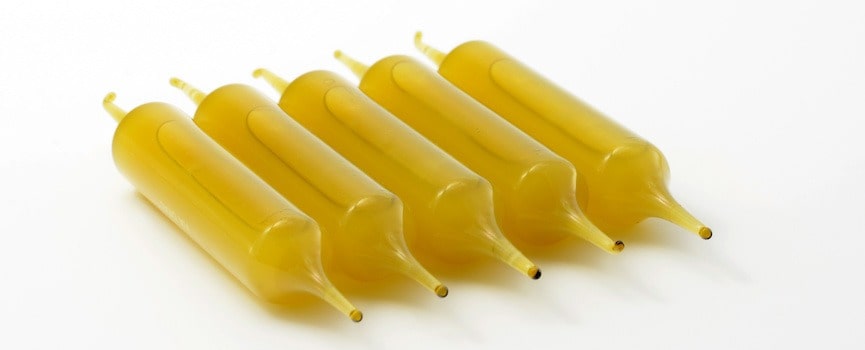
Royal jelly is a milky substance secreted by bees to feed the hive’s prestigious residents (the queen and the larvae). It is particularly recommended to strengthen the immune system to protect the body from attacks by viruses and bacteria! This is thanks to the action of fatty acids and proteins such as Major Royal Jelly Proteins. This study highlighted the antibacterial action of various compounds in this jelly. It is a recognized natural antibiotic.
How to consume it : you can taste spoonfuls to enjoy its slightly tangy flavor and its antibacterial properties. You can also apply it externally to fight acne, for example. For greater effectiveness, it can be taken as a treatment; it is generally available in ampoule form.
Cloves
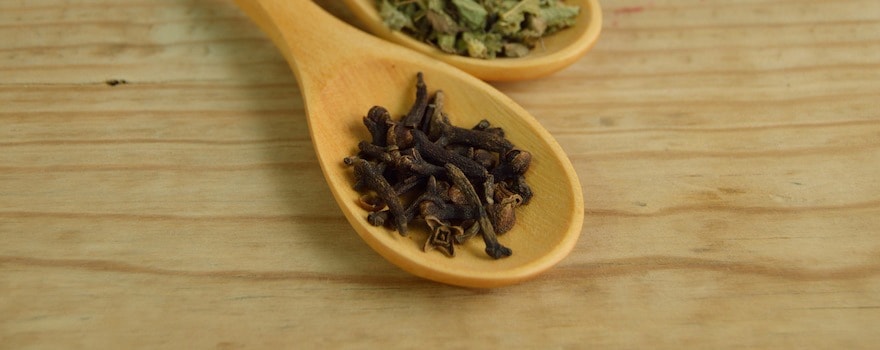
Cloves are the flower buds of a tree native to Indonesia. They contain eugenol which has antibacterial and antifungal properties. This study presents their action on many types of bacteria. This other study demonstrated effectiveness in reducing bacterial activity of a mouthwash made from these cloves, tea tree, and basil.
How to consume it : clove is mainly used in the form of an essential oil. It can be used diluted in a vegetable oil in case of a urinary or respiratory infection. It can also be consumed as an infusion or decoction.
Antibiotics: substances derived from natural sources
Bacteria, targets of antibiotic action
A bacterium is a microscopic living organism; on average its diameter is fifty times thinner than that of a hair! They were the first terrestrial living organisms! Skin, mouth, intestine, vagina… Microorganisms colonize all these parts of the human body.
Living alongside these germs is fortunately often peaceful and harmless. In the intestine, for example, bifidobacteria act in a beneficial way, strengthening the immune system and protecting the intestinal barrier.
They are also ubiquitous in our environment, this study reveals the massive presence of bacillus- or staphylococcus-type bacteria on computer keyboards! But some bacteria can enter the body and be the cause of bacterial infections such as tuberculosis or Lyme disease.
Their danger is increased by the fact that they can multiply at breakneck speed! When the immune system fails to fight a bacterial infection, antibiotics are often used.
The recent discovery of antibiotics
When we say ‘antibiotic’ we often think of synthetic substances used in modern medicine, yet antibiotics stem from natural substances!
An antibiotic, from the Greek “anti”, meaning against, and “biotikos”, relating to life, is a substance that allows the elimination or reduction of a population of bacteria. Antibiotics have no effect on viruses or fungi. They will therefore, for example, be useless and ineffective for treating a viral sore throat.
And yes, we all have that striking slogan in mind “antibiotics aren’t automatic”. The commonly used antibiotics are produced from molecules naturally synthesized by microorganisms. Others are designed to be 100% synthetic.
Penicillin, which comes from the molds of a fungus, is considered the first among them. It was widely used during the Second World War to curb infections of combatants’ wounds such as gangrene!
From a medical revolution to the issue of antibiotic resistance
The discovery of antibiotics has helped to lengthen human life expectancy, with the near-elimination of infectious diseases such as tuberculosis or cholera. They are widely used to overcome bacterial infections such as tonsillitis or urinary tract infections.
However, their widespread use has led to forms of bacterial resistance. In practical terms, the bacteria that survive an antibiotic treatment will be those best equipped to defend themselves against the substance, which can make drug treatments less effective! The antibiotic resistance is considered by the WHO to be a major scourge of the 21st century.
Moreover, prescribed antibiotics do not distinguish between harmful, pathogenic bacteria and harmless, beneficial bacteria. It is generally advisable to consume probiotics and prebiotics during an antibiotic treatment. Prebiotics will help mitigate the damage antibiotics cause to the intestinal flora, and probiotics will act as fuel to strengthen their beneficial effect.
Natural antibiotics, proven antibacterial action
A natural antibiotic contains substances with proven antibacterial effectiveness. One advantage of a natural antibiotic over conventional forms is that it causes fewer side effects. It also reduces the risk of allergies because the body sometimes treats conventional antibiotics as dangerous enemies to be neutralized.
Some natural antibiotics like garlic offer promising prospects in the fight against multidrug-resistant bacteria! They can help combat certain types of bacteria while boosting our immune system. However, these are substances to be handled with caution due to potential interactions with medications.
