

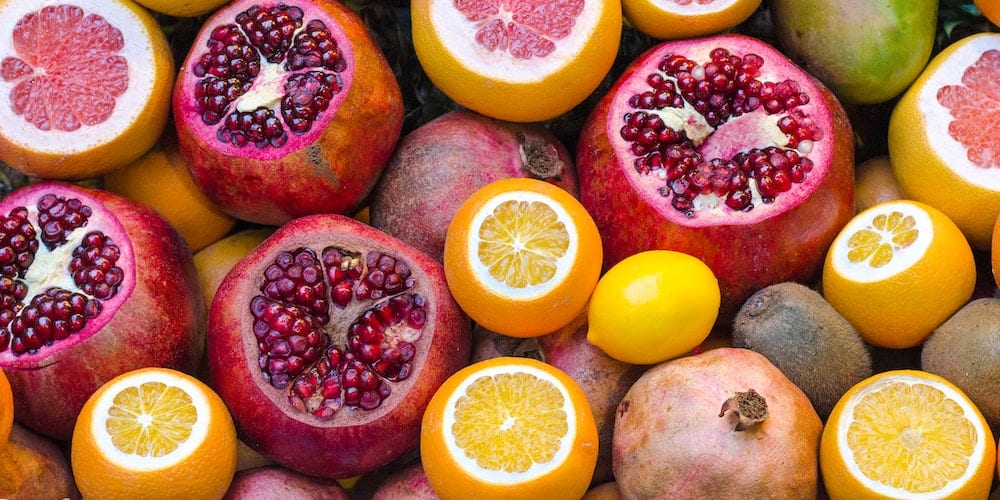
Top 8 foods richest in vitamin C
Also called ascorbic acid, vitamin C performs multiple functions, such as the strengthening of the immune system, wound healing, and antioxidant effects. It is an organic compound that the body cannot synthesize.
Also read the Everything you need to know before buying vitamin C
Good news! Ensuring your daily vitamin C intake is easy. Sometimes you just need to eat certain fruits or vegetables during the day to reach that goal. Here are the 8 foods naturally high in vitamin C.
Camu camu
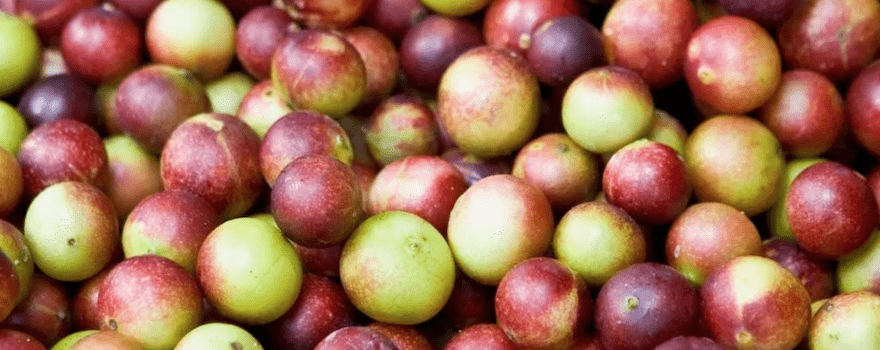
The camu camu, a small acidic fruit native to the Amazon, stands out for its exceptional vitamin C content. Indeed, it contains 16 times more than the orange and 20 times more than the kiwi! It contains about 10 g per 100 g.
Recipe idea: because fresh fruits have a bitter taste, camu camu is most often consumed as a juice or powder (to mix into a smoothie, yogurt, milkshake…). It can also be used as a substitute for lemon because it is acidic.
Rosehip

The rose hip is the fruit of the sweet briar, also called the ‘wild rose’, and belongs to the Rosaceae family. It is a common shrub in our regions. It contains an exceptional amount of vitamin C: between 300 and 1300 mg per 100 g. Thus, it far surpasses citrus fruits or blackcurrant. This vitamin C is mainly concentrated in the fruit pulp.
Recipe ideas: Fresh or dried berries can also be prepared as syrup, decoction, herbal tea or infusion. You can extract the pulp and run it through a mill or blender. Add your rose hip preparation to soups, creams, sauces… Powders are also available, very convenient to use (smoothie, yogurt, fruit salad…).
Blackcurrant
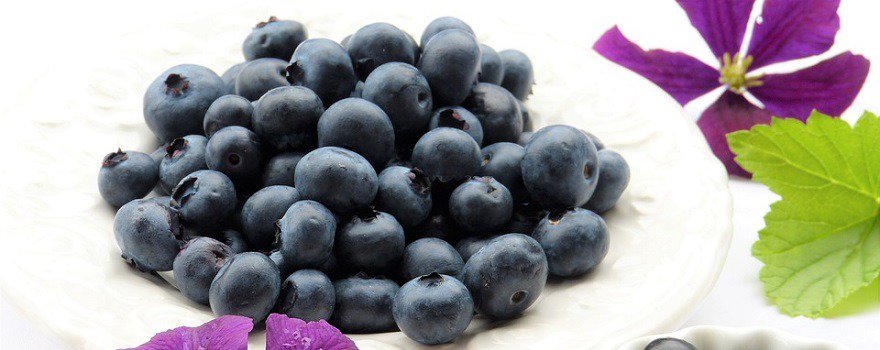
Contrary to popular belief, citrus fruits are not the foods highest in vitamin C. Blackcurrant contains 4 times as much as an orange, that is 200 mg per 100 g of fruit.
Recipe idea: Blackcurrant is ideal for making homemade desserts, such as cakes, tarts, compotes, smoothies, or reduced-sugar jams.
Parsley
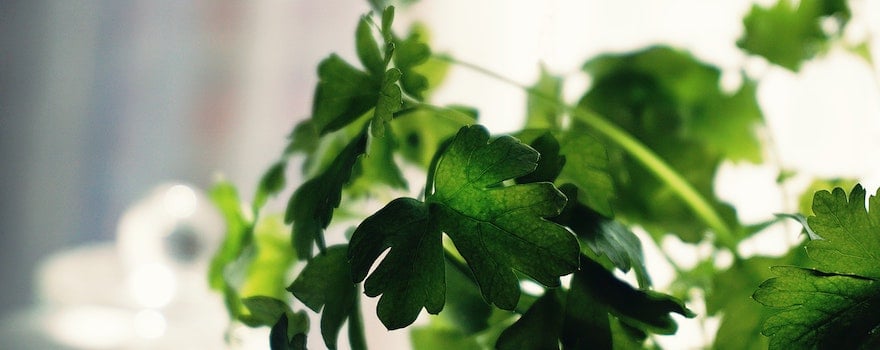
Parsley is an aromatic herb that generally accompanies our fish or vegetable dishes. It contains 190 mg of vitamin C per 100 g. That’s a significant amount! Even though it’s not a staple ingredient, it can be added to the menu depending on the dish.
Recipe ideas: Don’t hesitate to cook your dishes with parsley, which goes very well with grilled fish, for example. You can also make a Lebanese tabbouleh with it. Prefer fresh organic parsley bought at the market.
Citrus fruits
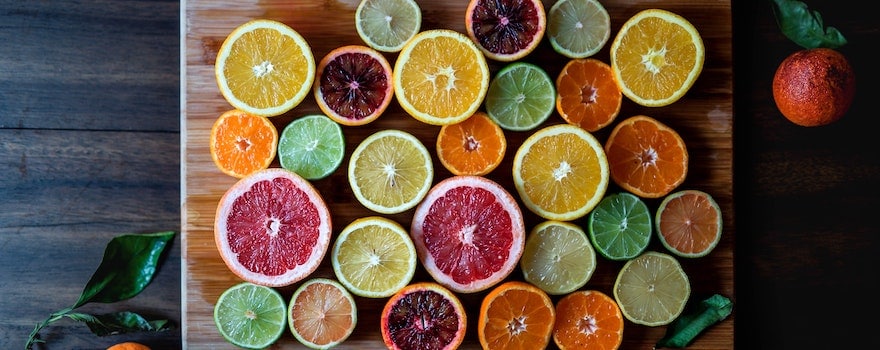
Lemon, oranges, and grapefruits are known for their vitamin C content. An orange, for example, contains 53 mg of vitamin C per 100 g. Eating an orange during the day almost meets our daily needs. As for the lemon, the vitamin C content is higher in its peel. 100 g of lemon zest contains 130 mg.
Recipe ideas: Many detox regimens recommend drinking a glass of water containing the juice of half a lemon each morning. An ideal way to start the day and boost your vitamin C intake. You can also drink the fresh juice of several oranges or grapefruit at breakfast. Prepare it yourself with a citrus juicer. Eating an orange as a dessert at lunch is also an ideal solution (avoid at dinner, as vitamin C tends to stimulate the body and does not promote falling asleep).
Yellow and green bell peppers
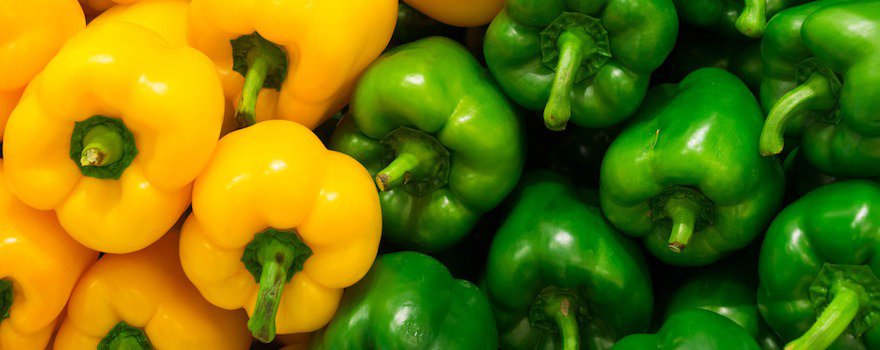
Great for your health, bell peppers are vegetables with multiple nutritional benefits. Low in calories, they contain vitamins and nutrients essential for health. They are a good source of vitamin C (120 mg per 100 g of raw vegetables).
Recipe ideas: Sliced into strips, they can enhance salads and are perfect for original sandwiches. Cooked, they form the base of dishes such as ratatouille or stuffed peppers. Choose fresh, organic peppers to make the most of this vegetable’s benefits.
Cruciferous vegetables
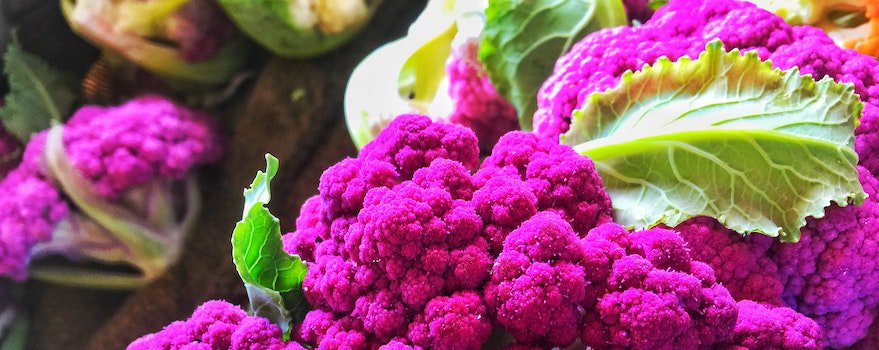
Cruciferous vegetables include cabbages (green, red, Brussels sprouts, cauliflower…) and broccoli. We really like kale and its antioxidant properties. These foods are also low in calories, full of vitamins, and good for your health. They contain a significant amount of vitamin C:
- 89 mg/ 100 g pour les brocolis
- 120 mg/ 100 g pour le chou vert frisé
- 60 mg pour 100 g pour le chou de Bruxelles cuit
Recipe ideas: When eaten steamed or boiled as a side to meats or fish, at lunch or dinner, cruciferous vegetables help create light meals. To avoid cravings, it’s best to add a portion of starchy foods (brown rice, potatoes, whole-grain pasta) to your meals.
Pomegranate
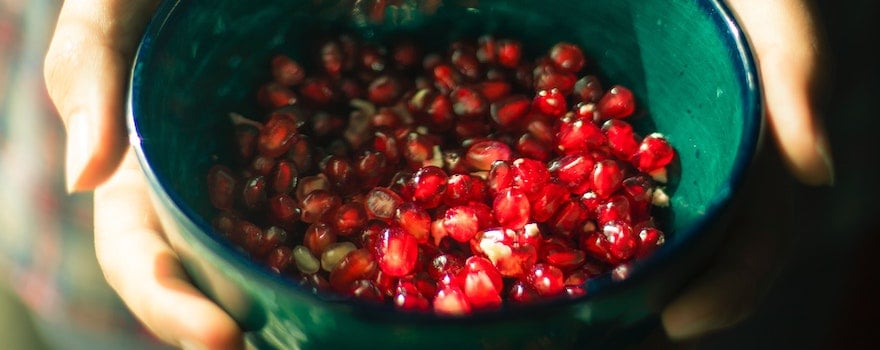
The pomegranate is a delicious fruit native to the Mediterranean regions. Shaped like an apple, each fruit contains up to 400 seeds, which are very rich in vitamin C and other antioxidants. It contains 20 mg per 100 g of fruit. It is known to boost immunity and fight damage from free radicals.
Recipe ideas: Once peeled, use pomegranate seeds in your savory and sweet dishes. Excellent in savory salads with fresh vegetables, fresh cheese, or to complete and brighten a fruit salad. You can also find juice (make sure it is pure), and dried seeds to blend into a smoothie, for example.
What is vitamin C?
Scurvy, a disease caused by a vitamin C deficiency, once affected sailors during long sea voyages. The condition caused bleeding gums, edema, and then death.
In the 18th century, James Lind discovered that lemon juice helped limit the onset of scurvy. Vitamin C, for its part, was isolated in 1928 (some sources specify 1931) by Albert Szent-Györgyi – Nobel Prize in Medicine and Physics in 1937. The name ascorbic acid is derived from the term scurvy.
Performing multiple functions, such as strengthening the immune system, wound healing, or antioxidant effects, vitamin C is an organic compound that the body cannot synthesize.

Its intake is therefore mainly dietary. It is absorbed when it reaches the small intestine. It is stored in the brain, in the adrenal glands, and also in the lens of the eye. Excess ascorbic acid is excreted by the body via the urine.
Benefits of vitamin C
Recognized as a vitamin associated with energy, vitamin C performs several functions in the body, such as:
- La dynamisation du système immunitaire. Au cours de la période hivernale, il est généralement conseillé de consommer des aliments riches en vitamine C, afin de renforcer son système immunitaire. La prise de la vitamine en compléments alimentaires permet de lutter contre les rhumes, infections et autres maux de l’hiver.
- Exercer des effets antioxydants : la vitamine C favorise la lutte contre l’installation des radicaux libres, éléments qui accélèrent le vieillissement cutané et celui des tissus. Elle a donc des effets anti-âge.
- L’amélioration de l’absorption du fer au niveau intestinal
- La cicatrisation des plaies et des fractures, en assurant la synthèse de collagène. Elle participe également à la fabrication de tissus tels que le tissu osseux, la peau, les ligaments.
- L’aide à la perte de poids, en agissant sur le maintien de la glycémie (taux de sucre sanguin) et en favorisant l’oxydation des graisses lors des exercices physiques.
- Le maintien de l’élasticité et la vitalité des vaisseaux sanguins. Elle améliore la circulation sanguine en limitant le rétrécissement du calibre des vaisseaux sanguins. A ce titre, elle permet de prévenir l’hypertension et certaines maladies cardio-vasculaires.
- L’amélioration de l’humeur et de la vitalité. Des études ont démontré que cette vitamine aurait des effets positifs contre le stress et l’anxiété.
Adopting a diet that ensures sufficient vitamin C intake therefore has beneficial effects on health.
Symptoms of vitamin C deficiency
Severe vitamin C deficiencies are the cause of scurvy. This disease has almost disappeared in Western countries, but it still occurs in some developing countries. The symptoms of deficiency are as follows:
- Un ralentissement de la cicatrisation
- L‘apparition de petits hématomes (du fait de la fragilisation des petits vaisseaux sanguins)
- L’apparition de saignements légers (au niveau des dents et du nez)
- Une sécheresse cutanée
- L’apparition d’infections diverses (grippe, rhume…)
- Une anémie (liée à une diminution de l’absorption du fer)
- Un état de fatigue
- Des troubles de l’humeur
- Des douleurs musculaires ou articulaires
What are the recommended daily intakes of vitamin C?
The required vitamin C intakes can be easily met through a balanced diet of fruits and vegetables.
Daily needs vary depending on the group. They are higher in immunocompromised people (whose immune system is weakened), in pregnant women, smokers, and athletes:
- Bébés âgés de 0 à un an : 35 mg/jour
- Enfants âgés de un à 3 ans : 35 à 40 mg/jour
- Enfants âgés de 4 à 12 ans : 40 à 60 mg/jour
- A partir de 13 ans : 60 à 100 mg/jour
- Femmes enceintes et qui allaitent : 80 à 100 mg/jour
- Fumeurs : > 120 mg/jour
- Sportifs : 125 mg/jour
It is important to pay attention to your specific vitamin C needs to ensure adequate intake and avoid deficiencies.
Dangers, side effects, and overdoses of vitamin C
Vitamin C overdoses require very high doses that cannot be reached through diet alone. In addition, the body has an autonomous regulatory system.
Indeed, when it absorbs too much vitamin C, the excess that can no longer be absorbed by the intestine is eliminated in the urine and also in the stool. This explains why some people experience episodes of diarrhea when they consume too much.
The body self-regulates its reserves of ascorbic acid to supply the nutrient according to its needs. Adverse effects are mainly due to possible deficiencies.
Therefore, it is essential to watch for associated signs and ensure adequate nutritional intake.
