

My summary review
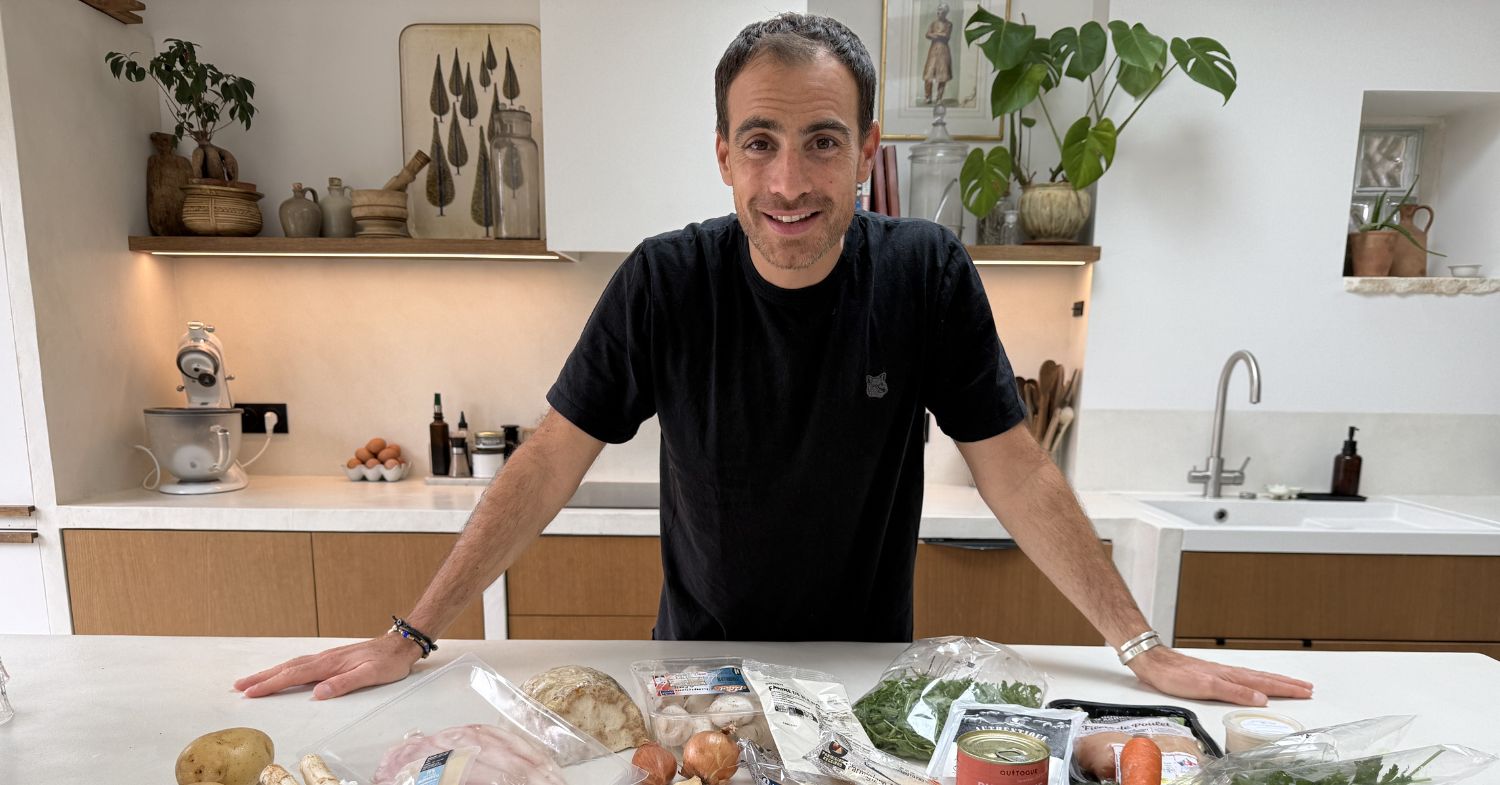
After one week of testing, I found that Quitoque offered an excellent experience. The brand focuses on fresh ingredients, varied recipes, and easy everyday cooking.
I was impressed by the emphasis placed on vegetables, the traceability of the ingredients, and the variety of dishes offered. Its price is attractive considering the quality provided.
In my opinion, Quitoque is a meal box suited to people who want to cook more with seasonal, well-sourced ingredients while keeping an eye on their budget.
Quitoque: 4.28/5
Nutrition: ★★★★☆ 4,25
Ingredients: ★★★★☆ 3,75
Price: ★★★★☆ 4,25
Experience: ★★★★★ 4,75
Environment: ★★★★☆ 4
Customer service: ★★★★★ 5
Pros
- Balanced recipes rich in vegetables most of the time
- Original and tasty flavors
- Fresh, high-quality products
- Recipes accessible even to beginners
- Preparation times are well respected
- Very good customer service
- Wide choice of recipes every week
- Many quality labels on the products
Cons
- A lot of plastic packaging
- Supplier information sometimes limited
- Prices slightly higher than average
- Recipes sometimes a little too light
- Few organic fruits and vegetables offered
Quitoque
Created in 2014, Quitoque is one of the leading French brands of meal kits to cook at home. The concept is based on weekly delivery of pre-portioned fresh ingredients along with detailed recipe cards to make everyday cooking easier while reducing food waste.
After several meal-kit tests, I found that Quitoque had a slightly different positioning from some competing brands. Where some platforms focus mainly on very indulgent, very quick recipes, Quitoque emphasizes more balanced everyday cooking, closer to homemade meals and more focused on ingredient quality.
The brand communicates in particular around:
- French products;
- seasonality;
- ingredient sourcing;
- and the overall balance of the recipes.
I also found that the experience felt more like “real everyday grocery shopping” than just a classic meal kit. Quitoque also offers a fairly broad selection with, in addition to recipes, grocery items, desserts, fruits, and even breakfast options.
Quitoque meets the expectations of people who want to cook more with fresh, well-sourced ingredients.
Methodology
To get a concrete opinion, I tested Quitoque for a week with a box for 2 people containing 4 different recipes.
I deliberately chose a variety of dishes:
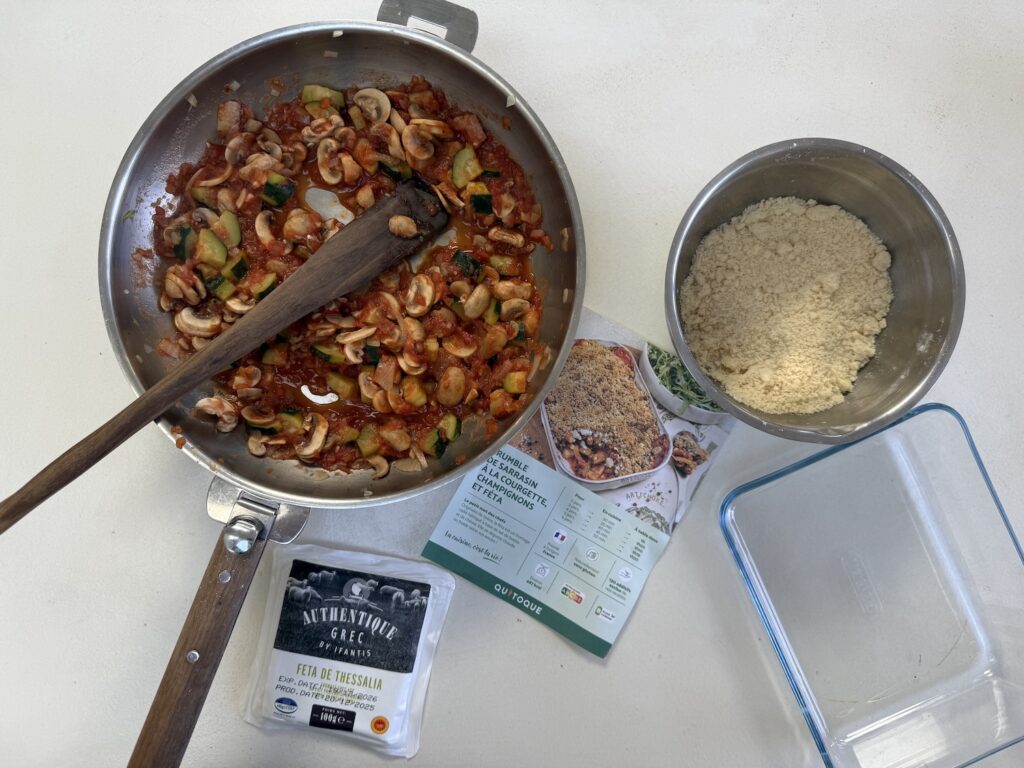
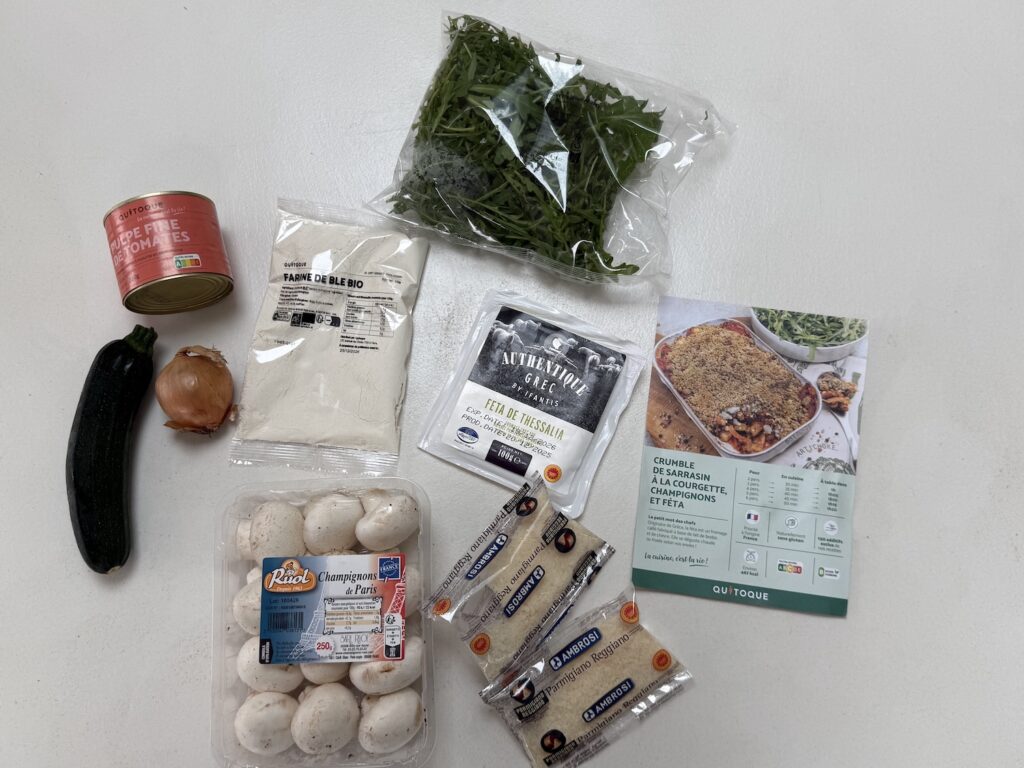
- a vegetarian recipe: buckwheat crumble with zucchini, mushrooms, and feta;
- a fish-based recipe: hake fillet, celery root purée with smoked salt and apple-dill-coconut relish;
- a chicken-based recipe: chicken with cream and porcini mushrooms;
- a pork-based recipe: pork chop with bigarade sauce and roasted asparagus.
The goal was to test Quitoque in “real life,” with ordinary days, limited time, evening tiredness… in short, in conditions close to those of most people who use this type of service.
To evaluate the brand, I first focused on the nutritional quality of the recipes. As a dietitian-nutritionist, I wanted to see whether the dishes were truly balanced on a daily basis, with enough protein, vegetables, and a good overall balance of carbohydrates, fats, and fiber. I also looked at the possible presence of processed products and additives.
I also looked at the quality of the ingredients and sourcing. I checked the freshness of the products upon delivery, the condition of the vegetables, the origin of the meats, as well as the brand’s level of transparency regarding the provenance of the ingredients.
Price was also one of the key criteria in the test. I evaluated the actual cost of the service, taking into account the price of meals, any delivery fees, and the flexibility offered. The higher the price, the lower the score for this aspect.
I also evaluated the cooking experience and the practicality of the recipes: clarity of the recipe cards, actual preparation time, simplicity of the steps, enjoyment of cooking, and the final taste of the dishes.
Environmental impact was another essential point. Pre-portioned servings clearly help reduce food waste, but they also generate a lot of packaging. I therefore looked at the amount of packaging used, the seasonality of the products, as well as the environmental commitments highlighted by the brand.
Finally, I took into account the overall user experience: app quality, order management, delivery tracking, ease of pausing the subscription, and customer service responsiveness. Because in the end, a meal box is not just about the recipes, but about the entire experience that goes with it.
Each dimension received a score out of 10.
I calculated a weighted average of the 6 dimensions and then converted the result to a score out of 5. Since not all criteria had the same importance, nutritional quality and price were given greater weight.
Weighting used:
- Nutritional quality: 25%
- Ingredient sourcing and quality: 20%
- Price: 25%
- Cooking experience: 20%
- Environmental impact: 5%
- Customer service: 5%
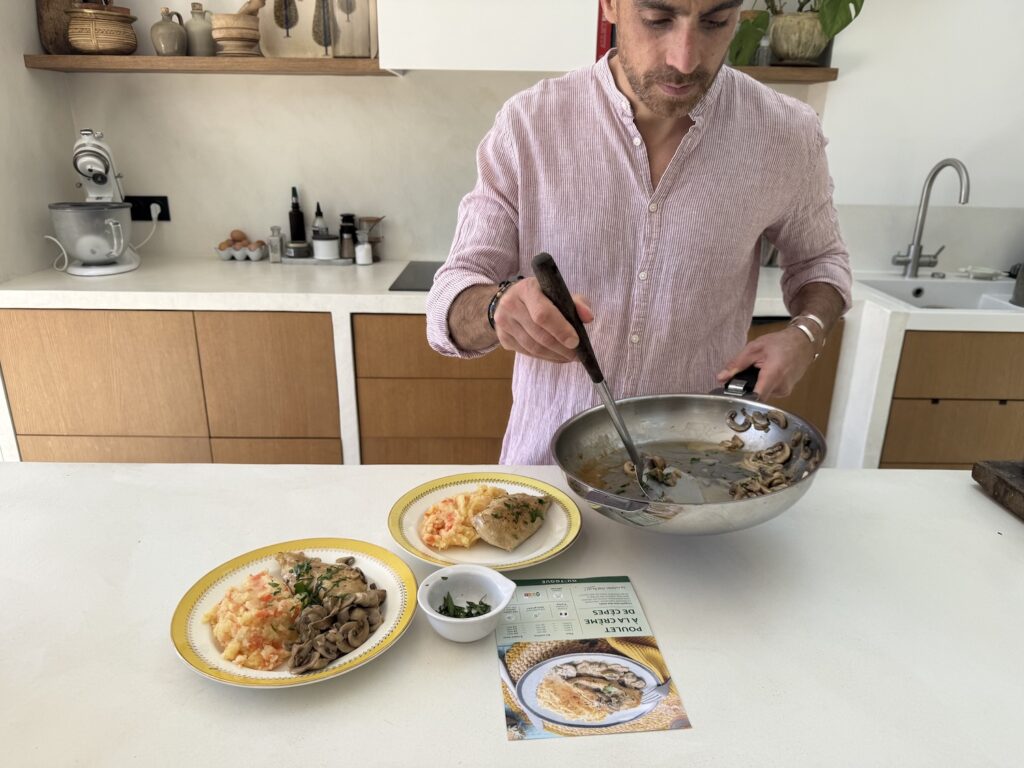
1. Nutritional quality: 4.25/5
I found the recipes offered by Quitoque to be fairly varied and quite nutritionally balanced. Most follow the basic principles of a balanced meal : a source of animal or plant-based protein, vegetables, and, most often, a source of starchy foods. However, this is not always the case. For example, in the whiting fillet recipe I tested, there was no real starchy side dish, which made the meal a bit light in my opinion, especially for someone active or with a good appetite.
The selection is also very broad, with traditional, vegetarian, more exotic, quick, and even more indulgent recipes. I found it interesting that the dishes are categorized according to different criteria: “low calorie”, “nutrition boost”, “vegetarian”, “express”… It is even possible to choose recipes based on your kitchen equipment: no oven, only two burners, or no cooking required. I think that is a real plus for adapting to everyday constraints.
I also appreciated the fact that a large number of recipes are naturally gluten-free. Of all the recipes I ordered during my test, none contained gluten.
For each dish, Quitoque also displays a Nutri-Score. According to the brand, about 80% of the recipes receive an A or B score, which seems fairly reassuring to me regarding the overall nutritional quality.
As for the vegetables, I found the portions very appealing, often between 200 and 500 g per person depending on the recipes. Some were a little less generous, but that remained fairly rare during my test.
The energy content varies quite a bit:
- the majority of the recipes are between 400 and 700 kcal per serving;
- some lighter recipes are around 250 to 350 kcal;
- and the most indulgent recipes rarely exceed 800 kcal.
Personally, I found the portions fairly consistent overall. On the other hand, the lighter recipes will sometimes need to be supplemented depending on each person’s needs, especially for sporty, very active people or those who get hungry easily.
The protein content was also decent in all the recipes I tested, between 25 and 40 g per serving. Even the vegetarian vegetable crumble recipe provided about 26 g of protein per person, which I found quite positive.
As for additives, Quitoque says it excludes more than 130 additives from its recipes. During my test, I personally didn’t find any, including in some prepared sauces such as the porcini mushroom sauce in the chicken recipe.
In the end, my opinion of the nutritional quality is rather positive. I found the recipes overall balanced, varied, and rich in vegetables, with a real effort to offer everyday cooking that is healthier than what is often found in classic ready-made meals. You just need to pay attention to your recipe choices depending on your needs and appetite level, because some dishes can be a bit light when they contain little starch.
2. Ingredient quality and sourcing: 3.75/5
The ingredients received were fresh and well preserved. The box contained an ice pack to maintain an appropriate temperature during transport. The vegetables arrived in good condition and the fresh products were properly packaged.
I especially appreciated Quitoque’s transparency about the origin of the products. When choosing recipes, it is possible to check the provenance of the fruits and vegetables directly on the website. According to the brand, more than 80% of the fruits and vegetables are French and the meats are 100% French.
The vegetables are mostly from conventional agriculture, but some ingredients in my box were organic, such as an orange used with its zest or a Granny Smith apple, which is rather reassuring for this type of products that are often exposed to pesticide residues. It is also possible, for certain recipes, to choose a 100% organic vegetable option for an additional 0.90 euro per person.
I also found it interesting that some meats, especially pork and chicken, come from the Bleu-Blanc-Cœur supply chain, recognized for animal feed enriched with flax seeds. Cold cuts are guaranteed without added nitrites added.
The fish is not labeled, but comes directly from the fish auction. Grocery products are often of good quality and some are organic, including flours, pasta, rice, lentils… ).
Dairy products and cheeses come mostly from France when possible, and/or benefit from a PDO. That was notably the case for the feta and parmesan used in the tested crumble recipe.
Even if information about the producers remains limited and the share of organic products could be higher, I found the sourcing overall serious and consistent with Quitoque’s positioning.
3. Culinary experience and convenience: 4.75/5
Each week, Quitoque offers 44 different recipes, including nearly 40% vegetarian options. Some more elaborate recipes require an extra charge, especially those containing red meat or more premium ingredients.
The stated preparation times generally range from 30 to 40 minutes. I found it interesting that Quitoque distinguishes between preparation time and total time before sitting down to eat, especially when cooking time is involved.
Overall, the stated times were fairly realistic, even if they obviously do not account for tidying up or cleaning the kitchen.
Some recipes are developed with partner chefs like Philippe Etchebest, which gives them a slightly more refined and appetizing feel.
I really liked the recipe card format: they are pleasant to use, sturdy, and easy to reference during preparation. The explanations are clear, the ingredients are detailed according to the number of servings, and the necessary utensils are listed, which makes the recipes easy to follow on a daily basis.
Since the recipe cards are a bit more compact than those from some competing brands, there are no photos of the preparation steps or detailed nutritional information for the recipes, aside from calories. However, this information can be found directly on the app or website. QR codes provide access to technical tips and certain video demonstrations, which I found quite practical and modern.
The recipes remain accessible, even if some require several steps.
It was probably one of the points that surprised me the most: the flavors were really successful. I discovered combinations I wouldn’t necessarily have thought of myself, with more original and indulgent cooking. I loved the pairing of apple, dill, and smoked salt in the whiting recipe, as well as the tangy note of the bigarade sauce, which went very well with the roasted white asparagus.
In the end, the culinary experience is very positive: the recipes are original, well explained, and enjoyable to cook.
4. Environmental impact: 4/5
Quitoque clearly emphasizes the fight against food waste. The pre-order system makes it possible to receive only the necessary quantities, which limits unnecessary purchases and waste at home.
The brand also seems to be making efforts to reduce its packaging. Unlike other boxes, each recipe is not grouped in an individual bag: it is up to the consumer to sort the ingredients themselves. It is a bit less convenient on a daily basis, but it does effectively help limit some of the waste.
Even so, the plastic packaging remains, in my opinion, one of the main weaknesses of this type of service. Many ingredients are still packaged individually: sauces, spices, or condiments often arrive in small plastic bags. Some meats are vacuum-sealed, others come in plastic trays, and several vegetables remain packaged separately in trays (mushrooms) or bags. Efforts can be made to reduce the use of plastic.
Regarding the products used, the recipes are based mainly on seasonal fruits and vegetables, which is a real positive point. The menus change regularly according to the time of year, which brings greater environmental consistency.
Quitoque also displays a carbon score that makes it possible to estimate the environmental impact of the recipes. The score ranges from A to E and is based on ADEME data. This indicator remains interesting for helping consumers compare recipes and choose dishes that emit less CO₂.
Regarding delivery, the boxes are transported by refrigerated truck, which is very convenient but inevitably increases the service’s carbon footprint. Delivery to a refrigerated pickup point is also offered, even though this option remains limited depending on the geographic area.
We can see that Quitoque is making efforts to reduce its environmental impact. According to the brand, the company would have reduced its carbon footprint by about 18% in three years, notably thanks to work on product seasonality and reducing food waste.
Despite these initiatives, the amount of packaging is still significant and further efforts could be made in this area.
5. Customer service and user experience: 5/5
On this point, I found that Quitoque offered a very good user experience.
Customer service is responsive and easy to reach. It is possible to contact the team via the website chat, by phone, by email, or even thanks to a QR code provided directly in the box. During my exchanges, responses were generally quick, with very little waiting time on the phone.
I also had a small unexpected issue during my test: on a crumble recipe, Quitoque informed me by email at the last minute that the buckwheat flour had been replaced with wheat flour due to a supply issue. I would personally have preferred to be notified a little earlier, especially for people with dietary restrictions or a gluten intolerance. On the other hand,I found it positive that the brand communicated transparently about this change.
To make up for the missing ingredient, Quitoque offered me either a credit of a few euros or a refund of the price of the missing ingredient (about €1.20) to be used toward a future box. This is obviously not a large amount, but I found the approach rather serious and consistent.
The customer service seemed reliable and responsive to me, both by phone and by email. The FAQ is also well designed and answers most common questions.
The Quitoque app is rated around 4.5/5 on the app stores. As for me, I found it simple, intuitive, and pleasant to use. The customer area on the computer is also very clear and makes it easy to manage recipes, deliveries, and even order suspensions.
Regarding delivery, boxes can be received at home or at a refrigerated pickup point, Monday through Saturday. Time slots are generally offered by half-day, with sometimes the option to choose more precise times for an additional fee. I also noticed that the delivery price could vary depending on the time slot selected, especially for evening deliveries after 6 p.m.
Ultimately, the user experience is clearly one of Quitoque’s main strengths in my opinion: the interface is smooth, customer service is responsive, and order management is particularly easy on a daily basis.
6. Price: 4.25/5
For a box of 4 recipes for 2 people, the price comes to about €7.74 per meal, excluding delivery fees and any extra charges related to “premium” recipes.
At this price, I found that Quitoque was positioned in an intermediate price range in the meal kit world. Nevertheless, the service remains interesting compared with ordering a meal on a delivery platform, while offering dishes that are generally more balanced, more nutritious, and often more original in terms of taste.
The price also becomes more advantageous when:
- you order more recipes;
- or increase the number of people in the box.
I also found it convenient to be able to easily change the number of servings or the selected recipes up to about a week before delivery.
However, it is important to pay attention to how the service works: Quitoque operates on a subscription basis. If you forget to pause or cancel your week in time, a new box is automatically shipped with a predefined selection of recipes.
As for value for money, my impression is rather positive, although it depends greatly on the recipes selected. For example, I found that meat- or fish-based dishes were often more economical than some very simple recipes based on pasta, pizza, or gnocchi, which are ultimately quite easy and inexpensive to make yourself.
Recipes with an extra charge often seem more indulgent or more elaborate, but they can quickly drive up the final price. During my test, I notably saw some recipes with an extra charge of up to about €2.90 per person.
Of course, that is still more expensive than standard home cooking. But personally, I find that the time saved, the convenience, and the discovery of new recipes can more than make up for that difference for some people.
Delivery fees are around €4.99 per box, and I found the management of orders, pauses, or cancellations fairly simple and intuitive through the website or the app.
Finally, welcome promotional offers are often interesting for discovering the service at a lower cost. At the time of my test, Quitoque was offering, for example, €75 off spread over the first three weeks, which is about €25 off per box. I think this makes it possible to test the concept in very good conditions before deciding whether the service really fits your habits and your budget.
In the end, I find the price-to-quality ratio pretty good for a meal kit of this quality, even if some premium recipes can quickly increase the bill.
