


Which active ingredients are most effective for immunity?
Echinaceas
Echinaceas have long been used for their wound-healing properties. Nowadays they are recommended in Europe and North America for their ability to stimulate immune defenses.
Three different species are used (E. angustifolia, E. Pallida, E. purpurea), which explains why they are commonly referred to in the plural.
These plants act on the activation of the different immune cells. This action is due to the synergy of the two main families of active compounds contained in the root and the aerial parts: the alkylamides and polysaccharides.
Several studies, including this one, conducted in 2023 on dairy cows, indicate that administration of Echinacea purpurea was associated with a reduction in inflammation and a stimulation of the immune system.
Ginseng
Ginseng is an Asian plant whose root has been consumed for more than 4,000 years.
Among the most renowned is Panax ginseng, whose root is known to have a shape resembling that of a human being.
It is one of the adaptogenic plants, meaning it may help the body adapt to stress and imbalances and increase its resistance to external stressors.
According to this article published in 2019, ginseng plays a considerable role in the strengthening of immunity against cancer, bacterial and viral infections, and autoimmune diseases.
Ginseng owes these properties to the ginsenosides and polysaccharides it contains.
Royal jelly
Royal jelly is a type of gelatinous, fluid substance with a warm flavor, made from the secretions of nurse bees. The larvae and the queen use it as their exclusive food.
It is composed of 14% protein, including royalisin, which is notable for its antiviral and antibacterial effects.
It also contains many vitamins, including the vitamins B5, B12 and C which help stimulate immunity and reduce physical and mental fatigue.
These anticancer, antibacterial, intestinal immunity-stimulating and immunoregulatory effects have been demonstrated in this article from 2021, which brings together the findings of several studies on its biological functions.
I find that its combination with lactic acid bacteria, vitamin D3, or zinc could be very interesting for preventing and combating winter ailments.
Vitamin D
Vitamin D, or calciferol is a fat-soluble vitamin produced by the skin under the action of the sun’s rays. Apart from its essential role in bone mineralization and muscle contraction, it also plays an important role in immunity.
This vitamin helps increase antimicrobial defenses and helps our body become more tolerogenic, so as not to react without valid reason, as shown by this study.
A deficiency in it is associated with dysregulated autoimmunity and an increased susceptibility to infections.
Older people, people with medium or dark skin (synthesis from sun exposure is less efficient), strict vegetarians, and people with intestinal diseases are at greater risk of deficiencies.
I would add that an environment with little sunlight and a diet low in vitamin D can also be contributing factors to deficiency.
Vitamin C
Vitamin C, also called ascorbic acid, is a water-soluble substance with multiple benefits for our body.
These include the antioxidant effect, the stimulation of collagen production, and the strengthening of the immune system.
Our bodies cannot synthesize this substance, so we need external sources.
An analysis dating from 2013 and including several studies confirmed that vitamin C supplementation with doses of 200 mg or more per day are effective in reducing the severity and duration of a cold.
According to this other study, acute respiratory infections (tuberculosis, pneumonia) decrease its plasma levels. And supplementation could bring levels back to normal and decrease the severity of respiratory symptoms.
Zinc
Zinc is a trace element that may affect several aspects of the immune system. It is crucial for the development and normal functioning of the cells that mediate immunity.
As shown by this study, phagocytosis, intracellular killing and cytokine production are all affected by zinc deficiency.
The ability of zinc to function as an antioxidant and to stabilize membranes suggests that it plays a role in the prevention of damage induced by free radicals during inflammatory processes.
Probiotics
By adhering to the intestinal mucosa, the bacteria of the flora, or intestinal microbiota, prevent pathogenic microorganisms from colonizing the intestine.
Probiotics are bacteria or yeasts that help balance the microbiota and help strengthen the digestive system’s role in immunity, in part.
The main families of probiotics used are lactic bacteria such as lactobacilli, bifidobacteria and streptococci but also the yeast Saccharomyces.
Their greatest value for immunity lies in the preventive and curative enhancement of the immune system of the newborn and child, especially in the case of infectious diarrhea.
They increase phagocytic activity as well as the number of IgA in the intestine as this study shows.
Spirulina
Spirulina is a cyanobacterium, known for its composition that is very rich in phycocyanins. Thanks to the proteins and minerals it contains, you can use it for countless benefits such as the antioxidant effect, boosting immunity and vitality, or detox.
In this study conducted on 40 people aged 50 and over, it was shown that a three-month spirulina supplementation increases the production of red and white blood cells in the body.
This helps not only with cases of anemia and fatigue, but also to boost the functioning of the immune system.
Spirulina owes its effects to the polysaccharides it contains.
In what form?
In capsules
Having very good shelf life and an easily accurate dosage of active ingredients, the capsule is the form most commonly found.
Ginseng or trace elements like zinc are generally packaged in capsules, as are probiotics.
As liquid solutions
First, there are ampoules, the dosage form of choice for drinkable solutions. They protect active ingredients well from air and light, and have better stability (because they are supplied as single-dose units).
If you opt for royal jelly, this is the form in which you will most often find it.
Plants are often consumed as hydroalcoholic extracts, such as echinaceas, for example. Also called mother tinctures, these preparations are obtained by maceration of plants fresh in alcohol.
The goal is to extract a concentrate of the plant’s active ingredients. However, the presence of alcohol restricts its use.
As gummies
Gummies resemble gummy candies. They could promote good adherence to treatment thanks to their playful and appetizing appearance.
I recommend favoring this form for adolescents or to encourage the whole family to give it a try! But I also advise you to pay attention to the presence of sugars.
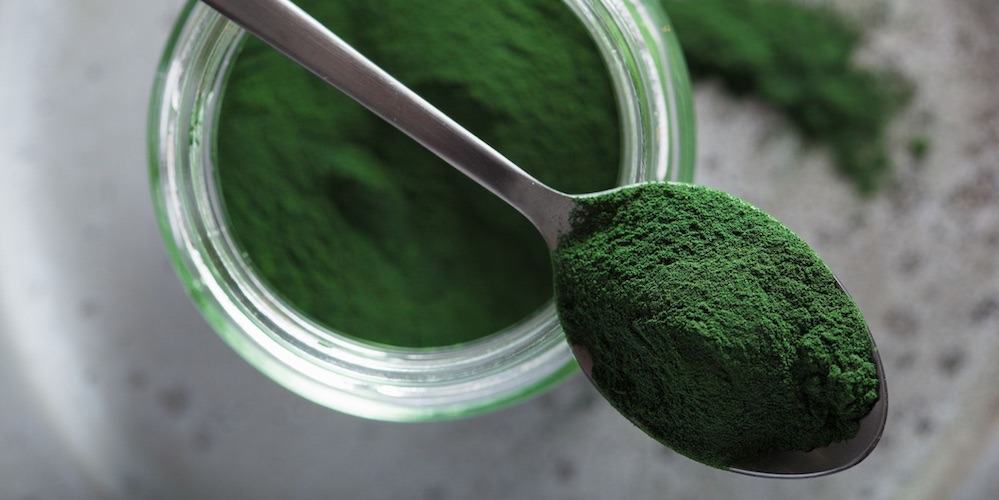
In powder form
I recommend this form for bulky active ingredients, for example substances containing high proportions of proteins.
Among the actives I recommended above, spirulina can be used very well in this form.
This would allow better dosing, as well as a wider range of preparations. You can thus add it to your favorite salad or mix it into your morning smoothie.
What criteria should be taken into account?
1. Formulation
There are products with a single active ingredient and those containing complexes of active ingredients.
I recommend choosing single active ingredients in high doses if you have known deficiencies such as vitamin D. Or if you want a specific action like the antioxidant effect of vitamin C or the superfood effect that spirulina alone provides.
Otherwise, I suggest favoring blends of several active ingredients for an optimal effect.
For probiotics and echinacea, for example, prefer them combined with vitamins or trace elements to optimize their effects.
2. The bioavailability of the active ingredients
The greater the bioavailability of a substance, the more effective it is. This refers to the speed and extent of the active ingredient’s passage into the systemic circulation.
Given its fat-soluble nature, Vitamin D is better absorbed in an oil-based liquid form or micro-encapsulated than in a capsule. Just be careful about its storage to avoid oxidation of the active ingredients.
Also favor the D3 form, as it is best absorbed and most stable.
Vitamin C is a hydrophilic substance, which means it is rapidly eliminated by the body. The liposomal form, which consists of encapsulating it in a lipid envelope, therefore gives it better absorption and a more prolonged effect
For zinc, the bisglycinate form and the microencapsulated form are the most bioavailable. Also, prefer it paired with selenium or vitamin B12 for better effectiveness.
As for plant extracts, choose, whenever possible, pure extracts from fresh plants. Also, organic farming will help you avoid possible toxic contaminants such as certain pesticides.
3. The form
I recommend checking the supplement form in relation to your needs, your age, and your preferences.
For example, favor syrup and gummies for children for their taste and playful appeal.
And prefer powders and ampoules for the elderly for their high concentration of active ingredients and ease of ingestion.
Adults can take all the forms already mentioned, it all depends on the dosage. The one for children is always lower.
4. Dosage
A reduced number of doses could facilitate adherence and therefore the continuity of the treatment.
For example, for royal jelly, taking one ampoule is on average equivalent to 6 capsules to reach a dose of 1000 mg per day.
In this case, the ampoule form will facilitate your daily intake of royal jelly.
5. Price
The price depends on the type of active ingredient, its cultivation method if it’s a plant extract, and whether it is alone or in combination.
It therefore varies between €5 and €12 for single active ingredients and can go up to €30 when we have a blend of active ingredients.
Dosages to follow
Echinacea: dry extracts between 200 and 1000 mg per day, and for mother tinctures take 20 to 30 drops three times a day.
Ginseng: herbal products containing ginseng are usually standardized to contain between 5 and 7% ginsenosides, with doses of 200 mg one to three times per day.
Royal jelly: typical minimum dose of 500 to 750 mg, up to 2 g.
Vitamin C: 200 to 1000 mg per day.
Vitamin D: 15 to 50 µg per day (equivalent to 600 – 2000 IU).
Zinc: 15 mg per day, taken separately from meals.
Probiotics: I recommend a minimum of 10 billion bacteria per supplement.
Spirulina: recommended daily doses vary, ranging from 1 to 6 g per day. Opt for a minimum phycocyanin content of 15%.
What are the precautions for use?
I advise against using echinacea in cases of autoimmune diseases, organ transplantation, or in people with a compromised immune system (AIDS).
Ginseng use is not recommended for people with diabetes, high blood pressure, or heart disease.
Because it is fat-soluble, I recommend evaluating your specific vitamin D needs before starting a course based on any nutritional deficiencies, as there is still a risk of overdose. Favor short courses of one to ten days without exceeding a continuous treatment duration of eight weeks.
I would recommend prioritizing spirulina from organic cultivation to avoid the risk of accumulated heavy metals.
Consult your doctor for pregnant or breastfeeding women and children under 12 years old due to the lack of study data.
Dietary supplements should not be considered a miracle cure and should not be used excessively.
What can influence our immune system?
Factors that affect our immunity
During the cold season, our metabolism slows down, and the immune system follows suit by slowing down the movement of its cells.
Bronchial cilia also become less effective. This leaves more time and easier access for pathogens to cross the barrier and take hold.
Moreover, as shown by this study conducted on mice, in the event of infection, a state of prolonged stress is associated with reduced effectiveness and decreased resistance of the immune system.
Immunity is also directly correlated with sleep, and this from the earliest years of our lives as confirmed by this recent INSERM article,
The immune system also changes with age. Children and older adults often have less developed immunity, which makes them more vulnerable to infections.
A quality diet also helps to confront pathogens and chronic inflammation more effectively, as demonstrated by this research paper published in 2019.
A deficiency in certain micronutrients could therefore weaken the immune system.
Supplementation, a good idea to strengthen our immune system?
It is important to take measures to strengthen your immune system, especially during the cold season.
I recommend that you start by prioritizing a balanced diet with good intakes of protein, fiber, and vitamins, as well as regular physical activity and sufficient rest.
For foods, consider those with tonifying properties such as ginger, or those rich in vitamin C such as citrus fruits or broccoli. Foods with antiseptic and antibacterial properties are also welcome, such as honey or garlic.
Supplementation also matters, not only to correct known deficiencies, but also to provide a concentrated source of active ingredients that help boost your immune defenses.
To summarize
To make sure you choose the right immune supplement, I recommend checking the following points:
- 1. The formulation: the type and number of active ingredients depend on individual deficiencies and needs.
- 2. The bioavailability of active ingredients: the higher a substance’s bioavailability, the more effective it is.
- 3. The form: the choice of form depends on age, for example.
- 4. Dosage: the fewer doses required, the better the adherence to the regimen.
- 5. Price: between €5 and €12 for individual actives and up to €30 for blends of active ingredients.
