What is it?
The benefits of curcumin
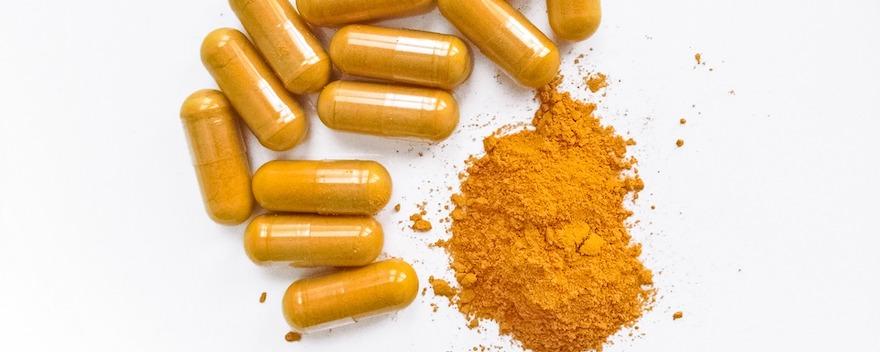
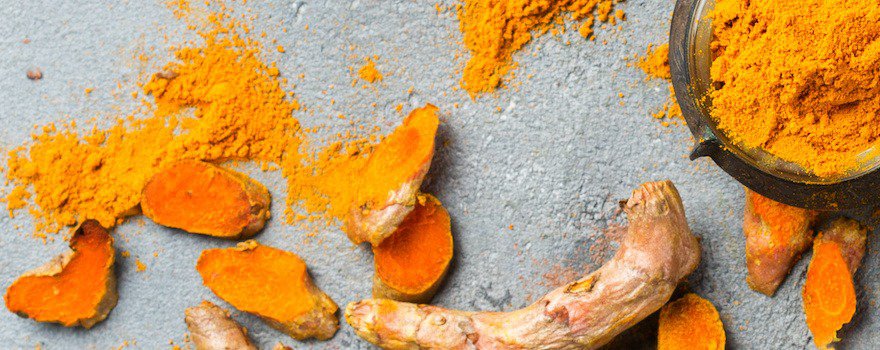
Curcumin is a natural molecule, present in the rhizome of turmeric. On one hand, it is the pigment that gives it its yellow-orange color. On the other hand, it is the active ingredient responsible for its medicinal properties.
Curcumin notably exerts an anti-inflammatory action. Thus, it fights chronic inflammatory diseases (arthritis, irritable bowel syndrome, Crohn’s disease…). It also improves the symptoms of osteoarthritis.
As a polyphenolic pigment, it is also a powerful antioxidant as shown by this study. It neutralizes free radicals responsible for cellular aging while stimulating the body’s antioxidant enzymes. It also has potential anticancer properties.
Also read | How to choose the best curcumin ?
Finally, curcumin is recognized for its beneficial effects on mental well-being. It acts as a natural anti-stress agent to reduce anxiety and combat depression. Additionally, as shown in this study, it increases serotonin and dopamine levels.
Piperine, a cofactor
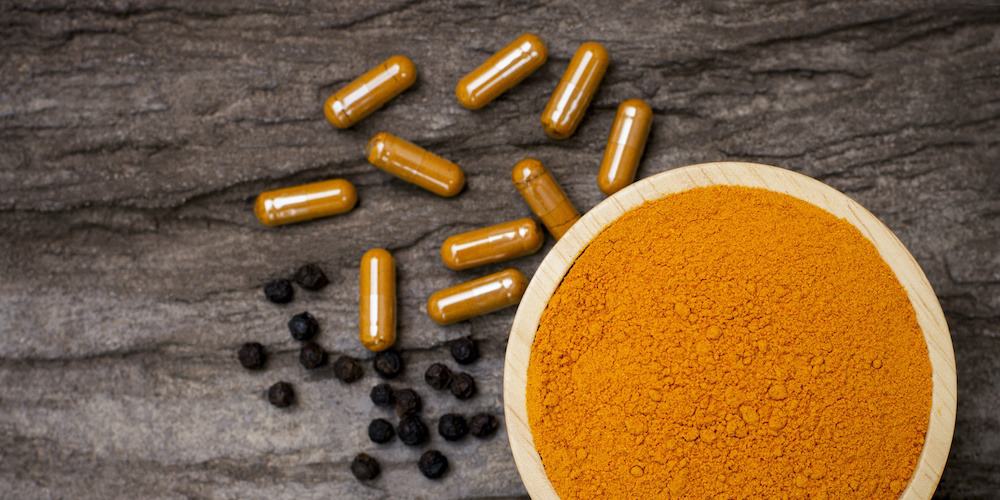
If you are looking for a curcumin-based dietary supplement, you will find that it is often combined with piperine. This natural alkaloid is derived from black pepper. It is responsible for the pungency and the sneezing reaction.
But piperine is not only an active ingredient. It is also used as a cofactor in the formulation of dietary supplements.
Cofactors help improve the absorption of an active ingredient, that is, its ability to cross membranes and reach the intestine.
However, some molecules, including curcumin, have poor absorption capacity and are unable to cross the intestinal mucosa. Insoluble in water, they often have a molecular weight that is too high.
To address this problem, it is paired with a cofactor: piperine. In this 1998 study, it allowed better absorption of curcumin in the body, up to 20 times more.
Combining them therefore seems to be the best way to reap the benefits of curcumin. But is that really the case ?
Combining curcumin and piperine: what results?
Limited effectiveness
Since the 1998 study, very few researchers have been able to observe such significant results. Studies often show a limited effectiveness of the curcumin/piperine combination.
While using piperine as a cofactor does indeed increase the bioavailability of curcumin, the rate of improvement is often less than 10%. Far from the 2000 % obtained by Professor Shoba.
Potential risks
Researchers have also highlighted the potential risks of this combination. The results of this study show that piperine can promote intestinal hyperpermeability. In this case, the intestine allows undesirable substances such as heavy metals to pass through.
However, these results should be put into perspective, as they were obtained in rats and at high doses. No other study has confirmed this side effect.
How can you make the most of curcumin’s benefits?
For optimal curcumin absorption, the dietary supplement should have a ratio of 1 mg of piperine per 100 mg of curcumin.
However, this is rarely the case, the price per kilogram of piperine being very high. And manufacturers often do not state its content.
Some also include vectorized curcumin. It is not combined with piperine but grafted onto a vector to increase its absorption. In this study, this technique showed higher absorption than a conventional curcumin/piperine combination.
It is also sometimes encapsulated in a fatty carrier because curcumin is liposoluble. This allows it to be transported and cross the intestinal barrier.