

The benefits of turmeric
A spice full of benefits
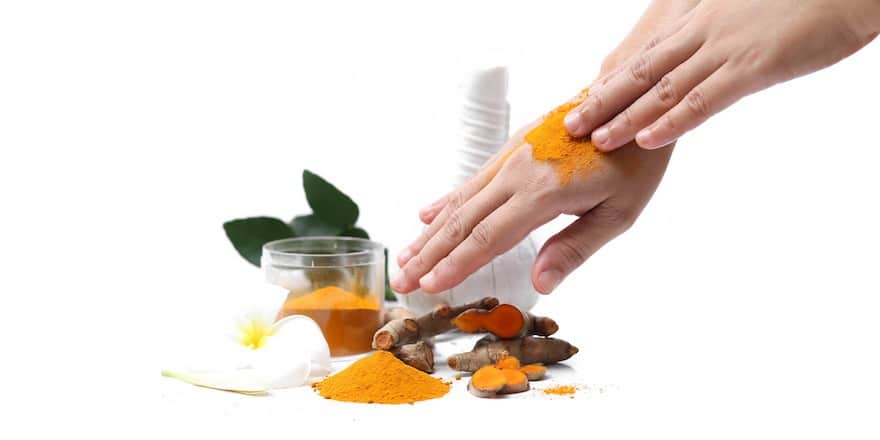
A cornerstone of Indian cuisine and traditional medicine, this yellow-orange spice has many benefits. turmeric is a beige rhizome about the size of a small finger, which reveals its beautiful orange color when cut. It is consumed fresh or dried in cooked dishes, as an infusion, or in natural remedies.
This root has well-known antioxidant and anti-inflammatory effects. It is one of the most powerful natural anti-inflammatories known. As such, it is used preventively to stay healthy, strengthen immune defenses, and to treat pain and minor ailments. Turmeric is particularly good for treating digestive disorders, improving bile function, and treating inflammatory diseases. It is recommended to relieve joint pain such as osteoarthritis and arthritis. It may even have anti-cancer properties due to its antioxidant compounds, notably curcumin.
Also read Our tips for buying turmeric capsules
Consumption varies by country
Turmeric is traditionally consumed in Asia, especially in India, where this spice is central. This daily consumption would also help explain why Indians have a particularly low rate of digestive system cancers compared to Westerners.

In the West, turmeric is consumed as a superfood: it can be added to dishes as a spice or taken as a supplement. It can be consumed fresh, dried as a powder, or in capsules. It is recommended to consume 3 grams of powder per day or, in capsules (dry extract), 1.5 grams per day.
Could turmeric be dangerous?
Sprinkling turmeric on your dishes would be pointless
The recommended dosage of turmeric for a therapeutic effect is fairly high: you would need to consume more than one teaspoon per day. Furthermore, turmeric is quite volatile and the body absorbs it poorly. It is advisable to combine turmeric with pepper (or rather its active substance, piperine) so that its effects are truly effective.
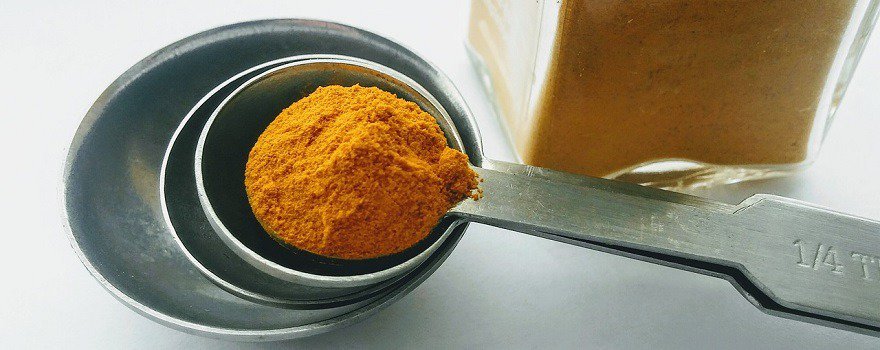
Additionally, it is recommended to consume turmeric with oil to “anchor” its active compounds in the body. Taking advantage of the therapeutic effects of turmeric is therefore fairly difficult: sprinkling a few pinches on your dishes from time to time would not be sufficient to stay healthy (but it does still color them yellow!).
Also read Where to buy turmeric capsules?
Adverse effects of turmeric and contraindications
Taken in small doses, turmeric poses no danger to the body. However, consumed at high doses, turmeric can cause effects on the digestive system. An organism not accustomed to the daily consumption of turmeric may be subject to heartburn, bloating, or even vomiting.
As a spice, turmeric is not dangerous to health. It is when taken in capsule or extract form that it can be taken in excessive amounts.
If turmeric is excellent for relieving painful periods or excessive bleeding, it is not recommended as a regimen for pregnant women or breastfeeding women. Indeed, at high doses it could cause bleeding or contractions.
Turmeric is contraindicated in cases of gallstones, liver disease, and stomach ulcers. It is also discouraged to consume it in high doses if you are going to be operated on within the next 15 days, as turmeric can increase blood flow.

You can also develop an allergy to turmeric, which manifests as dry mouth and nausea. That is why it is recommended, for a first dose, to take only a small pinch, especially in people who already have allergies to other foods.
Turmeric interactions
Turmeric’s effects can be amplified by the consumption of herbs or medications. Thus, to better absorb turmeric, it is recommended to consume it in combination with pepper. Consuming turmeric with ginger or cinnamon is also suggested, in order to multiply its anti-inflammatory effects.
On the other hand, it is not recommended to consume turmeric with certain medications:
- The anticoagulants : aspirin, warfarin (Coumadin), vitamin K antagonists: turmeric already has an anticoagulant effect that can enhance the medication’s properties.
- Antacids : they are used in people suffering from gastric acidity, gastroesophageal reflux. Turmeric could negate the effects of the medication, or even increase acid secretions.
- Antidiabetics : since turmeric already has antidiabetic effects, it is not recommended to consume turmeric in high doses if you are on treatment for diabetes.
- Anti-inflammatories : likewise, turmeric should be avoided if you are already taking anti-inflammatory medications. However, some studies show that turmeric may be more effective than nonsteroidal anti-inflammatory drugs, without harmful side effects for the body.
So if you take this type of medication, it is advised to ask your doctor’s advice before starting a turmeric-based cure. However, a few pinches of powder in food will not cause a problem!
Experts’ opinion on turmeric consumption
Thus, turmeric is not dangerous if consumed occasionally, or if you follow the doses prescribed by a professional. Occasional consumption of turmeric will have no harmful effect on the body: at worst, it will be ineffective because it is not absorbed by the body.
If you wish to follow a turmeric-based treatment to relieve digestive disorders or joint pain, it is advisable to consult a specialist. A turmeric overdose may produce effects opposite to those intended.
However, this type of natural remedy is less likely to have side effects than a drug treatment.
