


A rumbling stomach, stomach cramps, a drop in concentration… Is it hunger, or simply the urge to snack?
Here are the 6 best natural appetite suppressants and satiating foods, to avoid these cravings and stay in shape.
Check after the list to understand how satiety works, and the nutrients that promote it!
📚 Also read | What are the best appetite-suppressant dietary supplements?
1. Konjac
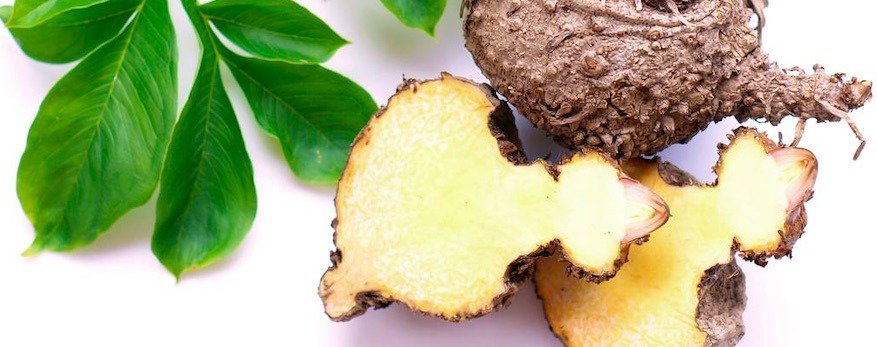
Konjac has been consumed in Japan for 2,000 years for its detoxifying properties. But thanks to its high fiber content (64%, more than any other food) and an almost zero calorie count, it is one of the most powerful appetite suppressants.
The glucomannan it contains absorbs up to 100 times its volume in water, which creates a lasting feeling of satiety. Besides, it’s one of the few foods that can use the “weight loss” claim, validated by the European Union.
Konjac is consumed as vermicelli, blanched for 1 minute, or more simply in capsule form or as a powder, to be taken 30 minutes before meals once or twice a day.
2. Chia seeds
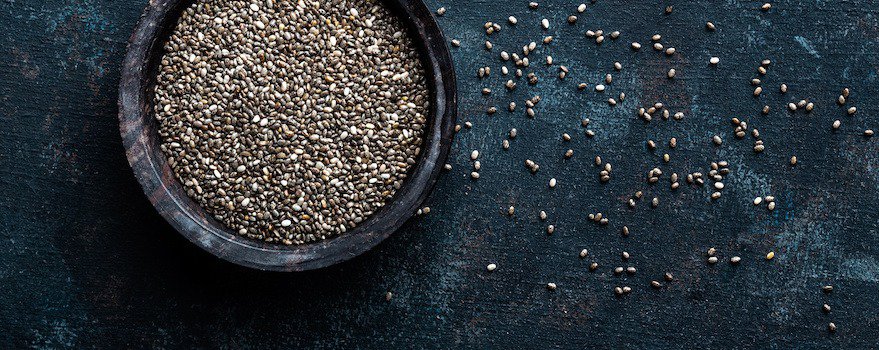
The chia seeds from Salvia hispanica are very beneficial for the entire digestive system. In addition to being excellent natural laxatives, they act as natural appetite suppressants thanks to their exceptional composition.
Very rich in fiber (31 g per 100 g), they swell on contact with water in the stomach and turn into a thick, filling gel. Chia seeds are also a good source of protein : they contain about 14% protein which, it should be noted, prolongs the feeling of satiety.
The mild and fairly neutral taste of chia seeds makes it possible to consume them in a thousand and one different ways. You can eat them as-is, without cooking them, simply adding them to yogurt, cereal, a cold salad… Chia seeds are also used in the preparation of the famous chia pudding or cereal bars.
To make delicious chia seed bars, mix 2 tablespoons of chia seeds with a cup of crushed dates, a little cashew nut butter, rolled oats, honey and chopped nuts. Spread the mixture in a dish or on parchment paper and let it set in the refrigerator. After a few hours, your bars are ready to be devoured !
Also read the Where to find the best chia seeds on the market?
3. Psyllium
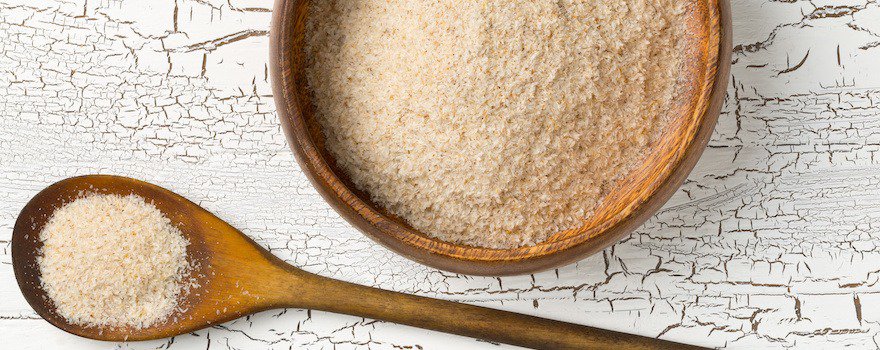
The psyllium (Plantago ovata) is very interesting as a natural appetite suppressant. The husk or « seed coat » that surrounds the seeds is particularly rich in fiber and mucilage. Mucilage is a natural substance that swells on contact with water and becomes thick and viscous in the stomach. Psyllium seeds thus form a gel which, in addition to increasing the feeling of fullness, reduces the absorption of fats and sugars into the body.
Psyllium (and especially blond psyllium) is therefore an excellent ally for weight loss. You will enjoy consuming it mixed into fruit juices or smoothies, or incorporating it into pastries, breads, cakes… Be sure to drink plenty of water when you consume psyllium : you will improve its action in the stomach.
Buy organic psyllium: my selection
So I recommend the organic psyllium from the French brand amoseeds. It is over 99% pure and comes from India (state of Uttar Pradesh), its place of origin.
As explained above, I recommend amoseeds because their products come directly from local organic cooperatives, so they are cheaper and of very high quality.
Don’t forget to use the promo code -5% “DARWIN” at checkout for an immediate discount.
❤ I like: The excellent value for money, verified origin, and positive customer reviews of the brand.
★ Customer reviews (Trustpilot): 4.4/5
☞ Quantity: 500 g / 100 servings
✔ Discount code -5%: DARWIN
4. Goji berries
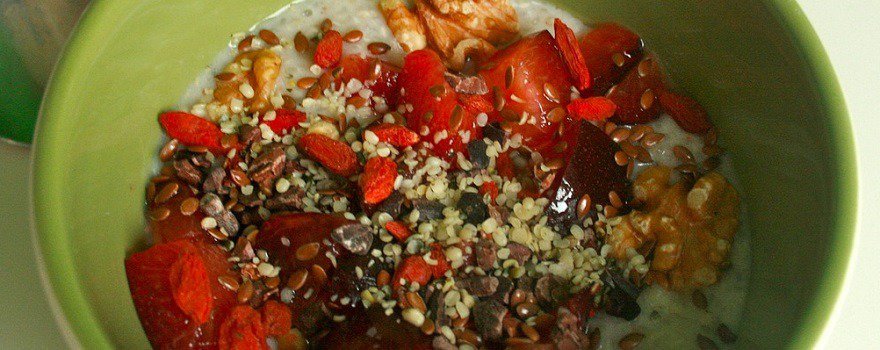
The goji berries are the fruit of Lycium Bararum. They need no introduction as their health benefits are numerous: strengthening the immune system, anti-fatigue and energizing effects, liver detoxification, fighting cholesterol… But fewer people know that goji berries are also a natural appetite suppressant. Very rich in protein (12.1 g per 100 g) and in dietary fiber (7.78 g per 100 g), they help provide a feeling of fullness while limiting fat storage.
Dried goji berries have a very pleasant taste, sweet and slightly tangy. They can be eaten as is, in juices or smoothies, with fromage blanc… Goji berries also pair very well with savory dishes featuring chicken or fish.
5. Spirulina
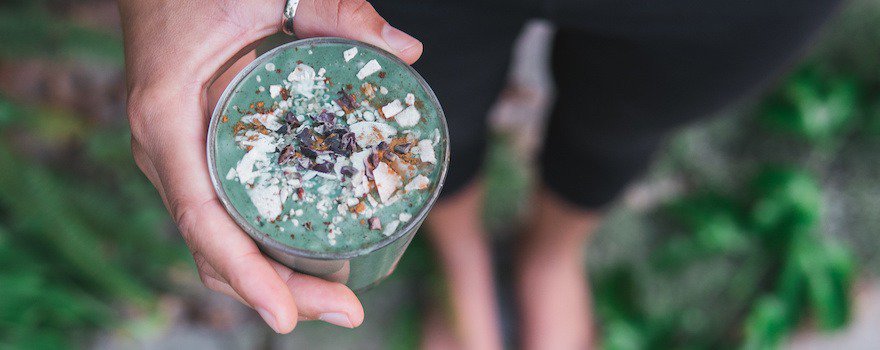
The spirulina is a cyanobacterium often mistaken for an alga, known for its exceptional composition and increasingly used as a dietary supplement. Its protein content is 9 times greater than rice and 3 times greater than beef, for example. Proteins reduce appetite by prolonging the feeling of fullness between meals. So it’s an excellent natural appetite suppressant!
Spirulina also contains phenylalanine, an amino acid that contributes to the sensation of satiety and interacts with cholecystokinin, the satiety hormone. It also has the advantage of being low in calories.
Spirulina powder can be mixed into drinks, juices, smoothies and infusions. Although it is not liked by everyone, its delicately iodine-tinged seaweed flavor pairs well with savory preparations : guacamole, salads, patties…
6. Raw cacao
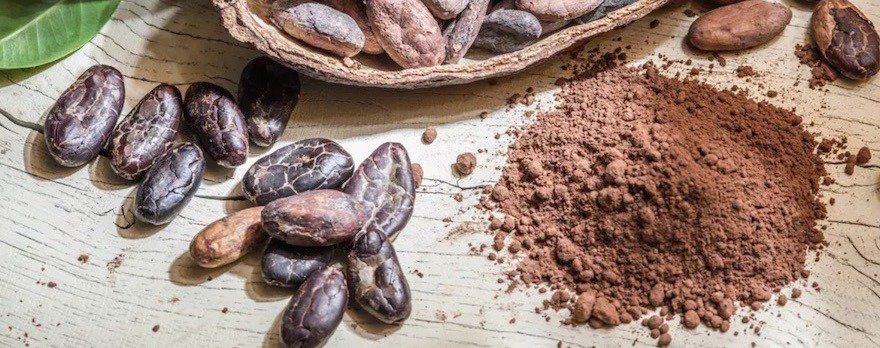
As surprising as it may seem, raw cacao is an excellent natural appetite suppressant. Raw cacao beans (Theobroma cacao) are rich in protein (20 g per 100 g). They also contain other nutrients that can help keep you in shape or lose weight, such as tryptophan. This amino acid is a precursor to serotonin, the hormone of sleep and mood, and also the hormone that regulates appetite and curbs cravings for sweets.
We strongly encourage you to discover the unique taste of raw cocoa beans ! Very aromatic, they are best enjoyed as simply as possible, by crunching them between your teeth. You can also crush them and sprinkle them over your sweet preparations (yogurts, compotes…) or incorporate them into pastry and cake recipes. You can also eat dark chocolate with over 70% cocoa, but it will be higher in calories.
Nutrients that promote satiety
What is satiety?
To trigger the feeling of fullness, the body secretes a gastrointestinal hormone : cholecystokinin. When the small intestine receives enough fats and proteins, the release of cholecystokinin into the blood is triggered. Our desire to eat decreases and the feeling of being satiated sets in.
Another hormone also plays an important role in satiety : leptin, also called the “hunger hormone”. Produced by adipose tissue, its secretion increases as you eat. When it reaches the appropriate level, the brain is notified and triggers the feeling of satiety : you then no longer need to eat.
The sensation of satiety is a state of not being hungry that appears after a meal and continues for a few hours, alongside digestion. Hunger reappears when the level of cholecystokinin decreases and the level of ghrelin (the hormone that stimulates appetite) increases.
Thus, it is primarily the hormonal mechanism that triggers the feeling of satiety. However, other factors can also influence this sensation.
Here they are:
- The nature of foods and their nutritional composition (protein, fiber, glucose content…)
- The level of insulin in the blood (when it is high, it suppresses the feeling of satiety)
- Psychological factors (mood, well-being…)
- Environmental and external factors
As you may have understood : the mechanisms of satiety are quite complex and seem well-established. However, it can happen that we no longer feel the sensation of satiety. We continue to eat, sometimes a lot, before becoming satiated.
It’s because the feeling of hunger has been replaced by the desire to eat : we then eat without being hungry. This destabilizes the production of satiety hormones and satiation is no longer dictated solely by pleasure. Because the feeling of satiety is no longer controlled and the brain cannot regulate the feeling of hunger, snacking is frequent.
That’s why some natural appetite suppressants can help. In fact, they increase satiety and delay the return of the feeling of hunger thanks to the nutrients they contain.
Pectins create a feeling of fullness
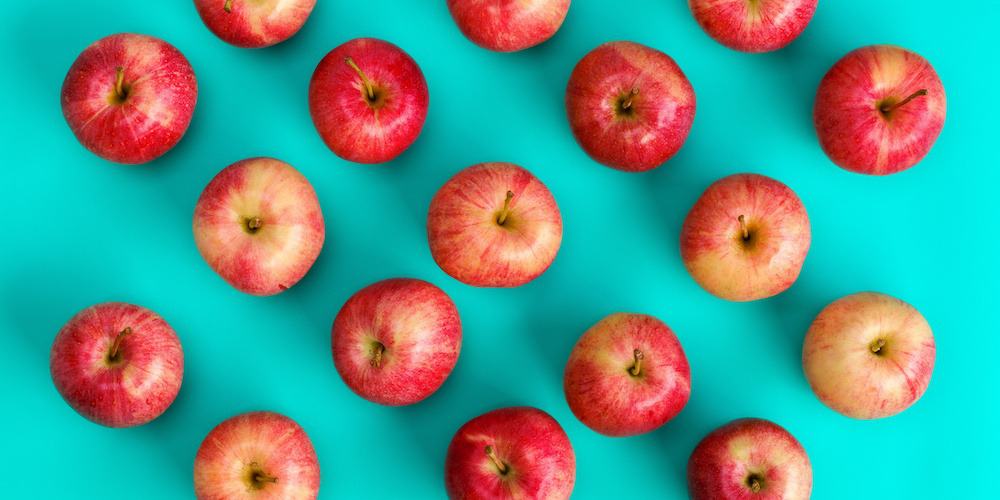
Pectins are soluble fibers of plant origin, found in the seeds and skins of many fruits. To promote a feeling of satiety, they act through a very specific process.
Once consumed, pectins swell on contact with water and take on a gelatinous consistency. This thick gel, which takes up more space in the stomach, quickly creates the sensation of being full. At the same time, it improves intestinal transit and traps fats and sugars in the intestine.
Large amounts of pectins are found in the pomelo (1.4 g), orange (1.12 g), apple (1.1 g) and pear (1 g). Carrots, tomatoes and potatoes are also rich in pectins.
Fats keep the stomach working longer
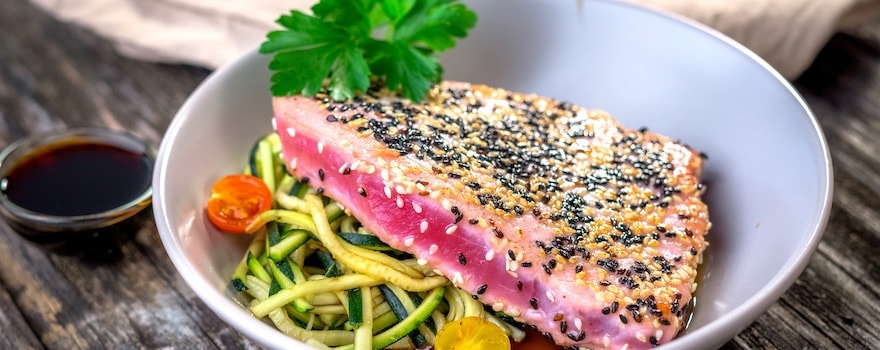
Keeping the stomach working longer is useful to benefit from an appetite-suppressing effect. Because they are digested more slowly, lipids (fats) are retained longer in the stomach. Digestion therefore lasts longer and the return of hunger is delayed.
Fat absorption is one of the most complex digestive processes. While fats are essential for the proper functioning of the body, they should nevertheless be consumed in reasonable amounts. Some fats are also better than others.
Oils rich in omega-3 and omega-9, oilseeds, eggs, fatty fish and even cocoa are good sources of fat. Thus, 100 grams of cocoa powder provide 19.7 g of fat.
Proteins prolong the feeling of fullness
Like fats, proteins have the particularity of taking longer to be digested. A protein-rich meal keeps us ‘full’ for about 6 hours, the time it takes for the intestine to break them down into oligopeptides sent from the intestine to the liver via the portal vein. A diet high in protein therefore helps extend the period of satiety between two meals.
Prefer plant proteins when possible. They are abundant in spirulina (about 60% protein), oilseeds, legumes and seeds (flax, pumpkin…).
