

Hormonal acne is a skin condition that, as its name indicates, results from a variation in hormone levels.
This imbalance disrupts sebum production, the fatty substance that helps form the skin’s barrier. Result? When produced in too large a quantity, sebum tends to clog the pilosebaceous follicles from which it originates.
With the pore clogged, a pimple forms.
But beware! That doesn’t mean your skin is automatically oily: dry skin can also produce a lot of sebum during hormonal acne.
You then see all kinds of pimples (papules, pustules, nodules, cysts) that are mainly located on the lower part of the face (chin, neck, jawline), although they can be found elsewhere.
Hormonal acne mainly affects women because they experience more fluctuations than men. Menstruation, pregnancy, menopause, and contraception can influence hormone levels.
If your pimples appear cyclically, such as in the premenstrual phase (the famous PMS!), or following a known hormonal disruption, there is a good chance your acne is hormonal. Here I give you six natural solutions to treat it effectively.
Also read | The best dietary supplements against acne according to a naturopath
1. Essential oils
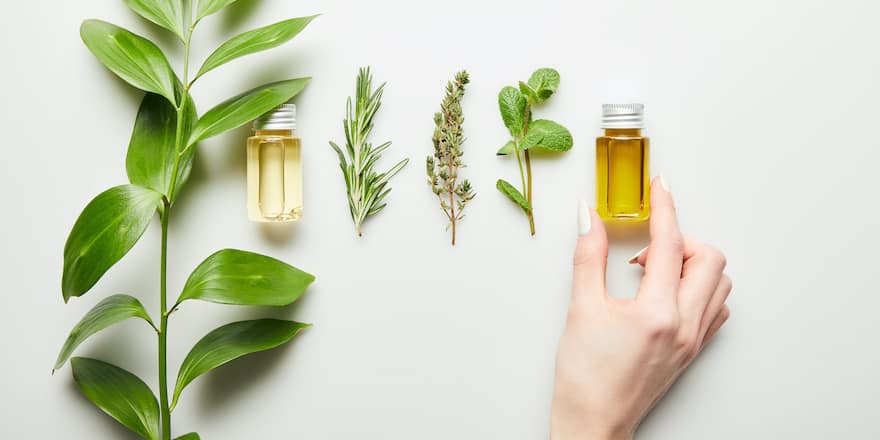
The best-known natural remedy to reduce the appearance of pimples is the application of essential oils with antibacterial, anti-inflammatory, and healing properties.
Tea tree is an essential oil particularly renowned for reducing red pimples and pustules thanks to its antiseptic, broad-spectrum antibacterial, and anti-inflammatory properties.
It also helps to dry out the pimple, making it disappear more easily.
Other essential oils with similar properties can naturally treat acne: essential oils of true lavender, rose geranium, and palmarosa, as well as manuka essential oil.
When applying this type of product, make sure to use it only on the affected area with a cotton swab, and after diluting it in a vegetable oil (jojoba, argan, etc.).
Essential oils are powerful and need to be used with caution. For pregnant and breastfeeding women, consult your doctor and pharmacist about the contraindications of each of these essential oils.
2. Zinc
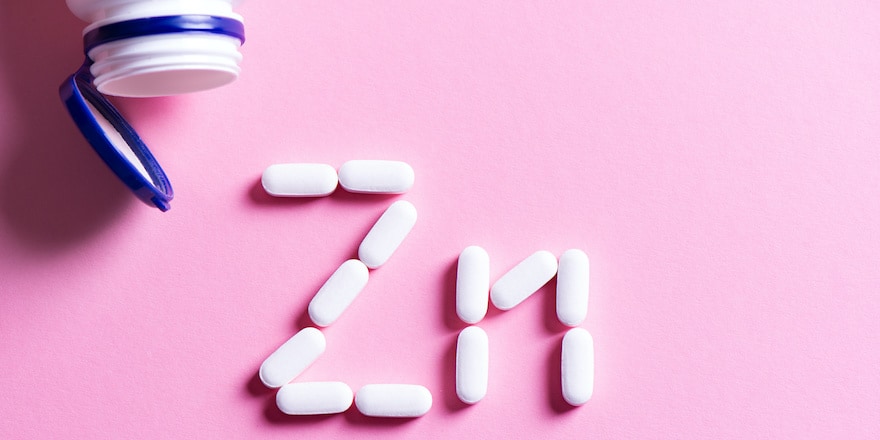
Zinc is an essential trace element for the proper functioning of the body. It is found in the diet: organ meats and other meats, dairy products, eggs, legumes, whole grains, etc.
But also in the form of dietary supplements.
Also used by dermatologists, zinc has the following properties:
- antioxidants
- anti-inflammatory which limits sebum secretion
- healing, by reducing bacterial proliferation and accelerating the skin’s healing process
This trace element is therefore an ally in naturally fighting pimples caused by hormonal acne.
Also read | A pharmacist’s advice before buying zinc
3. Burdock
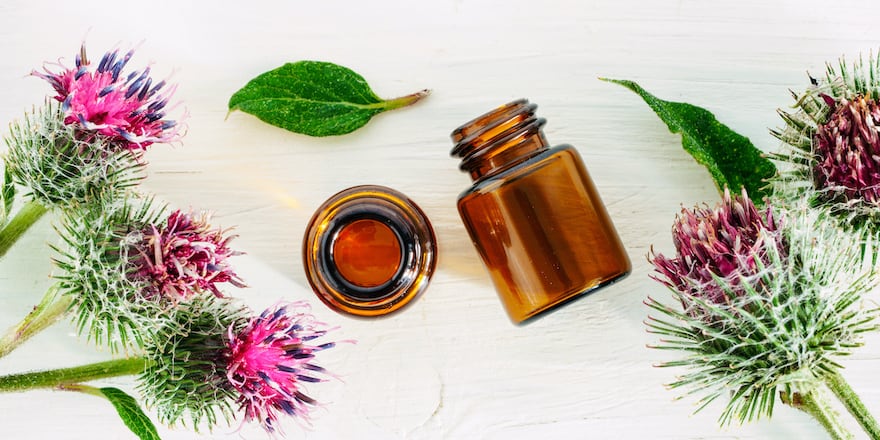
The burdock root (Arctium Lappa) is a plant listed in the French pharmacopoeia as being able to act on skin conditions related to excess sebum.
What does it do? It helps cleanse the skin, limit inflammation and reduce sebum production, and also reduce the bacterial proliferation of P. acnes, the bacterium responsible for acne.
It can be taken orally via decoctions or dietary supplements, or applied as a poultice directly to the skin.
4. Clay masks
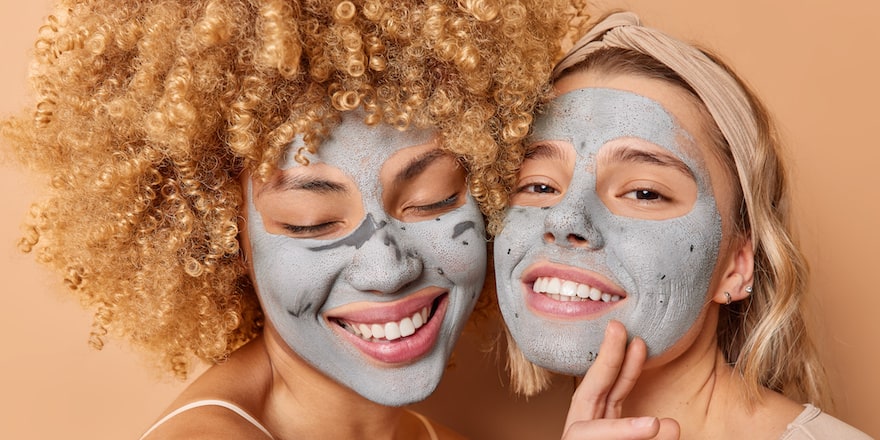
Clay is a natural mineral material commonly found in cosmetic aisles and rich in trace elements. It is best known for its absorbent properties that help regulate sebum secretion, drying out pimples and fighting bacterial proliferation.
Green clay is the most well-known, but it’s also the most drying. If your skin is sensitive, it’s probably wiser to opt for a white or pink clay, which is gentler on the skin.
This is not a miracle solution! So don’t apply it every day. By drying your skin out too much, it could feel attacked and react by producing more sebum. That’s not the goal!
5. Aloe vera
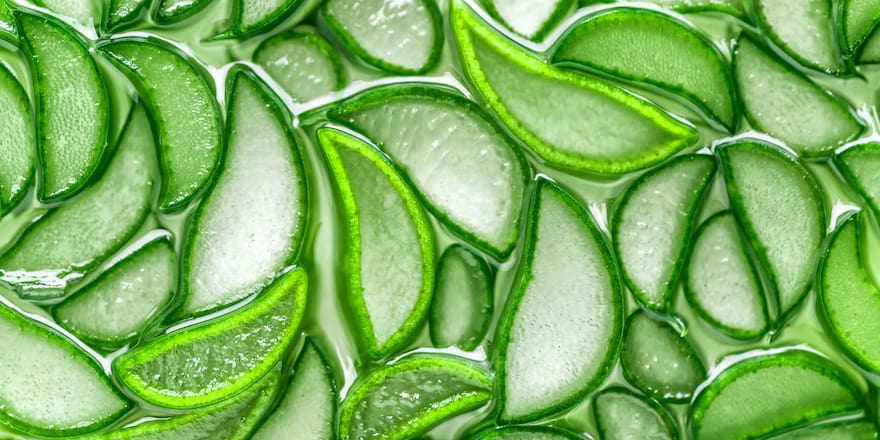
The Aloe vera has healing, anti-inflammatory, and antiseptic properties. And yes, it also has these essential abilities to naturally fight acne.
Its astringent action regulates sebum production, while its regenerating properties facilitate the healing of pimples.
Additionally, it is rich in antioxidant vitamins and trace elements, including … zinc, which itself is useful for saying goodbye to those notorious pimples!
Also read | Aloe Vera, the hydrating plant to enjoy
6. Steam baths
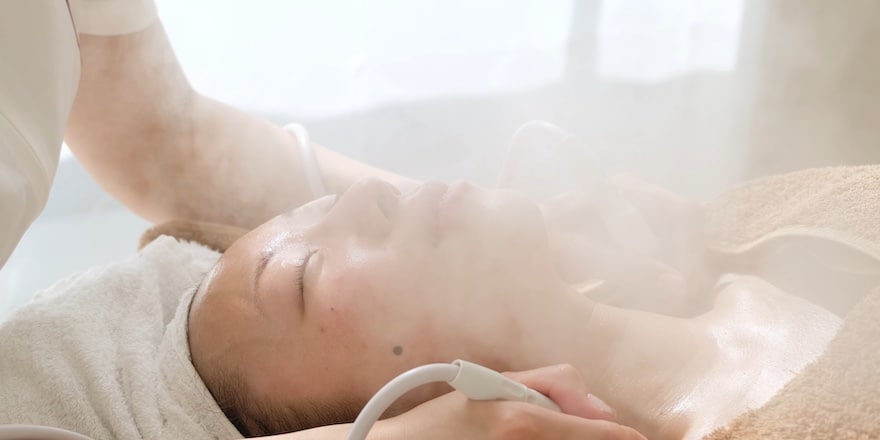
Steam baths are not miraculous, but they remain a good solution for fighting hormonal acne. Don’t panic, you don’t need to turn your bathroom into a sauna to do one.
Put your head over a bowl of steaming water in which you can add plants beneficial against acne (tea tree essential oil, rosemary leaf, lavender water) and let it sit. Don’t burn yourself!
Your pores will dilate, and some of the excess sebum can be liquefied so it can be expelled.
Good daily habits
Plants, cosmetics and other tips for naturally fighting acne are good solutions.
But all of this requires a good foundation at first! So consider establishing a few daily habits:
- avoid touching your face too much to limit bacterial proliferation
- choose skincare suited to your skin type
- don’t strip your skin with harsh products and irritating scrubs
- remove your makeup every night (yes, even after nights out when you’re too tired)
- include antioxidants and omega-3s in your diet
- stay sufficiently hydrated
- avoid excessive sun.
Finally, if you tend to be stressed, practicing yoga, meditation, cardiac coherence or sophrology could help you relieve your stress.
However, if natural treatments still aren’t enough and your hormonal acne symptoms persist or worsen, consider consulting a dermatologist.
Acne remains a medical condition that should not be taken lightly.
What are the causes of hormonal acne?
A hormonal imbalance
Diet, tobacco, pollution: these factors are generally cited as causes of hormonal acne. However, this is not scientifically proven!
Even if a good lifestyle can help improve the appearance of the skin, it doesn’t seem that the opposite necessarily leads to unsightly pimples.
And to dispel some misconceptions, no, hormonal acne does not come from a lack of hygiene!
There’s no secret: it’s a hormonal imbalance that causes the appearance of comedones and other unpleasant lesions.
The cause? An excess of androgen hormones (testosterone) or a disruption of estrogen and progesterone production. Moreover, all stages of a woman’s life – the menstrual cycle, pregnancy, menopause, or stopping birth control pills – disturb hormone levels.
An overproduction of sebum
As a result, the sebaceous glands can be overstimulated, produce more sebum, clog pores, and facilitate the growth of bacteria responsible for acne.
The polycystic ovary syndrome (PCOS), a thyroid disorder, or stress can also cause hormonal acne, directly or indirectly.
