


Alkaline foods offset the use of our mineral reserves in the face of acidification, especially during physical exertion.
They contain several trace elements that help maintain the proper balance of body pH estimated at 7.4: potassium, calcium, magnesium, phosphorus and zinc. These neutralize acids.
Meeting our needs for these basic minerals is therefore beneficial to prevent acidosis. Immunity, energy, improved digestion and reduced inflammatory processes — the benefits of an alkaline diet are numerous.
In the 1990s, a scientific tool was developed to identify favorable foods. It’s called the PRAL index, Potential Renal Acid Load. A negative index indicates that the food is alkalizing (or alkaline).
Using this reference, I share with you the top 10 alkaline foods to help your body function optimally.
1. Parsley
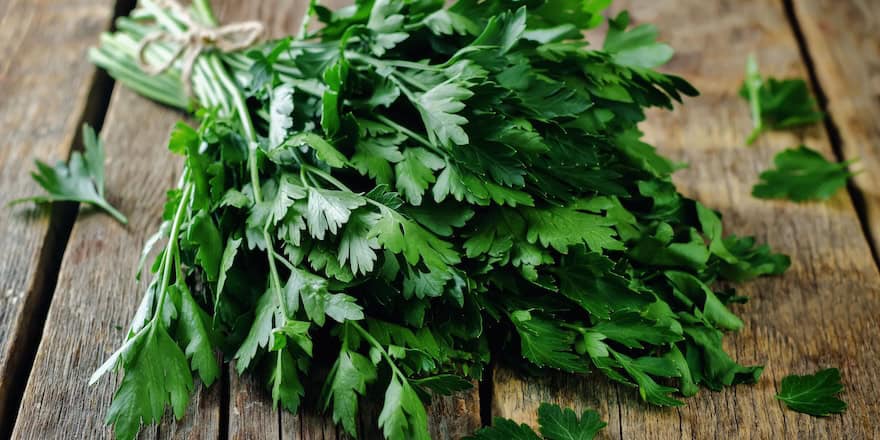
Rich in chlorophyll, vitamin C, iron and flavonoids, parsley contributes to liver detoxification, improves digestion and freshens breath.
Its PRAL index of -81.99 up to -108 in freeze-dried form makes parsley the number 1 on the list of alkaline foods.
I recommend adding it raw to your salads, soups, or dishes after cooking to preserve its nutrients. I also like to infuse it with spices and fruit peels for an alkaline, detoxifying herbal tea.
2. Mint
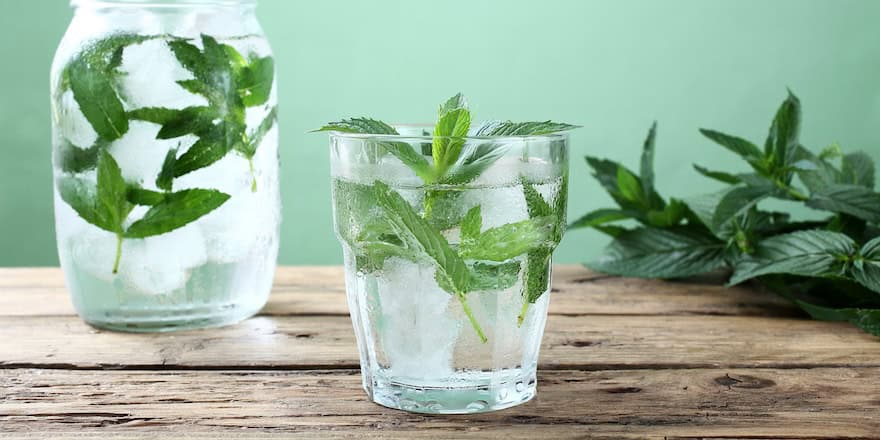
With its refreshing and alkalizing properties, peppermint is ideal for soothing the digestive system and boosting immunity.
It is rich in antioxidants and anti-inflammatory compounds. Its PRAL score is -55.
Brewed with tea, in your fruit salads, or to flavor your smoothies, you can easily incorporate it into your wellness routine.
3. Turmeric
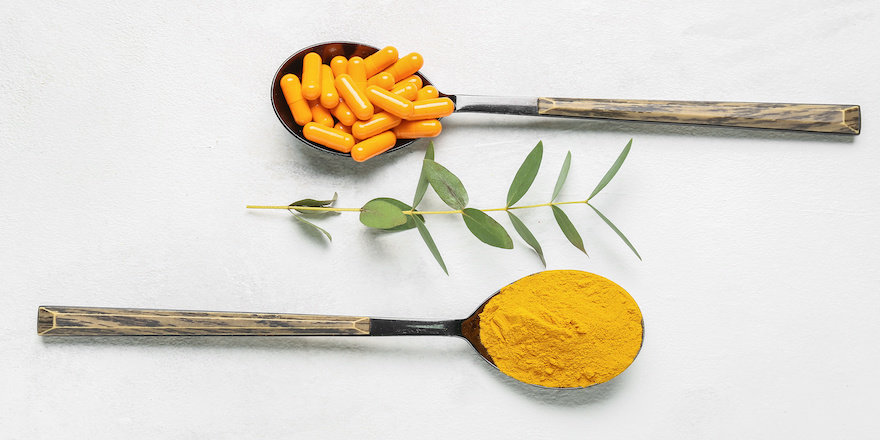
With curcumin as its main active, turmeric has powerful anti-inflammatory and antioxidant properties.
Like other spices, its PRAL score is low and helps reduce the body’s acidity: -46.7.
Spice up your dishes for more flavor. Turmeric can be sprinkled into your curries or hot drinks, and ideally is paired with black pepper for better absorption of its curcumin.
📚 Read also | Which turmeric capsules are the best?
4. Spinach
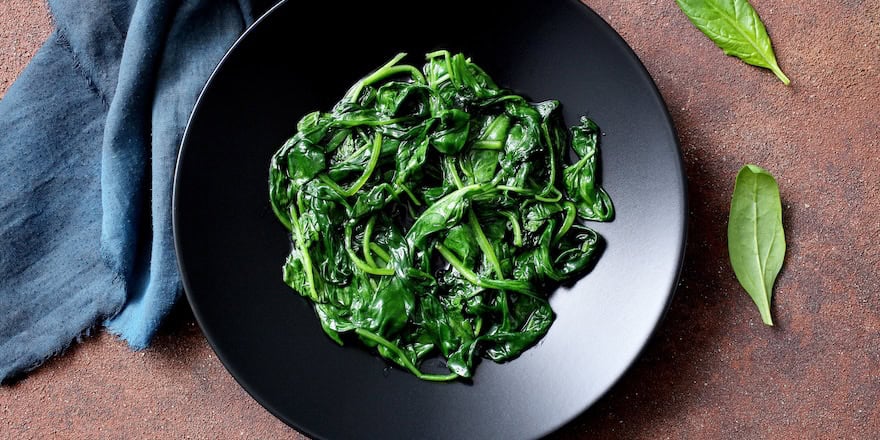
Spinach is one of the most alkaline leafy greens. It is rich in chlorophyll, iron, calcium, and antioxidants.
Its nutrients help detoxify the body, strengthen bones, and improve blood circulation.
They can be sautéed, with garlic for example. I also like them raw, in a salad, or in a green smoothie.
5. Dried apricots
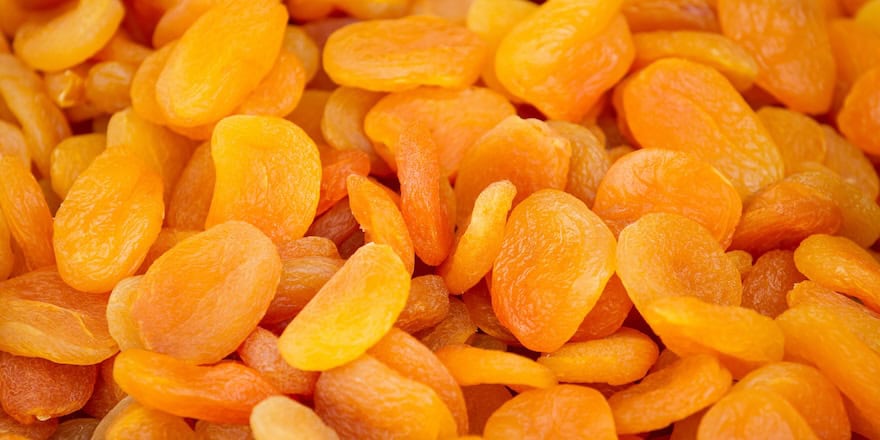
Thanks to their high mineral content such as potassium and magnesium, their PRAL index is -21.66. It is the most alkaline fruit.
Dried apricots promote digestion thanks to their fiber and provide energy, just like prunes or dried figs.
Enjoy them as a snack or added to your muesli in pieces. I also use them to alkalize sweet-and-savory recipes such as tagines.
6. Avocado
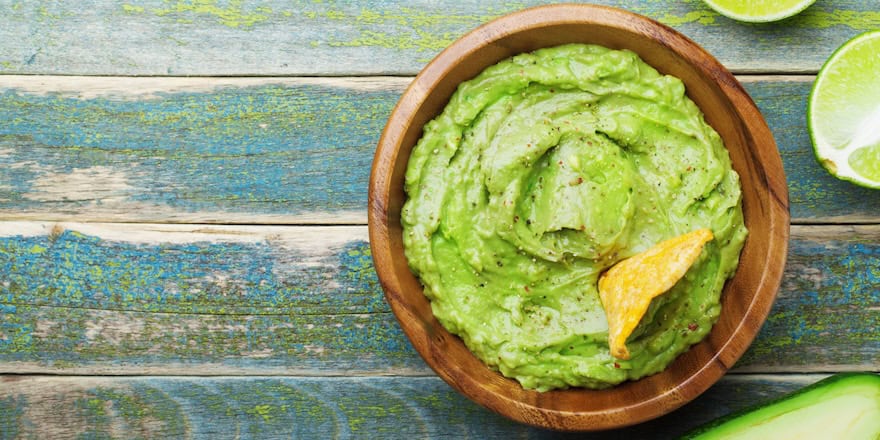
Rich in healthy fats, the avocado is an alkaline superfood. It contains essential nutrients like potassium, fiber, and vitamins C, E, and K.
Its PRAL index is -8.19. Its anti-inflammatory properties help balance the body’s pH while promoting cardiovascular health.
You can add avocado slices to your salads or make homemade guacamole, my favorite way to enjoy its benefits.
7. Banana
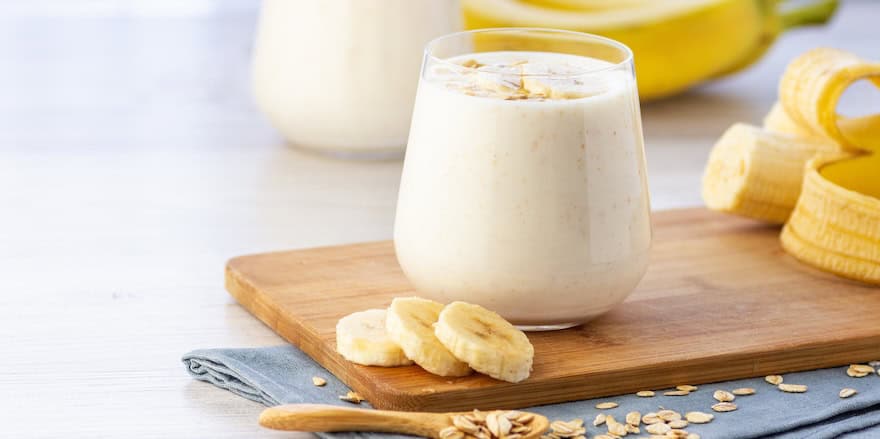
With a PRAL index of -6.9, the banana is an alkaline fruit rich in potassium, magnesium and B vitamins.
It helps balance the body’s pH, reduces muscle cramps and improves digestion thanks to its fiber content.
It has become the trendy ingredient in banana bread, banana pancakes, or to complement smoothies.
8. Defatted cocoa powder
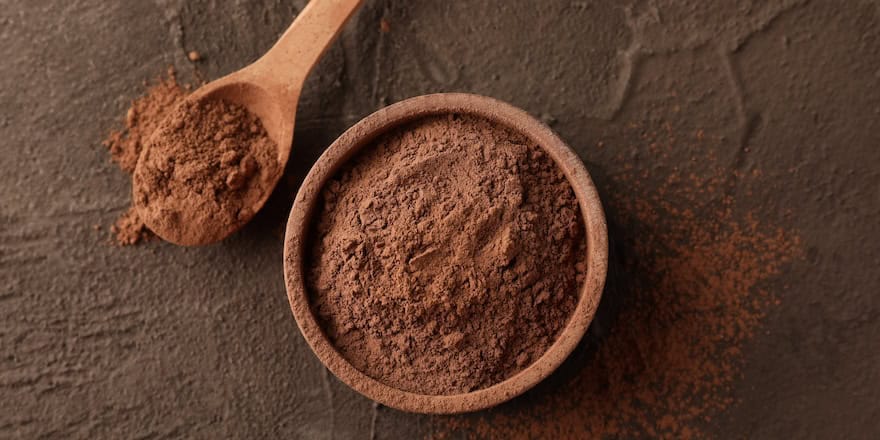
Unsweetened raw cacao is an alkalizing food rich in magnesium, iron and powerful antioxidants like flavonoids. PRAL index: -30.70.
It protects cardiovascular health, reduces oxidative stress and promotes well-being.
Enjoy it indulgently! I invite you to mix cocoa powder with plant-based milk for an alkalizing and soothing drink.
9. Chestnut

Source of complex carbohydrates, rich in fiber, B vitamins and minerals such as potassium, the PRAL index of the chestnut is -8.99 while that of the almond is +2.3.
It supports digestive health and provides energy with an average of 180 to 200 calories per 100 grams.
You can eat them roasted, mashed, or use their flour for your non-acidifying pastries.
10. Sweet potato

Rich in beta-carotene, vitamin C, potassium and fiber, it is a good alternative to starchy foods and to more acidifying conventional cereal products.
With a PRAL index of -8.19, it promotes eye health, supports the immune system and the body’s pH balance.
You can prepare it mashed, as oven-baked fries, or in stews, like the potato. Its flour is also increasingly used in baking for alkaline and gluten-free desserts; I recommend it.
My tips for an alkaline diet
An essential alkaline habit I suggest: stay well hydrated by alternating still and sparkling waters. This allows the body’s various excretory organs, such as the kidneys and liver, to better eliminate waste and better reduce body acidity.
Try to limit animal proteins, ultra-processed foods, cereals, salt, and sugary products on a daily basis. Some medications can also disturb blood pH, as shown by this study.
Finally, keep this nutritional message in mind: give plants a prominent place, especially fruits, vegetables, spices and herbs, as suggested by the acid-base hypothesis on aging.
Sources and scientific studies
Welch, A. A., Mulligan, A., Bingham, S. A., & Khaw, K. T. – Urinary pH is an indicator of dietary acid-base load, fruit and vegetables, and meat intakes in EPIC-Norfolk. European Journal of Clinical Nutrition, 2008
Frassetto, L. A., Todd, K. M., Morris, R. C. Jr., & Sebastian, A. – Diet, evolution, and aging: The acid-base hypothesis. European Journal of Nutrition, 2000
Kreisberg and W. – Drug and chemical-induced metabolic acidosis – Clinics in Endocrinology and Metabolism, 1983
