


The thyroid is an endocrine gland located at the base of the neck: it produces hormones, triiodothyronine (T3) and thyroxine (T4), which send messages throughout the entire body.
These thyroid hormones help regulate metabolism, body temperature, as well as digestion and growth.
In some cases, hormone production is disrupted and can lead to two types of disorders:
- hypothyroidism, when hormone production is insufficient. Metabolism slows down, leading to fatigue, sensitivity to cold, or weight gain.
- hyperthyroidism, when production is excessive. Metabolism speeds up, which can cause nervousness, weight loss, or palpitations.
Depending on the disorder, medical treatment is necessary.
Although it cannot on its own correct a thyroid disorder, diet can also support hormone production, limit certain imbalances… or, on the contrary, worsen symptoms.
In this context, which are the foods to avoid in case of hyperthyroidism or hypothyroidism? I have broken down the studies on the subject.
🎧 Listen to the podcast | How to fight inflammation?
1. Cruciferous vegetables, foods to limit in case of hypothyroidism?
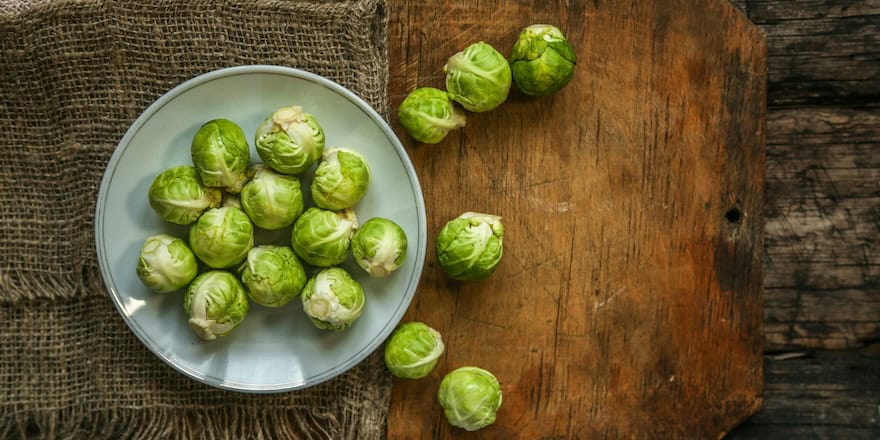
So‑called “goitrogenic foods” contain compounds (glucosinolates) that may interfere with the thyroid’s use of iodine.
They mainly include cruciferous vegetables, such as cabbage, broccoli, cauliflower, turnip, and radish.
In people with hypothyroidism or iodine deficiency, excessive consumption could theoretically slow the production of thyroid hormones.
But in practice, cooking alters the structure of goitrogenic compounds and tends to reduce their biological activity. In other words, the goitrogenic effect remains minimal, especially if there is an adequate iodine intake at the same time.
Without eliminating them completely, it is recommended to limit the consumption of goitrogenic foods in raw form.
2. Soy and its derivatives: be cautious in case of hypothyroidism
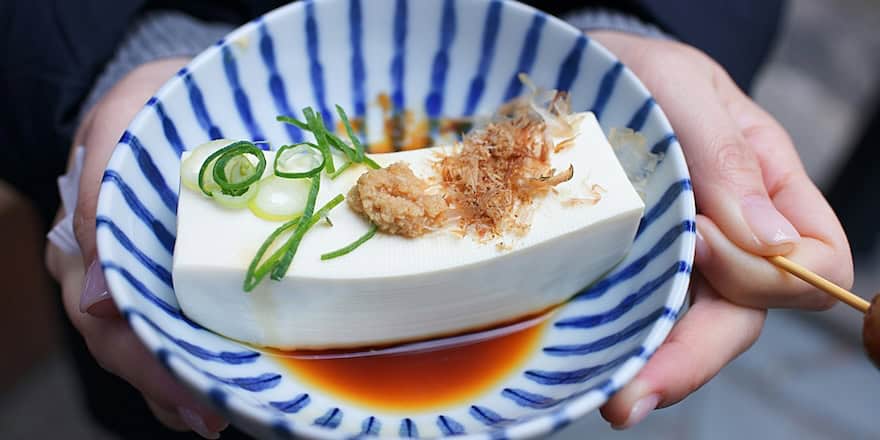
Soy contains isoflavones, and more specifically genistein, a compound capable of interfering with the thyroid.
According to some studies, soy may have a goitrogenic effect by inhibiting thyroid peroxidase (TPO), an enzyme essential for the synthesis of thyroid hormones. It is important to note that this mechanism has been observed in vitro and that further studies could be useful.
Another review points out that this effect is mainly problematic in cases of iodine deficiency or in patients with hypothyroidism. In addition, soy can reduce the absorption of levothyroxine, which may require a adjustment of treatment in some patients.
3. Iodine: essential… but a double-edged sword
Iodine is an essential element for the proper functioning of the thyroid since it is necessary for the synthesis of thyroid hormones. A deficiency can lead to hypothyroidism, but an excess can also disrupt the gland.
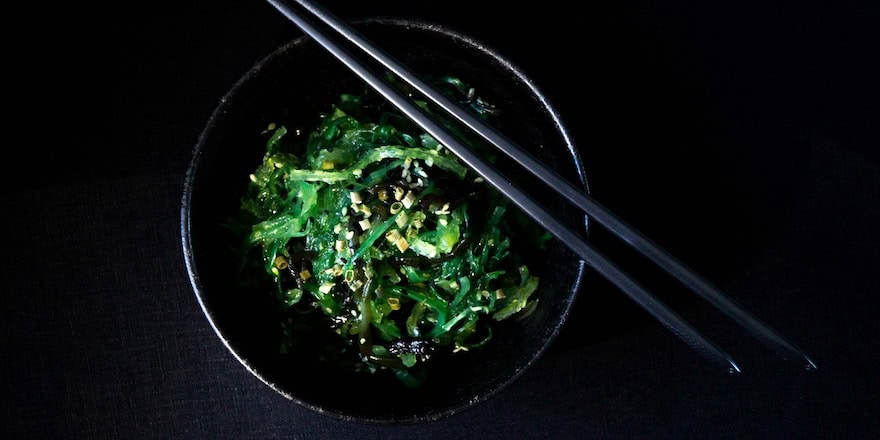
In case of hypothyroidism, it may therefore be useful to consume iodine-rich products such as seaweed (in flake form, for example), dietary supplements, or certain seafood.
However, iodine intake must remain balanced: an excess can be problematic in cases of hyperthyroidism, and for some people with Hashimoto’s thyroiditis. If in doubt, talk to your healthcare professional.
Here’s an interesting fact: a study showed that excessive iodine intake could also increase the risk of hypothyroidism, particularly autoimmune hypothyroidism.
4. Ultra-processed foods: an indirect aggravating factor

Ultra-processed foods do not directly target the thyroid, but should be limited in case of a disorder.
They create conditions that favor imbalances:
- high sugar intake, which promotes metabolic disorders,
- excess sodium,
- insufficient micronutrient intake (including iodine),
- presence of additives, whose long-term effects on health are still debated.
All these factors are associated with a low-grade inflammatory state according to several studies, and create conditions favorable to the development of autoimmune diseases such as Hashimoto’s thyroiditis.
Nevertheless, no direct evidence has been found between thyroid disorders and ultra-processed foods.
It is therefore recommended to limit, without completely banning, this category of foods, in favor of high-quality whole foods.
5. Gluten: especially in the case of autoimmune disease
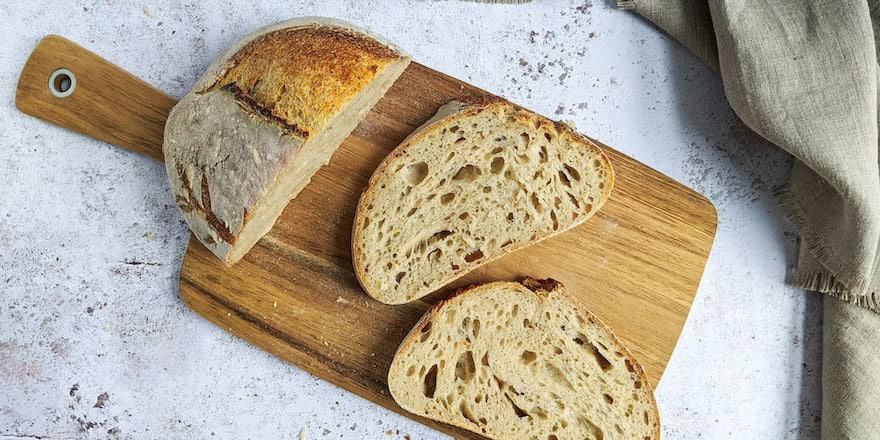
Gluten is often mentioned in cases of thyroid disorders. However, the link between gluten and the thyroid mainly concerns autoimmune diseases, such as Hashimoto’s thyroiditis. It is especially observed in cases of associated celiac disease, due to a shared autoimmune background.
Some studies therefore suggest that a gluten-free diet could improve certain biological markers in patients with Hashimoto’s. But the data remain limited and do not allow recommending gluten avoidance in the absence of diagnosed celiac disease or proven sensitivity.
Adapt rather than ban
In the case of a thyroid disorder, the goal is not to multiply restrictions, but to better target the categories of foods to limit:
- goitrogenic foods are only problematic in case of excess and especially when raw
- soy must be monitored in cases of hypothyroidism
- iodine requires a fine balance, not too much and not too little
- ultra-processed foods promote an unfavorable inflammatory state
- gluten mainly concerns autoimmune forms associated with celiac disease
In other words, a varied, minimally processed diet adapted to the type of disorder (hypothyroidism, hyperthyroidism, or Hashimoto’s) remains the most relevant strategy.
In the event of thyroid disorders, we recommend nutritional follow-up with a healthcare professional in addition to medical monitoring, in order to avoid unnecessary and sometimes counterproductive restrictions.
Sources and scientific studies
- Bajaj JK, Salwan P, Salwan S. (2016) Various Possible Toxicants Involved in Thyroid Dysfunction: A Review.
- Marini H, Polito F, Adamo EB, Bitto A, Squadrito F, Benvenga S. (2012) Update on genistein and thyroid: an overall message of safety.
- Messina, M., & Redmond, G. (2006). Effects of soy protein and soybean isoflavones on thyroid function in healthy adults and hypothyroid patients: a review of the relevant literature.
- Teng, W., Shan, Z., Teng, X., Guan, H., Li, Y., Teng, D., Jin, Y., Yu, X., Fan, C., Chong, W., Yang, F., Dai, H., Yu, Y., Li, J., Chen, Y., Zhao, D., Shi, X., Hu, F., Mao, J., Gu, X., … Li, C. (2006). Effect of iodine intake on thyroid diseases in China.
- Ciaffi J, Mancarella L, Ripamonti C, Brusi V, Pignatti F, Lisi L, Ursini F. (2025) Ultra-Processed Food Consumption and Systemic Inflammatory Biomarkers: A Scoping Review. Nutrients.
- Krysiak, R., Szkróbka, W., & Okopień, B. (2019). The Effect of Gluten-Free Diet on Thyroid Autoimmunity in Drug-Naïve Women with Hashimoto’s Thyroiditis: A Pilot Study.
