


They are among the essential nutrients to include in your daily diet! Proteins ideally account for 15 to 25% of your total daily energy intake.
Their many physiological roles make them indispensable. Muscle mass, skin, hair, and nails: they structure our various body tissues, renew them, and support their growth.
Proteins are made up of amino acids, 9 of which are essential, and can only be supplied by food.
Eating protein also helps you feel fuller for longer. An interesting effect during weight loss or in cases of satiety disorders.
I’m sharing with you the 10 foods richest in animal and plant proteins that I recommend as a dietitian-nutritionist. I’ll let you choose your favorites to add variety and enjoyment, while taking care of your health.
📚 Read also | The 4 best whey isolates to stock up on protein
1. Spirulina

Protein content: 57.7 g / 100 g
Its exceptional nutritional composition has earned it the label of a superfood, the richest in plant proteins.
Unlike most plant-based protein sources, spirulina offers a complete amino acid profile.
The absorption of its proteins is therefore excellent and has nothing to envy from animal sources.
In addition to its proteins, it provides vitamins, minerals and antioxidants. It may also help detoxify the body and may have anti-inflammatory properties.
I recommend choosing it organic, in powder or flakes so you can easily sprinkle it on salads, savory sauces or smoothies. Ideal dose: 1 to 5 g per day.
2. Bresaola (air-dried beef from Grisons)
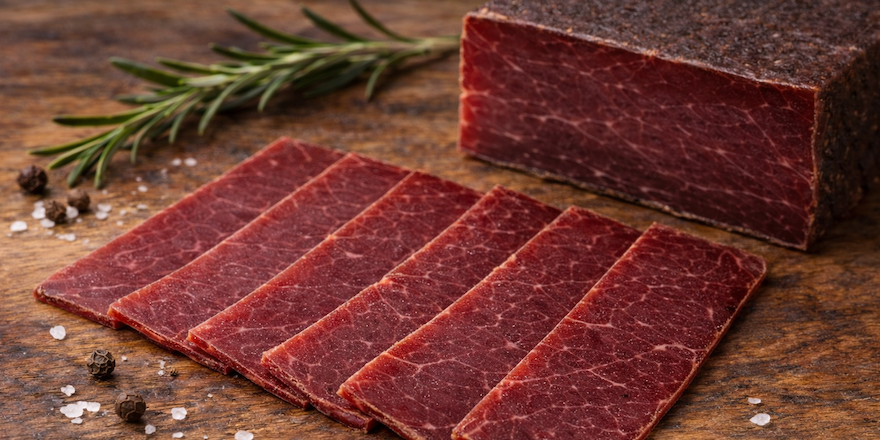
Protein content: 37 g/100 g
Made from beef, it is then dried. Low in fat, it is the food richest in protein and an exception, classified as lean cold cut meat.
Bündnerfleisch is an excellent choice for athletes. It is also rich in iron and zinc, essential for energy and immunity.
Enjoy it in thin slices with crunchy vegetables for a balanced, low-calorie appetizer. I recommend pairing it with a moderately seasoned dish to limit salt intake.
3. Soy

Protein content: 36 g/100 g
Known for its phytoestrogens, soy has also become popular for its high content of plant proteins.
Widely consumed in Asia, it is one of the few plant foods to contain all essential amino acids, like those we find in foods of animal origin.
Soy can absolutely be eaten without any other plant protein, as a substitute for meat or fish for example: tofu, tempeh, miso or in beans, it can be seasoned as you like.
On the other hand, soy milk is lower in protein, like cow’s milk (3.3 g/100 ml). Regarding its contraindications, for women with hormonal disorders, it is preferable to consume it in moderation.
4. Parmesan
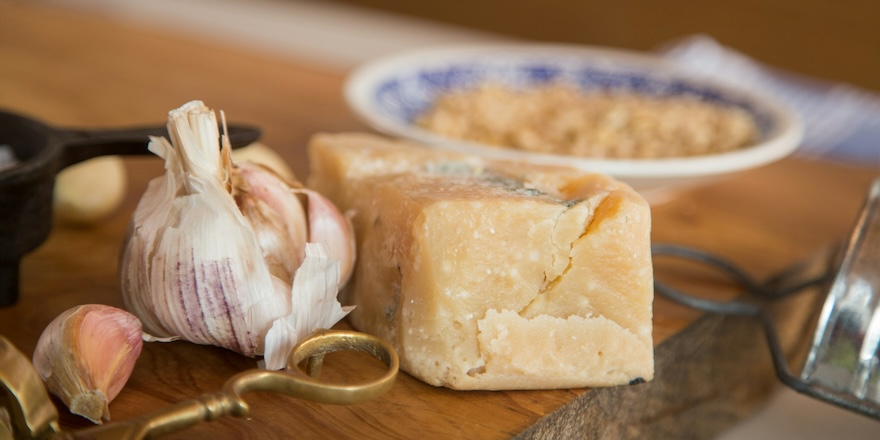
Protein content: 34 g/100 g
It is the cheese with the highest protein content, well above the average of 22 g of protein for the others.
Like most cheeses, it is also high in fat with an average of 29 g of lipids/100 g, rich in calcium and phosphorus, promoting good bone health.
Here is a benchmark: 15 to 40 g per person per day in order to limit the intake of saturated fats. Its strong flavor means it can be used in small quantities to fully enjoy its taste, grated over vegetables or al dente pasta, for example.
5. Chicken
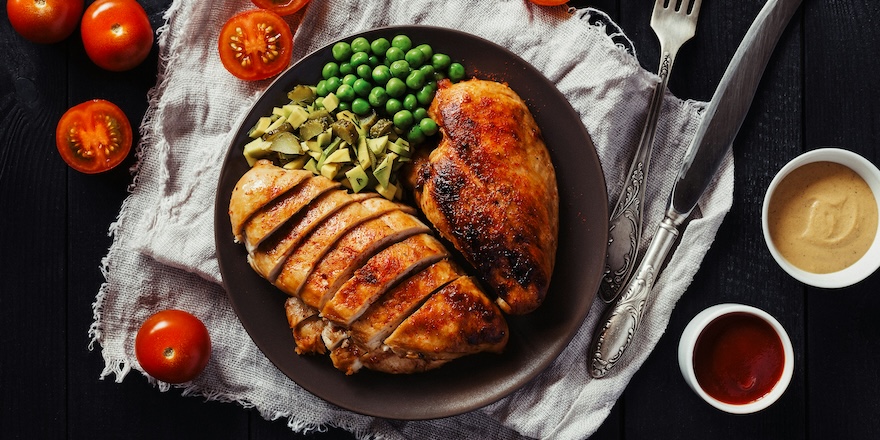
Protein content: 27 g/100 g
Chicken is a white meat appreciated for its lean protein content. It is also a source of vitamin B6 and phosphorus, important for energy metabolism.
It’s better to eat it without the skin, which is much fattier. Chicken can be eaten whole, roasted in the oven, or cut into thighs, drumsticks, or strips, seasoned with spices and served with vegetables.
6. Pumpkin seeds
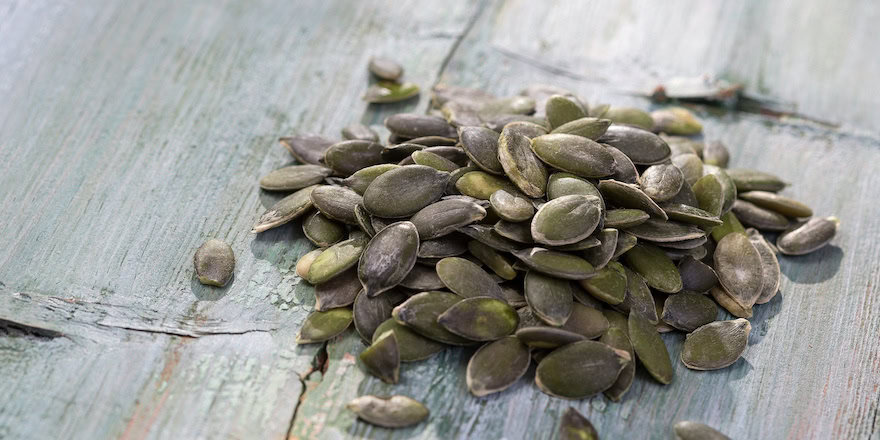
Protein content: 25 to 30 g/100 g
One of the most protein-rich seeds! They are ideal for vegetarians or vegans. Among its essential amino acids, all of which are present, two are fairly low in quantity: methionine and tryptophan.
Pumpkin seeds (or squash seeds) contribute to good cardiovascular health and to stress regulation thanks to their magnesium, zinc, and antioxidant content.
My tip for enjoying them: eat them grilled at any time of the day or in your salads to add more protein to your meals and a crunchy texture.
7. Tuna
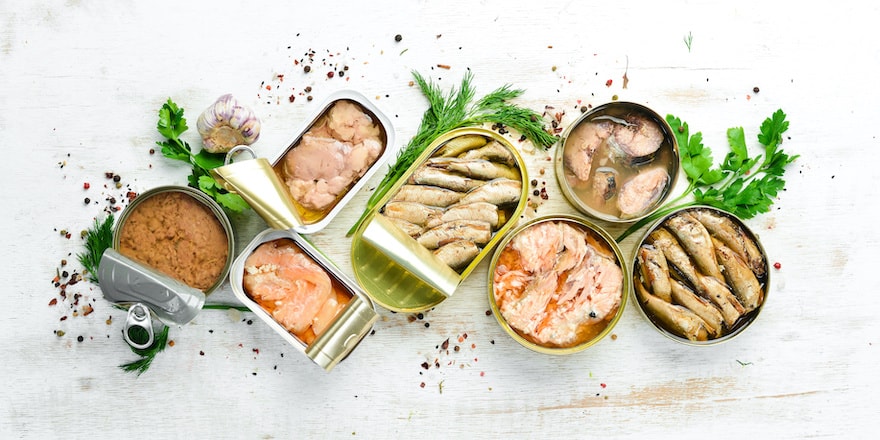
Protein content: 29.7 g/100 g
Among fatty fish, tuna is one of the richest in protein. Its lean white canned version is just as rich.
Rich in omega-3, vitamins B and D, it is very filling and ideal for a balanced diet.
Choose fresh tuna or tuna canned in brine or water and season it with lemon and herbs, a tandoori sauce or cream cheese.
8. Peanuts
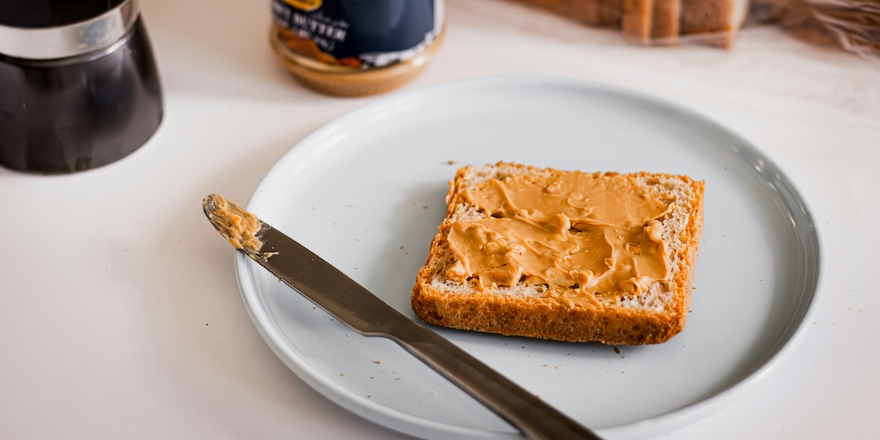
Protein content: 29.5 g/100 g
Thanks to their composition rich in protein and unsaturated fats, peanuts are particularly energy-dense and filling.
Their low glycemic index is suitable for a low-GI diet or in case of diabetes. Only people with allergies should of course avoid them.
I recommend eating them plain, with no added salt or sugar. You can use them in your sweet or savory recipes, whole, ground into a powder or in the form of peanut butter.
9. Fava beans
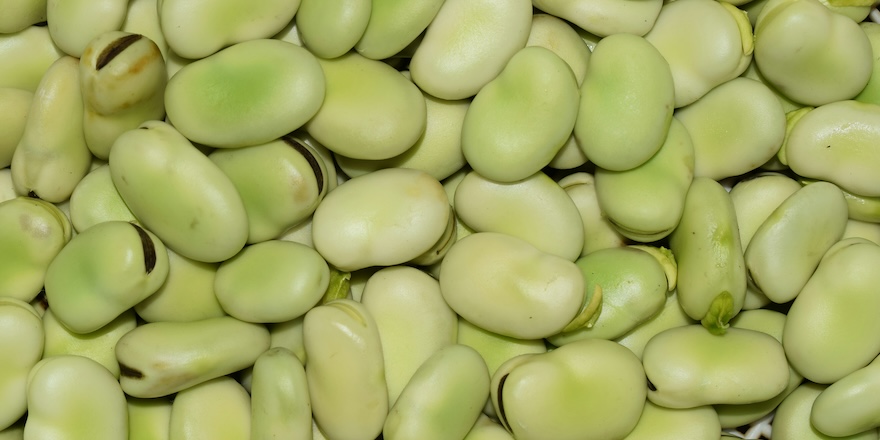
Protein content: 26 g/100 g
An excellent source of fiber, vitamins such as folate (B9) and minerals such as plant-based iron, fava beans are also the legume with the highest protein content.
They also stand out for their low calorie content, with an average of 60 to 80 calories per 100 g.
Fresh or cooked, they add crunch to appetizers or to your vegetable stir-fries. I also like to enjoy them with other legumes such as barley or quinoa for extra protein.
10. Eggs
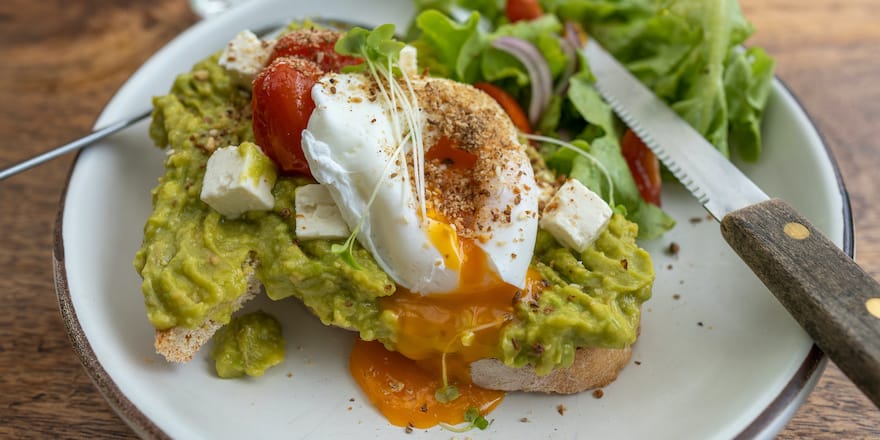
Protein content: 13 g/100 g
It is the reference protein in nutrition. In fact, thanks to its complete and well-distributed amino acids, its biological value is 100 (BV), which means that these proteins are of optimal quality.
For 1 egg, about 60 g, count an average of 6 g of protein, mainly concentrated in the egg white.
In cooking, it is versatile and good in all its forms: hard-boiled, fried, in an omelet, scrambled… You can have eggs for breakfast to get protein in the morning, in a savory version, or sweet, served with pan-fried bananas.
To meet your protein needs, I recommend varying between animal and plant sources to benefit from their different advantages.
Sources and scientific studies
Rachel L Batterham, Heffron H, Kapoor S, Chivers JE, Chandarana K, Herzog H, Le Roux,CW, Thomas EL, Bell JD, Withers DJ – Critical role for peptide YY in protein-mediated satiation and body-weight regulation – Cell Metab, 2006
Anne-Louize Lupatini, Colla LM, Canan C, Colla E. – Potential application of microalga Spirulina platensis as a protein source – J Sci Food Agric, 2017
