


Affecting about one in ten women worldwide, polycystic ovary syndrome is a common hormonal disorder.
The cause? A dysfunction in hormone production:
- LH, a female sex hormone that helps regulate the menstrual cycle and trigger ovulation. In the case of PCOS, its production is excessive, disrupts ovulation and leads to a high synthesis of androgens, the male hormones.
- insulin, the hormone that regulates blood sugar, which leads to resistance.
Common symptoms include acne, hirsutism, hair loss, as well as weight gain and irregular cycles. In the worst cases, PCOS is associated with an increased risk of type II diabetes and infertility.
To better manage this condition, I recommend paying particular attention to your diet and limiting these 5 categories of foods.
📚 Also read | The best dietary supplements for acne according to a naturopath
1. Foods high in sugar

Foods high in sugar are the first thing to avoid if you have PCOS. Why? Because sugar is a pro-inflammatory food.
It leads to an increase in insulin production, which in turn promotes:
- the increase in androgens
- the worsening of symptoms
- the risk of developing insulin resistance and type II diabetes
As shown by this systematic review, a controlled diet in the case of PCOS can have a beneficial impact on reducing insulin resistance.
So, even if they are not prohibited, limit sweets, pastries, candies, chocolates, and sodas. They’re real sugar bombs.
Regarding fruits, I recommend eating them with a source of fat (almonds, walnuts, hazelnuts…) and a source of protein (skyr, for example) to reduce the total glycemic load and avoid an insulin spike.
🎧 Listen to our podcast | Sugar or Life?
2. Fatty meats and cured/deli meats
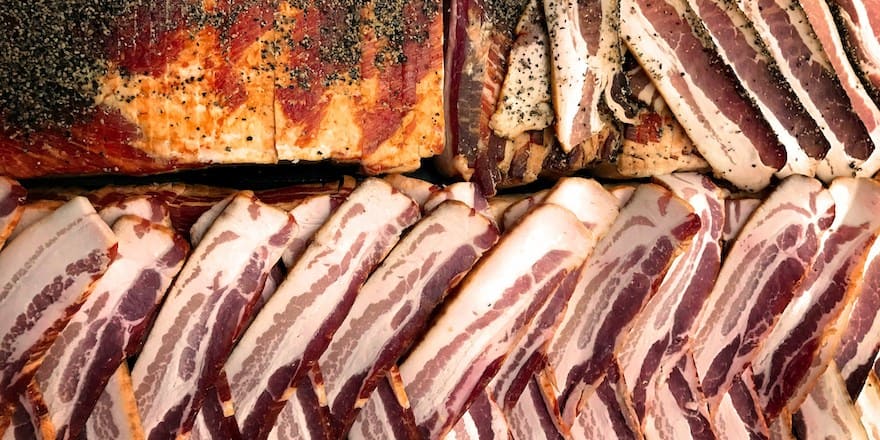
While healthy fats can be consumed without issue, I recommend limiting an excessive proportion of saturated fats.
Their consumption could trigger a stronger molecular inflammatory pathway than in women without the condition. This could have an impact on hyperandrogenism and the risk of atherosclerosis.
This is what this recent study indicates.
To reduce the negative effects of saturated fats, avoid fatty meats. Processed meats and fried foods in large quantities.
Prefer healthy omega-3-rich fats such as canola or flaxseed oil, salmon, walnuts…
3. Alcohol

It’s no secret, alcohol is a pro-inflammatory food! For people with polycystic ovary syndrome or not.
This review clearly highlights the link between gastrointestinal inflammation and alcohol consumption.
Consume it in moderation on special occasions or on weekends.
4. Ultra-processed foods
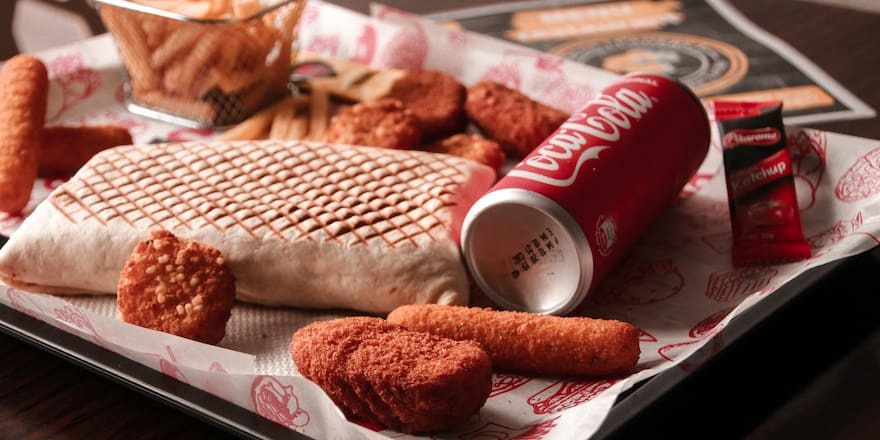
Ultra-processed products are often high in added sugars, high glycemic index carbohydrates, and saturated and trans fats. In other words, a perfect recipe to worsen PCOS symptoms.
While they can be convenient in everyday life, I recommend that you limit the use of ready-made meals, industrial pasta, instant soups, chocolate bars, and breakfast cereals.
When possible, opt for homemade dishes and whole foods.
Tip: to better choose your processed products, don’t hesitate to check the ingredient list. You can even use specialized apps to help you.
🎧 Listen to our podcast | Who’s afraid of ultra-processed foods?
5. High glycemic index carbohydrates
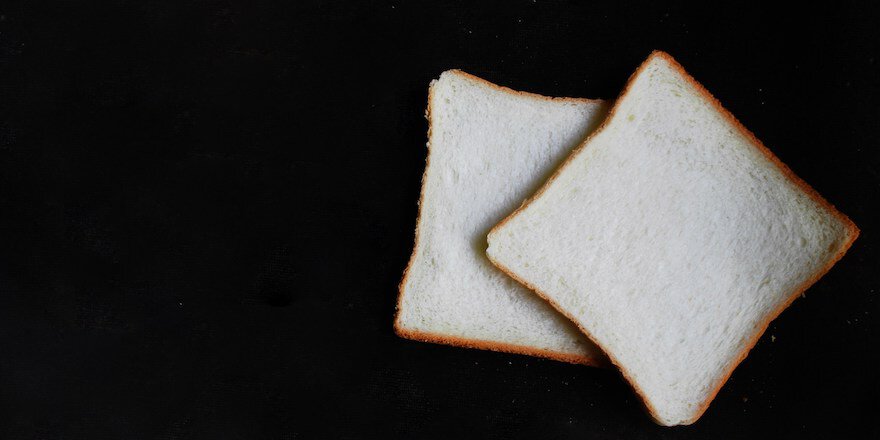
High glycemic index carbohydrates cause the same problem as sugary foods. They cause blood sugar to spike after consumption, which results in a sharp increase in insulin.
While you don’t need to eliminate them, eat white bread, white pasta, and all refined grain products in moderation. Also be cautious with mashed potatoes, certain fruits (watermelon), and vegetables (turnip).
To reduce their impact on blood sugar, pair them with a source of fat or protein.
Alternatively, I recommend adding whole grains or legumes to your meals, which are high in fiber and have a low glycemic index.
They could lead to an improvement in the clinical characteristics of PCOS. This is mentioned in this review, although the scientific evidence to make a definitive recommendation is not yet sufficient.
Sources and scientific studies
- Shang Y, Zhou H, Hu M, Feng H, 2020, Effect of Diet on Insulin Resistance in Polycystic Ovary Syndrome
- González F, Considine RV, Abdelhadi OA, Xue J, Acton AJ, 2021, Saturated fat ingestion stimulates proatherogenic inflammation in polycystic ovary syndrome.
- Bishehsari F, Magno E, Swanson G, Desai V, 2017, A. Alcohol and Gut-Derived Inflammation.
- Saadati N, Haidari F, Barati M, Nikbakht R, 2021, The effect of low glycemic index diet on the reproductive and clinical profile in women with polycystic ovarian syndrome: A systematic review and meta-analysis.
