


As its name suggests, an antispasmodic is a product that helps fight and relieve involuntary muscle spasms, generally located in the digestive system, sometimes even the urinary tract.
You know, those intense, often painful contractions often accompanied by other symptoms: constipation, diarrhea, bloating and flatulence ?
In everyday language, antispasmodics refer to medicines that are prescribed or available over the counter in pharmacies. But it is also possible to reduce the intensity of these spasms naturally.
Discover these 8 natural antispasmodics, plants and essential oils, my tips for using them and limiting stomach aches and spasms.
1. Turmeric

Turmeric has antispasmodic and analgesic properties thanks to its high curcumin content, which allows the relaxation of smooth muscles.
In general, this spice is known to help digestion, as indicated by this study.
By promoting bile production, turmeric helps with constipation and also helps to expel gas.
You can take it in the form of dietary supplements or by adding up to a teaspoon to a dish. I recommend taking it with a fat to help its absorption.
Note that turmeric herbal teas are not useful, the active compounds are lipophilic and do not mix with water.
Read also | What you need to know to choose the best curcumin
2. Magnesium
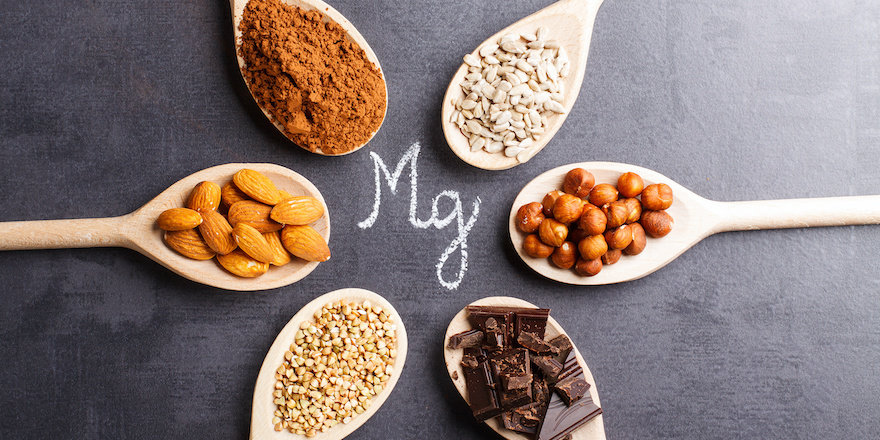
Magnesium is one of the most important minerals in the human body according to this study. One of its functions is to support the normal functioning of the nervous system and muscles, and it plays an important role in muscle contraction.
In the case of a magnesium deficiency, you may experience involuntary muscle contractions: spasms. A twitching eyelid is often linked to a magnesium deficiency.
To limit the occurrence of digestive spasms, provide your body with magnesium regularly through dietary supplements or through your diet: chocolate, nuts and seeds, certain mineral waters, legumes.
Read also | Best magnesium: a pharmacist’s opinion
3. Chamomile
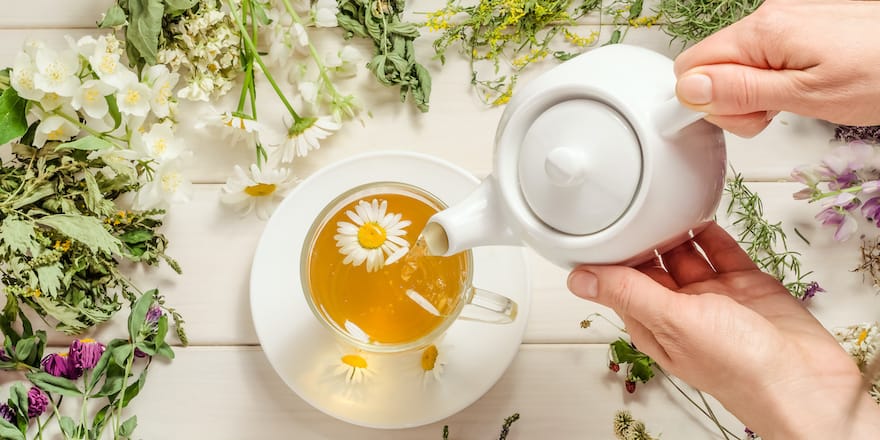
Studies show that German chamomile, or matricaria (Matricaria recutita), has antispasmodic properties, notably by inhibiting phosphodiesterase enzymes that have many modulatory roles.
I recommend using it as an herbal tea or in its essential oil form for a higher concentration of active compounds.
4. Star anise essential oil

The essential oil of star anise (Illicium verum) has antispasmodic properties that make it an ally against intestinal pain, as summarized in this publication.
It is generally recommended for stomach problems and aerophagia because of its anti-inflammatory properties.
Containing plant estrogenic molecules similar to our human hormones, it should be avoided in people with hormone-dependent cancer.
5. Bergamot essential oil
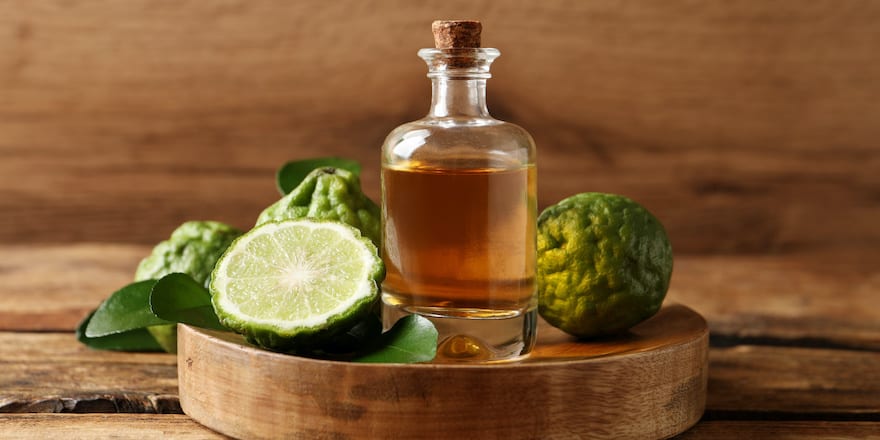
Bergamot is not just a citrus found in Earl Grey tea. It is also a fruit whose essential oil (Citrus Bergamia) has antispasmodic properties, which have been studied in these studies.
This essential oil may be particularly useful for relieving patients with irritable bowel syndrome, acting especially on constipation through its laxative action.
6. True lavender essential oil
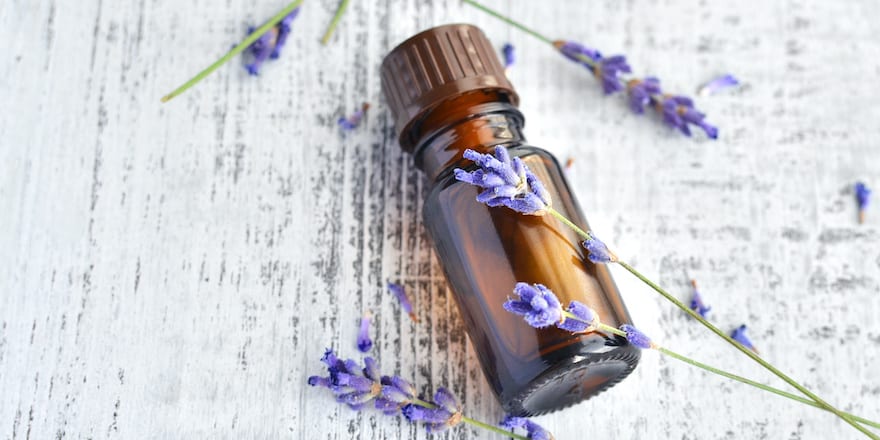
True lavender essential oil (Lavandula angustifolia) is a staple in the home aromatherapy kit, given its wide range of benefits.
Among its effects, true lavender acts as a natural antispasmodic on the digestive system. On this topic, I invite you to read this publication.
Its mechanism of action? The presence of the bioactive compound linalool acts on cAMP (cyclic adenosine monophosphate), which is involved in muscle contraction.
7. Rosemary essential oil
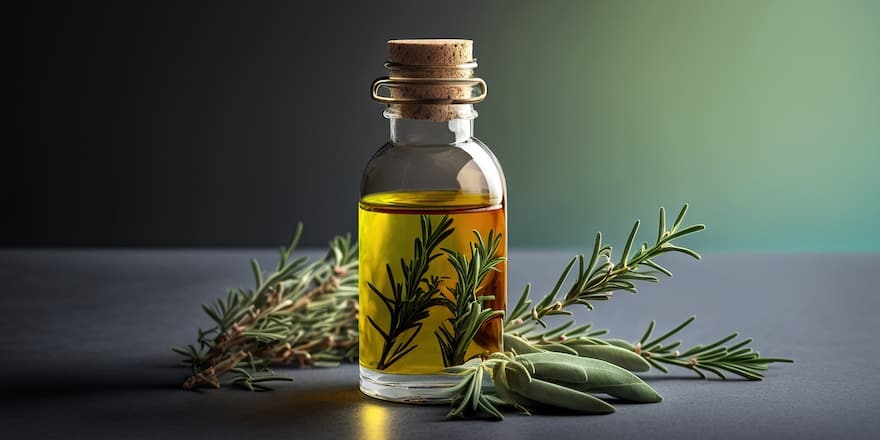
Rosemary essential oil (rosmarinus officinalis), known to help fight stress and stimulate memory, also has effects on stomach aches thanks to its antispasmodic action.
Its compounds act on noradrenergic receptors, which are involved in activation of the sympathetic nervous system and involuntary muscle contraction. By acting on these receptors, intestinal contractions are reduced, as is the resulting discomfort.
8. Peppermint essential oil
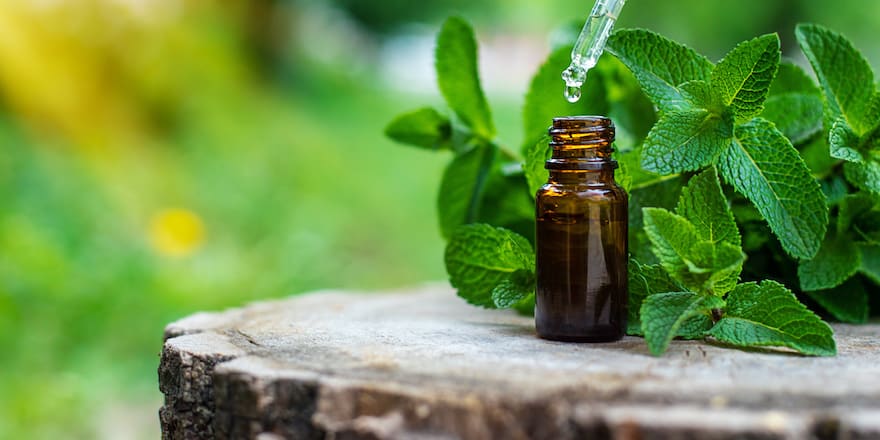
Peppermint (minta piperita) is one of the best-known natural solutions for combating the symptoms of the functional colopathy or irritable bowel syndrome, as I was able to discover in this study.
It is often recommended for abdominal pain for its antispasmodic effect, as well as for bloating and flatulence thanks to its carminative properties.
Its mechanism of action is similar to that of true lavender.
My advice for using antispasmodic essential oils
Using essential oils is great, but you still need to know how to handle them. Between doses, blends, and different applications, I’ll explain how to use the famous EOs safely.
Essential oils (EOs) are powerful natural products:
- Follow the manufacturers’ recommendations as well as any contraindications, especially for pregnant women and children.
- Perform an allergy test on the inside of the elbow 24 hours before use to avoid an adverse reaction.
- You can apply them topically together with a massage to the affected area, a way to combine the useful with the pleasant (they can penetrate the epidermal layers)
- Mix 3 to 4 drops of the essential oil of your choice with carrier oils: hazelnut, macadamia, sweet almond
- You can use essential oils synergistically, by making blends: fennel essential oil, clary sage and chamomile, for example. Ensure compatibility between the different oils.
When in doubt, seek advice from a healthcare professional.
My tips to reduce your stomach aches and avoid spasms
Some other natural remedies act directly or indirectly on intestinal spasms and can help reduce pain:
- Activated charcoal reduces aerophagia and relieves gas
- Some yoga poses are known to improve digestion and reduce bloating (spinal twists, cat and cow poses, wind-relieving poses, etc.)
- The green clay poultices soothe stomach aches with their anti-inflammatory properties
- The heat therapy (hot bath or applying a hot water bottle to the abdomen) has an antispasmodic effect due to its vasodilatory properties.
Of course, don’t do everything at once. I’m not convinced that a green clay poultice on the belly, in a hot bath while doing the cat pose, is the most effective (and safest) way to get rid of your pain.
