

It’s a bit taboo, but it’s a common condition that can affect much of our body. It’s simply an overgrowth of a population of pathogenic fungi.
On our skin, in our intestines, on mucous membranes and other places favorable to their development… What are the ideal conditions to trigger the onset of this type of infection?
- a humid environment (in skin folds, feet, genital areas …)
- a weakened immune system
- a direct contact with the fungus
- after antibiotic treatment that disrupts the flora
To address these infections, often resulting from the development of fungi of the genus Candida, there are, of course, medications.
But before going the prescription route, why not try a natural antifungal? Be careful—if they’re not effective, be sure to consult a healthcare professional promptly.
1. Ginger
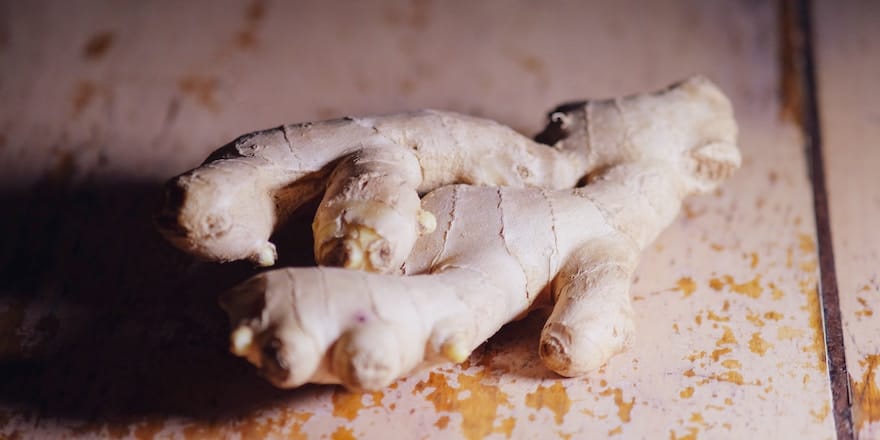
Ginger has been used for centuries in traditional medicine. Its composition, rich in gingerol, shogaol and zingiberene, gives it antimicrobial properties, including antifungal effects, as described by this study.
You can consume it fresh, in dishes, or as a tea to enjoy its benefits.
2. Essential oils
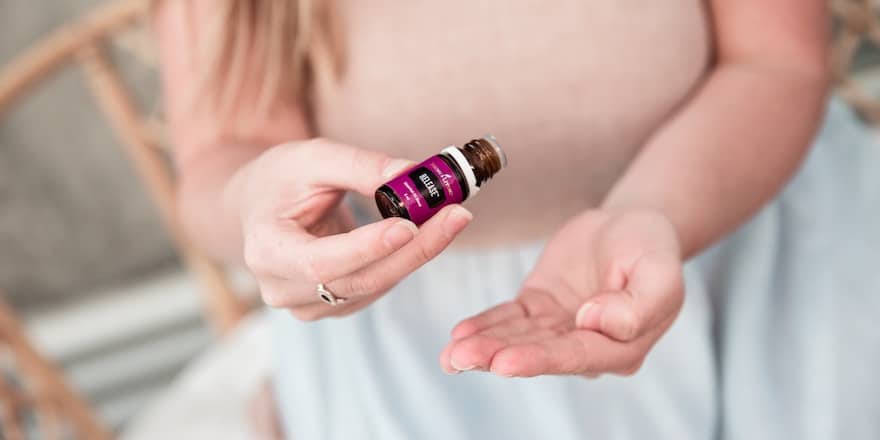
Among them are:
- the essential oil of tea tree (tea tree)
- the essential oil of oregano
- the essential oil of cinnamon
- the essential oil of thyme
- the essential oil of true lavender
While researching, I found this study, which confirms that these are the most promising antifungals.
I draw your attention to the fact that some essential oils are very potent and must be used diluted in a carrier oil. Follow the manufacturer’s usage precautions to use them safely and consult a pharmacist if in doubt.
3. Garlic
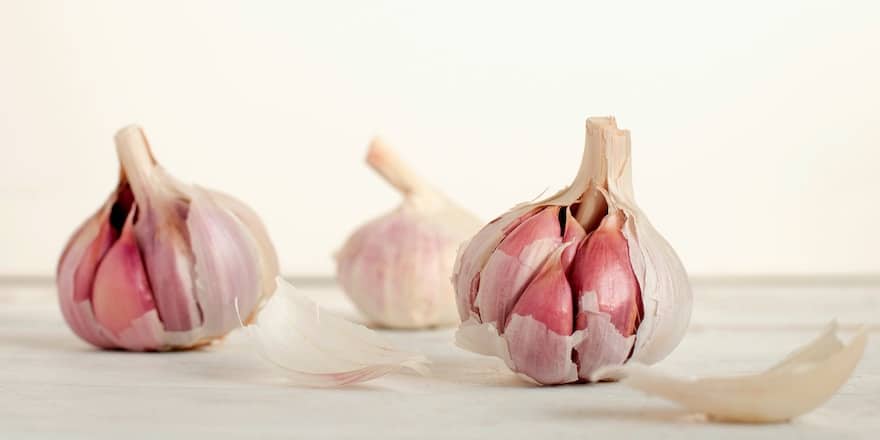
This study highlighted a composition rich in sulfur-containing molecules such as allicin from garlic. No wonder it is at the forefront of natural antifungals.
According to the research, it may inhibit the activity of certain pathogenic fungi and prevent their growth, notably Candida albicans.
You can consume it raw in a salad, add it to your dishes, or apply it locally to the area to be treated. Be careful, it can be irritating. I therefore recommend doing an initial patch test on the skin.
4. Apple cider vinegar
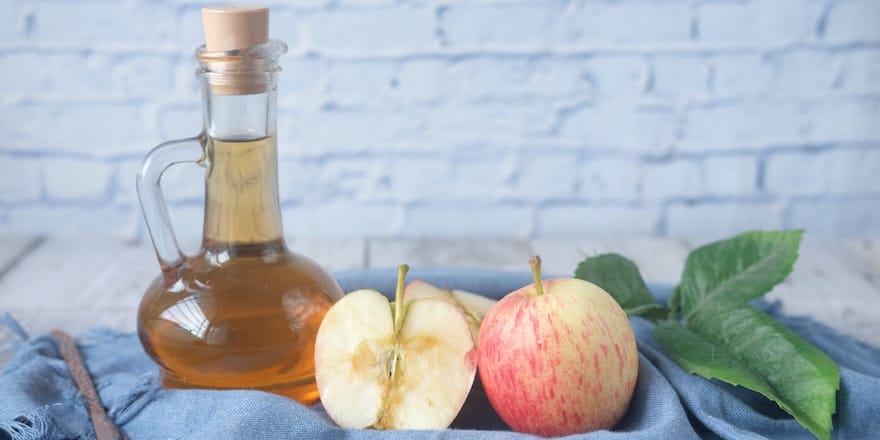
Using apple cider vinegar to treat everyday ailments is a true old wives’ remedy! The reason? Its acetic acid, which could target fungal cell walls to slow their growth and proliferation.
Its effect wouldn’t stop there, as it might help change the skin’s pH, making the environment less favorable for the fungi responsible.
Nevertheless, as shown by this study I found, scientific evidence is still lacking to validate its positive effects.
5. Grapefruit seed extract
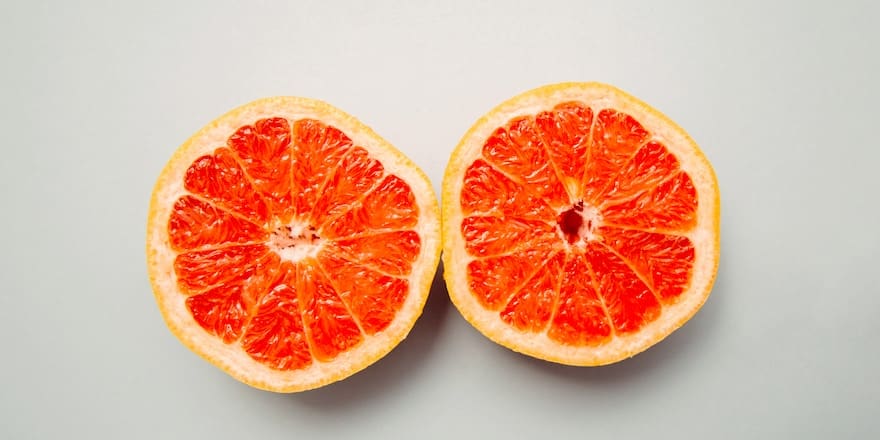
Grapefruit seed extract is reputed in natural health circles to help fight fungal infections. This study examined the topic.
It is rich in bioflavonoids, limonoids and vitamins C and E, compounds that themselves have fungicidal activity. Their action? They break the cell walls of fungi and prevent their multiplication!
I still think that additional studies should be conducted.
Regarding use, it can be applied locally to the area, or ingested via capsules. Always seek medical advice before using this type of product.
6. Turmeric
As with its other benefits, turmeric derives its effects from its main compound: curcumin.
This molecule would help to reduce the growth of the species responsible for the infection by disrupting their cell division and altering their membrane, as summarized in this analysis that I found.
To consume it, I recommend that you use it regularly in cooking as a preventive measure, but also as a dietary supplement, or as a topical application by mixing it with water to form a paste.
Also read | Our advice for choosing the best curcumin
7. Olive leaves

Olive leaf extract is rich in oleuropein, an active compound that would provide it with its natural antifungal effects.
This molecule could limit the spread of the fungus and strengthen natural defenses, as shown by this in-vitro study.
When taken, they are essentially effective as dietary supplements .
8. Coconut oil
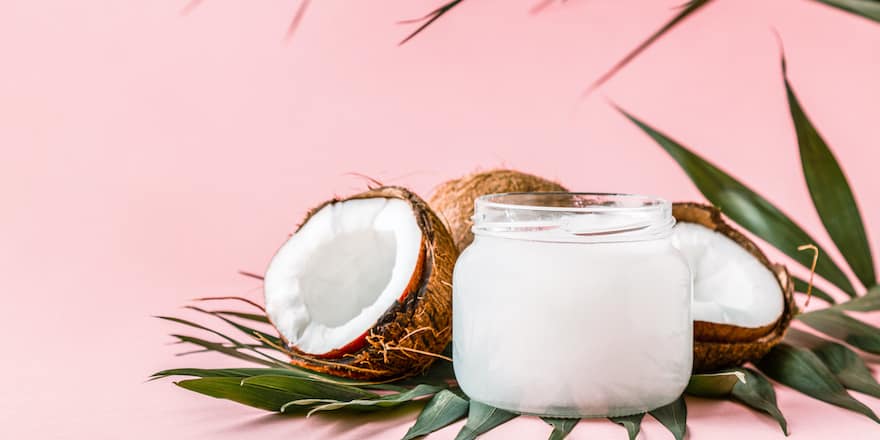
No, coconut oil is not just beneficial for hair!
Its majority of medium-chain fatty acids (lauric acid, capric acid and caprylic acid) have antifungal properties that are useful, notably for nail fungus. I invite you to consult this study on the subject.
Practically, it can be used both orally and topically.
9. Henna
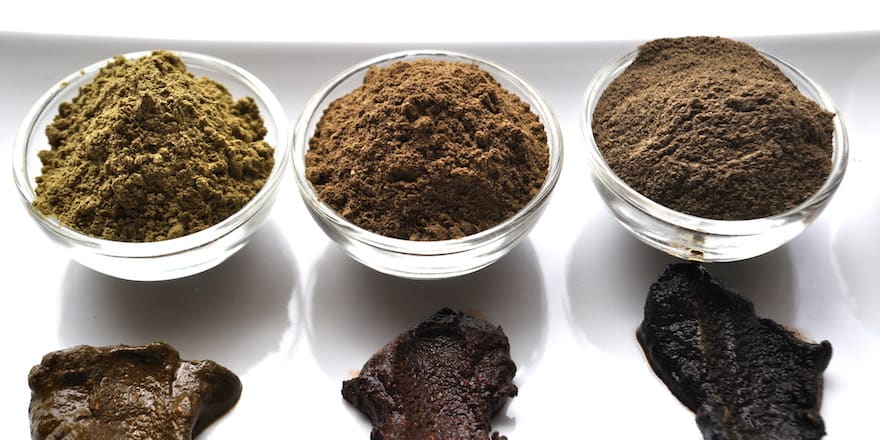
Used for temporary tattoos or as a hair treatment, henna’s uses do not stop there.
Lawsone, or hennotannic acid, the red-orange dye present in it, is a natural fungicide. It could interfere with the mechanisms of fungal proliferation!
That’s not all. Its astringent properties reduce moisture on the scalp or skin, which is unfavorable to pathogenic fungi that thrive in such environments.
10. Probiotics
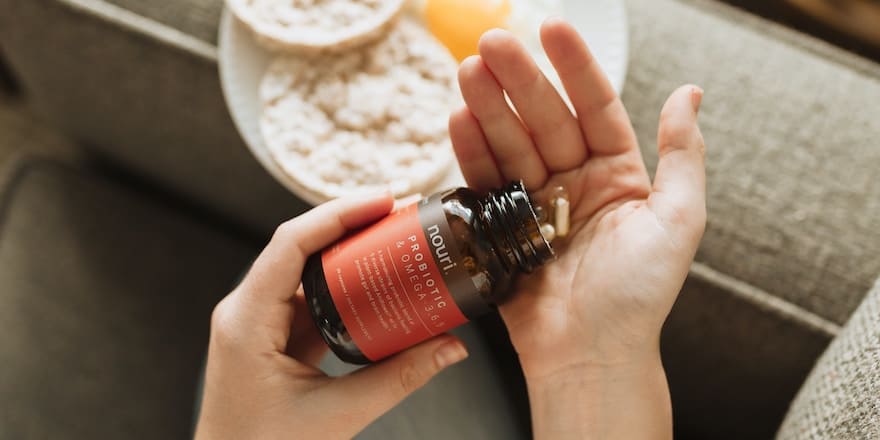
Finally, probiotics are a good solution to prevent fungal infections. Antibiotic treatment can disrupt the intestinal, skin, or vaginal flora.
And it’s precisely when your environment is weakened that fungi may take hold and grow.
To avoid having to undergo treatment, consider supplementing with probiotics during a course of antibiotics. The bonus? They alleviate potential side effects of the treatment, namely diarrhea and other digestive issues.
This study on the topic caught my attention. There may even be probiotic strains that could act when the fungal infection has already developed. A promising avenue for the future.
Also read | The 5 best probiotics according to a pharmacist
