


First, a brief reminder about digestion, which is the transformation of food into nutrients. To do this, the food bolus must pass through several stages, from the mouth to the colon.
Starting with chewing: the teeth grind the food and the amylase in saliva begins chemical digestion. Then the passage through the esophagus takes a few seconds.
Then comes the arrival in the stomach, where hydrochloric acid and enzymes begin breaking down proteins and lipids.
We continue with the passage into the first part of the small intestine: the duodenum. The presence of pancreatic and intestinal juices breaks down nutrients, and bile promotes the absorption of fats. We then move along the entire length of the small intestine, where the remaining nutrients are absorbed by the intestinal wall.
Les contractions intestinales facilitent l’avancée du bol alimentaire dans le côlon (le gros intestin), qui ne contient plus que des nutriments non assimilables, des fibres et des résidus, amenés vers l’anus pour évacuation.
Also read | A pharmacist’s advice on choosing the best digestive enzymes
On average, how long does it take to digest?
Offices are often quiet in the hours after a meal. And the digestion process is often blamed, as if it lasted 3 hours.
Sound familiar? Yet this cycle takes much longer! It is estimated that it takes about 24 hours on average to fully digest a meal.
This time can also be extended for heavier meals, and reach 72 hours in some cases.
While passage through the esophagus lasts only a few seconds, the rest of the journey is slower :
- about 4 hours in the stomach
- 6 hours on average in the small intestine
- 7-8 hours for the colon
- about 6 hours in the rectum
Between a 24-hour digestion and a 72-hour digestion, there is a significant difference. This gap is explained by several factors that can influence the progression of the food bolus.
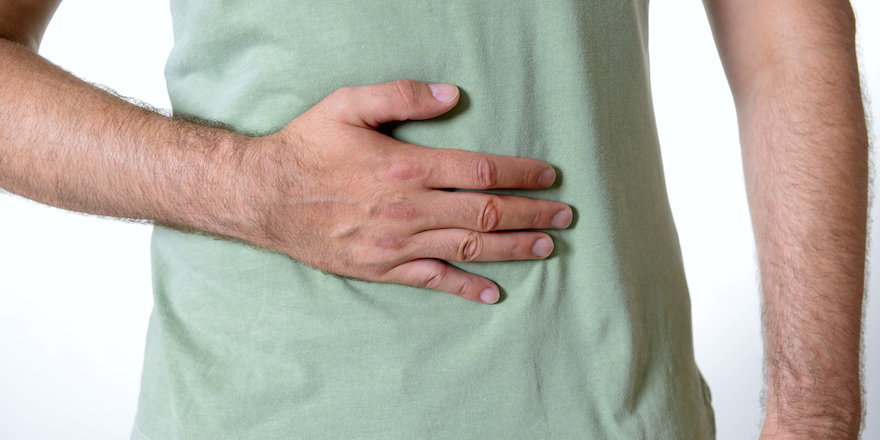
What factors influence digestion time?
The type of food
No, your green salad and your ribeye won’t be assimilated and digested at the same time. It’s precisely because not all foods are digested at the same rate that we advise against eating certain heavy dishes in the evening.
It’s in the stomach that foods differ most in their digestion time.
The fruit and vegetable juices, and more generally liquid foods, are very easy to digest, which also explains why they do not provide a lasting feeling of fullness.
Why? They don’t go through the entire digestive process: no chewing, the nutrients are already broken down, which makes the work easier. So it takes no more than 20 minutes for digestion in the stomach!
For whole fruits and vegetables, the time is a bit longer and averages about 1 hour. Unless you fry them and cover them in sauce, they contain a lot of water but little protein and fat.
For whole starchy foods and dried legumes, their nutrient richness combined with the presence of fiber allows gastric digestion of about 1 hour and 30 minutes.
Refined grains, for their part, are digested more quickly since they take about 1 hour.
Nuts like almonds, walnuts, hazelnuts, etc., have gastric digestion of several hours – about 3 hours on average – due to their high fat content.
As for fish and meats, it all depends on their composition! Lean meats and white fish are digested in less than 2 hours.
While fatty meats and fish are the last to cross the finish line leading from the stomach to the duodenum, the pylorus. Their gastric digestion time can exceed 4 hours.
Another enemy of rapid digestion? Alcohol. Its presence places a significant burden on the digestive system, especially when the alcohol content is high.
In summary, fiber promotes muscular contractions, which are called peristalsis, and leads to faster digestion, while cooked fats slow down the process. The key is to find the right balance between the two!
The richness of the meal
If you eat sparingly and in small amounts, your intestinal system has little work to do.
On the other hand, if you’ve just come from a large family meal or a fully loaded TV tray, there’s a greater chance that your digestion will be slow: grinding requires more effort, and digestive enzymes have a lot of nutrients to break down.

Physical activity
A good intestinal motility is an essential factor in good digestion and helps speed it up.
However, physical activity helps stimulate blood flow and contractions of the intestinal muscles. Result? The food bolus moves more quickly, preventing stools from hardening.
People who move regularly generally have fewer digestive problems than sedentary people.
Hydration
A good hydration facilitates intestinal transit and prevents constipation. Don’t forget to drink at least 1.5 L of water per day to ensure good digestion!
Read also | The 5 best probiotics according to a pharmacist
