

The body’s acid-base balance is essential for the proper functioning of the body. It consists of maintaining a stable pH in the blood and our tissues, slightly alkaline, around 7.4.
To adjust this pH, our body uses several mechanisms. Lifestyle, age and other factors either support or hinder these natural buffers.
Diet greatly influences this metabolic balance. Certain foods disrupt pH and, in the long term, can lead to disorders such as muscle wasting, high blood pressure or osteoporosis. These are called acidifying foods.
Conversely, others are known as alkalizing or basifying. In short, they help protect the body from this possible acidification.
Acidifying foods to limit
The PRAL index
For them, the PRAL index is positive, meaning greater than zero: Potential Renal Acid Load, a recent indicator that assesses the acid (or alkaline) load of a food. When the PRAL index is lower, the food is, on the contrary, non-acidifying.
In general, modern diets contain several of these ingredients in excessively large quantities, hence the importance of identifying them.
Acidifying foods are those which, once digested and metabolized, increase the production of acids and lead to the renal loss of bicarbonates such as calcium.
Animal proteins
Rich in sulfur-containing amino acids, excess animal protein (I do mean in excess!) stimulates the production of sulfuric acid, which can accumulate in the body.
- cheeses with an average PRAL index higher than 23
- meats such as veal escalope (with a PRAL index of 19) and cured meats
- fish, shellfish and crustaceans
- eggs (to a lesser extent)
I encourage you to vary your sources of protein, particularly with less acidifying plant-based options, and always accompany them with alkaline vegetables and/or fruits.
Cereal products
For the same reasons as meat, grains and certain legumes release sulfur derivatives. The most acidifying are:
- white and whole flour with a PRAL index of 6.98
- white and whole bread
- pasta
- white and whole rice
- lentils
- green peas
Combine them with vegetables when you eat them and still favor their whole versions for more minerals and fiber.
Table salt
Eating too much salt can promote acidosis due to the presence of chlorine, which produces hydrochloric acid. The formula for salt is NaCl: sodium chloride.
In excess, it also causes other complications such as high blood pressure, water retention and leads to calcium loss, which can result in kidney stones or bone demineralization.
This is not the case for potassium salt, which can actually help buffer the body’s acidity.
If you tend to add a lot of salt, you can make your own blend that brings other flavors, helps reduce the added amounts, and helps buffer acidity. Homemade salt recipe: ¼ table salt, ½ potassium salt, and ¼ gomasio.
Ultra-processed foods
They have few benefits for our health: too salty, too sweet, too fatty and rich in acidifying grains, so they should be avoided.
Same goes for sodas. These industrial drinks contain phosphoric acid, which forces the body to draw on its bicarbonates to regulate their acidity.
Foods with an acidic taste but that are not acidifying
Acidic fruits
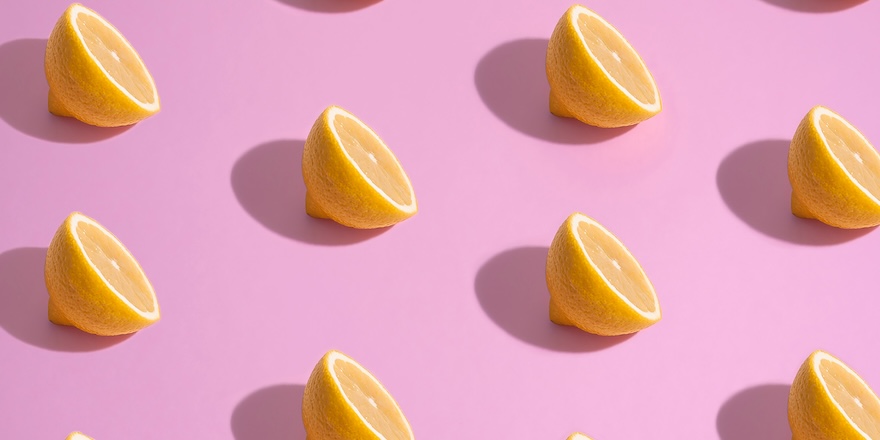
Their sensory characteristic is linked to the presence of natural acids such as citric acid or malic acid, to which the tongue is very sensitive. For most of them, there is no associated acidifying effect, contrary to popular belief.
Their richness in vitamin C and antioxidants makes them particularly interesting to consume. Especially since the alkalizing effect of these acidic fruits truly helps maintain acid-base balance.
- citrus fruits: lemon, grapefruit, pomelo, clementines, mandarins
- pineapple
- kiwi
- certain apples
- tomato
Fermented products
With their distinctive taste, they nevertheless offer other nutritional benefits. They belong to the family of natural probiotics, an essential support for the microbiota and digestion.
- plain yogurts
- kefir
- sauerkraut
- kimchi
- pickles
Only yogurts have a positive PRAL index and are acidifying. Kefir, for its part, is considered neutral (0), even though it is of animal origin.
📚 Read also | What are the best probiotic supplements?
Acidic drinks
Without necessarily being acidifying, they can nevertheless promote dental erosion, which leads to bothersome tooth sensitivity.
- fruit juices, particularly citrus
- iced teas
- energy drinks
- alcoholic beverages
- coffee
- vinegars
How can you protect your teeth from acidic foods?
Preferably, use a straw to drink them (except for vinegar), rinse your mouth with water after consuming them, then brush your teeth without too much delay whenever possible.
Very often, these drinks are also high in sugar for the most part, another enemy of teeth and harmful to health in excess.
Acidic foods can influence the pH of the mouth and dissolve the minerals that make up enamel. However, they are not acidifying for the body after metabolization.
To counterbalance this effect, add some crunch, for example, when you eat a salad dressed with vinaigrette or drink wine.
Chewing sugar-free gum can also protect you: saliva helps remineralize enamel and they are alkalizing : PRAL index of -50.
Sources and scientific studies
Buclin, T., Cosma, M., Appenzeller, M., et al. – Diet acids and alkalis influence calcium retention in bone health. Osteoporosis International, 2001
Remer, T., Dimitriou, T., & Manz, F. – Potential renal acid load of foods and its influence on urine pH – The Journal of the American Dietetic Association, 2003
Adrian Lussi, Brigitte Megert, R Peter Shellis, The erosive effect of various drinks, foods, stimulants, medications and mouthwashes on human tooth enamel, Swiss Dent J, 2023
