

 SCIENTIFIC VALIDATION
Laure Fourchaud – 07.07.2021
PhD in nutritional physiology
BENEFITS OF ASHWAGANDHA
✓ Helps reduce stress and anxiety
✓ Strengthens the body and increases muscle mass
✓ Boosts testosterone and fertility in men
✓ Contributes to improving cognitive abilities, particularly memory.
✓ Natural “antidepressant”
What is ashwagandha?
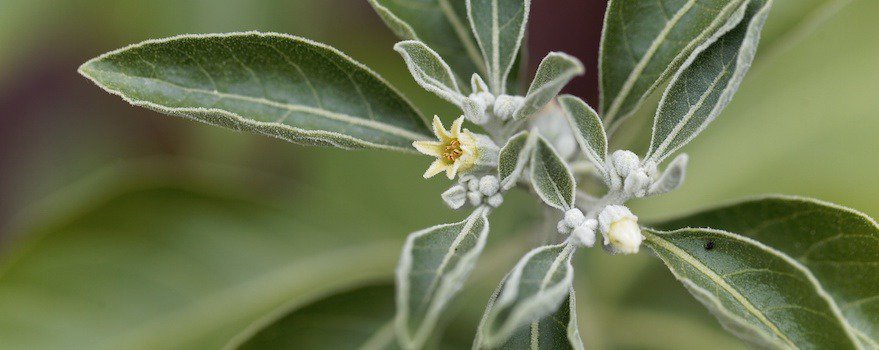
Ashwagandha (Withania somnifera) is a plant of the Solanaceae family, like tomatoes and goji berries. Native to India, particularly Madhya Pradesh, it also grows in the arid areas of Pakistan and Sri Lanka. It appears as a shrub with long leaves and yellow flowers, produces small red berries and can reach up to 1.5 meters in height.
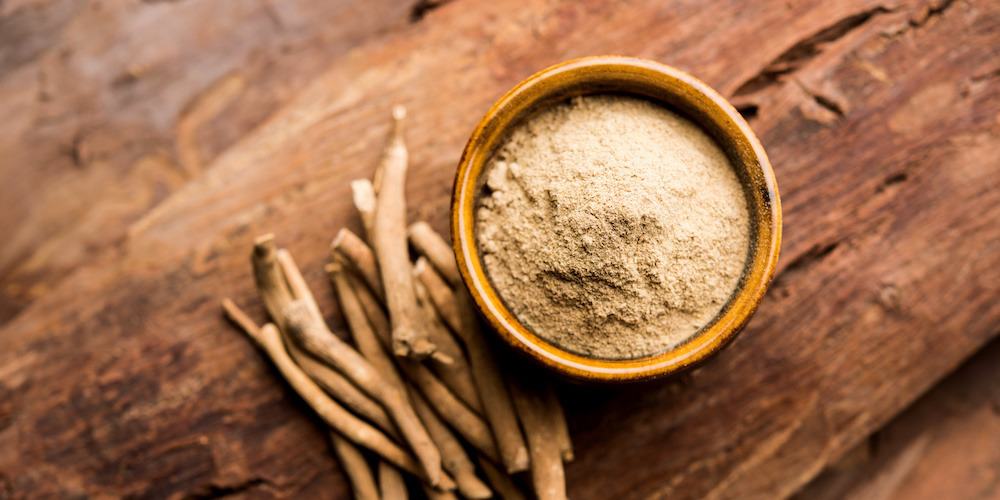
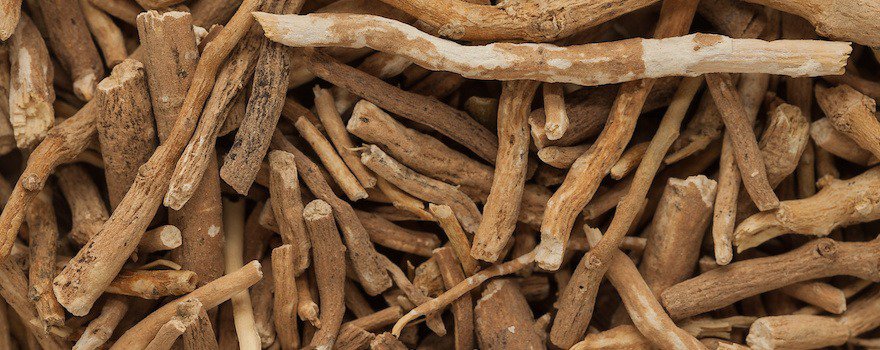
But it is above all its roots – and, to a lesser extent, its leaves, that have been used ancestrally (about 3,000 years) for their various benefits to our bodies. As the part of the plant richest in active compounds, they are harvested when the rest begins to wither.
First—and this is what explains its main properties—ashwagandha is an adaptogenic plant. That is to say, it allows the body to adapt to the physical and psychological stresses it faces.
Also read the What is an adaptogenic plant?
It may sound like magic, but it is a phenomenon closely studied by scientists since the 1950s and one that also concerns other foods we’re interested in, such as maca or ginseng.
It is also nicknamed the “Indian ginseng” for its aphrodisiac properties. It is one of the pillars of traditional Indian medicine, or Ayurveda, which uses it notably as a sexual tonic and fortifying agent.
Note: lots of words beginning with ‘a’. In Ayurveda, ashwagandha is part of the rasayana branch, a therapy aimed at regenerating life by increasing our vital force. The idea is to delay aging through natural remedies that regenerate cells and strengthen our bodies.
Its name comes from Sanskrit and means “the smell of a horse”, referring to the strong smell of its roots, but also to the strength of horses. As for the small red berries it produces, they have earned it the nickname winter cherry in English.
Also read | The best natural anti-stress remedies
Finally, its botanical name in Latin, Withania somnifera, evokes its calming action and its propensity to help us combat stress and sleep better.
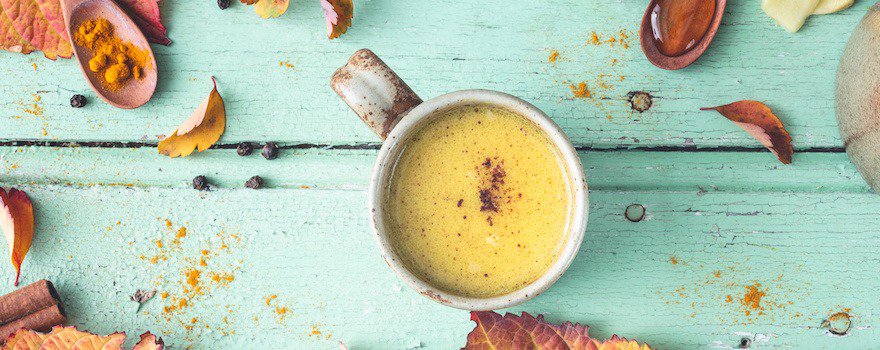
In India, its roots are consumed as a decoction with milk and spices. Here, it is more commonly consumed in the form of powder diluted in a drink or as a capsule, although it can now be incorporated into many healthy, holistic recipes such as Moon Milk.
Studies have demonstrated the powerful anti-stress effect of ashwagandha on our body. The active principles of this plant, notably its high concentration of withanolides, directly influence the production of cortisol, the so-called stress hormone. Research is also underway to demonstrate their anti-cancer action.
Nutritional composition
- Natural steroids : withanolides (including withaferin A)
- Amino acids free (including tryptophan)
- Alkaloids
- Antioxidants : tannins, flavonoids
- Phenolic acids : gallic acid, vanillic acid, and syringic acid
Benefits
🙏 Helps reduce stress and anxiety
Ashwagandha is a plant that can help with stress and anxiety, because it helps regulate and balance our cortisol production.
Indeed, in cases of stress or danger, our adrenal glands — located above the kidneys, release cortisol. This hormone, also called the “stress hormone”, allows the body to better withstand stress. But its level must remain low and balanced, otherwise chronic stress may develop.
The high withanolide content of our Indian plant helps effectively fight stress when necessary, but also reduces the cortisol level of people suffering from chronic stress.
It also helps significantly reduce anxiety and insomnia. It is particularly recommended in cases of sleep disorders, as it promotes a long restorative sleep.
Scientific studies :
- This study from the Department of Neuropsychiatry at Asha Hospital in Hyderabad, India, conducted on 64 people with chronic stress, shows that ashwagandha supplementation significantly reduces symptoms of stress, anxiety, and insomnia.
🏋🏻♀️ Strengthens the body and increases muscle mass
Consuming ashwagandha helps strengthen the body and increase its muscle mass. Its roots improve physical condition and endurance.
Athletes and anyone wishing to increase their strength and muscle mass will therefore be very receptive to these effects.
Scientific studies:
- This study conducted by various hospitals and universities in India shows that supplementing men aged 18 to 50 with ashwagandha greatly increases their muscle mass and strength.
🔥 Boosts testosterone and fertility in men
Ashwagandha is used in Ayurvedic medicine as an aphrodisiac tonic. Indeed, its action in reducing stress and anxiety can have direct consequences on increasing sexual desire.
While its aphrodisiac properties are not yet recognized by science, it is proven that it boosts testosterone and fertility in men.
It notably helps increase the volume and motility of sperm, and therefore fertility. Its compounds also help raise testosterone levels in men.
Scientific studies:
- This study conducted by the State Government T. T. Hospital in Lucknow, India, shows that a natural ashwagandha treatment improves sperm quality in men with fertility problems and increases their testosterone levels.
👩🏫 Contributes to improving cognitive abilities, particularly memory
Among the properties of ashwagandha that are effective on our body is a strengthening of cognitive abilities.
On the one hand, the reduction of stress and anxiety induced by its consumption results in improved attention and memory.
Moreover, its antioxidant activity – thanks to the tannins and flavonoids it contains, protects nerve cells and our brain from damage caused by free radicals.
Scientific studies:
- This study conducted by the Indian Red Cross and the NSHM Knowledge Campus in Calcutta shows that taking 300 mg daily of ashwagandha root extract significantly improves memory, performance, and attention.
🧘🏻♀️Natural “antidepressant”
According to still limited studies, ashwagandha may help combat depression and could be a natural and effective anxiolytic.
One of the compounds present in this Indian root, tryptophan, is an essential amino acid and a precursor to the neurotransmitter serotonin. This hormone is notably associated with well-being.
Scientific studies:
- This study conducted by the National Institute of Mental Health and Neurosciences in Bangalore, India, demonstrated that taking concentrated ashwagandha extract had anxiolytic effects.
🍭 Rebalances blood sugar and reduces cholesterol
Ashwagandha would also help reduce cholesterol and stabilize blood sugar and triglycerides.
As we’ve seen, when we are stressed, the adrenal glands secrete cortisol. This draws on our glucose reserves to help our body respond appropriately. Ashwagandha’s anti-stress action will reduce cortisol levels and therefore blood glucose.
Scientific studies:
- This study by several Indian research centers would suggest that people who consumed the highest dose of ashwagandha had, on average, reduced their levels of bad cholesterol by 17% and triglycerides by 11%.
🔬 Potentially anti-cancer
Ashwagandha would have anti-cancer properties, and would help prevent cancers and limit their development. Studies looking at these properties have so far only been conducted on animals and in in vitro tests. The results are very encouraging and more in-depth studies in humans are underway.
The plant would act by promoting apoptosis of cancer cells, that is by causing the programmed self-destruction of cancer cells. It would also help limit the growth of new cancer cells in the body.
Its compounds stimulate the production of reactive oxygen species within cancer cells, thereby disrupting their functions. They also help reduce their resistance to apoptosis.
Scientific studies:
- This study conducted on mice by the University of Louisville in the United States observed a 70 to 80% reduction in ovarian tumors in mice treated with ashwagandha alone or in combination with cisplatin.

Expert opinion
Traditionally used in Ayurveda, ashwagandha is a plant considered “adaptogenic.” Some of its compounds help regulate the production of cortisol, the stress hormone, thereby limiting its harmful effects. Regular consumption of ashwagandha would therefore promote a better response to stress. Anxiety symptoms improve, as does sleep quality, with fewer interrupted nights and more restorative sleep.
💡Allergies: ashwagandha belongs to the nightshade family, so people who are allergic to these plants should avoid consuming it. The nightshade family notably includes foods such as eggplant, tomato, bell pepper, and potato.
💡Regulation and supply: unfortunately, ashwagandha is not easily available in France. Indeed, Withania somnifera, the scientific name of ashwagandha, is among the medicinal plants whose sale is subject to the exclusive monopoly of pharmacists. This is partly explained by a benefit/risk balance considered unfavorable. Further data will likely be necessary for ashwagandha to join the plants available outside pharmacies. However, since legislation differs from country to country, it is possible to find this adaptogenic plant online.
💡Alternatives: if ashwagandha is not available, other adaptogenic plants can be used, such as maca, available in health food stores, or alternatives like ginseng, which has effects similar to ashwagandha.
Perrine Bellanger – dietitian nutritionist
How to take ashwagandha?
Powder
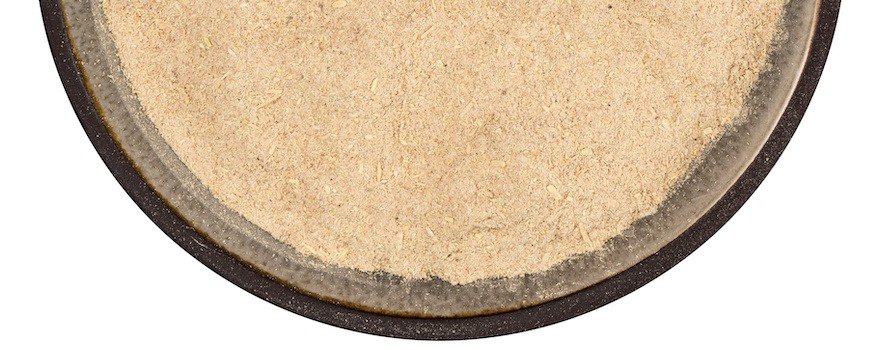
Consuming ashwagandha powder is a good way to benefit from all its properties. It is, in fact, the form in which it is most easily found. To add it to your daily diet, you can mix the powder, slightly bitter, into a smoothie, a juice, applesauce, or any other dessert.
There are many recipes using ashwagandha powder, including cookies and cakes. It pairs very well with cocoa, maca or almonds, and milk-based desserts.
We also appreciate how well it pairs with spices such as ginger, cinnamon, and cloves. And bolder essences such as vanilla.
Moon Milk
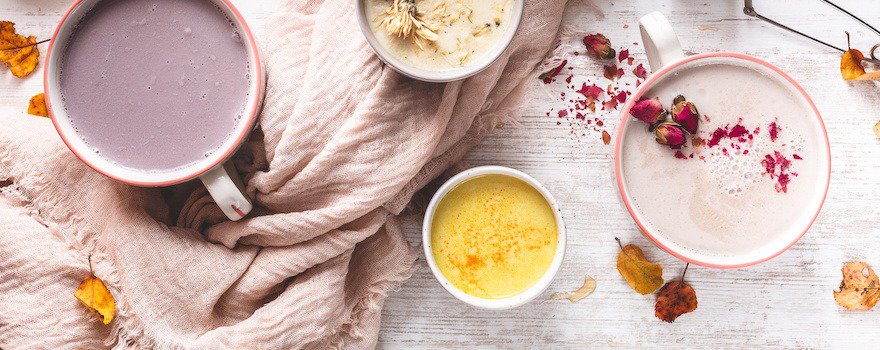
It is gaining more and more followers! The Moon Milk is a comforting drink that helps you sleep. It’s prepared at home and drunk before going to bed to have a good night’s sleep. It’s a recipe inspired by Ayurvedic medicine. Ashwagandha is its main active ingredient!
It’s a gentle blend of milk and spices that’s very simple to make. Heat a cup of almond milk with 2 pinches of ashwagandha powder, turmeric, cinnamon, and nutmeg. Add a teaspoon of coconut oil when the milk is hot, mix well, strain, and sweeten with honey.
Dried roots
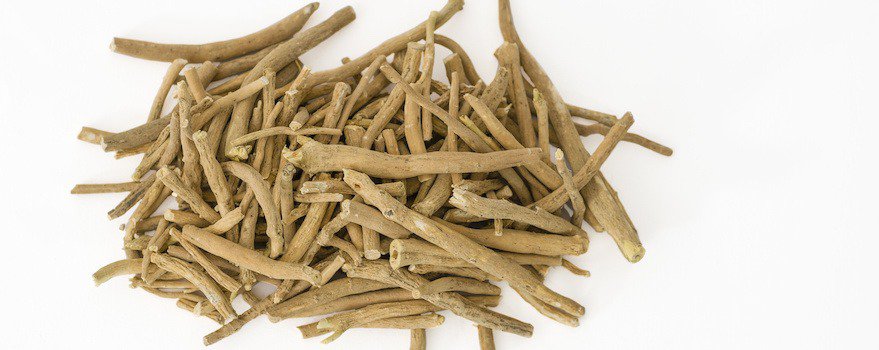
Some herbalists and organic e-shops offer dried ashwagandha roots for sale, which is also a good way to appreciate their taste and benefits. It’s best to prepare them as a decoction, boiling them and then consuming the water enriched with the active compounds.
In capsules
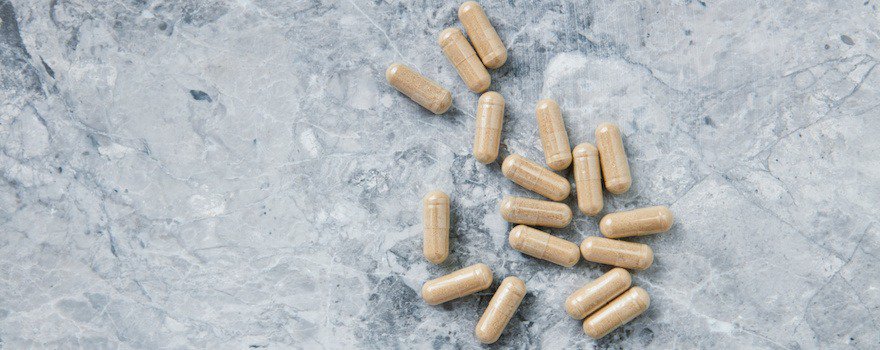
A compelling alternative to powder and raw roots. Capsules should be certified 100% ashwagandha and contain at least 5% withanolides to benefit from all the properties mentioned above.
Consume sustainably: favor organic and fair-trade ashwagandha
✓ As usual, make sure to check the source of the ashwagandha and choose an organic product, free of pesticide residues and heavy metals. Especially since you will likely end up consuming its roots!
✓ We also prefer a plant from fair trade to guarantee a fair income for the grower.
Dosage
⏳ Regarding ashwagandha dosage, it all depends on how you plan to consume the root. A 6-week course is recommended to fully benefit from its effects against stress and to improve sleep.
🍵 As a decoction: 10 g of roots per 500 ml of water, drink one to two cups per day between meals or in the evening.
🥄 As a powder: 1 to 4 teaspoons per day, mixed into a smoothie or a dessert.
💊 In capsule form: Generally 1 g per day is recommended, but always refer to the manufacturer’s instructions as it depends on concentration and withanolide percentage.
Contraindications and side effects
Ashwagandha is not recommended for the following people:
- Those with hyperthyroidism
- Those with autoimmune diseases
- Pregnant and breastfeeding women
Side effects include intestinal disturbances; if this occurs, reduce the dose or stop the treatment.
And contrary to what you may read, consuming ashwagandha at recommended doses poses no danger!
History, cultivation and market
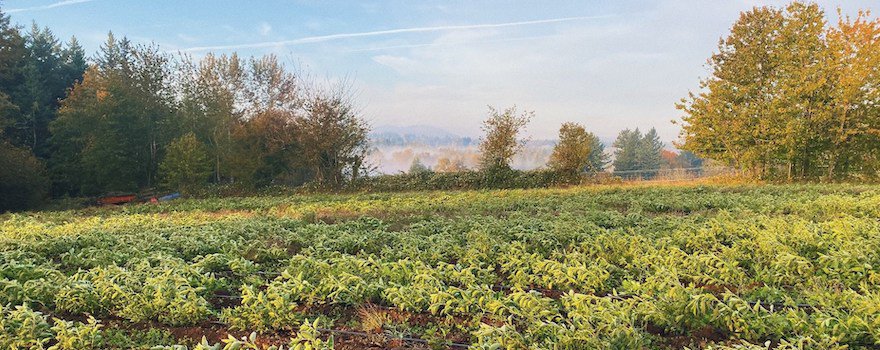
As we have seen, ashwagandha is a pillar of Ayurvedic medicine. Today, it is no longer limited to traditional Indian medicine. It is part of many natural health products and blends, often associated with maca and cocoa, a consequence of the growing enthusiasm for adaptogens.
The majority of ashwagandha on the market comes from India, and more specifically from the north of the country and Madhia Pradesh. Regions that traditionally cultivated wheat are now turning to ashwagandha cultivation, with local demand remaining steady and international demand booming. In addition, the root is said to be more profitable in the long term than wheat.
Wild ashwagandha harvesting is also widespread. But it appears that the roots are less abundant and smaller than before, a possible consequence of climate disruption. After harvest, the roots are separated, washed and cut to about 10 cm before being dried.
In the United States, organic farms growing the root have emerged, notably in Oregon, a state known for its receptiveness to natural medicine and healthy eating.
Detailed nutritional values
This information was compiled and verified for Darwin Nutrition by Laure Fourchaud, PhD in nutritional physiology.
| Ashwagandha (powder) | /100g | %AR* | /5g (1cc) | %AR |
| Energy (kcal) | 250 | 12,5 | 12,5 | 0,625 |
| Fiber (g) | 36 | 120 | 1,8 | 6 |
| Water (g) | — | — | — | — |
| Macronutrients | ||||
| Protein (g) | 4 | 8 | 0,2 | 0,4 |
| Carbohydrates (g) | 49 | 18,8 | 2,45 | 1 |
| of which Sugars (g) | 10 | 11,11 | 0,5 | 0,5 |
| Fat (g) | 0,3 | 0,42 | 0,01 | 0,02 |
| Minerals | ||||
| Calcium (mg) | 23 | 2,87 | 1,15 | 0,14 |
| Iron (mg) | 3,3 | 23,57 | 0,16 | 1,2 |
| Copper (mg) | — | — | — | — |
| Magnesium (mg) | — | — | — | — |
| Manganese (mg) | — | — | — | — |
| Phosphorus (mg) | — | — | — | — |
| Potassium (mg) | — | — | — | — |
| Sodium (mg) | 247 | 9,88 | 12,35 | 0,49 |
| Salt (g) | — | — | — | — |
| Zinc (mg) | — | — | — | — |
| Vitamins | ||||
| Vitamin A (mg) | 0,07 | 0,01 | — | — |
| Vitamin C (mg) | 3,7 | 4,62 | 0,18 | 0,23 |
| Vitamin E (mg) | — | — | — | — |
| Vitamin B1 (mg) | — | — | — | — |
| Vitamin B2 (mg) | — | — | — | — |
| Vitamin B3 (mg) | — | — | — | — |
| Vitamin B5 (mg) | — | — | — | — |
| Vitamin B6 (mg) | — | — | — | — |
| Vitamin B9 or folate (µg) | — | — | — | — |
| Vitamin K (μg) | — | — | — | — |
*%AR : % Reference intake for an adult
Antioxidant compounds: catalase, superoxide dismutase, glutathione, flavonoids: kaempferol, catechin
Other compounds:
- Alkaloids: withanine
- Steroidal lactones: withaferin
- Phenolic acids: gallic acid, vanillic acid, benzoic acid, coumaric acid
Sources and scientific studies
Chandrasekhar K, Kapoor J, Anishetty S, 2012. A prospective, randomized double-blind, placebo-controlled study of safety and efficacy of a high-concentration full-spectrum extract of ashwagandha root in reducing stress and anxiety in adults.
Wankhede S, Langade D, Joshi K, Sinha SR, Bhattacharyya S, 2015. The effect of Withania somnifera supplementation on muscle strength and recovery: a randomized controlled trial.
Ahmad MK, Mahdi AA, Shukla KK, Islam N, Rajender S, Madhukar D, Shankhwar SN, Ahmad S, 2010. Withania somnifera improves semen quality by regulating reproductive hormone levels and oxidative stress in seminal plasma of infertile males.
Choudhary D, Bhattacharyya S, Bose S, 2017. Efficacy and safety of Ashwagandha (Withania somnifera (L.) Dunal) root extract in improving memory and cognitive functions.
Andrade C, Aswath A, Chaturvedi SK, Srinivasa M, Raguram R, 2000. A double-blind, placebo-controlled evaluation of the anxiolytic efficacy of an ethanolic extract of Withania somnifera.
Biswajit Auddy, Jayaram Hazra, Achintya Mitra, Bruce Abedon, Shibnath Ghosal, 2008. A standardized Withania somnifera extract significantly reduces stress-related parameters in chronically stressed humans: a double-blind, randomized, placebo-controlled study.
Kakar SS, Ratajczak MZ, Powell KS, Moghadamfalahi M, Miller DM, Batra SK, Singh SK, 2014. Withaferin A alone and in combination with cisplatin suppresses growth and metastasis of ovarian cancer by targeting putative cancer stem cells.
Sangita Kumari and Alka Gupta. Nutritional composition of dehydrated ashwagandha, shatavari, and ginger root powder. International Journal of Home Science 2016; 2(3): 68-70.
Withania somnifera (L.) Dunal. PROTA (Plant Resources of Tropical Africa). Wageningen, Netherlands: Gurib-Fakim A. and Schmelzer G. H. Retrieved 2012-08-07.
Withania somnifera (L.) Dunal. Germplasm Resources Information Network – (GRIN). Beltsville, Maryland: USDA, ARS, National Genetic Resources Program. National Germplasm Resources Laboratory. Retrieved 2011-10-29.
Alam N, et al. High catechin concentrations detected in Withania somnifera (ashwagandha) by high performance liquid chromatography analysis. BMC Complement Altern Med. (2011).
Singh B, Saxena AK, Chandan BK, Gupta DK, Bhutani KK, Anand KK. Adaptogenic activity of a novel, withanolide-free aqueous fraction from the roots of Withania somnifera Dunal. Phytother Res. 2001 Jun;15(4):311-8. doi: 10.1002/ptr.858. PMID: 11406854.
Shenoy S, Chaskar U, Sandhu JS, Paadhi MM. Effects of eight-week supplementation of Ashwagandha on cardiorespiratory endurance in elite Indian cyclists. J Ayurveda Integr Med. 2012 Oct;3(4):209-14. doi: 10.4103/0975-9476.104444. PMID: 23326093; PMCID: PMC3545242.
Widodo N, Takagi Y, Shrestha B.G., et al., 2008. Selective killing of cancer cells by leaf extract of Ashwagandha: identification of a tumor-inhibitory factor and the first molecular insights into its effect. Clin. Cancer Res. 13(7):2298–2306.
2018, Royston KJ, Paul B, Nozell S, Rajbhandari R, Tollefsbol TO. Withaferin A and Sulforaphane regulate breast cancer cell cycle progression through epigenetic mechanisms. Experimental Cell Research.
Behrouz Hassannia, Emilie Logie, Peter Vandenabeele, Tom Vanden Berghe, Wim Vanden Berghe. Withaferin A: From Ayurvedic folk medicine to a preclinical anti-cancer drug. Biochem Pharmacol.
