

Top 5 foods richest in vitamin E
Because vitamin E is a fat-soluble vitamin, it makes sense to find it in foods high in fat and certain oils. Here are five foods or groups of foods where to find vitamin E.
Vegetable oils
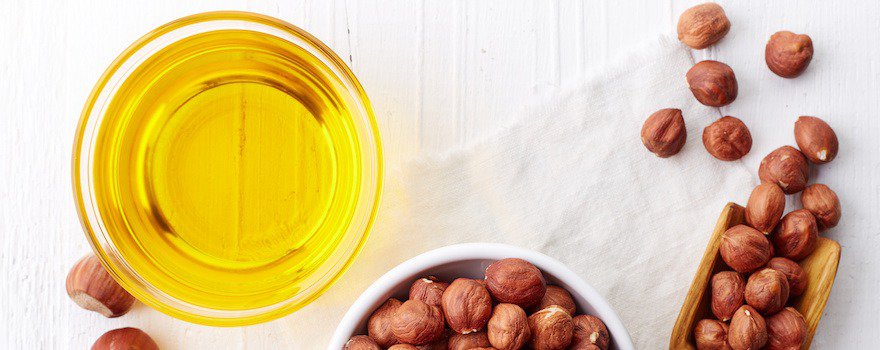
Vegetable oils contain essential fatty acids: omega-3 and omega-6, good for brain function. They have high levels of vitamin E:
- Huile de tournesol : 75 mg/100 g
- Huile de Colza : 42 mg/100 g
- Huile d’olive : 25 mg/100
- Huile de noisette : 49 mg/100 g
Ideal for making dressings, vegetable oils should preferably be consumed cold. They can also be used for pan frying. Measure with a tablespoon (one to two tablespoons are enough) to avoid excess.
Nuts and oilseeds

Almonds, hazelnuts, Brazil nuts are rich in vitamin E. Almonds provide about 15 mg/100 g, while hazelnuts and walnuts contain 3.5 to 8 mg/100 g. That’s not negligible!
Dried fruits are suitable for small appetites as a snack. However, they should be consumed in moderation because their caloric content can be significant.
Nutritionists recommend eating a handful of dried fruit as a snack. You can also crush them to sprinkle over mixed salads. It’s delicious!
Fatty fish

Fatty fish, such as salmon, mackerel and sardines, are healthy foods. They contain omega-3s and other nutrients essential for maintaining body functions, notably the vitamin E (content: 0.3 to 2 mg/100 g).
Fatty fish can be served grilled, cooked en papillote, or baked. These cooking methods are fat-free. Although they are good for your health, it is preferable to consume fatty fish only one to three times per week.
They are easily paired with grilled vegetables and a portion of starchy foods: potatoes, rice, whole-grain pasta, for a balanced and healthy meal.
Dried apricots and prunes

Dried fruits such as apricots and prunes are tasty. They contain 2 to 4 mg of vitamin E per 100 g of food.
Like oilseed nuts, they can be kept for a little snack. To limit added sugars, you can opt for homemade preparation because commercially produced dried fruits contain added sugars. This also helps limit calorie intake. Dried fruits are delicious served with a portion of fromage blanc.
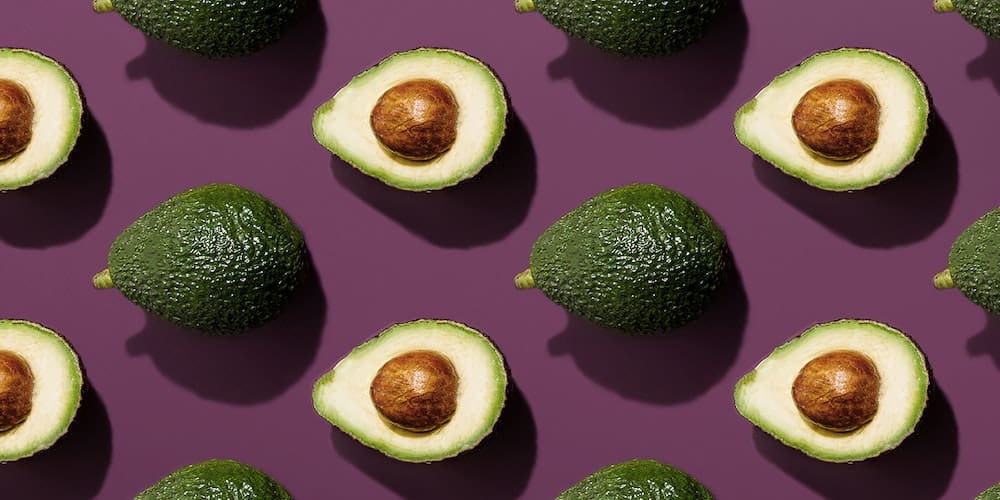
Avocado

Avocado sometimes has a bad reputation—and not for good reasons! Considered too fatty, too rich, it nevertheless contains good fatty acids and can be eaten regularly without “making you gain weight.” It is a natural source of vitamin E.
Avocado is primarily eaten as an appetizer, in salads mixed with other foods (tomatoes, eggs, corn…). Or simply spread on bread!
You can serve it with a lemony sauce or a sauce made with vegetable oil (canola, hazelnut, olive, or sunflower oil) to enhance its nutritional benefits. As a reminder, since tocopherol is fat-soluble, it is better absorbed when consumed with a meal that contains fats.
Storage: Vitamin E is sensitive to light. It degrades with prolonged exposure. You should therefore store foods that contain it away from light to preserve their nutritional qualities.
Description and role of vitamin E
Vitamin E was discovered in 1922 by embryologist Herbert MacLean Evans and his assistant Katharine Scott Bishop in California. The two scientists were conducting experiments on rat gestation. The compound, eventually named vitamin E, proved essential for fetal development.
In 1924, a new study conducted in rats demonstrated that vitamin E was essential for animal fertility. It was therefore also named tocopherol (from the Greek tocos: offspring, pherein: to carry) to recall this function.
However, it was not until 1968 that it was recognized as an essential nutrient for human life.
Vitamin E is present in eight natural forms. There are 4 forms of tocopherol and 4 forms of tocotrienol, which are distinguished by the addition of four Greek letters as prefixes: alpha, beta, gamma, delta. The active form of vitamin E is alpha-tocopherol.

This vitamin performs several roles and works in symbiosis with various elements present in the body. Its functions are as follows:
- A des propriétés antioxydantes. En effet, elle agit contre le vieillissement des cellules et tissus en limitant la production de radicaux libres. Elle a une action complémentaire avec le sélénium et le béta-carotène.
- Préserve les lipides membranaires, le bon cholestérol et limite l’agglutination des plaquettes sanguines en exerçant une action anti-inflammatoire et en favorisant la synthèse de substances qui agissent sur la vasodilatation. Cette fonction permet de limiter l’athérosclérose, ce qui a pour effet de prévenir l’apparition des maladies cardio-vasculaires
- Préserve le système immunitaire
- Exerce un effet réparateur sur la peau, grâce à ses propriétés antioxydantes. Elle intervient également dans le maintien de l’élasticité et la plasticité de la peau.
- Aurait une action protectrice sur les fonctions cognitives et sur la vision en prévenant la cataracte et la DMLA (dégénérescence maculaire). Des études sont encore en cours pour prouver ces deux éventuelles fonctions.
Signs of vitamin E deficiency
It is rare to observe vitamin E deficiencies in adults. Indeed, daily requirements are generally met by a good diet. Cases of deficiency are more frequently encountered in premature babies or young children.
They can be caused by diseases that lead to fat malabsorption or by digestive disorders.
Symptoms of vitamin E deficiency:
- Anémie hémolytique (chez le bébé ou enfant en bas-âge). Cette maladie est liée à un défaut d’hémoglobine et entraîne la destruction des hématies (ou globules rouges).
- Atteinte nerveuse et faiblesse musculaire
- Troubles de la coordination ou des mouvements
- Baisse de l’acuité visuelle
In the case of underdosing, the doctor prescribes supplementation orally or intravenously depending on the symptoms experienced. In such cases, self-medication should be avoided as it can be dangerous.
Recommended daily vitamin E requirements
As with every nutrient, it is necessary to ensure regular vitamin E intake. Here is a summary of the recommended daily requirements:
- Bébés âgés de 0 à 1 an : 4 à 5 mg/jour
- Enfants âgés de 1 à 3 ans : 6 mg/jour
- Enfants âgés de 4 à 6 ans : 7 à 7,5 mg/jour
- Enfants âgés de 7 à 9 ans : 7,5 à 9 mg/jour
- Enfants âgés de 10 à 13 ans : 11 mg
- Adolescents, à partir de 14 ans et Hommes : 15,5 mg/jour
- Adolescentes, à partir de 14 ans et Femmes : 10 mg/jour
- Femmes enceintes ou qui allaitent : 12 mg/jour
- Sportifs : Jusqu’à 24 mg/jour
- Hommes et Femmes (> 75 ans) : apports recommandés de 20 à 50 mg/jour
Risks, side effects, and overdoses of vitamin E
The body can store vitamin E. It is generally retained in adipose tissue due to its fat-soluble nature. The vitamin E overdose is therefore possible.
The limit is considered reached when an additional 50 mg/day is added to the recommended daily intake, i.e., beyond 60 mg/day for an adult woman, for example.
An interventional study reportedly showed that a high intake of vitamin E may have affected the occurrence of cerebrovascular accidents (a slight increase in strokes in a group of subjects who were supplemented with 50 mg/day of vitamin E for 5 years). However, further studies are still needed to confirm this hypothesis.
Advice: before any vitamin supplementation with dietary supplements, it is preferable to consult your primary care physician.
Medical follow-up and associated biological monitoring may be necessary to avoid any complications related to intake.
