

Description and functions of tryptophan
Tryptophan is part of the family of amino acids and, more specifically, of the so-called “essential” amino acids (EAA). In adults, there are a total of 8 essential amino acids (9 in children), including the one that concerns us: tryptophan.
All essential amino acids have one thing in common: they are not synthesized by the body. This means that our body is not able to produce them itself. Essential amino acids are therefore obtained mainly through the diet.
Tryptophan intake is especially important because it is the rarest amino acid among the 20 amino acids in the human body. It is also very fragile and easily destroyed by the body’s acidic substances.
Benefits of tryptophan

The main actions of tryptophan occur in the nervous system. It plays a crucial role in the brain and directly contributes to the formation of neurotransmitters and brain hormones such as serotonin and melatonin.
Serotonin, also called the “happiness hormone”, is a neurotransmitter. It acts as a messenger and conveys signals between different parts of the brain.
Serotonin simply enables communication between nerve cells. This neurotransmitter also plays a major role in the regulation of mood, the sensation of satiety, and sleep…
Melatonin, for its part, is called sleep hormone. It is derived directly from serotonin, which is itself formed from tryptophan. Melatonin is produced at night to promote relaxation, regulate our biological rhythms, and allow restorative sleep.
Finally, tryptophan contributes to the formation of vitamin B3, also known as niacin or vitamin PP. This vitamin converts carbohydrates into energy, regulates stress hormones and cholesterol levels.
Without tryptophan, the body therefore cannot produce serotonin, melatonin, or vitamin B3. But this essential amino acid also plays a role in other functions. Thus, it:
- Fights depression
- Increases pain tolerance during exercise
- Prevents degenerative diseases
- Relieves chronic muscle pain
Warning: when the body shows a vitamin B3 deficiency, most of the tryptophan intake is used to make up for it and will not be distributed to the brain. To enjoy the benefits of tryptophan on the nervous system, do not hesitate to also consume foods rich in vitamin B3.
Buy 5-HTP: my selection
5-HTP (or 5-Hydroxytryptophan) is an amino acid produced from tryptophan. Once in the brain, it is directly converted into serotonin. It is therefore in this form that one can easily enjoy the benefits of tryptophan.
The good news is that 5-HTP is found in a plant: the griffonia simplicifolia, an ally for mood and sleep, which also helps relieve migraines.
To buy it, I recommend 5-HTP (derived from griffonia) in capsules from the brand Nutrimea.
Nutrimea is a French brand launched in 2012. We recommend them for their reliability: they use raw materials of controlled origin and test the quality of their dietary supplements in a laboratory certified ISO 22000:2005.
Their packaging is 100% recyclable, which is important to me.
To get 10% off all their products, use the code ” DARWIN10 ” (also, by using this code you help support our blog).
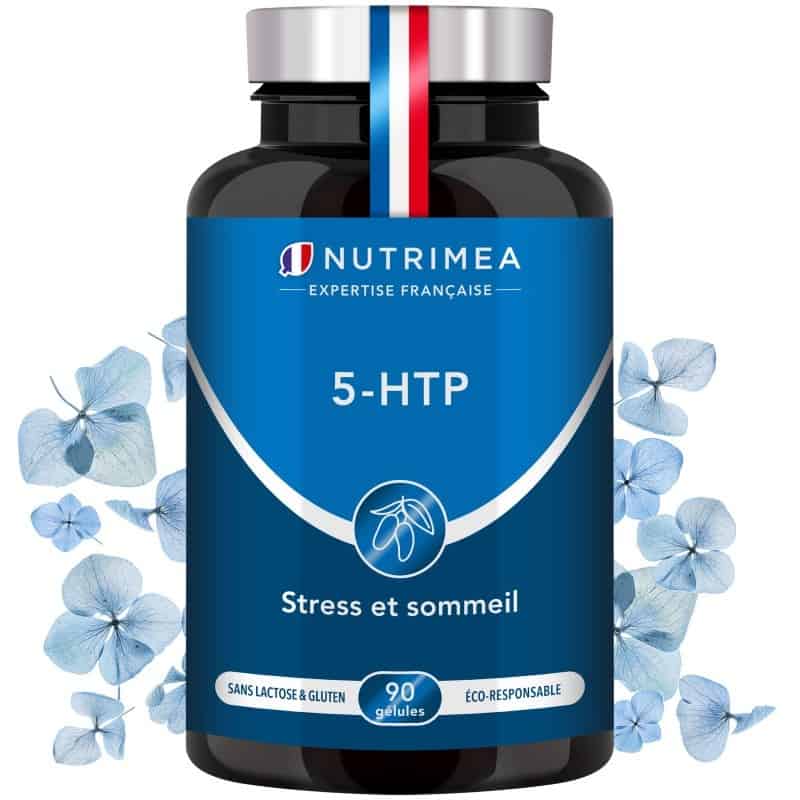
❤ I like : The good value for money and the many discounts offered (5% via the loyalty program, buy 3 products, get the 4th free)
★ Customer reviews (Verified Reviews): 4.5/5
☞ Quantity : 90 capsules / 1 month supply
✔ Discount code -10% : DARWIN10
Symptoms of a tryptophan deficiency
Deficiencies in essential amino acids are common. Tryptophan is an amino acid found mainly in animal-derived foods (meat, fish and seafood, dairy products…). People who follow a vegetarian or vegan diet are therefore more likely to be affected by tryptophan deficiencies.
The lack of tryptophan is aggravated by the fact that this amino acid is very poorly stored by the body. Moreover, its release into the blood is very slow and its action lasts barely 4 hours. To experience the benefits of tryptophan, it is therefore important to meet the recommended nutritional intakes every day.
The different symptoms of a tryptophan deficiency are :
- Sleep disorders (difficulty falling asleep, insomnia…)
- Loss of appetite
- Mood disorders (depression, anxiety…)
- Headaches
- Delayed growth
- Digestive problems
If in doubt, consult your doctor who will confirm or rule out a tryptophan deficiency. Taking dietary supplements without medical advice is not recommended.
Recommended dietary intakes of tryptophan
For a healthy adult, it is recommended to consume between 500 and 2000 mg of tryptophan per day.
The recommended dosage then depends on various factors : age, pregnancy or breastfeeding, physical activity… Tryptophan intake is also higher in people who follow a vegetarian or vegan diet. Don’t hesitate to ask your doctor for advice to determine your precise daily tryptophan needs.
Note : foods rich in tryptophan should preferably be consumed at the end of the day or in the early evening, at the time serotonin is synthesized in the brain. This will promote sleep and prevent nighttime cravings.
Top 6 tryptophan-rich foods
To boost your tryptophan intake during the day, it’s helpful to favor certain foods. Here are the top 6 foods rich in tryptophan!
Meat and organ meats
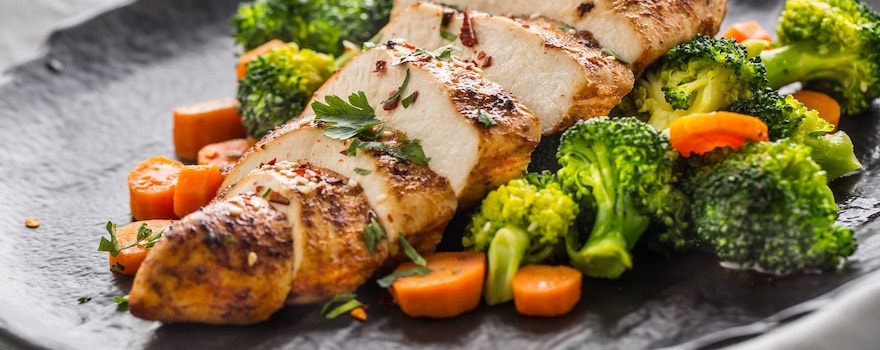
Tryptophan is mostly found in animal-based foods. Prefer white meats, such as chicken and turkey. 100 g of turkey breast, for example, provides 0.37 g of tryptophan. If you like offal, you can eat liver (beef, pork or veal) which contains between 0.35 and 0.37 g of tryptophan per 100 g.
To increase tryptophan intake and balance your meat dish, serve it with legumes : soybeans, butter beans or split peas. A good way to rediscover legumes, unfairly neglected today.
Fish, mollusks, and crustaceans
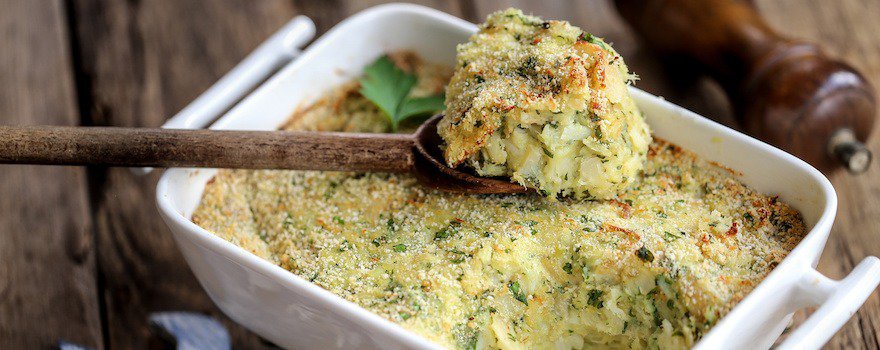
If you prefer fish to meat, you can still enjoy yourself while getting plenty of tryptophan. A portion of salted cod (55 g), for example, provides 0.39 g of tryptophan. Cuttlefish, octopus, tuna and salmon are also foods rich in tryptophan.
Papillotes are a good way to cook fish healthily. A little olive oil, sprigs of dill and a few drops of lemon: your fish is ready to be baked! Cooking in parchment packets has the advantage of preserving the flavor and nutrients of foods.
Dairy products
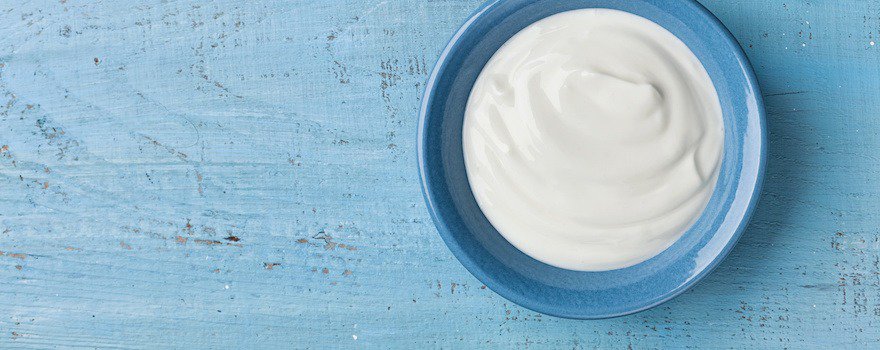
Milk, cheese, yogurts… are all dairy products rich in tryptophan. Opt for sheep’s milk, which is more beneficial than cow’s or goat’s milk: 250 ml of sheep’s milk provides 0.22 g of tryptophan.
Sheep’s milk can be used in cooking in the same way as cow’s milk : cakes, rice pudding, homemade yogurts… However, it has a stronger taste, but its nutritional properties are really worth it. Sheep’s milk is also easier to digest than cow’s milk. Of course, don’t forget to drink a warm glass of milk before going to bed !
Seeds
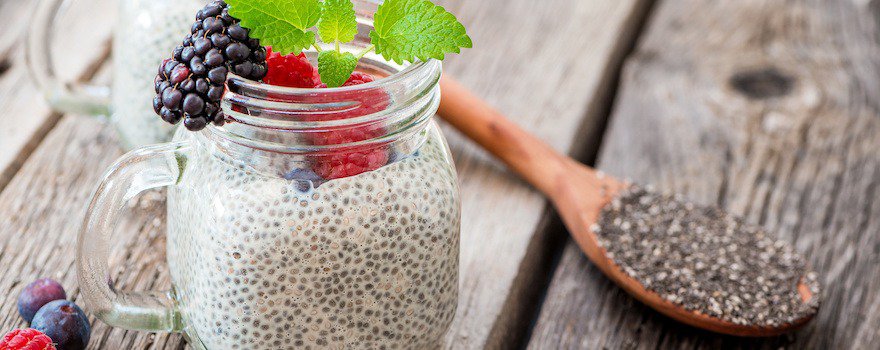
Fortunately, tryptophan is also present in some plant-based foods such as seeds, cereals, and dried fruits. Treat yourself with pumpkin seeds (0.17 g of tryptophan per 100 g), chia seeds (0.13 g per 100 g), sunflower seeds or fenugreek.
There are countless ways to consume seeds throughout the day : add them to a yogurt, a soup or a salad. Even more original : make delicious seed cookies. Prepare a dough made from wheat flour, egg, granulated sugar, canola oil, water and baking powder. Add sesame, sunflower and chia seeds. Bake for about 15 minutes.
Brewer’s yeast
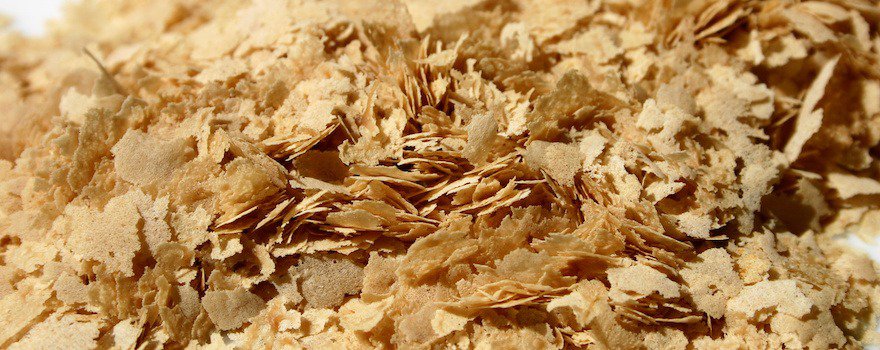
Brewer’s yeast, derived from the fungus Saccharomyces cerevisiae, is not only beneficial for the appearance of the skin or hair. It is also a good source of tryptophan. You can also choose malted brewer’s yeast , that is to say supplemented with barley malt. 100 g of barley provide 0.038 g of tryptophan.
Brewer’s yeast powder can be mixed into a glass of water or fruit juice. But rather favor the yeast flakes that you can sprinkle on your salads, in yogurts and cereals.
Cocoa
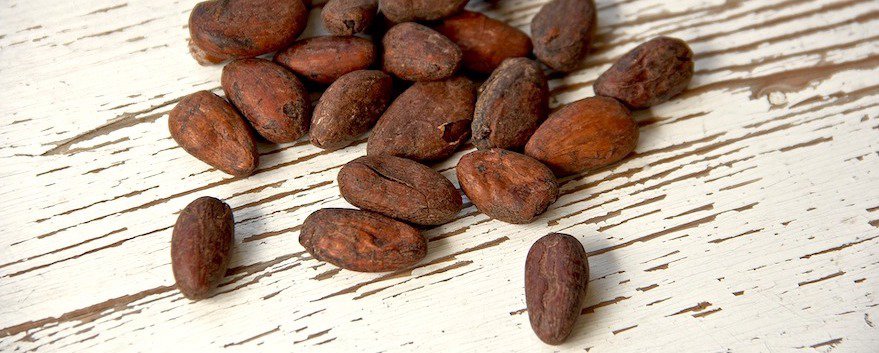
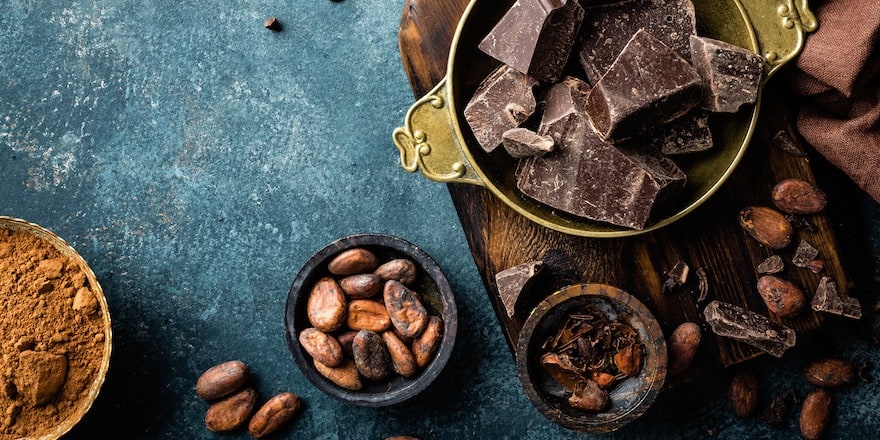
Already rich in magnesium and antioxidants, cocoa also has the advantage of being an excellent source of tryptophan: 100 g of cocoa powder contains 0.27 g of tryptophan.
Treat yourself to classic recipes, like a good hot chocolate, or more original recipes made with raw cocoa beans. You can bite into them whole or add them to your desserts. Prefer, if possible, certified organic cocoa. There is even chocolate made from raw cocoa, even higher in tryptophan than ordinary chocolate!
Dangers, side effects, and overdoses of tryptophan
Because tryptophan is very poorly stored by the body, the risks of excess tryptophan in humans are rare. An overdose of tryptophan can cause digestive disorders, nausea, and insulin resistance.
The consumption of tryptophan can also interact with certain medications (sedatives, antidepressants, or anti-migraine drugs).
Don’t hesitate to ask your doctor for advice to avoid any risk of overdose.
