
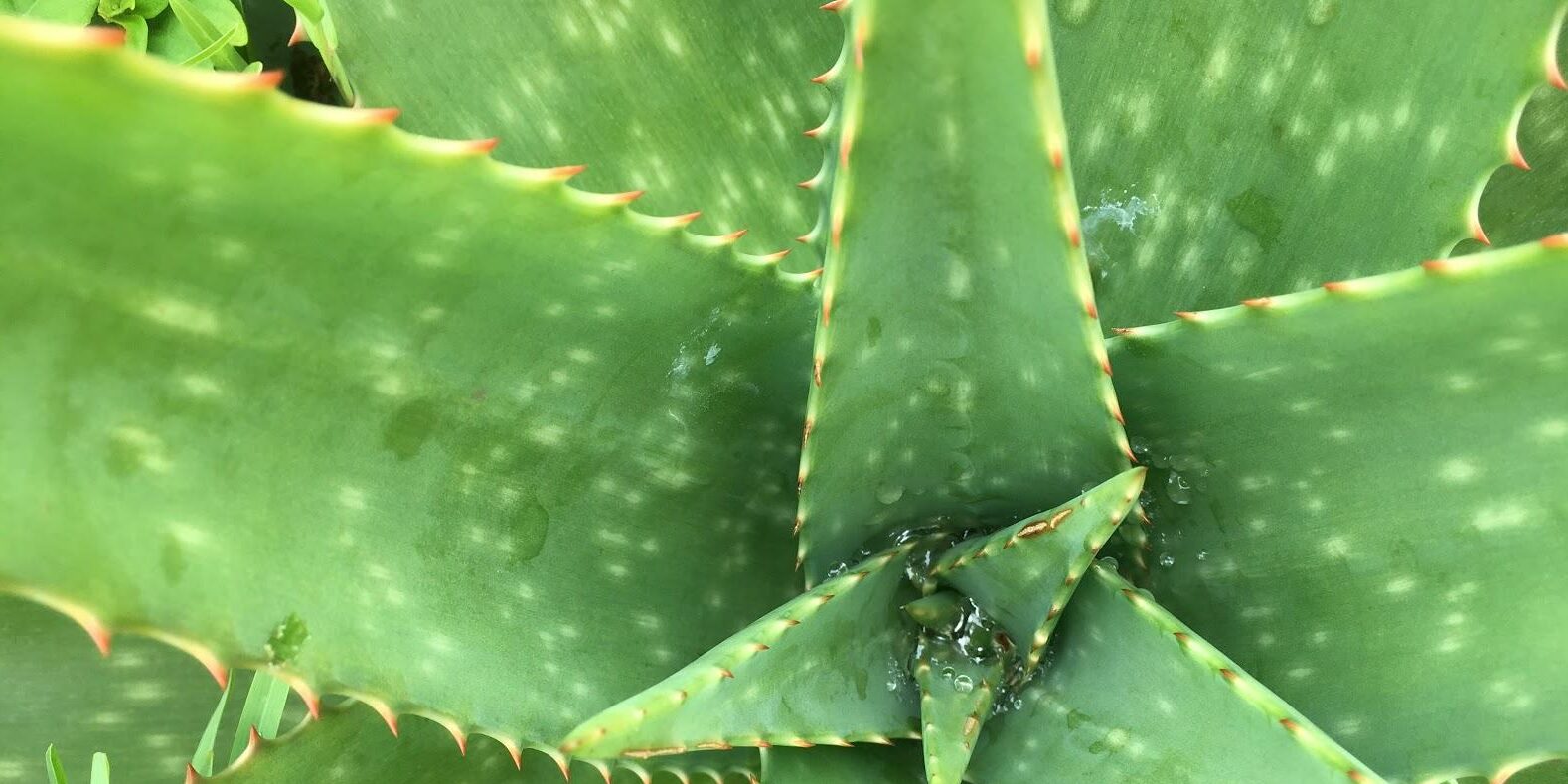
Side effects from consuming aloe vera have already been reported, such as fainting, hypothermia, slowed heart rate, vomiting and diarrhea. But the EFSA (European Food Safety Authority) has highlighted possible longer-term damage to health. The hydroxyanthracene derivatives, molecules present in aloe vera, are likely to damage DNA and be carcinogenic.
Following this discovery in January 2018, the DGCCRF (Directorate General for Competition, Consumer Affairs and Fraud Control) issued a press release notably to warn the public but also to refer the matter to ANSES (French Agency for Food, Environmental and Occupational Health and Safety).
Aloe vera carcinogenic and genotoxic according to EFSA
Aloe vera extracts were analyzed in vitro. EFSA’s study revealed the genotoxicity of hydroxyanthracene derivatives, even in vivo. The whole aloe vera extract was also found to be carcinogenic.
Beyond aloe vera, this molecule is present in several fruits, leaves and barks. Regarding aloe vera, the molecule is mainly present in Aloe ferox Miller and its hybrids.
This molecule must therefore be removed from the plant. Commercial raw materials produced in the aloe vera industry include, among others, gels, powders, and jelly.
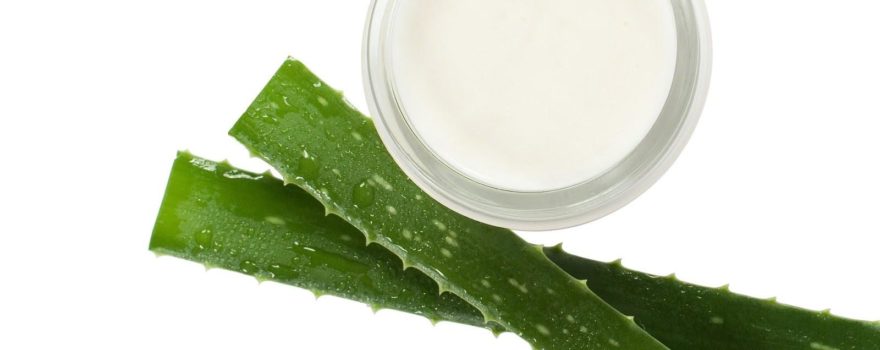
Aloe vera leaves consist of two layers: the outer rind and the inner gel, which is soft and colorless. There are different processing techniques for these leaves. These processes vary depending on the intended use of the aloe vera. Some products contain pure gel while others are made from a mixture of gel and bitter components.
The presence of hydroxyanthracene derivatives in aloe can be minimized in different ways. For example, the whole aloe vera leaf can be cut and ground into a paste, which is then pressed to obtain a liquid. The harmful molecules are then removed by being passed through a series of plate filter-presses covered with carbon (this is called the decolorization process).
The presence of the molecule in the juice can also be minimized by using the inner leaf as the starting material. The outer rind of the leaves is separated from the inner pulp, from which the juice is extracted.
There is no single method for extracting these compounds, but it is still possible.
The risks of aloe vera revealed by the DGCCRF
The problem is that fresh aloe vera leaves are offered for sale so that consumers can prepare them themselves. Websites or the packaging of fresh leaves generally do not explain the correct method of preparation, the one that allows the removal of harmful substances, or the risks associated with consuming the latex.
Latex is the yellow liquid secreted by the outer part. The latter is rich in laxative substances that cause a very strong laxative effect, often severe. Preparing your own concoction can therefore be harmful to your health.
Following the alert issued by the ministry responsible for health, the DGCCRF explains in its press release that the external part must be removed, as well as any presence of latex, in order to consume the clear gel located at the center of the leaf after cooking.
Consumption recommendations
In the press release, the DGCCRF and the DGS (Directorate-General for Health) have referred the matter to ANSES so that the risks associated with the food use of fresh leaves can be evaluated.
As these risks have not yet been evaluated, they do not advise against consuming fresh leaves. However, they emphasize the need to take precautions.
Pending the results, they strongly recommend that pregnant or breastfeeding women, as well as vulnerable people and children, avoid consuming this plant.
Therefore, for now it is preferable to consume this food, which has genuine benefits, under safe conditions – for example when prepared by an expert.
