

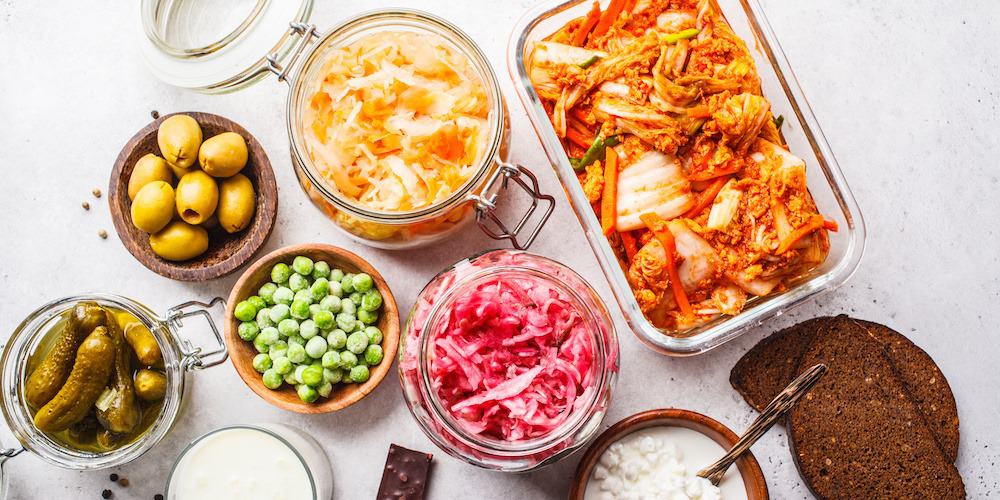
Probiotics are microorganisms that colonize the vaginal, oral and intestinal flora and integrate into the natural microbiota. Their activity is believed to be beneficial to the body, although scientists are divided on their effects.
Consuming them helps maintain the microbial flora originally present in our body and enhance its activity.
They are available commercially as dietary supplements, but natural probiotics are also found in certain foods!
Here is our top 5 foods that take care of your intestines. Read on after the list to learn all about how they work.
Also read the Which probiotic supplements are the best?
1. Fermented milk
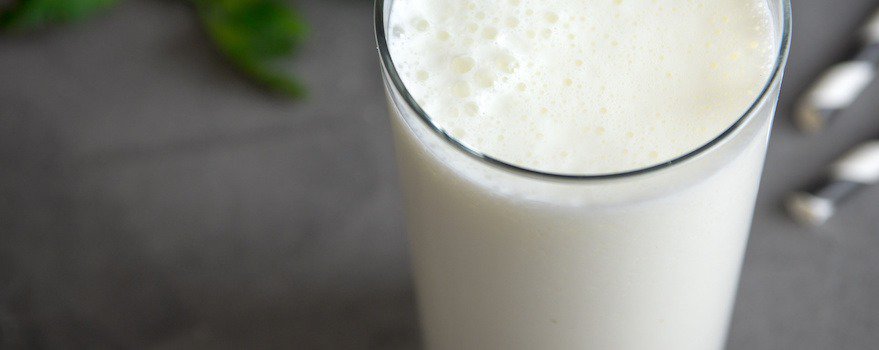
Fermented milk and products made from this ingredient contain lactic bacteria, including bifidobacteria and lactobacilli. These families of probiotics improve intestinal transit.
People who don’t particularly like fermented milk can choose to eat yogurts. Many brands offer products supplemented with probiotics. Eating a yogurt as a daily dessert or as a snack helps take care of the gut microbiota.
2. Fermented cabbage
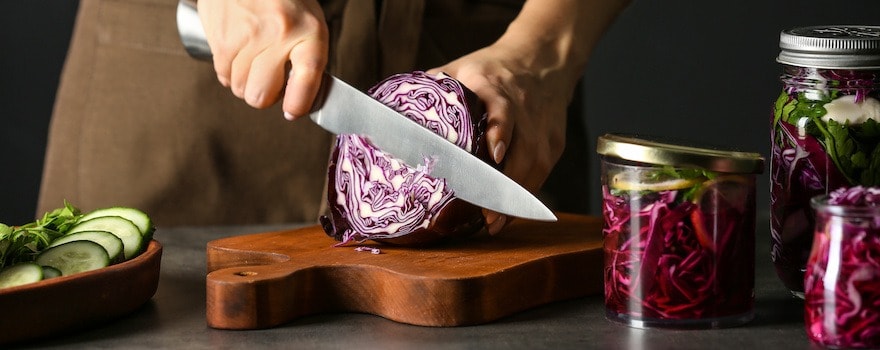
Fermented shredded cabbage contains minerals (magnesium, potassium, calcium) and vitamins (A, B, E). It also contains lactic acid, a component that promotes the elimination of intestinal parasites as well as the regeneration of the intestinal lining.
To prepare fermented cabbage, simply let pieces sit for a few days in salted water with other garden vegetables. This ingredient is used to make sauerkraut, a dish ideal for lunch because it is quite filling.
To lighten the dish, it is preferable to prepare a seafood sauerkraut, cooked with fish and seafood rather than sausages and smoked bacon. Kimchi, a traditional Korean dish, is also a tasty and spicy example of fermented cabbage!
3. Kefir
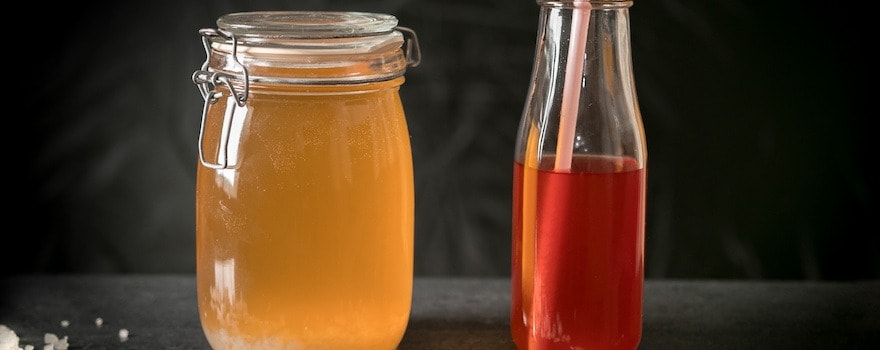
Kefir is a natural probiotic known since antiquity. Indeed, fermented kefir grains were consumed with goat’s milk, camel’s milk, or cow’s milk. The fermentation of kefir grains leads to the production of lactobacilli. Consuming this food improves digestion and facilitates lactose tolerance.
Fermented kefir can be consumed as a beverage. To prepare it, simply mix 4 tablespoons of kefir grains in 1 L of water, fruit juice, or milk. Let this mixture ferment overnight, then consume it gradually during the following day.
4. Miso
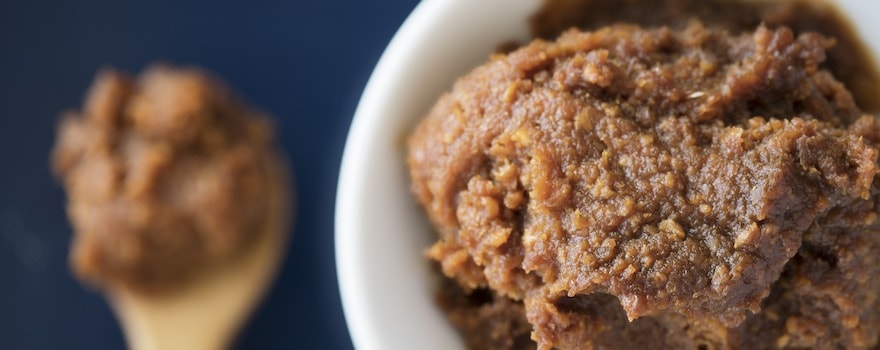
Miso is a condiment used in Japanese cuisine. It is a paste made from soy, rice, and fermented barley. The probiotics present in miso help reduce the symptoms of Crohn’s disease and bloating.
Miso is an ingredient that can be incorporated into many recipes. The Japanese mainly use it to flavor their soups. You can also make risottos, broths, or custards with miso.
5. Spirulina
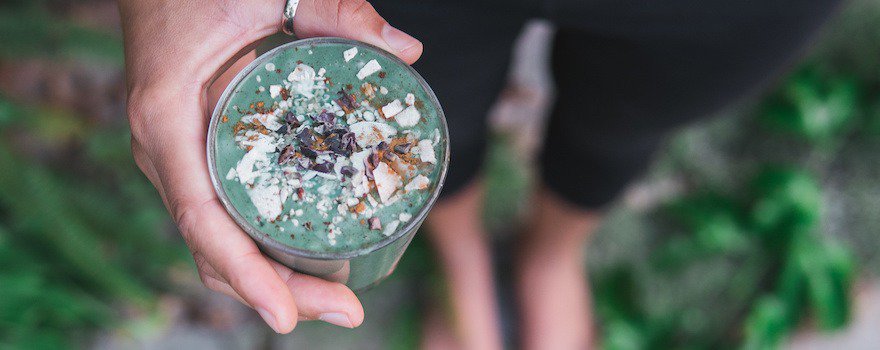
Spirulina is a cyanobacterium which contains many nutrients. It stimulates the development of lactic acid bacteria in the gut. It also contains antioxidants and has an anti-inflammatory effect.
Spirulina is available in pharmacies and parapharmacies, usually in powder and flake form. You can add it to drinks, soups, or broths to make it easier to ingest.
Buy natural probiotics: my selection
When diet alone isn’t enough to meet your probiotic needs, or as part of a course, turn to probiotics in the form of dietary supplements.
The choice is less about whether the products are dangerous and more about their effectiveness – some probiotics have no tangible effect.
I systematically recommend the flavonoid probiotics from Nutri&Co. They contain 9 strains, including 3 patented ones, as well as prebiotics (the flavonoids).
You should know that this probiotic-prebiotic combination is rare and difficult to formulate into a capsule.
I really like Nutri&Co because it is a particularly advanced French lab (see their blog in particular). By removing all intermediaries, they can offer high-quality products at a very affordable price.

❤ I like : the excellent value for money, complete transparency about the origin of the raw materials, the effectiveness reported by users on Amazon.
★ Customer reviews (Ekomi): 4.7/5
☞ Quantity: 60 capsules / 1 to 2 months of treatment
✔ Our test: Nutri&Co promo codes
What is the microbiota?
To understand what probiotics are, it is essential to take a look at the microbiota. A microbiota defines all the microorganisms that inhabit a particular living environment such as the mouth, the vagina or the intestines.
This term replaces the previously used “microbial flora”.
The microorganisms found in the mucous membranes and areas mentioned above are bacteria or fungi that are not pathogenic. Their balance helps maintain a flora beneficial to the body.

If an imbalance occurs for one reason or another, certain pathologies may appear (fungal infections, infections, inflammatory diseases…). Antibiotic treatments, for example, partially destroy this microbial flora.
The intestinal microbiota is the most important in the human body. Indeed, the intestines and colon contain around 2 kg of microorganisms.
Imagine that the digestive tract is colonized by 100 trillion bacteria, and there are hundreds of distinct bacterial species!
How do probiotics work?
There are different varieties of probiotics. The main varieties of these microorganisms are as follows:
- Les bactéries lactiques qui comprennent : les lactobacilles (Lactobacille ou L. acidophilus, L. casei, L. rhamnosus, L. reuteri, L. gasseri, L. plantarum) et les bifidobactéries (B. bifidum, B. longum, B. breve)
- Les streptocoques (S. thermophilus)
- Les saccharomyces (S. Boulardi)
The list of existing probiotics is not exhaustive because there are many categories.
Their main functions are:
- Renforcer le système immunitaire (chez les enfants, les personnes âgées ou lorsque ce dernier est affaibli). Ils assurent un effet stimulant sur la production et la libération de lymphocytes B et T, véritables cellules immunitaires.
- Renforcer la fonction de barrière de la muqueuse de l’intestin ou de limiter les attaques microbiennes en remplaçant les bactéries néfastes pour l’organisme et en empêchant leur adhésion au niveau intestinal.
- Produire des substances qui limitent l’activité des bactéries exogènes et neutraliser les toxines sécrétées par ces dernières
- Renforcer l’immunité des autres muqueuses, notamment les muqueuses pulmonaires et uro-génitales.
- Réduire l’inflammation sur un plan local
Probiotics exert a different effect depending on the strain involved. Indeed, lactobacilli, in general, have a bactericidal effect against Helicobacter pylori. They thus help prevent H. pylori infections, which are responsible for many cases of gastritis and gastroduodenal ulcers.
- Les L. fermentum sont efficaces contre l’eczéma atopique des nourrissons et certains maux hivernaux, tels que les bronchites et les rhinopharyngites.
- Les souches L. rhamnosus GG, L. casei Defensis, L. bulgaricus et S. thermophilus, L. casei Shirota exercent une action bénéfique lors des épisodes de diarrhée.
- Contre les infections respiratoires et gastro-intestinales, les L. reuteri protectis sont particulièrement efficaces.
And this list is not exhaustive!
Probiotics present in foods are alive, which ensures their effectiveness: when they reach the digestive tract, they act directly on the microbiota.
Les compléments alimentaires contenant des probiotiques sont donc présentés dans des capsules dites entérosolubles, c’est-à-dire qu’elles se dissolvent au niveau de l’intestin. En effet, l’acidité de l’estomac détruit la majorité des souches présentes.
The amount of active bacteria is expressed in millions/billions or as the number of colony-forming units per gram (CFU/g).
Probiotics do not colonize the digestive tract, they merely pass through it. Excess microorganisms not required by the body are eliminated naturally.
Therefore, intake should be renewed daily.
Side effects and contraindications
Taking probiotics can cause the occurrence of intestinal gas in some individuals. It can also cause intestinal irritation at the beginning of use.
Probiotics are contraindicated for people on corticosteroids, those undergoing radiotherapy or chemotherapy, immunocompromised individuals (suffering from lymphoma, AIDS), and people with digestive disorders (nausea, vomiting, abdominal pain).
In such cases, it is preferable to seek medical advice before starting supplementation.
Report compiled by Sabrina Biodore, nurse and health writer, and Charlotte Jean
