


The glycemic index of a food corresponds to its ability to raise blood sugar levels, i.e., blood glucose. Glucose is the reference carbohydrate with a GI of 100.
The low-GI diet is actually based on the extensive research by scientists Prof. Jenkins and Dr. Wolever. It involves prioritizing low-GI foods in everyday eating.
Indeed, the lower a food’s GI, the less it affects blood sugar levels. Conversely, high-GI foods promote high blood sugar, insulin spikes and fat storage.
The low-GI diet has been shown to help with healthy weight loss and to better understand how our bodies work. Two studies also found greater weight and fat mass loss in children and adolescents.
It is strongly recommended for people with diabetes, but not only them. Why controlling blood sugar using the low-GI diet can help you improve your weight and health?
As a dietitian, I share with you the various studies on the subject and my nutritional advice to help you adopt it easily.
📚 Also read | The 10 best weight-loss programs on the market
1. Make plenty of room for plant-based foods
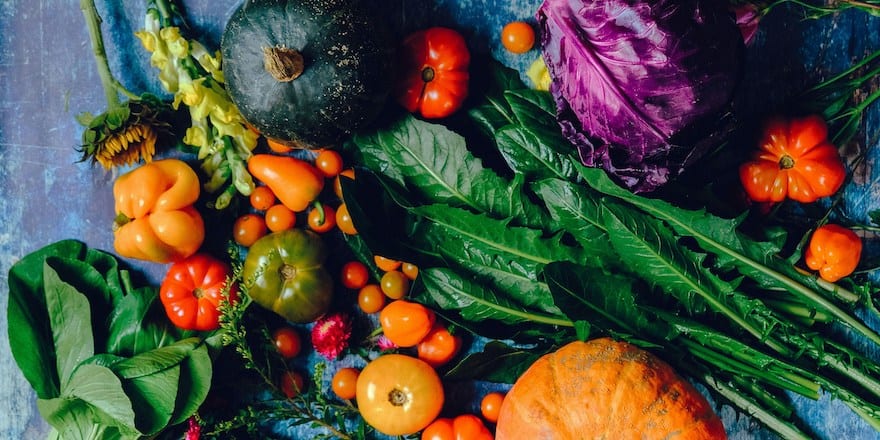
All carbohydrates cause an increase in blood sugar to varying degrees. And this blood sugar spike occurs 30 minutes after their consumption.
Uniquely, most vegetables have a GI below 15, which is very low. Their fiber content and nutritional composition are valuable assets.
Starting the meal with vegetables for better blood sugar control is my first tip. Reserve at least half of your plate for them.
For example, you can choose an appetizer of grated carrots or vegetable sticks to munch on. Or eat a homemade soup before dinner, satiating effect guaranteed.
This meta-analysis confirms that weight loss is greater with a low-GI diet compared to other diets and that satiety would be better when following this eating pattern.
| Food group | Low GI (0-55) | Moderate GI (55-69) | High GI (>70) |
| Fruits | Grapefruit (25) Apricot (34) Tomato juice (38) Apple, Pear (38) Prune (39) Unsweetened apple juice (44) Mango (51) Grape (53) | Papaya (56) Pineapple (59) Ripe banana (62) Orange (62) Raisins (64) Melon (65) | Watermelon (72) Dates (103) |
| Vegetables | Broccoli (10) Green beans, zucchini, leek, spinach, fennel, cabbage (15) Raw carrot (16) Cooked carrot (47) Squash (51) Boiled turnips (53) | Soup carton (60) Cooked beets (64) | Pumpkin purée (75) |
| Legumes and tubers | Soy, tofu (15) Split peas (22) Chickpeas (28) Lentils (32) Black beans (34) Green peas (41) White and red beans (42) Cooked sweet potato (46) Cassava (46) Corn (52) | Potato chips (56) | Boiled potato (78) French fries (82) Baked potato (95) |
2. Prefer whole versions over refined foods
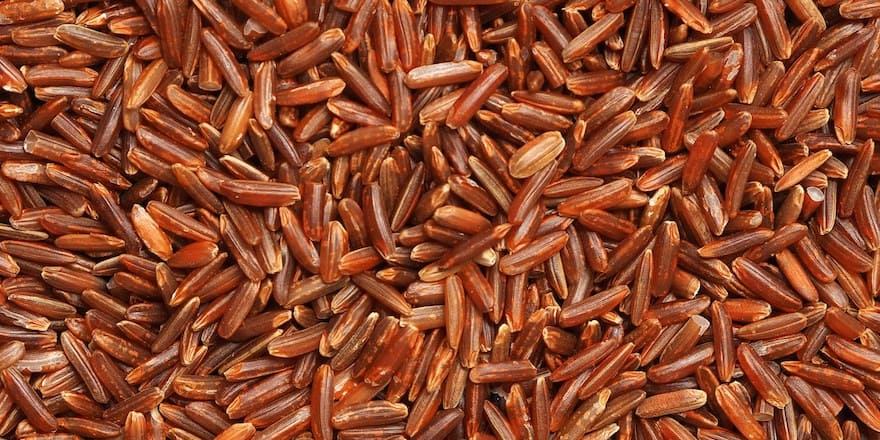
Processed foods and high GI (>70 or moderate >55) very often go hand in hand. Why? Because the various industrial processes often damage their fiber.
For example, white rice has a moderate GI (58) while the puffed rice cake has a high GI (85), the same goes for quick-cook packet rice (88).
It is preferable to opt for the least processed form, that is to say the whole-grain version for a lower GI, or a partially whole-grain version depending on your tolerances (taste and digestion).
These are also lower-quality carbohydrates that are generally used in industrial recipes: glucose-fructose syrup, white sugar… Combined with the low fiber content, this explains their impact on our blood sugar levels.
Because fiber acts as a buffer, especially soluble fiber (vegetables, legumes, apple, pear…). They slow gastric emptying and therefore the absorption of glucose by the body.
However, there are some surprising exceptions in the GI classification table. This is the case for Nutella or Twix that are found in the low GI column, for example!
Results that should nevertheless be qualified and can be explained by their high fat content. Fats slow the arrival of sugar in the blood. That does not make them essential calories for the body given their composition: sugar and palm oil are the first two ingredients of the famous spread.
| Food group | Low GI (0-55) | Moderate GI (55-69) | High GI (>70) |
| Cereal products & grains | Barley, pearl barley (28) Rye (40) Pasta al dente (45) Wholemeal bread, dark bread (49) Brown rice, red rice (50) Ebly wheat (50) Flour, oat flakes (52) Quinoa (53) | Basmati rice (58) Pizza (60) Gnocchi (60) Pasta (soft-cooked) (62) White rice (64) Couscous (65) Whole wheat bread (65) Rusks (68) | White bread (70) Pretzel (83) Puffed rice cakes (85) Quick-cooking bagged rice (88) White baguette (95) |
| Biscuits & snacks | Nutella (33) All-Bran (34) Pepito (40) Twix, Snickers (43) Petit Beurre (LU) (51) | Popcorn (55) Muesli (57) Plain crêpe (66) Tuc (LU) (67) | Chocolate bar (70) Granola bar (72) Baguette + spread (72) Donuts (76) Corn Flakes (77) Candies (>78) Energy drinks (90-95) |
🎧 Listen to our podcast | Who’s afraid of ultra-processed foods?
3. Don’t forget healthy carbohydrates (but in reasonable amounts)

If quality matters, the amount of carbohydrates does too.
Two other concepts have emerged: glycemic load (GL) and insulin index (II). Both complement the glycemic index.
GL and II provide more information about the portions of carbohydrate foods consumed and the impact on blood glucose. Each is the result of a calculation:
- GL: (glycemic index x amount in grams) / 100. Below 10, the glycemic load is considered low, and it is considered high above 20.
- II: insulin index for 240 kcal of a food. Bread is the reference with an insulinemic index of 100.
Of course, consistencies can be observed with the GI table. However, eating too much of a low-GI food can cause the same disorders: too much sugar in the blood that cells don’t need and that the body will store.
The recommended share of carbohydrates per day is 40 to 55% of the total daily caloric intake. So choose your ingredients carefully, in reasonable amounts.
| Food group | Low GI (0-55) | Moderate GI (55-69) | High GI (>70) |
| Sugars & sweeteners | Fructose, Agave (15) Coconut sugar (35) Strawberry jam (46) Brown sugar, Maple syrup (54) | Reduced-sugar jam (55) Honey (58) White sugar (65) | Corn syrup (85) Glucose (100) |
| Beverages | Kombucha (26) | Coca-Cola (58) Beer (66) | Grenadine syrup (70) |
🎧 Listen to our podcast | Sugar or Life?
4. To lose weight without yo-yoing, combine proteins with low-GI foods

Two studies conducted in 2008 compared the consumption of low glycemic index foods with the Mediterranean diet in one case and the low-carbohydrate diet in the other.
Better weight-loss results and a greater reduction in fat mass with the low GI diet were observed. These examples among others confirm the value of these dietary choices.
However, another essential nutrient seems to make the difference: protein. Essential for nourishing muscle mass, this study proved that the protein-enriched low-GI diet is the one that allows for sustained weight loss, and better stabilization.
This gave rise to the new low-GI diet, which in its recommendations adjusted the daily protein amount: 20 to 25% of total energy intake.
Include enough animal proteins in main meals: lean meats, fish and shellfish, fatty fish twice a week, and eggs.
Then, incorporate daily low-GI plant proteins: lentils, chickpeas, red beans, peas… They are ideal as an alternative to potatoes or other higher-GI starches — it’s a double advantage!
5. Choose healthy fats with a low glycemic index
Fats are essential for the proper functioning of the body. Therefore, there is no question of eliminating them.
A study also compared the GI diet with a low-fat diet. Conducted among overweight adults in 2007, the benefit of the low-GI diet in weight loss was considerably greater.
On average, 25% of total dietary intake on the GI diet should come from fats. Favor plant-based fats in your meals: olive oil, flaxseed, canola…
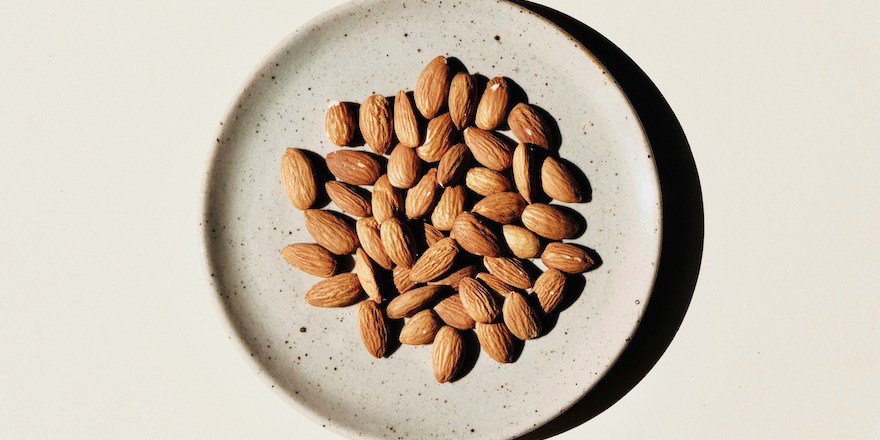
Good news, some low-GI foods are also sources of healthy fats. This includes nuts: walnuts, peanuts, hazelnuts, almonds…
I recommend including them regularly as low-GI snacks: a handful of nuts at breakfast and at 4 p.m., chopped apple with peanut butter
Prefer avocado or tofu to vary from cheese, which is high in saturated fats, for example. Fatty foods are not forbidden; choose them wisely to protect your cardiovascular system.
| Food group | Low GI (0-55) | Moderate GI (55-69) |
| Nuts & oilseeds | Pecans (10) Salted roasted peanuts (14) Walnuts, pistachios, almonds (15) Cashews (22) | |
| Milk, yogurts & derivatives | Greek yogurt (11) Whole milk, semi-skimmed (27-30) Low-fat fruit yogurt (28) Almond milk, oat milk (30) Sweetened yogurt (33) Soy milk (36) | Ice cream (61) Sweetened condensed milk (61) Chocolate milk (64) |
6. Follow the recommendations for low-GI meals

To avoid blood sugar spikes, the way you prepare your meals matters.
Here are my tips to lower the glycemic index of your meals:
- opt for complete meals with protein, vegetables, and fat rather than a carbohydrate-only food
- prefer short cooking methods and reheat your dishes in the microwave
- limit the amount of water when cooking your vegetables, keeping them whole or in large pieces
- eat your moderate or high GI foods preferably cold (potatoes, rice…)
- add a touch of acidity such as vinegar or lemon
When your body takes in too much sugar, it stores that excess as fat. This is followed by a drop in insulin, then in blood glucose, very often causing the urge to eat again. Your body becomes exhausted.
These tips help you promote a stable blood sugar level for more energy. A tasty piece of fruit with plain yogurt and pistachios will put you in a good mood, rather than a piece of baguette.
7. A diet with no forbidden foods and many benefits

The new low-GI diet recommends three phases to lose weight progressively. In the first days, include only very low GIs <20. Then low GIs <55 until you reach your goal.
Then, to stabilize: low and moderate GIs can be part of your new routine.
Unlike other diet programs, the low-GI diet does not ban carbohydrates but is a genuine strategy.
The low-GI diet can be suitable for the whole family, which I think is a great advantage. For pregnant women and people with diabetes, nutritional support is necessary at the start to adjust meals (timing, quantity…).
Beyond weight loss, the other benefits of the low-GI diet are numerous: improved cognitive function, reduced inflammation, help with insomnia…
Now you know everything! You have the nutritional guidelines to better choose your foods, prepare your upcoming grocery trips, improve your habits and your mood.
📚 Also read | The 9 Best Meal Boxes and Meal Kits Online
Sources and scientific studies
Cara B Ebbeling, Michael M Leidig, Kelly B Sinclair, Jan P Hangen, David S Ludwig, 2003. A reduced-glycemic load diet in the treatment of adolescent obesity.
Iris Shai, Dan Schwarzfuchs, Yaakov Henkin, Danit R Shahar, Shula Witkow, Ilana Greenberg, 2008. Dietary Intervention Randomized Controlled Trial (DIRECT) Group – Weight loss with a low-carbohydrate, Mediterranean, or low-fat diet.
Jennie Brand-Miller, Joanna McMillan-Price, Katherine Steinbeck, Ian Caterson, 2008. Carbohydrates the good, the bad and the whole grain.
E E J G Aller, T M Larsen, H Claus, A K Lindroos, A Kafatos, A Pfeiffer, J A Martinez, T Handjieva-Darlenska, M Kunesova, S Stender, W H M Saris, A Astrup, M A van Baak, 2014. Weight loss maintenance in overweight subjects on ad libitum diets with high or low protein content and glycemic index: the DIOGENES trial 12-month results.
Cara B. Ebbeling, Michael M. Leidig, Henry A. Feldman, et al, 2007. Effects of a Low–Glycemic Load vs Low-Fat Diet in Obese Young Adults, A Randomized Trial.
Yeonsoo Kim, Jie Chen, Michael D Wirth, Nitin Shivappa, James R Hebert, 2018. Lower Dietary Inflammatory Index Scores Are Associated with Lower Glycemic Index Scores among College Students.
James E Gangwisch, Lauren Hale, Marie-Pierre St-Onge, Lydia Choi, Erin S LeBlanc, Dolores Malaspina, Mark G Opler, Aladdin H Shadyab, James M Shikany, Linda Snetselaar, Oleg Zaslavsky, Dorothy Lane, 2020. High glycemic index and glycemic load diets as risk factors for insomnia : analyses from the Women’s Health Initiative.
