
The first vitamin identified by scientists, vitamin A was discovered in 1913. However, its functions were gradually revealed during the 1930s.
Also called retinol, vitamin A is a fat-soluble compound, meaning that it dissolves in fats. It is essential for visual function and the renewal of skin cells.
It is found in several forms: in animal products, and as a precursor in plant products. For the latter, it is known as beta-carotene and provitamin A.
To ensure sufficient intake for our bodies, here are the top 5 foods rich in vitamin A.
1. Cod liver oil

The famous cod liver oil prized by our grandmothers contains a significant amount of vitamin A: 30,000 µg of retinol per 100 g.
Recipe idea: consume it as is, a teaspoon in the morning to start the day. Or incorporate it creatively into a recipe that will mask its bitter taste.
2. Liver

Liver from veal, heifer or lamb is a meat whose retinol content is also significant. It is respectively 10,500 µg/100 g for the first and 7,680 µg/100 g for the latter two. Foie gras, meanwhile, contains 1,430 µg/100 g.
Recipe idea: baked, pan-fried and served with vegetables, it makes delicious dishes. Since foie gras is high in calories, it is best consumed in moderation, for example only during festive meals.
3. Cheese

Cheese, and more specifically parmesan, Roquefort and Emmental, contain retinol in its primary form:
- Parmesan : 345 µg/100 g
- Roquefort : 295 µg/100 g
- Emmental : 265 µg/100 g
Cheeses are dairy products. Also valuable for their calcium content, it is recommended to consume them every day.
Recipe idea: To easily incorporate them into meals, eat them before dessert. Parmesan, meanwhile, will accompany your pasta dishes.
4. Crème fraîche
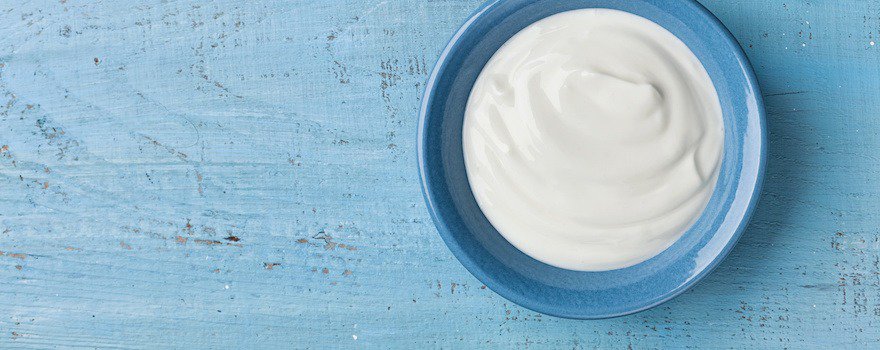
Often considered too rich, crème fraîche can nevertheless be included in a balanced diet. Adding crème fraîche to dishes helps meet the body’s retinol needs. Indeed, its vitamin A content is about 390 µg/100 g.
Recipe idea: By choosing a light cream, containing less than 12% fat, you can cook light dishes or sauces. However, be careful to consume it in moderation!
5. Eggs

Eggs are certainly foods with many nutritional qualities. Indeed, rich in protein and folic acid, they also contain vitamin A (their content is 235 µg/100 g). But their cholesterol content limits their consumption.
In addition to their nutritional virtues, eggs can be cooked in many ways and included in numerous recipes. Soft-boiled, in omelettes, in dishes, scrambled or hard-boiled, they can be eaten at any meal, accompanied by a salad. They prove to be essential culinary and health allies.
Fruits and vegetables rich in carotenoids
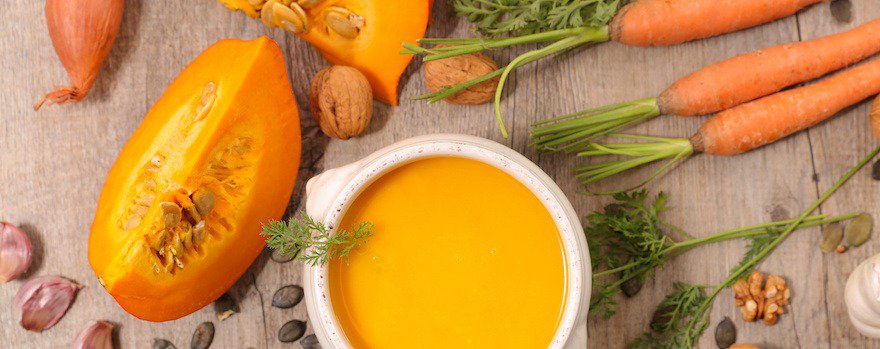
Rich in pigments carotenoids, these fruits and vegetables contain a significant amount of beta-carotene, a precursor of retinol. These food sources should not be neglected in order to optimize intake and meet your daily needs.
- Carottes
- Salade
- Potiron
- Patate douce
- Mangue
- Abricots
- Melon
What is vitamin A?
Retinol is found in animal-derived products, and in the form of precursors such as beta-carotene and provitamin A in plant-derived products. These precursors are also called carotenoids (pigments).
The body can build up stores of vitamin A. It is stored in the retina in the form of retinol, in the bones and mucous membranes as retinoic acid, or in the liver as retinyl palmitate.

A balanced diet easily meets daily vitamin A requirements. Beta-carotene intake must be six times higher than retinol intake to ensure the same functions.
The benefits of vitamin A
Vitamin A is an active substance within the body. It plays a key role in the functioning of several organs:
- Agit sur la vision
- Participe au renouvellement des cellules
- Agit sur la croissance des os (car intervient dans la différenciation des cellules)
- Maintient la bonne santé de la peau et des muqueuses
- Entre en jeu dans la production et la synthèse de protéines
- Participe au fonctionnement du système immunitaire
- Stimule l’absorption du fer par l’organisme
- Limite le vieillissement cellulaire, donc le relâchement cutané, grâce à son action antioxydante
Did you know? Beta-carotene affects skin pigmentation. Its action promotes tanning.
Warning: to have an effective action on our body, vitamin A must be associated with proteins and zinc (their levels must reach the recommended daily amounts).
Signs of vitamin A deficiency
Vitamin A deficiencies are generally rare in developed countries, because the diet usually suffices to meet people’s needs.
However, in some developing countries, lack of food and malnutrition can lead to retinol deficiencies, especially in children. This exposes them to childhood infectious diseases, blindness, and a resurgence of eye diseases.
To eradicate these disorders, vitamin supplementation has been implemented for children as part of public health prevention campaigns.
Vitamin A deficiencies can be caused by digestive diseases, such as Crohn’s disease or liver diseases. Conditions that cause fat malabsorption also lead to poor absorption of retinol.
Vitamin A deficiencies may also result from alcoholism or a thyroid disease. Indeed, the thyroid is involved in converting precursors into retinol.
The different symptoms of vitamin A deficiency are:
- Chez l’enfant : retard de croissance
- Troubles oculaires
- Altération des tissus cutanés et des muqueuses
- Sensibilité aux maladies infectieuses
Note: vitamin A deficiencies can be asymptomatic and therefore harder to detect.
Depending on the disorders observed, it is imperative to consult a physician in order to initiate treatment. It is not recommended to take dietary supplements without medical advice.
Recommended daily intakes
Recommended nutritional needs for vitamin A vary according to an individual’s stages of growth. They are higher in young children and in pregnant and breastfeeding women.
- Bébés âgés de 0 à 6 mois : 400 µg/jour
- Bébés âgés de 7 mois à un an : 500 µg/jour
- Enfants âgés de 1 à 3 ans : 300 à 400 µg/jour
- Enfants âgés de 4 à 6 ans : 400 à 450 µg/jour
- Enfants âgés de 7 à 9 ans : 500 µg/jour
- Enfants âgés de 9 à 13 ans : 600 µg/jour
- Adolescents âgés de 14 à 18 ans : 700 µg/jour pour les filles, 900 µg/jour pour les garçons
- Femmes (> 18 ans) : 650 à 700 µg/jour
- Hommes (> 18 ans) : 750 à 900 µg/jour
- Femmes enceintes : 700 à 770 µg/jour
- Femmes qui allaitent : 950 à 1 300 µg/jour
During pregnancy, it is important to eat more foods rich in vitamin A to meet daily needs.
Note: vitamin A and beta-carotene are better absorbed in the presence of fats. Therefore, consider seasoning vitamin A-rich foods with olive oil, for example.
Dangers, side effects, and overdoses of vitamin A
The body builds up vitamin A reserves, which are stored in the liver. Therefore, overdose is possible.
Excess vitamin A can occur due to kidney or liver disease, excessive intake of dietary supplements, or simply from consuming too many products containing retinol. It manifests as:
- Des troubles digestifs comme des diarrhées, nausées ou vomissements
- Une altération de la peau : sécheresse cutanée ou irritations
- Une atteinte hépatique (augmentation de volume du foie ou hépatomégalie)
In children and pregnant women, overdoses of vitamin A can have disastrous consequences (thickening of the bones in children and the occurrence of fetal malformations during pregnancy).
It is therefore important to be vigilant and attentive to early warning signs to prevent this disorder.