

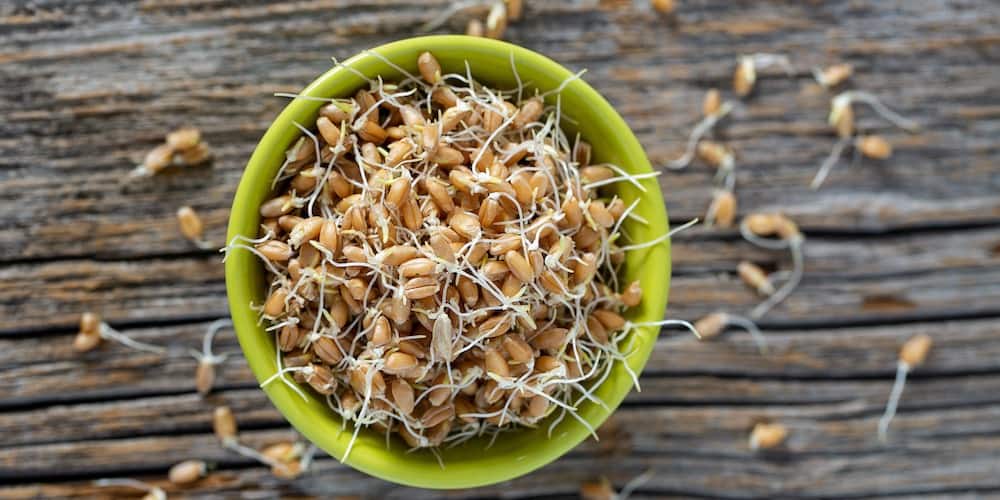
BENEFITS OF WHEAT GERM
✓ Source of vitamin E
✓ Helps with diabetes
✓ Relieves menstrual pain
✓ Enriches the microbiota
✓ Potentially anti-cancer
What is wheat germ?
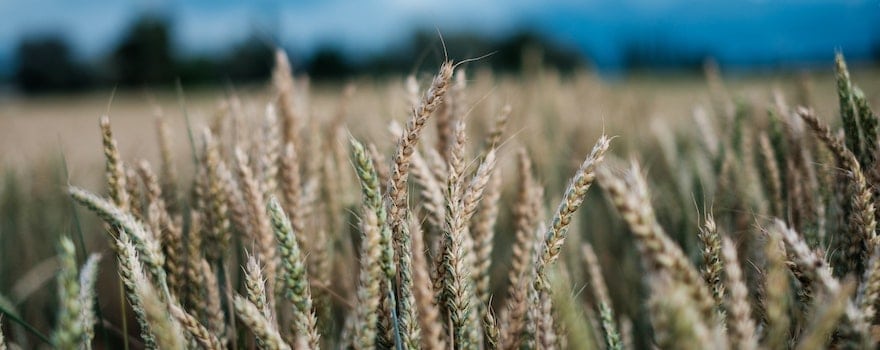
Wheat germ is one of the three parts that make up the wheat grain (Triticum), a cereal plant of the grass family. Thus, we distinguish the bran (the protective husk), the endosperm (located at the heart of the grain) and the germ. The latter is called “embryo” because it is from it that a new plant will appear.
Except for the production of whole wheat flour, the germ is separated from the endosperm and the bran during wheat milling. Indeed, due to its high oil content, it is prone to rancidity and can alter the taste of the flour.
Once separated, the wheat germ is collected to be processed into granules, flakes, or vegetable oil.
Thanks to its highly nutritious composition, it has numerous health benefits. Its richness in vitamin E gives it notably antioxidant properties that protect the body from free radicals. Its consumption also helps improve diabetes, relieve menstrual pain and enrich the microbiota. Finally, it shows a potential anti-cancer effect.
Nutritional composition
- Acides aminés
- Vitamines : B1, B2, B3, B5, B6, B9, C, E
- Minéraux et oligo-éléments : calcium, fer, magnésium, manganèse, phosphore, potassium, zinc, sélénium
- Protéines
- Fibres
- Glucides
- Acides gras : oméga-3, oméga-6
- Actifs antioxydants : phytostérols
The benefits of wheat germ
🌿 Source of vitamin E
Along with the Brazil nuts, dried fruits and fatty fish, wheat germ is among the best natural sources of vitamin E (or tocopherol). Indeed, it contains no less than 16 mg of vitamin E per 100 g. This fat-soluble vitamin is present in the oils and in the fatty acids (omega-3 and omega-6) of the germ.
Vitamin E has an antioxidant effect. It fights free radicals and preserves cells from oxidative damage and aging. In the germ, it protects oils from rancidity and oxidation. Vitamin E acts in the same way within the body by preventing the oxidation of lipids and fats by free radicals.
This review by the Council for Research and Experimentation in Agriculture (Italy) looked at the composition of wheat germ.
🍭 Helps with diabetes
With 15 g per 100 g, wheat germ is also a good source of dietary fiber. It notably contains soluble fibers that help with blood sugar control in cases of type 2 diabetes.
Soluble fibers slow the absorption of carbohydrates (sugar) in the intestine and prevent blood sugar spikes after meals. They also help reduce cholesterol and triglyceride levels, which are often elevated in people with diabetes. Finally, they contribute to appetite and weight control.
This study from the Isfahan University of Medical Sciences (Iran), conducted in diabetic patients, shows the benefit of wheat germ in improving diabetes.
🌺 Relieves menstrual pain
Like yarrow (yarrow (Achillea millefolium)), wheat germ helps relieve painful periods or dysmenorrhea. Indeed, it has anti-inflammatory properties and eases symptoms associated with the menstrual cycle: fatigue, headaches, mood disturbances…
It reduces the inflammation involved in menstrual pain. On the one hand, the vitamin E it contains lowers levels of pro-inflammatory cytokines. On the other hand, it contains vitamins, minerals and trace elements useful for relieving pain and improving premenstrual symptoms. It notably contains magnesium and vitamin B6 which act in synergy to relieve painful muscle cramps and improve mental well-being.
This study from Hamadan University of Medical Sciences (Iran), conducted in women, shows the benefits of wheat germ in treating dysmenorrhea.
♻️ Enriches the microbiota
Thanks to its richness in fiber, wheat germ has beneficial effects on the gut microbiota. Thus, like prebiotic foods, it promotes the growth of good bacteria and relieves constipation.
Regular consumption increases the intestinal bacterial population. Lactobacilli and bifidobacteria become more abundant. At the same time, it reduces inflammation in the colon.
This study from Oklahoma State University (United States), conducted in mice, shows how wheat germ enriches the microbiota.
🔬 Potentially anti-cancer
In recent years, researchers have taken an interest in wheat germ and its potential anti-cancer activity. It is notably included in the formulation of Avemar, one of the most well-studied dietary supplements for cancer patients.
On the one hand, it interferes with the glucose metabolism that cancer cells use to proliferate. On the other hand, it stimulates the immune system and the activity of NK cells (natural killer cells). An overall action that leads to apoptosis (programmed cell death) of cancer cells.
This study from the Bajcsy-Zsilinszky Municipal Hospital in Budapest (Hungary), conducted directly in the laboratory, shows the potential of wheat germ in the prevention and treatment of cancer.

How to consume wheat germ?
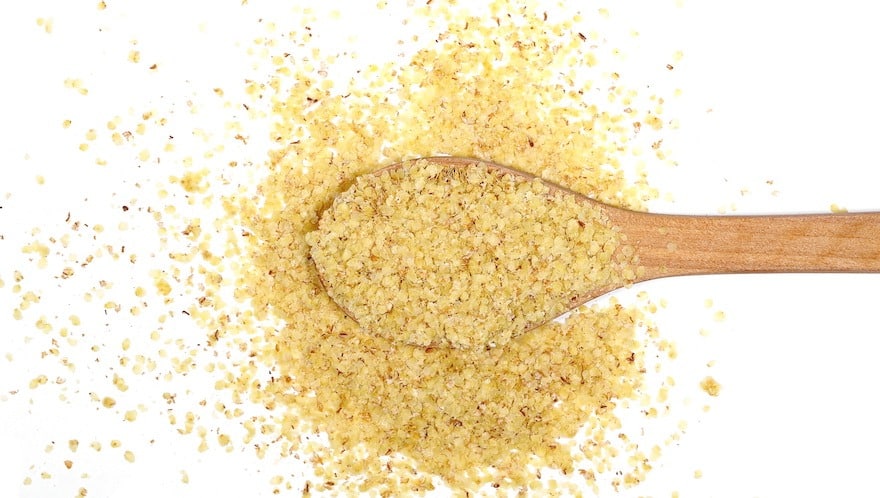
Wheat germ in flakes or granules
Recovered during the milling of wheat, wheat germ is then offered in flakes or slivers. Generally, 2 types of wheat germ are distinguished:
- Le germe de blé stabilisé : il a subit un procédé thermique à basse température visant à empêcher le rancissement des huiles qu’il contient. Ainsi, il se garde plus longtemps (de 6 à 12 mois), dans un endroit frais et sec ;
- Le germe de blé non stabilisé : ce dernier n’a subit aucun traitement thermique. Il est donc plus fragile et se conserve au frais pendant 3 mois maximum.
The flakes or slivers are easy to consume. Thanks to their mild nutty flavor, they pair well with many savory or sweet recipes. You can sprinkle them over salads, raw vegetable dishes, add them to soups and broths, yogurts and fromage blanc… They will also enrich muesli and smoothies.
Wheat germ oil
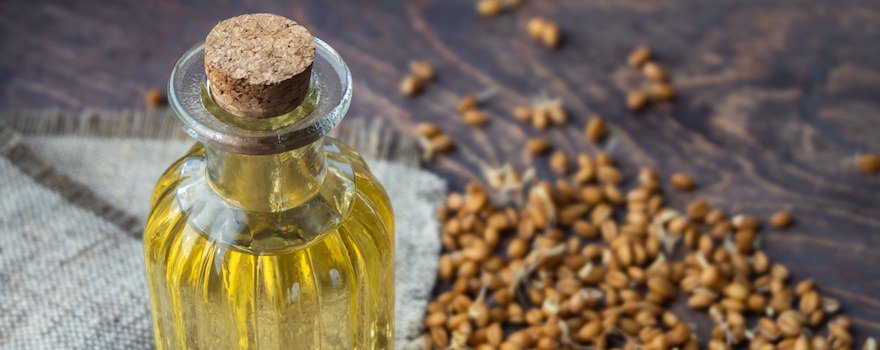
Wheat germ oil is obtained by cold-pressing the germ. It is distinguished by a beautiful yellow-orange color, a creamy texture and a pronounced cereal flavor. In cooking, it is used only for seasoning because its nutrients do not withstand cooking.
This oil is also valuable in cosmetics, for skin and hair care. Regenerating, nourishing and protective, it is ideal for dry and mature skin.
Consume sustainably: prefer local, organic, and fair-trade wheat germ
Wheat was one of the first crops domesticated by humans, more than 10,000 years ago in the Middle East. In France, it is the most widely grown cereal, ahead of corn and barley. It is therefore quite easy to find wheat germ of French origin and locally sourced. Also favor wheat from organic farming and/or a fair trade supply chain to support the work of small farmers.
Dosage
It is recommended to consume 1 tablespoon of wheat germ per day.
Contraindications and side effects
Consumption of wheat germ presents certain contraindications :
- Parce qu’il est riche en calories, les personnes obèses ou en surpoids doivent en consommer avec modération ;
- En raison de sa teneur en gluten, il est déconseillé aux personnes cœliaques.
Its consumption has few side effects. Only an allergic reaction may occur in case of sensitivity to wheat.
If you experience side effects, stop taking it and consult a doctor.
Report by Julia Perez
Sources and scientific studies
Andrea Brandolini, Alyssa Hidalgo, 2012. Wheat germ: not only a by-product.
Hamed Mohammadi, Mozhgan Karimifar, Zahra Heidari, Maryam Zare, Reza Amani, 2020. The effects of wheat germ supplementation on metabolic profile in patients with type 2 diabetes mellitus: A randomized, double-blind, placebo-controlled trial.
Maryam Atallahi, Sedigheh Amir Ali Akbari , Faraz Mojab , Hamid Alavi Majd, 2014. Effects of wheat germ extract on the severity and systemic symptoms of primary dysmenorrhea: a randomized controlled clinical trial.
Babajide A Ojo, Crystal O’Hara, Lei Wu, Guadalupe Davila El-Rassi, Jerry W Ritchey, Winyoo Chowanadisai, Dingbo Lin, Brenda J Smith, Edralin A Lucas, 2019. Wheat Germ Supplementation Increases Lactobacillaceae and Promotes an Anti-inflammatory Gut Milieu in C57BL/6 Mice Fed a High-Fat, High-Sucrose Diet.
András Telekes, Márta Hegedus, Chang-Hoon Chae, Károly Vékey, 2009. Avemar (wheat germ extract) in cancer prevention and treatment.
Gilles Charmet, 2011. Wheat domestication: lessons for the future.
