

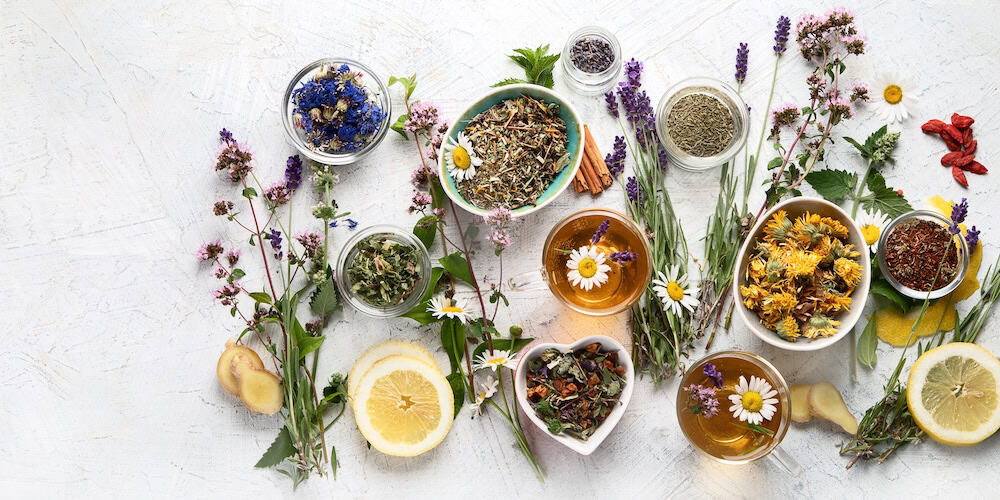
There are no miracle plants. However, many of them can help facilitate weight loss and support a diet.
If you want to lose weight and start a slimming diet, I suggest supporting your efforts with certain herbal teas. These can increase urinary excretion of water and therefore help promote the elimination of fats and toxins.
I also advise you to stay well hydrated (this is where herbal teas come in), get enough sleep, and engage in regular physical activity.
I have selected 6 diuretic and draining herbal teas here that I recommend consuming for a course of 2 to 3 weeks maximum. Don’t hesitate to seek support from a dietitian to put all the odds in your favor.
📚 Read also | A dietitian’s take on 7 weight-loss programs
1. Artichoke leaves
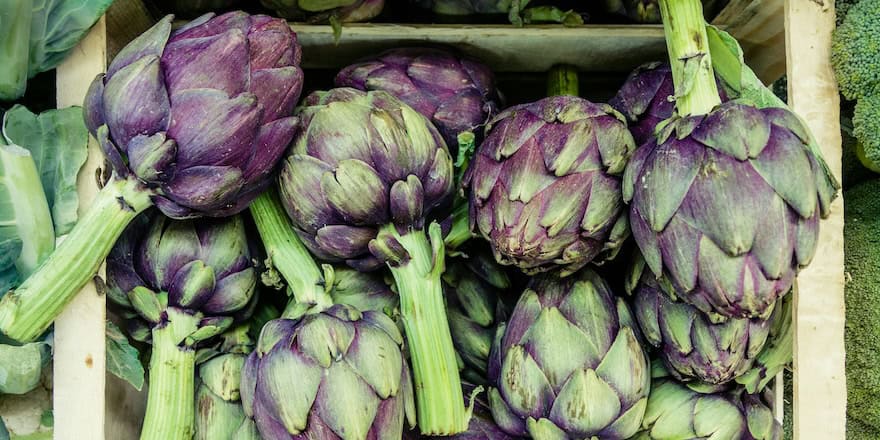
The artichoke leaves (Cynara cardunculus) are traditionally used for their action on the gallbladder and the liver. They stimulate their activity, and therefore help facilitate the elimination of waste and fats.
Small anecdote: there is a medication, ChophytolⓇ, primarily made of artichoke leaves. It is used to facilitate digestive and renal elimination functions, as indicated by this report from the French National Authority for Health.
Artichoke leaves can be found dried and loose in organic grocery stores and herbal shops.
2. Blackcurrant leaves
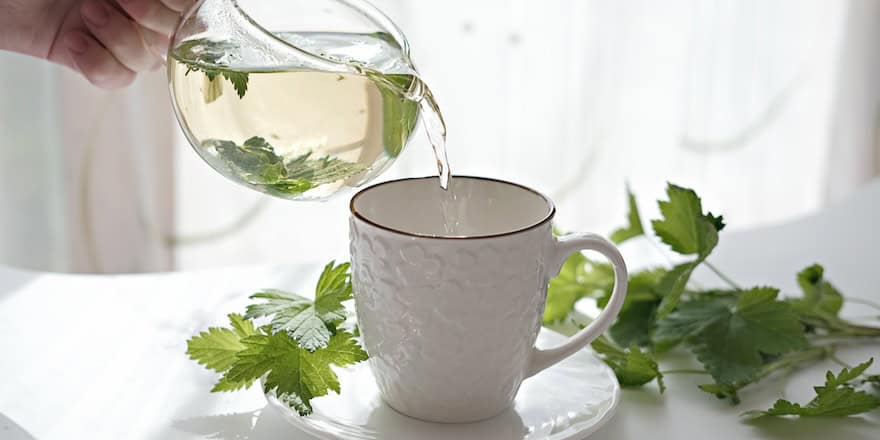
The blackcurrant leaves (Ribes nigrum), in addition to their delicious taste, have the ability to promote renal water elimination, as shown by this report from the EMA (European Medicines Agency).
They are very useful in cases of water retention and with slimming diets, to help eliminate fats and reduce cellulite.
To support kidney function, I encourage you to drink at least 1L of water and 1L of blackcurrant leaf herbal tea per day.
3. Cherry stems
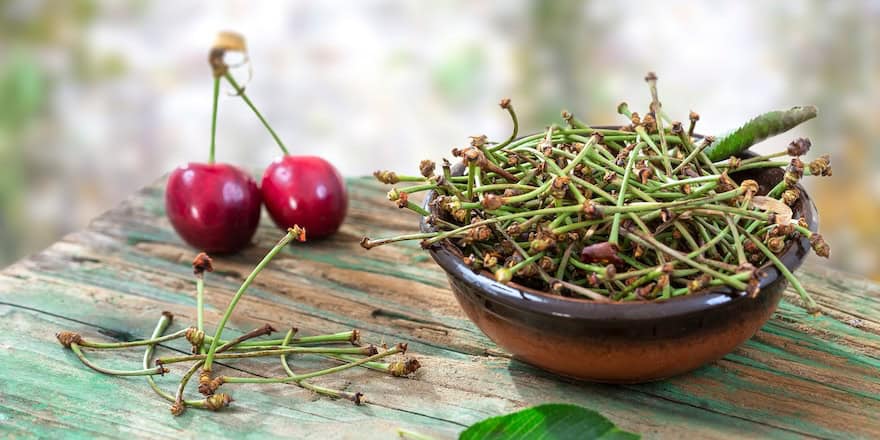
The stalks of cherries that we use in phytotherapy come from the Morello cherry (Prunus cerasus), native to Europe and Southwestern Asia. They are traditionally used for their purifying properties, as shown by this study.
Cherry stalks are consumed dried as an infusion, from 3 cups per day for 2 weeks. I also recommend them in cases of cystitis, as they are urinary antiseptics.
4. Birch sap
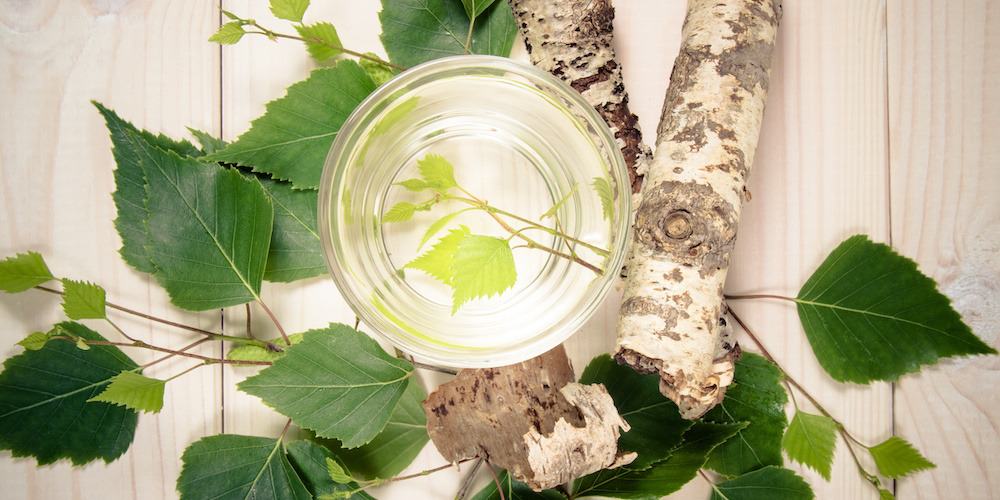
The sap of birch (Betula pubescens) has diuretic and liver- and kidney-draining properties. These properties are recognized, as shown by this extract from Vidal, a pharmaceutical reference.
It helps detoxify the liver and kidneys, eliminate the body’s wastes, reduce excess cholesterol, and combat water retention and cellulite.
Additionally, it is rich in antioxidants and vitamins. It’s ideal for revitalizing the body and promoting joint flexibility.
It is harvested in March, when it rises from the roots toward the buds, before the young leaves appear. The 3L course lasts 20 days, i.e. 15 cL every morning upon waking. The customers of my herbal shop love it!
5. Linden sapwood
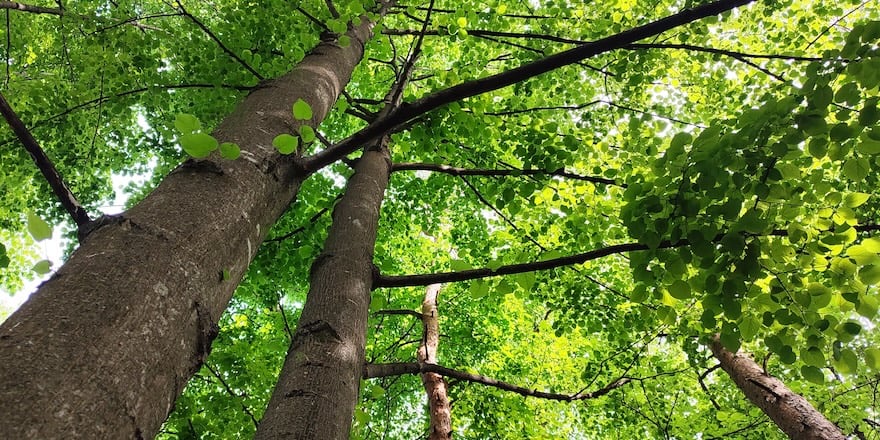
It’s one of my favorite plants. Less well known than bract tea for promoting sleep, the sapwood (the part under the bark) of linden (Tilia cordata) is traditionally used for its very effective draining properties for the liver and gallbladder.
This is stated by Jean-Michel Morel in his Practical Treatise on Phytotherapy.
It can be used alone or in combination with other draining plants, but be careful, since it is the ‘bark’, a decoction must be prepared.
A small tip for making a linden sapwood decoction: put 30 g of sapwood in 1 L of cold water, bring to a boil. Let simmer 2-3 min, turn off the heat and let steep off the heat for 20-30 min. Sip the decoction slowly throughout the day, and don’t forget to drink extra water.
6. Dandelion leaves
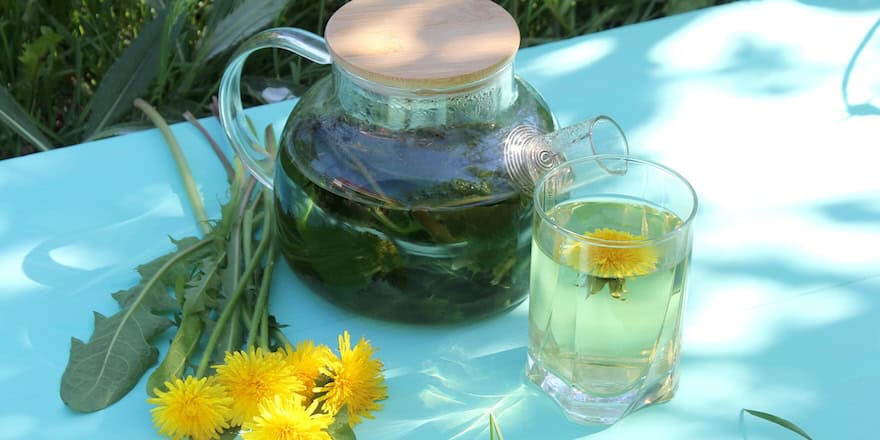
In roots or leaves, the dandelion (Taraxacum officinalis) stimulates kidney function, as the recognizes the European Medicines Agency.
Little anecdote: in ‘pissenlit’ you can find the word ‘pisser’, which clearly indicates the properties of this plant!
For a complete 20-day course, I recommend 3 to 4 cups per day of dandelion leaves. Be sure to stay well hydrated as well.
My advice before taking these herbal teas for weight loss
In general, all the plants mentioned above can be combined together and consumed as herbal tea.
Don’t hesitate to stay hydrated to support kidney function and facilitate the elimination of waste and fats.
Warning: all these plants are contraindicated in children, adolescents, and pregnant or breastfeeding women. They are also contraindicated in vulnerable people with, among other conditions, severe cardiac and/or renal disorders. They should not be combined with diuretic medication.
Sources and scientific studies
European Union herbal monograph on Taraxacum officinale F.H. Wigg., radix EMA/HMPC/475726/2020
European Union herbal monograph on Ribes nigrum L., folium EMA/HMPC/745353/2016
French National Authority for Health. CHOPHYTOL (artichoke). Saint-Denis La Plaine: HAS; 2004.
Hooman N, Mojab F, Nickavar B, Pouryousefi-Kermani P. Diuretic effect of powdered Cerasus avium (cherry) tails on healthy volunteers. Pak J Pharm Sci. 2009 Oct;22(4):381-3. PMID: 19783515.
Morel, J. M. (2008). Practical Treatise of Phytotherapy: Remedies of Yesterday for the Medicine of Tomorrow, p. 349. Grancher.
