


Nutrients that are good for sleep
Sleep is a complex mechanism that unfolds in several stages. It is a vital necessity for the body. Indeed, it has a restorative effect on our physical and mental functions.
A few physiological reminders
Sleep follows a circadian cycle. This biological rhythm generally lasts 24 hours. It is governed by the hypothalamus (an endocrine gland located in the brain) and consists of two distinct phases: the waking phase during the day and the sleeping phase during the night.
When night falls, there is less light. This signal is a stimulus that triggers the secretion of melatonin, a hormone derived from serotonin, which promotes sleep onset.
Also read | How to choose the best melatonin
Once the sleep phase begins, it is interrupted according to different stages: slow-wave sleep (which includes several phases of deep sleep) and REM sleep.

Despite precautions, stress, a difficult work situation, bereavement, emotional disorders, or difficult digestion can sometimes cause sleep disorders.
Although they are generally acute, they can become chronic and turn our nights into a real hell. There are medical treatments to address these disorders. However, for those who prefer natural methods, know that adding certain foods to your diet can help you get back to sleep.
Tryptophan: sleep’s ally
This amino acid is involved in the synthesis of serotonin, a hormone that promotes well-being. Indeed, amino acids are essential for protein production. As we mentioned, serotonin is a precursor hormone to melatonin, “the sleep hormone”.
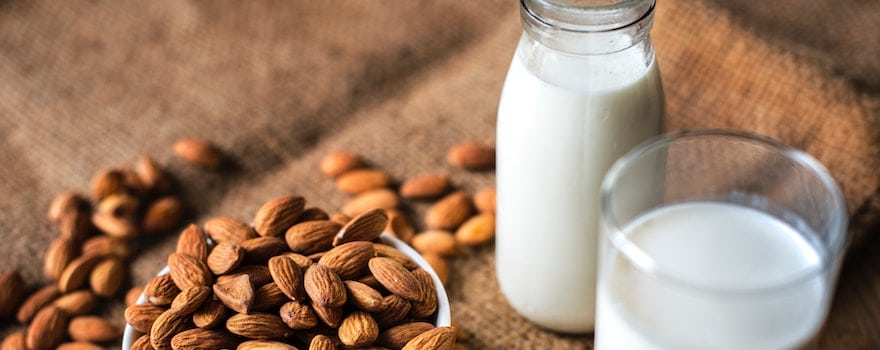
Tryptophan is a component of milk proteins. It is mainly obtained through the diet. To sleep well, it is therefore beneficial to add foods rich in tryptophan to the evening meal or before bedtime.
The benefits of magnesium
Magnesium deficiencies can cause sleep problems. Indeed, magnesium is an essential element for the body. This mineral has a relaxing effect on the body’s muscles. The body relaxes and falls asleep more easily.
An important point: magnesium also plays a role in the synthesis of serotonin, the hormone essential for the production of melatonin.
Another interesting point: magnesium is an essential element in combating stress.
Read also | How to choose the right magnesium
It is established that stress can cause sleep problems. We therefore understand why it is crucial to avoid magnesium deficiency in order to sleep well.
The importance of omega-3s
Omega-3s are fatty acids that are often consumed in smaller amounts than other nutrients. Yet they have a positive effect on sleep. Some studies have even shown that sleep problems occur in cases of omega-3 deficiency.
Read also | Omega-3 buying guide
Another item to add to your diet for better sleep!

Vitamins to fight insomnia!
The B6 and B12 vitamins are important for sleep. Indeed, vitamin B6 plays a role in serotonin synthesis, while vitamin B12 stimulates melatonin secretion, which we mentioned earlier.
Preserve natural sleep
To favor sleep rhythms natural, it is preferable to avoid using “screens” (phones, computers, tablets) one hour before going to bed. These devices emit a bluish light that inhibits melatonin secretion.
This leads to difficulty falling asleep. However, you can watch a movie on a television set located several meters away (2 to 3 meters).
Avoiding stimulants like coffee, tea, alcohol, or tobacco in the evening can help get back to sleep.
8 foods to eat for restorative sleep
To sleep well, it’s important to eat well and choose your foods carefully. Here is a list of foods that will help you fall asleep easily and peacefully each night.
Eat nuts
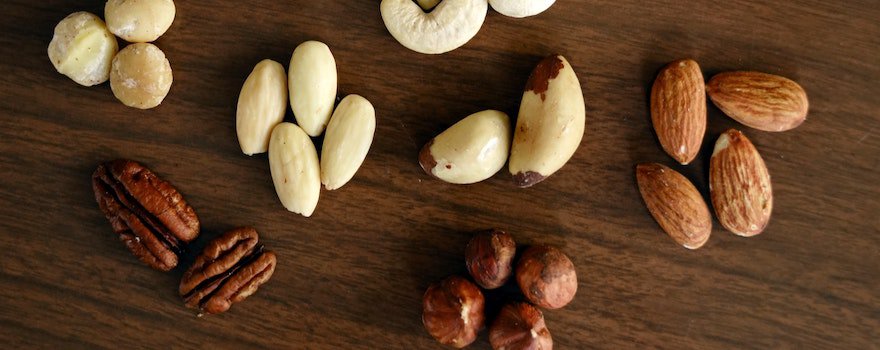
Nuts are a source of melatonin. The cashews, in particular, are rich in tryptophan, a precursor to serotonin and therefore melatonin.
You can add them to the evening meal by crushing them and incorporating pieces into a mixed salad or a lamb’s lettuce salad. By seasoning lightly, you get an evening meal that helps reduce sleep problems!
The benefits of legumes
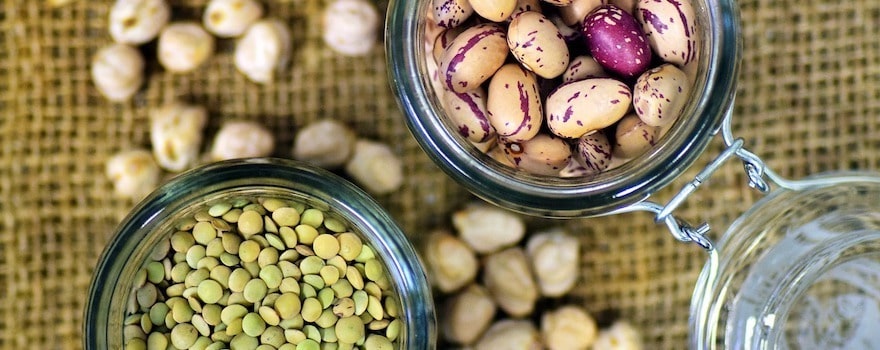
Legumes include lentils and white or red beans. Rich in tryptophan, they also contain B vitamins.
You can add them to dinner in moderate portions, accompanied by vegetables and lean meat, to avoid overly fatty meals and thus improve your sleep.
Favor bananas

The banana can easily serve as a bedtime snack. It is rich in tryptophan. It also contains vitamin B6.
It’s better to choose organic bananas and eat them plain. You should avoid making a sugar-rich dessert, with ice cream and whipped cream, for example, in order to sleep well.
Don’t forget seeds
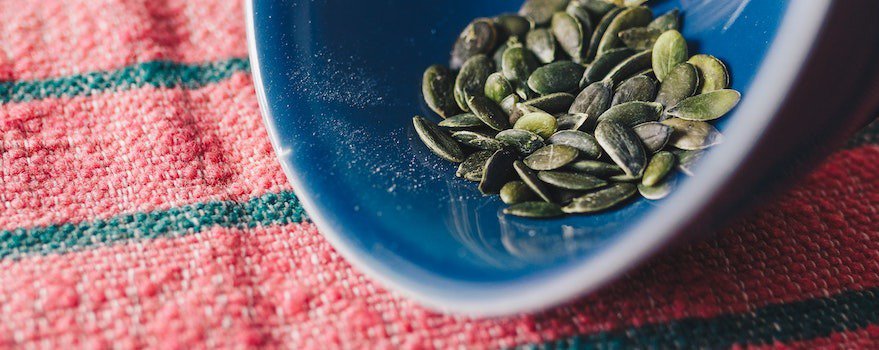
And yes! Sesame, squash, or sunflower seeds are rich in tryptophan, while pumpkin seeds are packed with magnesium. They therefore form a combination of foods beneficial for sleep.
How to sleep better thanks to seeds? Like nuts, seeds can be eaten, added to salads, which they perfectly complement.
Fish rich in omega-3s
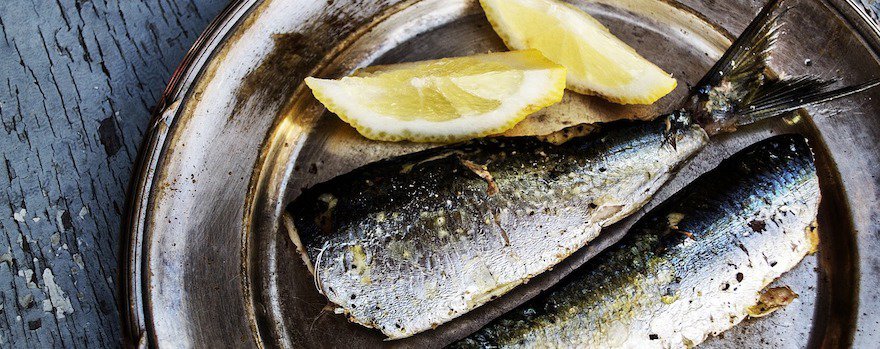
Good for the brain, foods containing omega-3s are also beneficial for sleep. These fatty acids are found in fish such as salmon, sardines, mackerel, or trout.
Replace a portion of meat with a portion of grilled fish two to three times a week to reap the sleep benefits of omega-3s.
Dairy products against insomnia

As we mentioned at the start of the article, tryptophan (which the body cannot produce) is found in milk proteins. Dairy products contain this amino acid in significant amounts. It should also be noted that the body takes about an hour to assimilate this element.
Drinking a good glass of warm milk an hour before bedtime is therefore an excellent way to fall asleep every day. However, consuming foods containing tryptophan throughout the day can only be beneficial to the body and makes it easier to fall asleep in the evening.
Consume complex carbohydrates
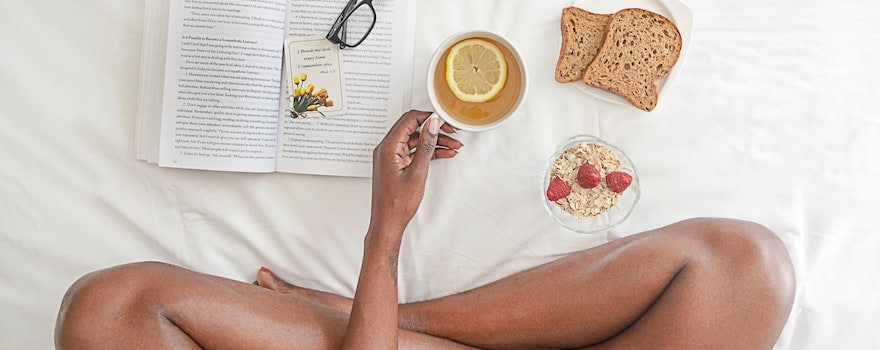
Ideal for the evening meal, foods rich in slow-release carbohydrates promote falling asleep. Indeed, glucose intake will stimulate the production of serotonin and thus stimulate the secretion of melatonin. Eating potatoes, rice, bread, pasta, or cereals is therefore not contraindicated in the evening.
To favor balanced meals, opt for low glycemic index foods, such as whole wheat bread, whole-grain pasta, or whole-grain cereals.

Prefer a light starter (soup or raw vegetables), with lean meat or grilled fish, to which you add a portion of starchy foods and a portion of vegetables. Potatoes are ideal because they can be used to make salads, gratins, mashed potatoes… a variety of dishes for the evening meal. If desired, you can end dinner with a low-sugar dessert to enjoy restorative sleep.
Cherries, allies of sleep

Cherries, and more specifically, Montmorency cherries, naturally contain melatonin, also known as ‘the sleep hormone.’ You can therefore add this fruit to the evening meal without concern.
Eat fresh cherries, washed and stemmed, without added sugar, as a dessert after dinner to enjoy a good night’s sleep, without insomnia.
The power of plants to help you sleep

Some plants have beneficial effects on sleep. Phytotherapy, or ‘the art of treating yourself with plants,’ is currently in vogue. Indeed, valerian, linden, passionflower, chamomile, and lemon balm have soothing and calming properties.
They help reduce stress, promote the release of tension and relaxation, in order to encourage sleep. That’s why drinking an herbal tea made from these plants in the evening before bed can help fall asleep more easily.
The advantage of herbal medicine is that it causes neither side effects nor dependence. This makes it a favorable alternative to starting a medication.
If herbal teas are not sufficient, why not turn to aromatherapy? Essential oils of chamomile, lavender, marjoram and basil have soothing, calming properties. They can help treat the symptoms of insomnia.
They can be used in a diffuser, in massage, or diluted in the bath. However, they must be handled with care and it is best to ask your pharmacist for advice before using them.
If the problems persist after a few days, consult your doctor to prevent worsening symptoms and the development of chronic insomnia . The therapist will refer you to a sleep center for a sleep study if necessary.
