


Inflammation is a natural reaction of the body to an injury or an infection, but in the case of osteoarthritis, it can become a chronic problem. 10 million French women and men are affected by osteoarthritis according to this publication from Inserm.
When inflammation persists, it can cause long-term pain and damage to the joint. That’s where diet plays a crucial role.
Although no study supports a specific dietary regimen to reduce inflammation, weight loss and a healthier diet will relieve the symptoms of osteoarthritis.
With this information in mind, I encourage you to start the day off on the right foot. An osteoarthritis-fighting breakfast is not only nutritious, it can also help reduce inflammation.
Also read | A pharmacist’s advice on choosing a dietary supplement to combat osteoarthritis
1. Vegetable omelette

Eggs are an excellent source of protein (12.5 g/100 g), essential for joint health.
Add vegetables such as spinach, tomatoes and bell peppers, which are rich in antioxidants and vitamins, and you’ll have a savory breakfast to keep you going until the next meal.
2. Fruit bowl with berries and chia seeds
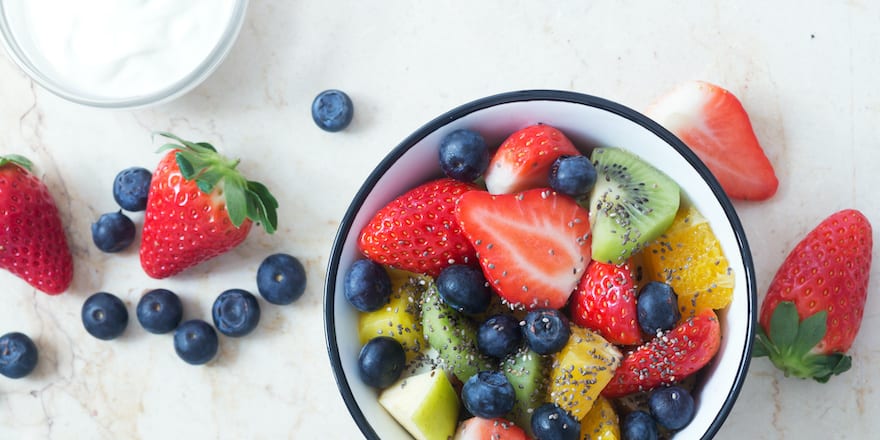
Berries, such as raspberries and blueberries, are rich in antioxidants. This publication states that anthocyanins, polyphenolic compounds found in berries, have anti-inflammatory properties.
Chia seeds are an excellent source of omega-3 fatty acids, known for their anti-inflammatory potential.
Try mixing them with Greek yogurt, high in protein and good for bone health. You can even prepare your bowl in advance and leave it in the fridge overnight. It will be even more flavorful.
Also read | Our tips for buying the best chia seeds
3. Oatmeal with nuts
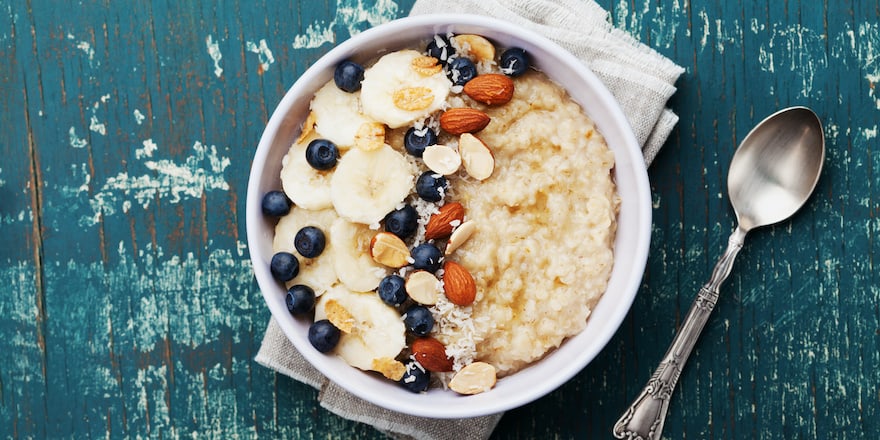
Oats are a very good source of fiber (10.6 g/100 g), which may help reduce inflammation.
Nuts, particularly walnuts and almonds, contain omega-3 fatty acids and vitamin E, which have anti-inflammatory properties.
Add fruit for a touch of natural sweetness. Berries, as mentioned earlier, but also banana for its richness in vitamins and minerals.
I recommend choosing plant-based milks to pour over your porridge: soy milk, almond milk, or rice milk.
4. Green smoothie

A smoothie made with leafy greens, such as spinach or kale, is ideal for starting the day.
These vegetables are rich in antioxidants and vitamins, and help reduce inflammation as suggested by this study.
You can add fruit to your smoothie like pineapple or berries for a sweet flavor and an extra dose of antioxidants and indulgence.
5. Whole-grain bread with avocado
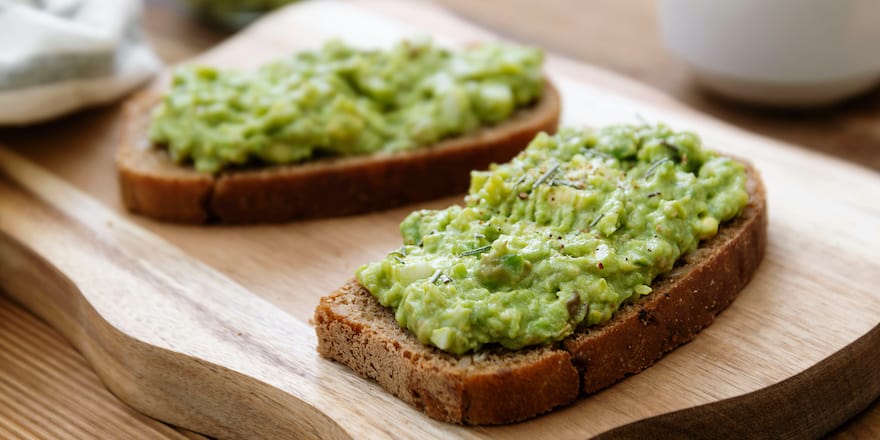
Avocados are rich in monounsaturated fatty acids (12.3 g/100 g), which can help reduce inflammation.
Serve your avocado on whole-grain bread for a dose of fiber that will help keep your digestive system healthy. You can even add a scrambled egg if you’re very hungry.
My tips for an osteoarthritis-friendly diet
I can’t say it enough, but the key to a balanced, healthy diet is to eat a bit of everything, without frustration, except in cases of medical conditions or food allergies, of course.
However, a large number of patients with osteoarthritis have reported feeling better by avoiding certain foods, particularly at breakfast.
Among these foods are dairy products of animal origin, which I recommend replacing with soy-, almond-, or rice-based drinks and products…
Others report experiencing less pain when limiting gluten in their diet. Overall, limiting gluten is useful for diversifying your diet. Try other grains, quinoa, and legumes.
Sweet and refined foods should also be greatly reduced in cases of osteoarthritis and inflammation in general. Replace them with fruit, low-sugar homemade pastries, or savory options, especially for breakfast.
Finally, remember that managing osteoarthritis doesn’t stop at breakfast. A balanced diet throughout the day, combined with regular exercise and appropriate medical care, is essential for living with osteoarthritis.
Also read | Which foods should be avoided if you have osteoarthritis?
