

Description and function of sodium
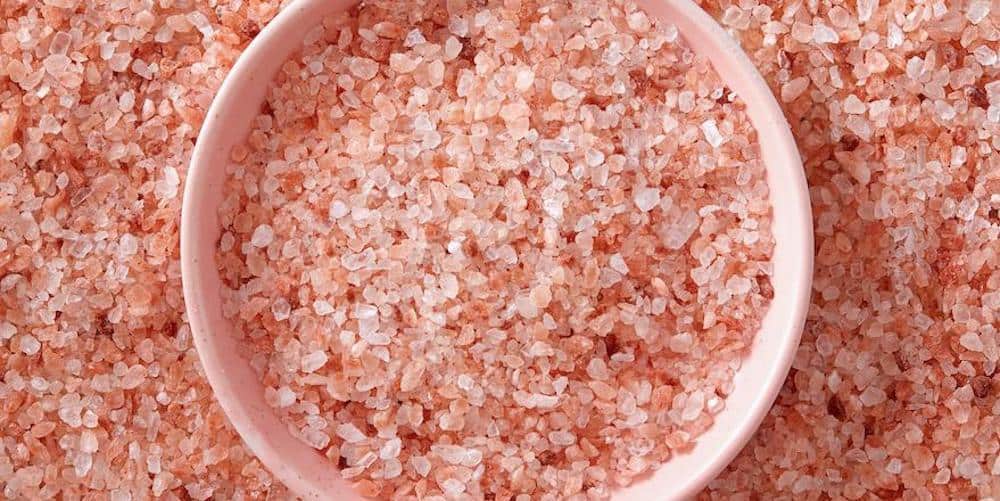
Sodium is a mineral element that occurs naturally in the form of a soft alkali metal. The symbol for sodium is Na and its atomic number is 11 (periodic table of elements). Sodium is only one component of salt as we know it: sodium chloride. 1 g of salt is made up of 600 mg of chlorine and 400 mg of sodium.
Although this element was isolated in 1807 by the English physicist and chemist Sir Humphry Davy, it had long been used to preserve food or make it more flavorful.
Sodium is carried by the blood plasma. The sodium level in the blood, called natremia, can be measured with a blood test.
Normal serum sodium (natremia) ranges from 135 to 145 mmol/L. It is regulated by various hormones, including aldosterone (an adrenal hormone).
Sodium should not be consumed in excess because it can lead to high blood pressure and kidney problems. It plays an essential role in the distribution of water in the body, in the transmission of nerve impulses and in muscle contraction. It is generally associated with potassium (a high intake of potassium causes increased salt excretion in the urine).
Role of sodium in the body
Sodium performs key functions in the body:
- La transmission de l’influx nerveux, par des phénomènes de polarisation (entrées et sorties de sodium à travers la membrane cellulaire)
- ·Agit sur l’équilibre hydroélectrolytique : la concentration plasmatique du sodium régule les mouvements hydriques intra et extracellulaires, c’est-à-dire à l’intérieur et l’extérieur des cellules corporelles. A ce titre, il intervient sur l’équilibre de l’eau présente dans l’organisme.
- Intervient dans la contraction musculaire
- Assure le maintien de la tension artérielle. Lorsque le taux de sodium sanguin augmente, la tension artérielle augmente. Lorsqu’il diminue, elle diminue également. Le maintien d’une natrémie normale est donc essentielle pour éviter les variations trop importantes de ce paramètre vital.
Signs of sodium deficiency
Sodium deficiencies or hyponatremia (serum sodium < 135 mmol/L) can occur following chronic diarrhea, repeated vomiting, insufficient dietary intake, inadequate compensation, particularly in athletes, who lose a lot of sodium through sweat. The physical symptoms of this condition are:
- Une perte de tonus musculaire
- Baisse de la tension artérielle, voire hypotension
- Crampes
- Déshydratation, confusion
- Perte d’appétit (surtout chez les personnes âgées)
Serum sodium is a biological parameter regularly monitored during routine check-ups because of its impact on health. A simple blood test is sufficient to check this parameter: the blood ionogram.
Recommended daily intake
Table salt provides about 20% of daily sodium needs. The remaining intake is provided by consuming foods that have been previously salted. Adequate daily sodium requirements are as follows:
- Bébés âgés de 0 à 6 mois : 120 mg/jour
- Bébés âgés de 7 mois à un an : 370 mg/jour
- Enfant âgé d’un an à 3 ans : 1 000 mg/jour
- Enfant âgé de 4 à 8 ans : 1 200 mg/jour
- Enfant âgé de 9 à 13 ans : 1 500 mg/jour
- Adolescent âgé de 14 à 18 ans : 1 500 mg/jour
- Hommes et Femmes (18 à 50 ans) : 1500 mg/jour
- Seniors (> 50 ans) : 1 300 mg/jour, puis 1 200 mg/jour, à partir de 70 ans
To limit the cardiovascular risks caused by excessive salt consumption, the WHO recommends not consuming more than 5 g of salt per day. Note that the French consume more salt than their European neighbors!
In France since 2011, as part of the National Nutrition and Health Program, it is recommended not to exceed a consumption of 8 g of salt per day for men and 6.5 g per day for women and children. This corresponds respectively to 3,200 mg and 2,600 mg of sodium per day.
Symptoms of sodium overconsumption
Excess sodium, or hypernatremia (level > 145 mmol/L), is generally due to excessive intake. Its impact on the body is concerning. Symptoms of sodium overdose are:
- Augmentation de la tension artérielle, voire hypertension
- Apparition de calculs rénaux
- Favoriserait l’ostéoporose en entraînant une décalcification osseuse
- Atteinte de la muqueuse gastrique. Selon l’Institut National du Cancer, le sodium en excès augmenterait les facteurs de risque d’infection et d’ulcère gastrique, ainsi que les facteurs de risques de cancer de l’estomac.
Note: the renal system of young children (under 3 years old) is immature and cannot quickly eliminate excess sodium. Moreover, their blood pressure is linked to daily salt intake. It is important to add very little salt to their foods during preparation to avoid sodium overdoses, especially in very young children.
Top 5 foods richest in sodium
To ensure adequate sodium intake, or to avoid excess, prioritize a diet based on unprocessed foods and cooking at home. Indeed, commercially sold foods are generally supplemented with salt. Here is our list of sodium-rich foods.
Soy sauce

A major ingredient in Chinese cuisine, soy sauce helps ensure daily sodium intake. Its Na content is approximately 6,260 mg per 100 g. Therefore, it should be used in small amounts.
Soy sauce is low in calories, and a basic ingredient for making light dressings or marinades for meat. It adds a salty flavor to soups, veloutés, or other broths. For this, simply add a few drops to the cooking water.
Cod
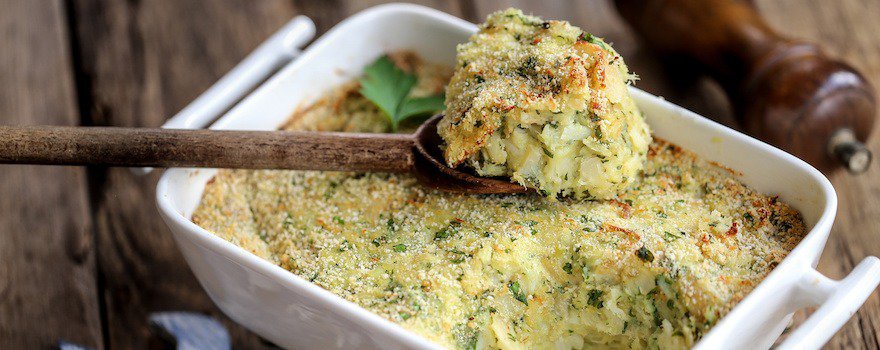
Cod is salted for preservation, so it is a sodium-rich food. Its Na content is 2,320 mg per 100 g.
Cod requires some preparation time. It must be desalinated beforehand by soaking it for several hours in water. You can then prepare a cod brandade, a hearty dish, or cod accras (Caribbean fritters) which are served hot, preferably as a starter.
Dry-cured ham or smoked ham

Dry-cured ham is a food whose sodium content is noteworthy (2,300 mg per 100 g). Low in calories, it can be served as a main course or as a starter.
Dry-cured or smoked ham is perfect for making composed salads. Served with melon, it allows you to create fresh, flavorful starters.
Smoked salmon

Smoked salmon is also a food high in sodium. This is due to the product’s preparation. It is salted before being \”cooked\” in smoke.
It can be served as a starter, accompanied by lemon slices and grilled toast. However, since it is a fatty fish, it is advised not to eat it more than twice a week.
Mustard

Mustard is a condiment made from mustard seeds. Low in calories, it has digestive properties because it stimulates the secretion of gastric juices. Its sodium content is 2,360 mg per 100 g.
Mustard is generally served with meats and can also be used to make more specific recipes such as mustard chicken.
