

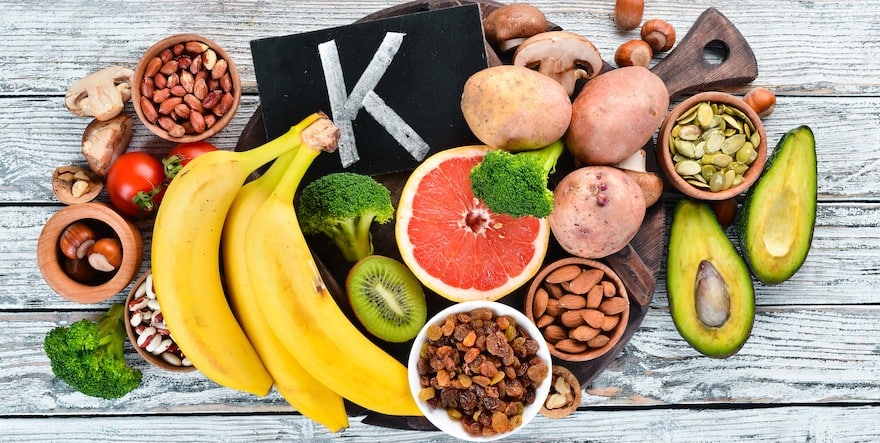
Description and functions of potassium in the body
Potassium, represented by the symbol K, is a mineral salt present in every cell of the body. This electrolyte circulates through the body via the blood plasma.
It plays an essential role in several bodily functions, such as carbohydrate metabolism, the transmission of tiny electrical impulses within cells, and the maintenance of blood pH.
The difference in potassium concentration (and in sodium, whose symbol is Na) between the inside and the outside of the cell determines the creation of an action potential, an electrical potential that enables the propagation of nerve impulses and the contraction of muscle cells.
This action potential underlies the contraction and function of all muscle cells in the body.
The blood potassium level is called kaliemia. It ranges between 3.5 and 5 mmol/L. Variations below or above this level define hypokalemia (blood potassium level too low) and hyperkalemia (blood potassium level too high).
The benefits of potassium
Potassium is an electrolyte whose level is measured by performing a blood ionogram. This blood draw makes it possible to determine the kaliemia: it is the potassium level in the blood.
This laboratory test is often performed as part of health check-ups. Indeed, potassium is involved in many bodily functions, notably in:
- Muscle contraction
- Maintenance of heart rhythm
- Regulation of blood pressure variations
- Transmission of nerve impulses
- Maintaining blood volume (circulating blood volume) in balance with circulating sodium levels (the potassium level affects the water content of cells, and thus influences blood volume)
- The production of aldosterone, an adrenal hormone that promotes potassium excretion in exchange for sodium (as part of intercellular mineral exchanges). Aldosterone contributes to increasing blood pressure.
- Maintenance of kidney function and acid-base balance
- Synthesis of proteins and carbohydrates

Maintaining a sufficient potassium level helps prevent heart rhythm disorders and preserve muscle tone.
Symptoms indicative of potassium deficiency
Hypokalemia is defined by a blood potassium level below 3.5 mmol/L. Potassium deficiencies (as well as excess potassium) can have serious health consequences. It is therefore essential to detect them effectively.
The potassium deficiencies present with the following symptoms:
- Muscle weakness or cramps
- Fatigue
- Abdominal pain or constipation
- Tingling in the extremities (hands, feet)
- Disruption of intestinal transit
- An increase in blood pressure
- Frequent urges to urinate
In cases of moderate hypokalemia, the doctor may prescribe oral treatment. In severe cases, potassium deficiency can lead to heart rhythm disturbances, even arrhythmia or muscle paralysis.
The treatment implemented is potassium supplementation administered intravenously (infusion under medical and paramedical supervision) during hospitalization.
This supplementation is primarily provided by trained healthcare professionals to prevent complications. Laboratory monitoring is performed.
The causes of hypokalemia may be due to the use of diuretics, episodes of severe vomiting or diarrhea (gastroenteritis), low dietary intake (anorexia), or eating disorders (self-induced vomiting, as in bulimia or anorexia).
The use of diuretics is generally associated with the prescription of regular blood electrolyte tests to detect possible potassium deficiencies.
Recommended potassium intake
Potassium intake is easily provided by a rich and varied diet. The recommended intakes to maintain a normal serum potassium level are as follows:
- Babies aged 6 months to 1 year: 750 mg/day
- Children aged 1 to 4 years: 800 mg/day
- Children aged 5 to 7 years: 1,000 to 1,100 mg/day
- Children aged 8 to 10 years: 1,800 mg/day
- Adolescents aged 11 to 14 years: 2,500 to 2,700 mg/day
- Adolescents older than 15 and adults: 3,500 mg/day
- Breastfeeding women: 4,000 mg/day
Top 5 foods containing potassium
Potassium is found in meats and fish, but also in many fruits and vegetables.
This is good news for vegetarians and vegans, who can therefore meet their daily requirements by adopting a potassium-rich diet, even though they do not eat meat or animal-derived products.
Here are 5 foods containing this valuable nutrient.
Dried fruits

Dried apricots and raisins, figs, and dried dates are the fruits richest in potassium.
For those who enjoy them, it is preferable to prepare them using your own recipes to reduce the sugar content. Indeed, commercially sold dried fruits are very sweet.
They are best eaten sparingly, at breakfast with a serving of fromage blanc or as snacks around 4–5 p.m.
Unsweetened cocoa powder
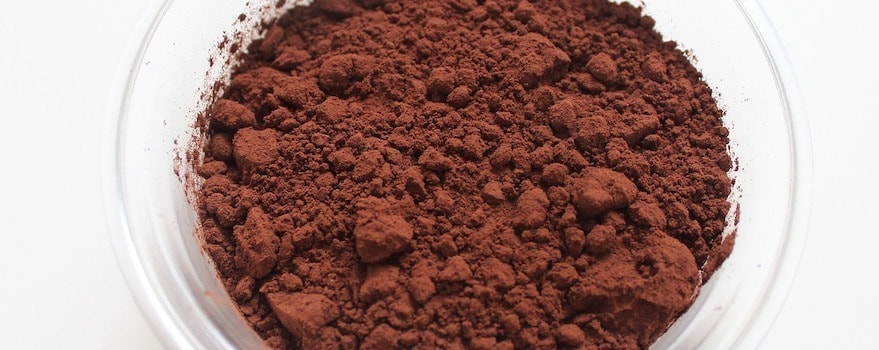
Cocoa powder without added sugar is one of the foods highest in potassium. Indeed, 100 g provide about 1,500 mg of potassium. So it’s clear why you might add it to your diet.
Raw cocoa and 70% dark chocolate should also be added to the menu to benefit from an exceptional level of potassium.
Unsweetened cocoa powder is ideal for making hot drinks to enjoy at breakfast. One or two squares of dark chocolate will perfectly complement your snack breaks.
Chicken

Roast chicken contains 700 mg of potassium per 100 g of food. Prefer skinless chicken breast, which is low in calories, when planning your meals.
Roast chicken can be used to create balanced dishes such as salads and fresh sandwiches topped with lettuce and tomatoes. It can also be eaten with vegetables and a portion of starchy foods at lunch or dinner.
Banana

Bananas are a safe food. Rich in tryptophan, they are ideal for preserving sleep, combating stress, and providing fiber and magnesium.
Best consumed as is, without added sugar, as a dessert or a snack.
Avocado
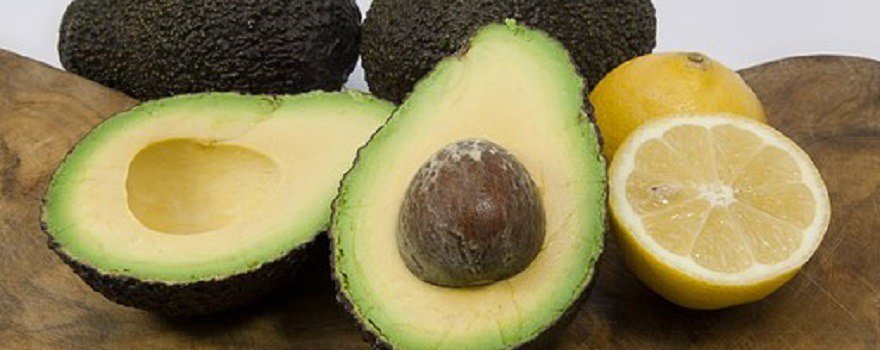
Rich in omega-3s, fatty acids beneficial for the brain, avocado also provides a significant amount of potassium (over 400 mg per 100 g of avocado). This food therefore offers several health benefits.
Best eaten fresh, as a starter with the classic avocado-and-shrimp dish or in a salad for a light lunch accompanied by a lighter vinaigrette.
Potassium is also found in spinach, potatoes, white beans, and whole-wheat pasta.
This element dissolves easily in water. To preserve potassium levels, it’s preferable to use cooking methods such as steaming or cooking in parchment or foil.
When cooking in water (as with white beans, potatoes, or whole-wheat pasta), it is useful to know that the cooking water contains potassium.
Dangers, adverse effects, and potassium overdose
Hyperkalemia (a blood potassium level that is too high) should not be taken lightly. A blood potassium level is considered too high when it exceeds 5 mmol/L (or even 5.5 mmol/L in some cases).
The signs of hyperkalemia are:
- Tremors
- Muscle weakness
- Tingling in the limbs
- Paresthesias (fingers, mouth)
- Nausea/vomiting
- Heart rhythm disturbances
Like hypokalemia, severe hyperkalemia can cause a cardiac arrhythmia (or even cardiac arrest). Its consequences should therefore not be overlooked.
Hyperkalemia is generally caused by acute or chronic kidney failure, a diet too high in potassium (sometimes followed by certain athletes), the presence of diabetes, cardiovascular disease, or an endocrine disorder (notably Addison’s disease, related to an aldosterone deficiency, an adrenal hormone that regulates the potassium level).
Some medications, such as certain nonsteroidal anti-inflammatory drugs or antihypertensive medications, can cause hyperkalemia.
To treat this electrolyte imbalance, changing the diet (limiting or eliminating potassium-containing foods), prescribing diuretics, sodium bicarbonate, or calcium gluconate, depending on the case, can help correct hyperkalemia.
In cases of severe kidney failure, however, hemodialysis is required to restore the blood potassium level.
Reminder: treatment for hyperkalemia is administered under medical and paramedical supervision. Blood potassium levels are measured regularly until the level returns to normal.
Monitoring of heart function is generally associated with it to help prevent possible complications. Do not hesitate to consult a doctor if you notice any of the symptoms mentioned in this article (whether it’s hypokalemia or hyperkalemia).
