

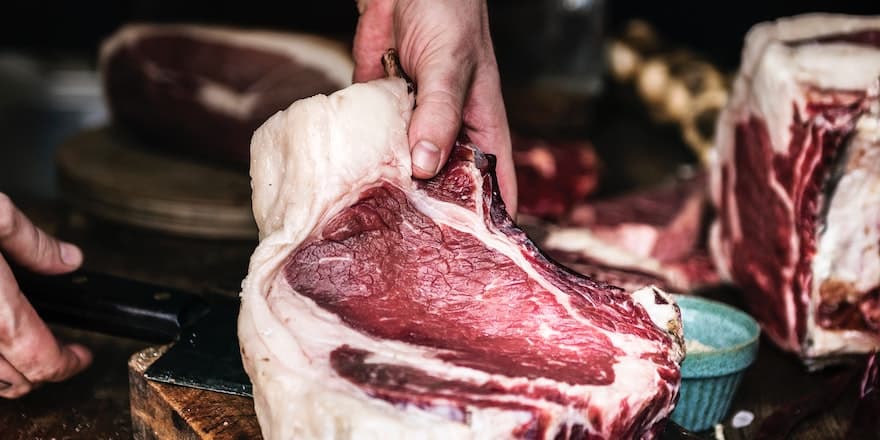
Top 7 most iron-rich foods
Iron is present in two forms: heme iron and non-heme iron. The heme iron, which is mainly found in animal-derived products (red meat, fish, organ meats), is better absorbed by the body than the non-heme iron, found in plants, eggs and dairy products.
To understand everything about this item, see after the list!
Blood sausage
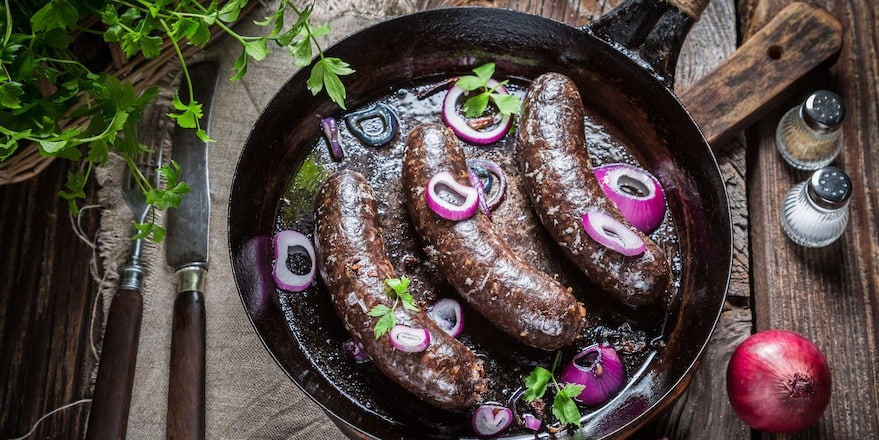
Blood sausage is one of the foods highest in iron: it contains about 23 mg of iron per 100 g.
Blood sausage can be served as an appetizer with salad or as an exceptional main course at lunch. You can also make blood sausage with apples!
Offal (organ meats)

Beef liver, chicken liver, and beef or lamb kidneys also contain iron (7 to 12 mg per 100 g depending on the variety).
They are low in fat and go well with vegetable dishes (green beans, broccoli), served with starchy sides (potatoes, rice). Prefer oven cooking to avoid adding extra fat.
Red meat
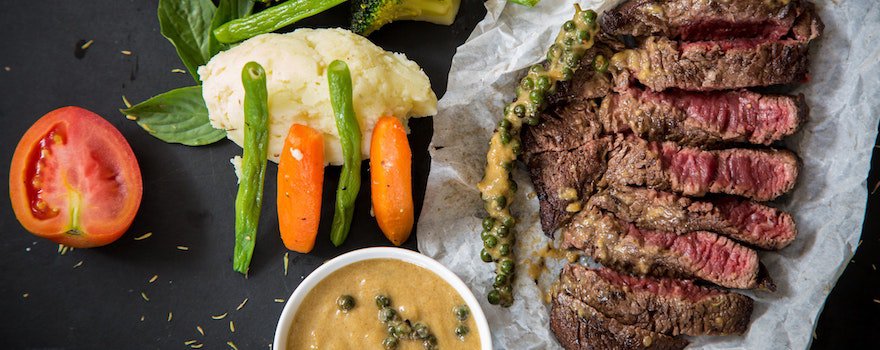
Red meat (beef) is generally not recommended nutritionally because it is considered too rich and too fatty. It should also be noted that consuming red meat today poses environmental problems. However, it is very valuable for its iron content.
Pregnant women or people with anemia are advised to consume it regularly. However, it’s better to limit consumption to two to three times a week to maintain balance.
Eating a good grilled meal or a portion of roast at lunch helps ensure adequate energy for the rest of the day.
Avoid pairing red meat with fries or overly fatty sides. Vegetables such as zucchini, green beans, and salsify, accompanied by brown rice, for example, make a healthy, diet-friendly side.
Seafood
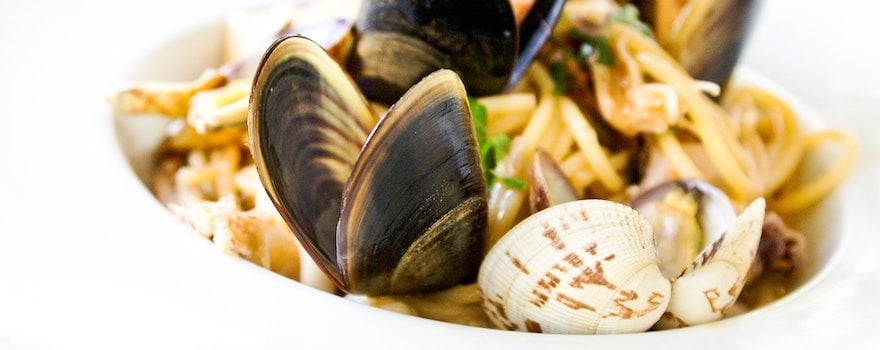
Seafood contains many essential nutrients: zinc, vitamin B12. They also contain iron. Preferably consume: periwinkles, mussels, carpet clams (praires), or clams.
Seafood is low in calories. It can be served as a starter, used in an original recipe, at lunch or dinner as a main course. Clams pair very well with pasta dishes, cooked with a light tomato sauce, for example.
Spirulina
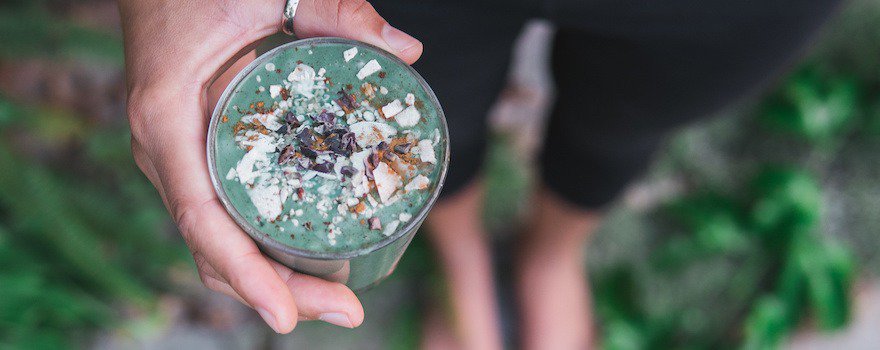
Spirulina is a cyanobacterium often mistaken for a micro-alga. It is the most nutritious food after breast milk! It is particularly interesting for its iron content: 28.5 mg per 100 g.
It is consumed as flakes, powder, or tablets depending on whether you like its iodine flavor or not. Ideally, combine its consumption with vitamin C (for example, camu camu or citrus fruits). Iron will thus be better absorbed by the body.
Tofu
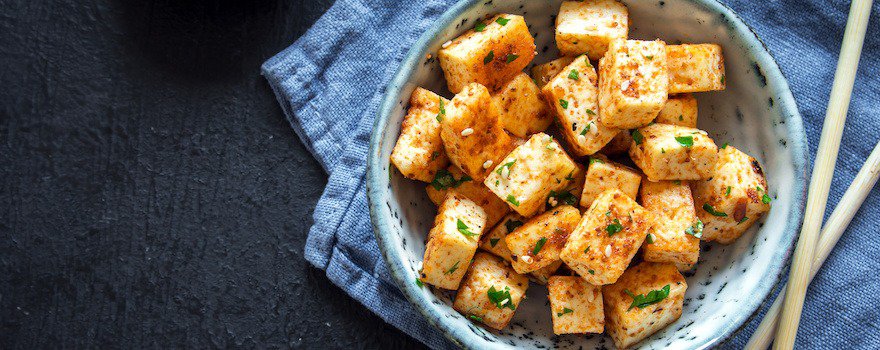
Le tofu est une légumineuse dérivée de la fève de soja. Il possède de nombreuses qualités nutritionnelles car il contient notamment tous les acides aminés essentiels à notre corps et constitue en ce sens une bonne source de protéines végétales. Mais c’est aussi une excellente source de fer ! On compte 5,4 mg de fer pour 100g de tofu.
There are many ways to cook it, and you should draw inspiration from Asian cuisine. You can grill it in a pan with a little oil, blend it into a salad with other legumes… The advantage is that it has little flavor, so don’t hesitate to spice it up!
Beans
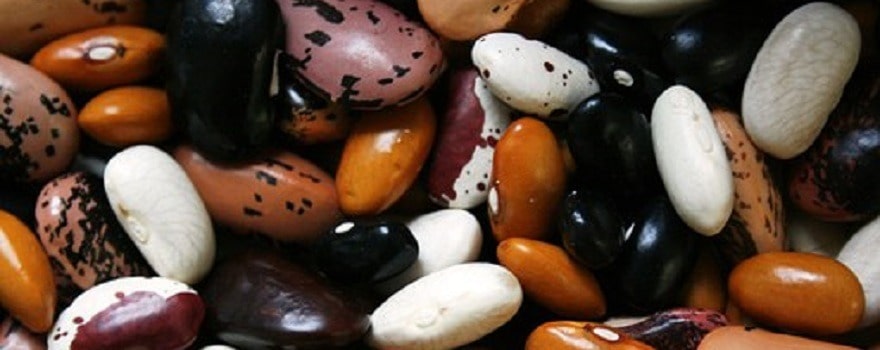
Green beans, white beans, and red beans contain 2 to 2.5 mg of iron per 100 g. Beans make an ideal side dish for lunch and dinner.
The most commonly used method for cooking beans is boiling. Green beans can also be steamed. These two cooking methods help lighten meals.
Favor white beans and red beans, which are high in starches, for lunch. Green beans can accompany fish or lean meats at low-calorie dinners.
Also be aware that iron is soluble in water. The cooking water from green beans, for example, can make an excellent broth for preparing an iron-rich soup.
Definitions and role of iron in the body
Iron, represented by the symbol Fe, is present in small quantities in the body. Indeed, it is estimated that the body of a man weighing about 70 kg contains 4 g of iron in total, while that of a woman weighing about 60 kg contains 2.5 g of iron.
The body does not produce iron. It does, however, build up reserves based on dietary intake. It is therefore important to vary your diet to benefit from regular iron intake. The absorption of the trace element takes place in the small intestine. Iron is also stored in the liver.
The body regulates its reserves according to its needs. If iron reserves increase, the absorption rate decreases. It increases if the reserves are too low. This self-regulation system helps limit deficiencies and excesses.
Iron is involved in the transport of oxygen to the cells, in the formation of red blood cells, the production of the body’s energy (Adenosine Triphosphate or ATP), as well as in cell differentiation and growth.
The benefits of iron
- La formation de l’hémoglobine, un composé du sang qui assure le transport de l’oxygène vers les tissus corporels. L’hémoglobine est indispensable à l’oxygénation des cellule.
- La composition de la myoglobine, élément similaire à l’hémoglobine, qui assure la mise en place d’une réserve d’oxygène au sein des cellules musculaires.
- La composition de diverses enzymes, qui interviennent elles-mêmes dans différents processus physiologiques (formation de l’ADN, la synthèse d’hormones comme la dopamine ou la noradrénaline).
- La formation de l’énergie corporelle, par le biais de la production d’ATP, suivant différentes réactions métaboliques.
Diet helps ensure and build the body’s iron reserves.
Symptoms of iron deficiency
An iron deficiency can cause a significant drop in blood hemoglobin levels, a condition known as anemia.
Deficiencies can be caused by insufficient dietary intake — for example, a vegan diet — or by heavy blood loss — menstrual periods, stomach ulcers, hemorrhoids, or gastrointestinal bleeding.
Symptoms of iron deficiency include:
- Une fatigue chronique
- L’apparition d’une pâleur
- Des difficultés à respirer à l’effort
- Une faiblesse musculaire
- L’apparition d’une perte de cheveux
- La diminution de l’efficacité du système immunitaire (avec apparition fréquente d’infections)
Recommended daily intakes of iron
Children under 3 years of age, young women of childbearing age (i.e., those with menstrual cycles), as well as pregnant women and athletes are the groups most likely to develop iron deficiency.
Because their needs are greater, they should make sure to have regular dietary iron intake.
The recommended daily iron intakes are:
- pour les enfants âgés de 0 à 6 mois : 0,27 mg/jour
- pour ceux âgés de 7 mois à un an : 11 mg/jour
- de 1 an à 9 ans : 7 mg/jour
- de 10 à 13 ans : 10 mg /jour
- de 13 à 19 ans, pour les jeunes filles ayant leurs règles : 14 mg/jour. Les jeunes garçons du même âge ont des besoins moins élevés : 12 mg/jour
- Femmes en âge de procréer : 11 à 16 mg/jour
- Femmes enceintes : 25 à 35 mg/jour
- Femmes qui allaitent : 10 mg
- Hommes et seniors (+75 ans) : 10-11 mg/jour
Teenage girls and young women of reproductive age have increased iron needs due to menstruation.
Children under 3 years old are rapidly growing, while pregnant women have increased nutritional needs because of the baby’s development during pregnancy.
Their iron needs are therefore higher than normal. Some infant formulas are fortified with iron to meet the needs of young children.
In pregnant women, ensuring sufficient iron intake through diet alone is difficult.
Doctors generally prescribe medicinal iron supplementation to expectant mothers to prevent anemia. These treatments are accompanied by biological monitoring (regular blood tests).
Dangers, side effects, and iron overdoses
Excess iron can occur when consuming dietary or medicinal supplements. Iron may have an oxidative effect, which could increase the risk of cardiovascular disease.
Excess iron intake may also have an impact on the development of colorectal cancer. However, these associations have not yet been conclusively demonstrated scientifically.
Hemochromatosis is a genetic disease that causes the accumulation of iron in the body. It is difficult for the body to eliminate. Excess iron is deposited in the pancreas, the heart, or the liver.
Symptoms of the disease generally appear in one’s forties, or even fifties. Liver, pancreatic, or heart diseases may then occur. Hemochromatosis is treated by regular phlebotomy (to remove excess iron from the body). This treatment is carried out in a hospital setting.
Warning: it is preferable to avoid taking iron supplements without a medical prescription. Consuming iron-containing foods can help limit the development of deficiencies.
