

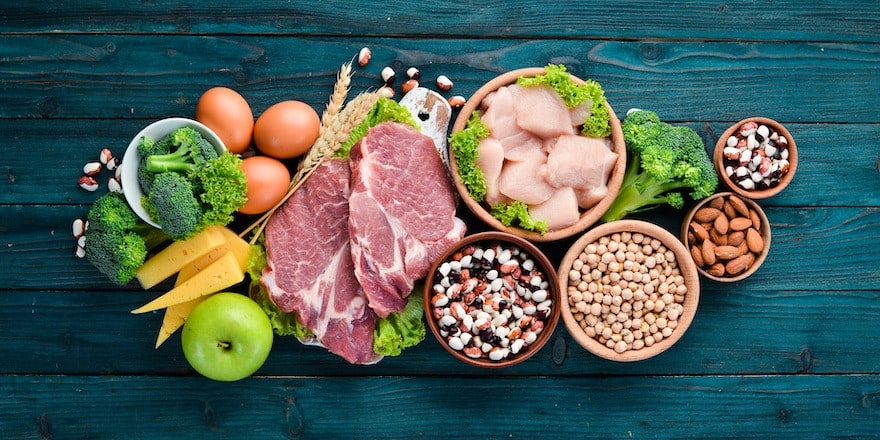
Description and role of proteins in the body
Proteins are macronutrients that contribute to the energy intake the body needs. Basic components of cells, they are among the seven fundamental constituents of our diet: lipids, carbohydrates, trace elements, vitamins, minerals, and water.
Proteins are formed by amino acids. These acids are assembled into chains and linked to each other by so-called peptide bonds. In total, twenty amino acids make up proteins. Nine of these amino acids are not synthesized by the body: they are the essential amino acids. Their supply is provided by the diet.

Proteins carry out multiple biological functions. In addition to their energy role, they are involved in many physiological processes. They are structural elements of cells in muscle, skin, and blood. They are components of hormones, enzymes, and antibodies.
Protein needs vary according to an individual’s stage of development. To ensure regular intake, it is important to follow a balanced diet. A distinction is made between animal proteins, provided by meat, fish, eggs, and dairy products, and plant proteins, provided by cereal products.
Animal proteins are complete because they contain all amino acids. Plant proteins, on the other hand, are incomplete. To optimize their intake, it is necessary to supplement them.
Discovered in 1835 by the Dutch chemist Gerardus Johannes Mulder, their properties were gradually elucidated. The etymology of the word protein comes from the Greek term protos, meaning first/essential, a reminder that proteins are indispensable to human life.
READ ALSO the Whey protein: a buying guide by a dietitian nutritionist
The functions of proteins
It is not easy to summarize the functions performed by proteins, as they are so numerous. Here is a list of their main bodily functions:
- Rôle énergétique : macro-nutriments essentiels, elles assurent un apport énergétique d’environ 4 kCal/100g
- Rôle structurel : elles participent à la construction et au renouvellement des cellules de tous les organes (40% des protéines sont utilisées par les muscles)
- Rôle de régulation par le biais des hormones (insuline, glucagon)
- Rôle dans le transport cellulaire (rôle de l’hémoglobine, des neurotransmetteurs, récepteurs membranaires)
- Rôle moteur : des molécules comme la myosine ou l’actine agissent sur la contraction des muscles
- Rôle de catalyseur (enzymes digestives). Un catalyseur accélère la vitesse d’exécution d’une réaction chimique
- Rôle de défense de l’organisme (fabrication des anticorps, des fibrinogènes)
- Rôle de stockage : elles forment une réserve d’acides aminés, afin de synthétiser de nouvelles protéines
Symptoms of protein deficiency
Protein deficiencies are fairly rare in Western countries, where the tendency is to consume too much. However, disadvantaged people, older adults, or hospitalized patients may suffer from malnutrition, a scourge that affects many developing countries.
The signs of protein deficiency are:
- Une perte musculaire
- La formation d’oedèmes
- Les cheveux deviennent ternes et cassants
- La peau devient terne
- Dégradation des fonctions organiques
- Fatigue
To avoid deficiencies, you should adopt a varied, balanced, and healthy diet.
Recommended daily protein requirements
Daily protein requirements vary from one individual to another. They are higher in athletes, for example, because of their muscle mass. People who engage in physical activity therefore have increased needs compared to sedentary people. They are also higher for young children, pregnant or breastfeeding women, and older adults.
There is too little scientific data to determine a recommended nutritional intake. A sufficient daily intake has therefore been established.
- Bébés âgés de 0 à 1 an : 1,2 à 1,5 g/kg/jour
- Enfants âgés de 1 à 3 ans : environ 1 g/kg/jour
- Enfants âgés de 4 à 13 ans : 0,95 g/kg/jour
- Adolescents âgés de 14 à 18 ans : 0,80 g/kg/jour
- Hommes et Femmes âgés de 19 à 50 ans : 0,83 g/kg/jour
- Femmes enceintes et allaitantes : 1 à 1,1 g/kg/jour
- Seniors (> 65 ans) : 1 g/kg/jour
- Sportifs : 1,2 à 1,5 g/kg/jour
To increase protein intake, some athletes consume dietary supplements. This can help increase muscle mass. However, it is not recommended to take these supplements without the advice of a specialist (sports doctors or nutritionists).
Top 5 foods containing animal protein
To make the most of these nutrients, you can combine plant proteins and animal proteins, which maximizes the intake of natural amino acids. Here are our top 5 foods richest in protein.
Animal proteins come from animal-derived products (meat, cow’s milk, goat’s milk…), fish, and certain shellfish and crustaceans. They are more complete than plant proteins because they contain more essential amino acids.
Also read the Plant proteins: our comparison
Meat
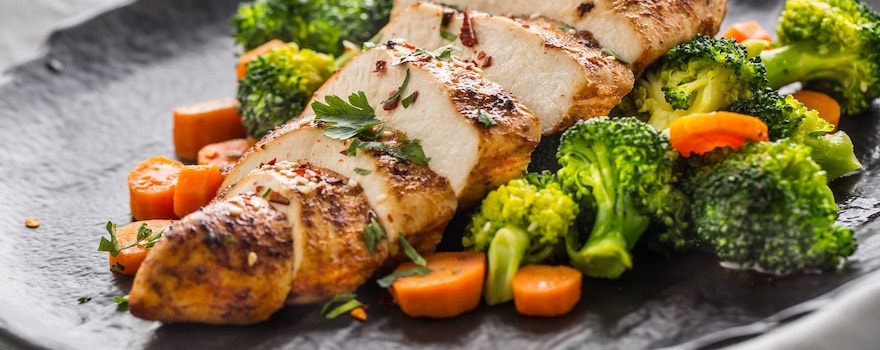
Meat contains animal proteins. The amounts vary depending on the meat consumed. Beef contains, for example, about 30 g of protein per 100 g, while turkey ham has 9 g/100 g. You should therefore take caloric intake into account when composing balanced meals.
It is preferable to consume red meat in moderation, as it is high in saturated fats and its production is harmful to the environment. Opt for lean meat, such as chicken breasts, turkey cutlets, or chicken ham.
Also pay attention to cooking methods! Oven cooking does not require added fats. When combined with a portion of assorted vegetables and starchy foods, meat is the basis of filling and balanced meals.
Fish
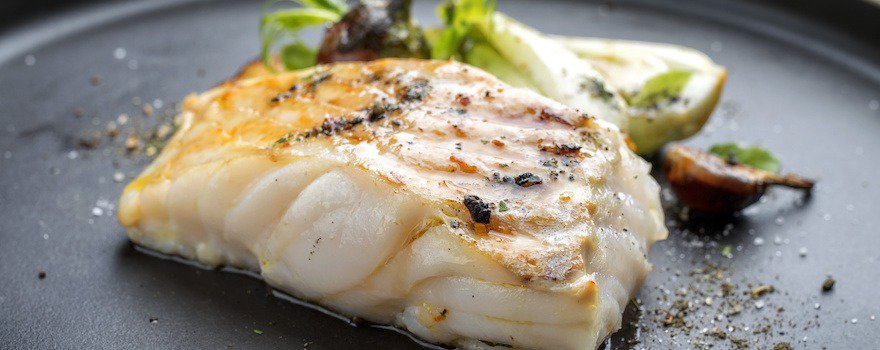
There are two kinds of fish: fatty fish such as salmon, mackerel, sardines, or tuna, and white fish (cod, pollock…), which are lower in calories than the former.
Eating fish is a good alternative to eating meat. It is recommended to eat it no more than twice a week.
Just pair a portion of fish with green vegetables and starchy foods—such as whole-grain pasta—to get a sufficient protein serving. Fish is delicious when cooked en papillote, baked, or grilled on the barbecue.
Eggs

We come to expect eggs among foods rich in essential nutrients. But they are particularly well known for their protein content (about 12 g/100 g). In fact, athletes consume them in significant amounts.
In omelettes, soft-boiled, scrambled, in dishes… Eggs can be prepared in many ways. You can add cheese, crème fraîche, herbs, or vegetables. However, it is recommended not to eat more than 5 eggs per week, because the egg yolk contains cholesterol.
Dairy products
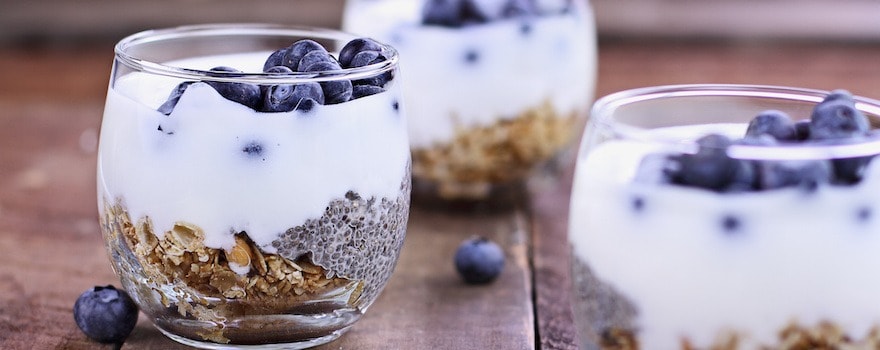
Dairy products include milk, yogurts, as well as cheeses, cream, or butter. Their variety allows them to be eaten regularly while being mindful of the calories consumed. They are rich in protein, calcium, and various nutrients. Their protein content ranges from 9 g/100 g (milk), to 3-4 g/100 g (yogurts) and can go up to 20-30 g/100 g (cheeses).
While some prefer to have a large bowl of milk in the morning with buttered toast or rusks, others prefer to eat yogurts or save a portion of cheese for the end of lunch or dinner.
Drinking a glass of milk before bed promotes sleep and helps ensure protein intake. Dairy products are also ideal for mid-afternoon snacks around 4-5 p.m.
Seafood and crustaceans
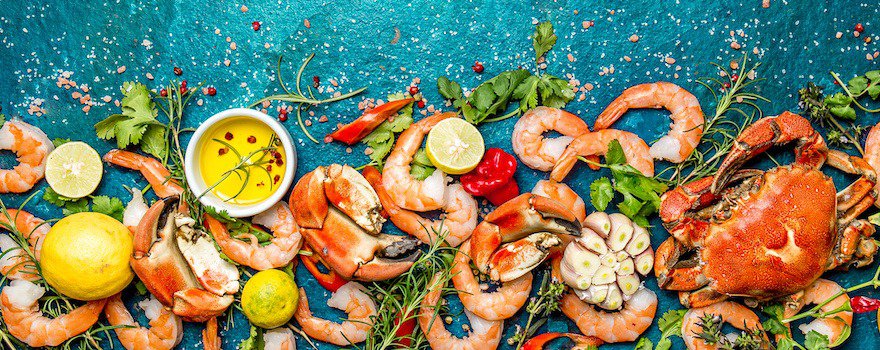
Seafood and crustaceans such as crab, periwinkles, scallops, mussels or lobster are a source of animal protein. They also contain trace elements such as iodine, zinc, copper or selenium. Low in calories, they are an interesting alternative to consuming meat.
Seafood and crustaceans can be used to prepare starters: avocado with shrimp or crab, scallop puff pastries, lobster à l’armoricaine. They can also enhance dishes such as pasta (mussels or scallops).
It should be noted that it’s preferable to avoid consuming animal proteins in excessive amounts, as they lead to the production of organic waste harmful to the body (uric acid or urea). These substances are eliminated in the urine.
Overconsumption of animal protein increases the workload on the kidneys. Therefore, you should ensure that animal proteins make up 50% to 70% of your intake, while plant proteins should constitute between 30% and 50% of daily intake.
Top 5 foods rich in plant-based protein
To offset animal protein intake and avoid overconsumption, which is harmful to the body and the environment, it is important to vary your intake by consuming plant proteins. Here is our top 5 foods that contain them!
ALSO READ the Plant proteins: our comparison
Spirulina
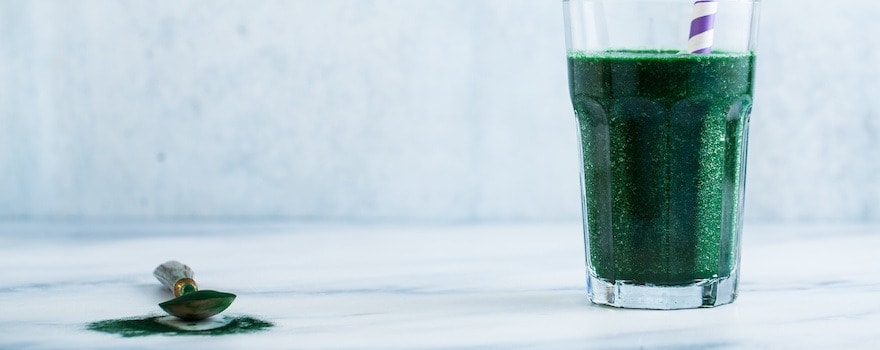
This cyanobacterium is an excellent source of plant proteins. It contains 65 g of protein per 100 g. It is used in developing countries as a substitute for meat to fight nutritional deficiencies.
Spirulina is a superfood available in pharmacies and parapharmacies in powder, flakes, capsules, or tablet form. Powder and flakes are the preferred form for making a variety of recipes. It can be used to make healthy smoothies, desserts, pasta dishes, or other recipes.
Pumpkin seeds
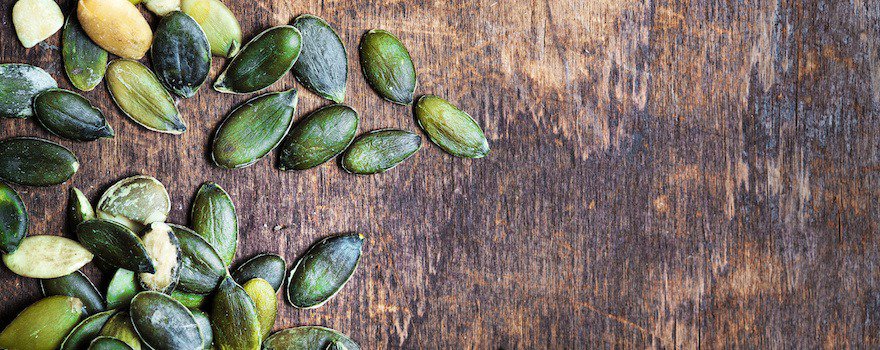
The plant protein content of pumpkin seeds is 25 g per 100 g. They help provide a substantial protein intake.
Pumpkin seeds can be eaten roasted or raw. They can be eaten as a snack (like nuts) or added to mixed salads, for example.
Soy
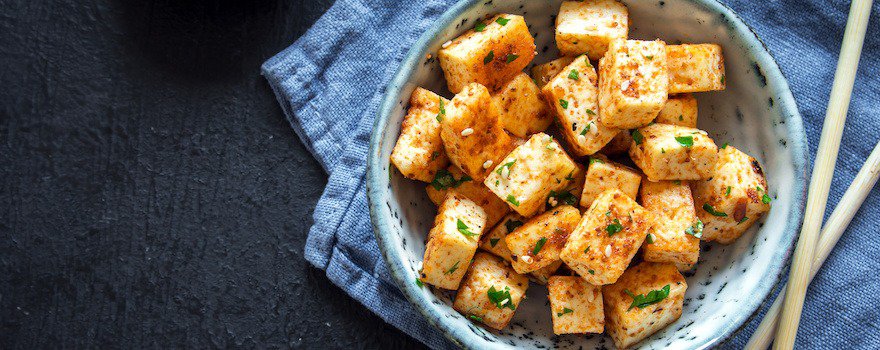
Soy is a food rich in plant-based proteins (content: 36 g per 100 g). A source of essential fatty acids, it also contains more iron than an equal-weight serving of beef.
Soybean sprouts are popular ingredients in cooking. They are generally used to garnish salads. However, soy can also be consumed as plant-based milk or in desserts made from plant-based milk.
Note: tofu is a product derived from soy. It helps vegetarians compensate for the reduced intake of animal protein resulting from eliminating meat from their diet.
Quinoa
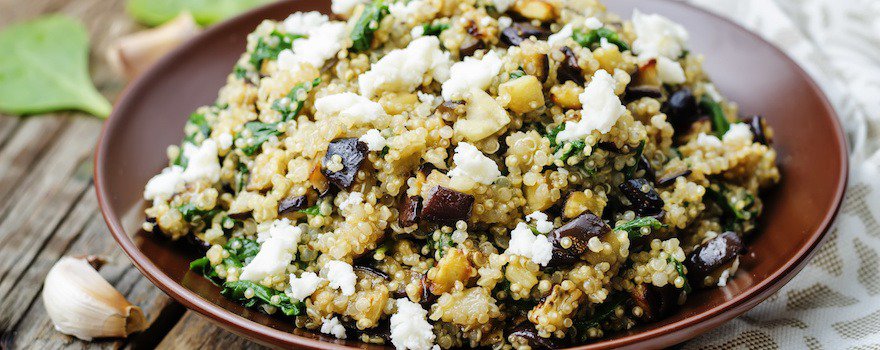
Quinoa has a high plant protein content: 14 g per 100 g. It offers noteworthy nutritional qualities (iron, minerals, fiber, and essential amino acids).
Quinoa seeds are cooked in water. They can be used to create many tasty and healthy dishes. They are eaten in salads or serve as starchy portions during meals, accompanied by meat or fish.
Legumes
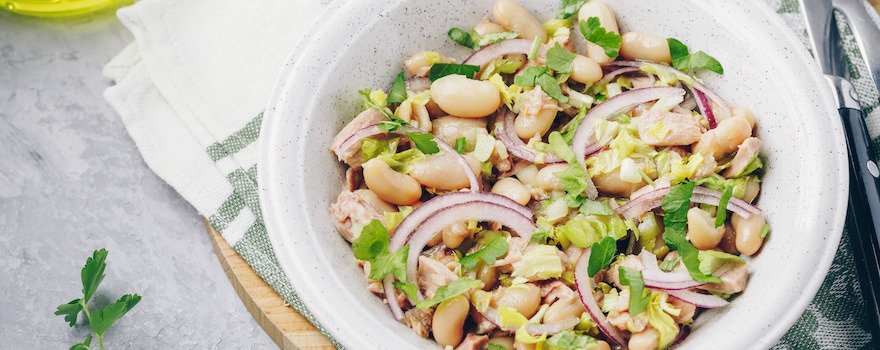
Legumes or dried legumes (lentils, white beans, red beans) are vegetables rich in plant proteins, carbohydrates and starch. They are complementary foods to those containing animal proteins for composing varied meals. They contain 7 to 9 g/100 g of protein (after cooking).
Generally, dried legumes require a long preparation time. Due to their protein content and carbohydrates, you should pay attention to the portions added to the plate so as not to consume too many energy nutrients.
A word about protein diets, recommended as part of weight-loss diets.
They involve favoring foods containing protein and limiting those high in carbohydrates and fats.
However, their effectiveness has not really been demonstrated and this type of diet can lead to deficiencies. Consult a nutritionist before starting a weight-loss regimen.
Symptoms of excessive protein intake
People in Western countries tend to consume too much protein. An overdose is therefore possible (high-protein diets), although this phenomenon remains rare.
A protein overdose causes:
- Troubles gastro-intestinaux
- Risques augmentés d’ostéoporose
- Risques augmentés de calculs rénaux
