

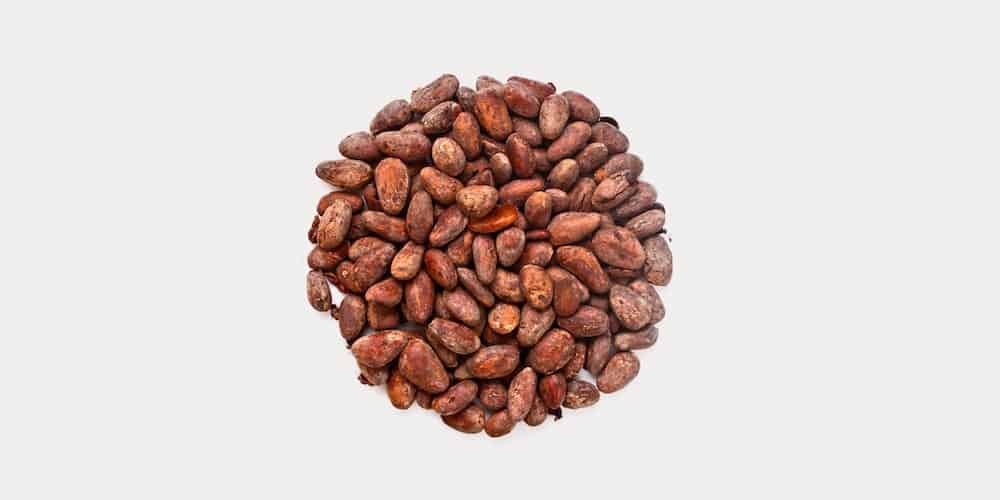
The cacao fruit had long been known for its many proven health benefits, particularly as a natural source of antioxidants. According to this recent study from Northwestern University in Chicago, cocoa could further enhance its reputation by actively fighting peripheral artery disease (PAD).
This disease refers to the blockage of an arterial blood vessel due to the accumulation of lipids, which can lead to reduced or even halted blood flow. PAD can present as severe pain in the legs during activity or even at rest, with particularly troublesome claudication.
According to the clinical trial carried out by the American researchers, regular consumption of cocoa could significantly increase performance on a walking test, thanks to improved blood flow. The finding could be important, helping to better understand PAD and its treatments. Because PAD is particularly disabling for walking, there is currently no fully effective treatment.
Cocoa is rich in flavonols
At the start of their study, researchers at Northwestern University in Chicago focused on mitochondria, key organelles in cellular energy production.
In addition to impairing blood flow, PAD also affects the mitochondria in the calf muscles, contributing to walking difficulties. Eager to find an element that could improve mitochondrial health, the researchers turned to flavonols, plant pigments already known for their antioxidant and anti-inflammatory properties.
Among the many plants rich in flavonols (strawberries, spinach, cauliflower…) is the cocoa bean. Americans have thus postulated that cocoa could be an effective active agent against PAD by improving mitochondrial health.
Thanks to cocoa, markedly improved walking test results
To test their hypothesis, researchers in Chicago conducted a clinical trial on 44 patients over the age of 60, all suffering from PAD. The patients regularly consumed a drink containing 15 grams of cocoa for six months, three times a day.
In the final walking test, the result was conclusive: after 6 minutes, nearly 43 additional meters were covered compared with patients who had not consumed a cocoa-based drink.
In addition to a notable improvement in mitochondrial health, the researchers also observed better blood circulation, thereby promoting muscle function. A calf muscle biopsy as well as an MRI confirmed these results. These are particularly encouraging findings, which will nevertheless need to be confirmed by more in-depth interventional studies.
