

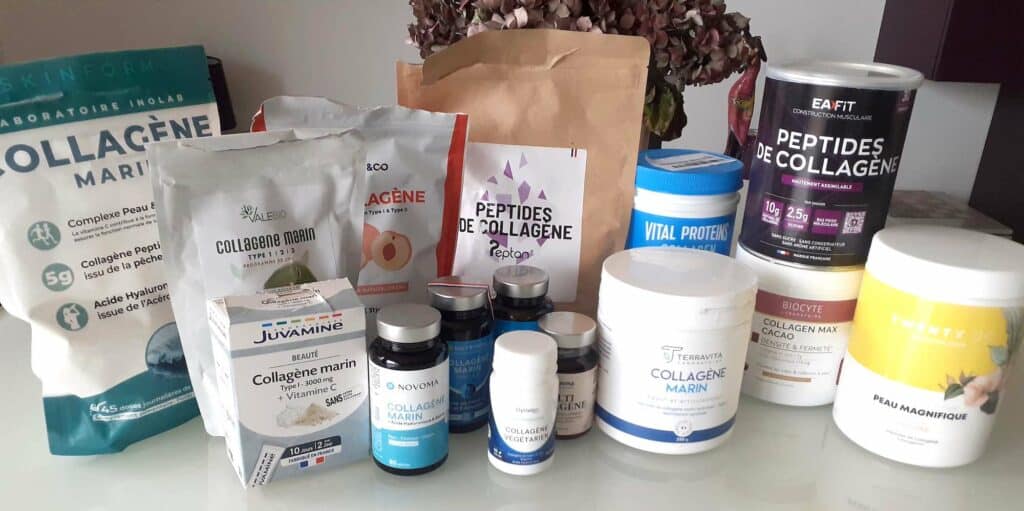
Summary of my selection
# Best marine collagen 🥇
> Collagen – Nutri&Co
# Best bovine collagen
> Collagen peptides – Nutripure
# Best collagen for skin
> Beautiful skin collagen – Twenty DC
# Best collagen for joints
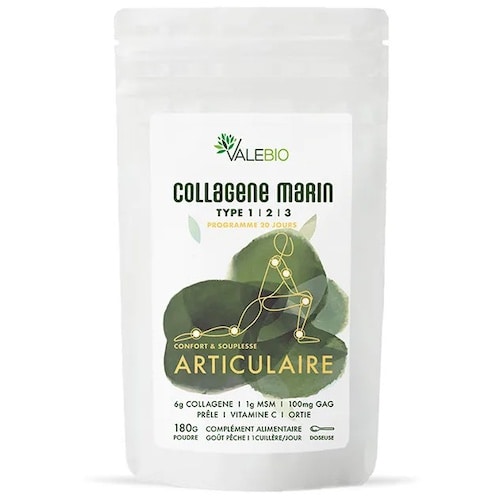
> Joint collagen – Valebio
# Best collagen in capsules
> Marine collagen – Novoma
# Best vegetarian collagen
> Multi collagen – Apyforme
Collagen is a major component of many human body tissues (skin, cartilage, tendons, blood vessels, muscles…) and plays a major role in their structure by providing strength.
Collagen is a large structural protein and itself accounts for about 30% of the body’s proteins.
In the skin, its presence influences density, hydration and strength. With age, the decline in collagen production leads to changes such as loss of skin elasticity and firmness.
Multiple publications1 have shown the anti-aging benefits of oral collagen on the skin2 (fighting skin sagging, filling in fine lines and reducing deep wrinkles).
The other main reason to take a course of collagen supplements is joint comfort. Collagen helps preserve the cohesion and elasticity of cartilage by contributing to its renewal and fighting its loss.
Taking collagen improves flexibility and mobility and reduces pain3. Osteoarthritis and osteoporosis are two conditions in which collagen has shown a beneficial effect.
Brands evaluated: Apyforme, Biocyte, Dynveo, Eafit, Juvamine, Novoma, Nutralie, Nutri&Co, Nutrimea, Nutripure, Terra Vita, Twenty DC, Valebio, Vital Proteins
We evaluate all dietary supplements independently. If you click on one of the links provided, we may receive a commission, without this affecting the price or the ranking.
Methodology
I closely examined 15 of the best-selling collagen supplements on the Internet.
I collected supplement characteristics from brand websites, from product packaging, and by contacting customer service directly when information was missing.
I rated and compared them according to 5 criteria, then selected the best products in 7 categories.
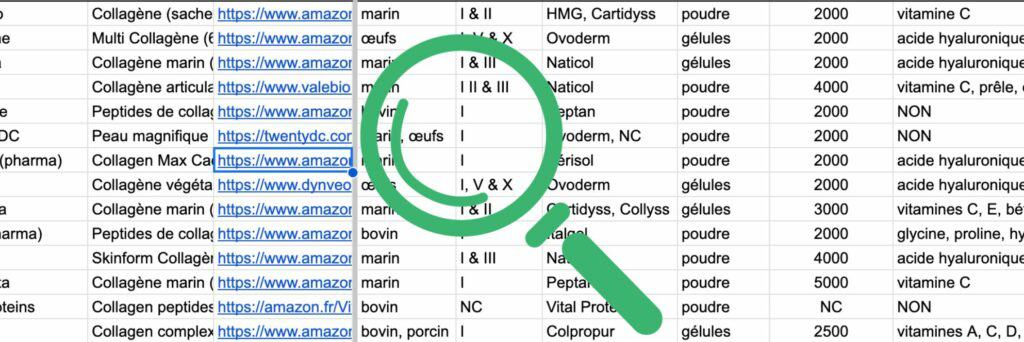
→ Access my full comparison table here (Google Sheet)
1. Nutritional value
To evaluate the nutritional value of a collagen supplement, I relied on:
The origin and type of collagen
Collagen is mainly extracted from cattle, pigs, fish, or eggshell membrane.
There are several types of collagen distributed in varying proportions across tissues. Types I, II, and III are the main ones.
Molecular weight
Collagen is a large protein that cannot be absorbed by the body as is. It must therefore be hydrolyzed, that is cut into small pieces (peptides), to pass the digestive barrier.
A low molecular weight (< 5000 Da) promotes the product’s bioavailability. The lower the molecular weight of the collagen, the better its absorption.
The manufacturer’s quality and patent
To preserve all the qualities of the collagen, the hydrolysis method used must be gentle. The extraction and hydrolysis processes used are guaranteed by a patent provided by the manufacturer. They should, in particular, state the absence of heavy metals, solvent residues, and other contaminants.
A quality label is ensured by product certifications and testing (for example Peptan®, Naticol®, Verisol®…) to attest to a safe and effective collagen.
Other active ingredients
The presence of vitamins, trace elements, or hyaluronic acid can complement certain products for a more complete formula.
2. Safety
To assess the safety of the different collagens, I took into account 3 sub-criteria:
The origin of the raw material
Most collagens on the market are of animal origin. It seems important to verify the source of the raw material from which they are extracted.
Some brands don’t always disclose it, while others put it front and center. I had to contact some brands to get clarification.
The presence of additives and sweeteners
The watchword is: the fewer there are, the better! An ingredient list that is too long is generally not a sign of quality. Flavored formulas often contain more ingredients that warrant careful scrutiny.
Scientific support
Some brands have conducted efficacy tests with their own product. But the studies most often highlighted are those backed by the various patents of collagen manufacturers.
3. Pleasure
The notion of enjoyment of a product is necessarily more subjective. This aspect was only tested on powdered collagens (capsules being generally more neutral).
I considered:
Powder solubility
I mixed the recommended dose of the 10 ‘powder’ formulas from the selection into 200 mL of water. Some recommend simply using a glass of water or a hot or cold beverage, others a shaker or even a blender! I observed the quality of powder dissolution, the speed to obtain a homogeneous mixture, and the presence of lumps.
Taste
I evaluated the product’s texture during tasting, its aroma, and the intensity of the flavor.
4. Brand reputation
To rate the brand’s reputation, I based my assessment on the company’s longevity and the size of its Instagram community.
I also included reviews displayed on Amazon (when the products were sold there) and review sites such as Trustpilot or Avis Vérifiés.
5. Packaging
The packaging of the tested products is recyclable. Some brands also use recycled materials to make the packaging.
More subjectively, I also took into account the design, as well as the content and clarity of the labels. I also assessed the practicality of handling powdered collagen products (box or sachet closure, presence of a measuring scoop).
Best collagens: my review
# BEST MARINE COLLAGEN 🥇
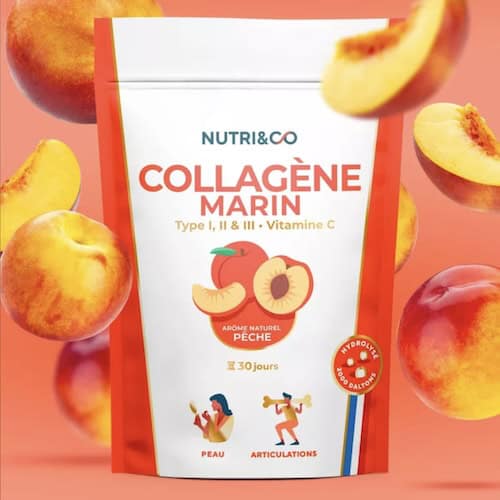
Nutri&Co
Rating: 4.4/5
Nutrition: ★★★★☆
Safety: ★★★★★
Enjoyment: ★★★★☆
Brand: ★★★★★
Packaging: ★★★★☆
Advantages
- Two types of marine collagen
- Contains vitamin C
- Reliable manufacturing patents
- Subtle but pleasant peach flavor that allows it to be taken with just water
- Brand reputation
- Reasonable price
Disadvantages
- Moderately dosed (5.5 g per serving)
Nutri&co was founded in 2017 by Édouard Fornas in Aix-en-Provence. The brand has enjoyed strong growth. Thanks to high-quality products, it has become a leading player in nutraceuticals.
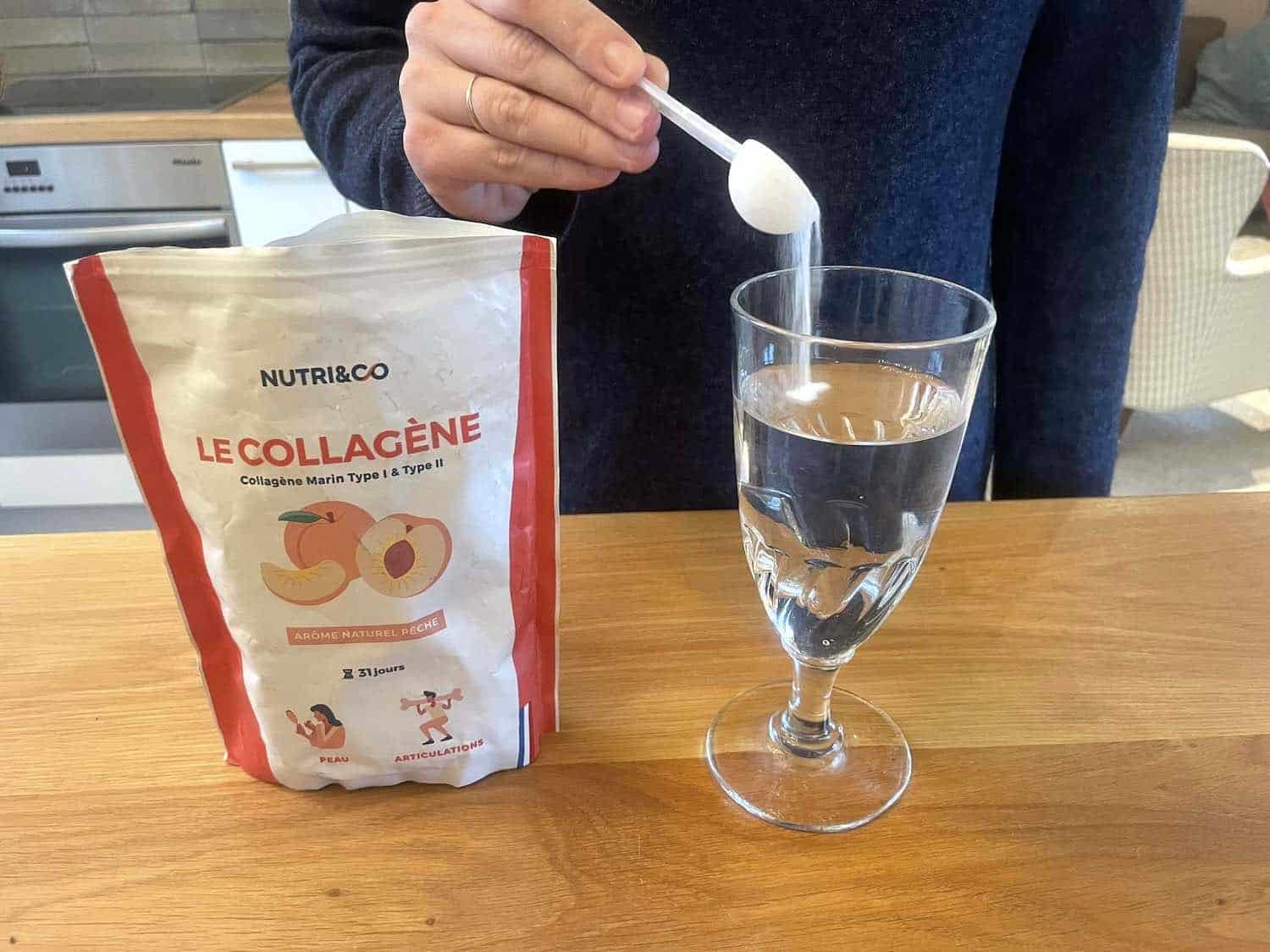
Nutri&co’s collagen is a marine collagen powder available in three flavors (peach, cucumber-mint, cocoa). It is indicated for the skin and joints.
The marine collagen peptides are types I and II, sourced from controlled fisheries. The molecular weight is low for optimal absorption.
It is recommended to take the equivalent of 2 daily scoops (6 g in total), which contain 5.5 g of patented type I and II collagen (HMG® 5 g and Cartidyss® 500 mg).
It is complemented by 24 mg of vitamin C per serving and a peach flavor. And that’s it!
The test focused on the peach version. The powder mixes well. On tasting, you get a subtle, pleasant peach flavor, without any fishy taste.
For a one-month course, the cost is €24.90, which corresponds to a reasonable price compared with the rest of the selection.
# BEST BOVINE COLLAGEN
Nutripure
Rating: 3.8/5
Nutrition: ★★★★☆
Safety: ★★★☆☆
Enjoyment: ★★★★☆
Brand: ★★★★☆
Packaging: ★★★★☆
Advantages
- Only one ingredient in the unflavored version
- Good collagen dosage
- Well-known brand
- Reasonable price
- Neutral taste
Disadvantages
- Additives in the flavored versions
The brand was founded by the Carrio brothers in 2017. Their area of expertise is sports nutrition. The stated aim is to offer the most natural formulations possible. The brand has a good reputation, particularly among the sports community.
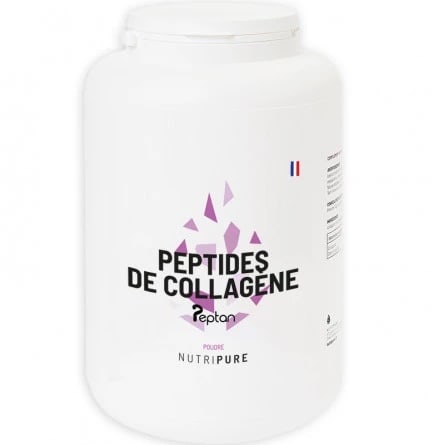
Nutripure’s collagen peptides, in their unflavored version, have the merit of containing only one ingredient: the patented collagen peptide Peptan®. This bovine-derived collagen is patented by a company with a global presence. It is indicated that the raw material comes from the European Union.
Nutripure recommends taking 10 to 20 g of collagen per day, i.e., 1 to 2 scoops.
There is a wide selection of flavored varieties (6 in total). Some are ready-made formulas (chocolate and lemon), others are sold with a flavoring to be mixed in. The flavored versions of the product contain some additives and sweeteners, which is why I do not recommend them.
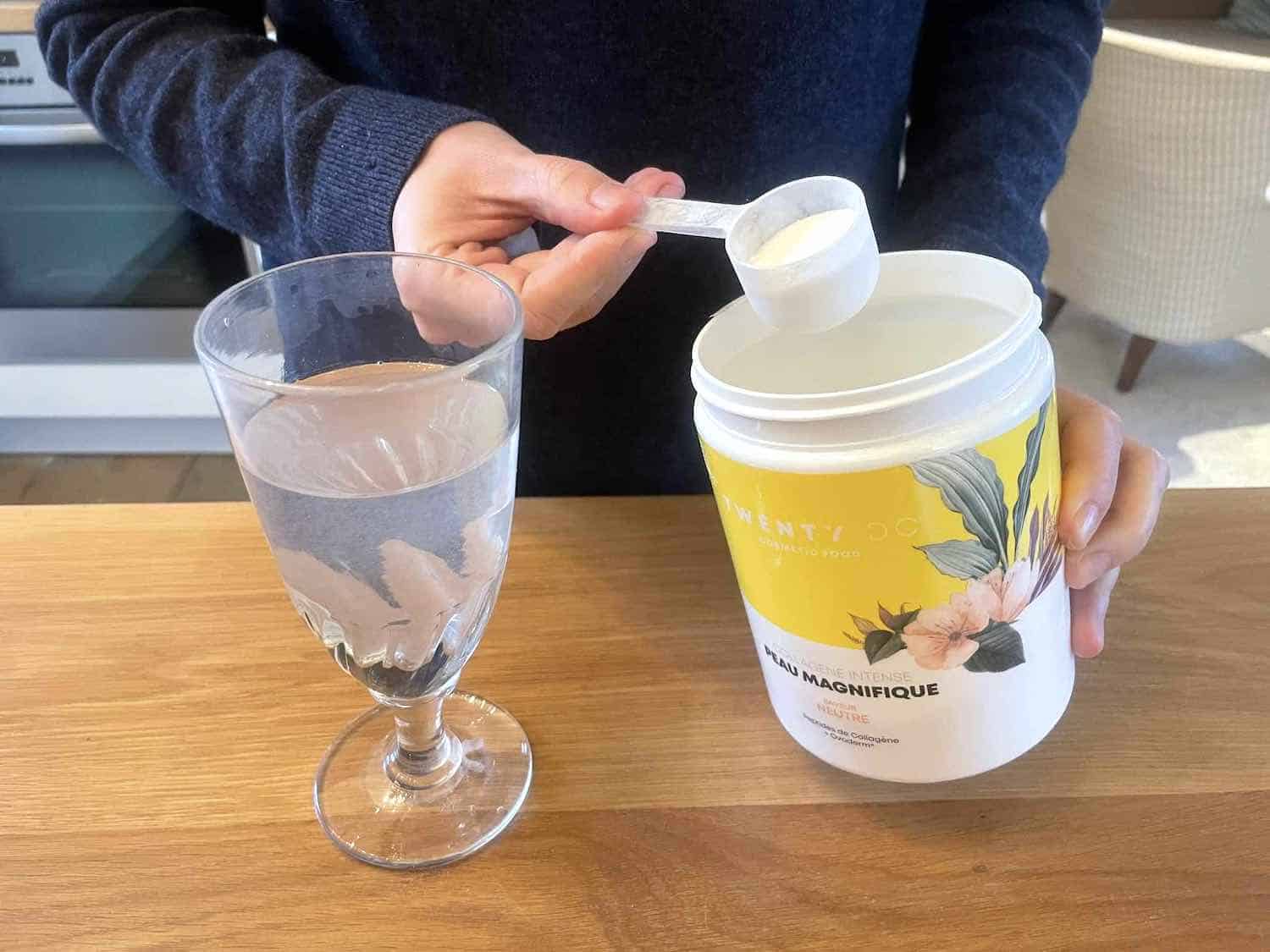
The unflavored version dissolves very well and has no noticeable taste.
The price for a one-month course at 10 g per day is on the low end compared to the selection.
# BEST COLLAGEN FOR SKIN
Twenty DC

Rating: 3.8/5
Nutrition: ★★★★☆
Safety: ★★★★☆
Pleasure: ★★★★☆
Brand: ★★★☆☆
Packaging: ★★★★☆
Advantages
- Well dosed in collagen
- Use of 2 forms of collagen: marine and eggshell membrane
- Nice packaging
Disadvantages
- Flavored varieties with additives: not recommended
- Lack of information on the precise origin of the marine collagen. The collagen manufacturer is not mentioned
- A bit expensive
Twenty DC is a brand specialized in collagen. It was founded by two entrepreneurs with experience in sports nutrition.
Twenty DC comes in a box with a nice design and color scheme.
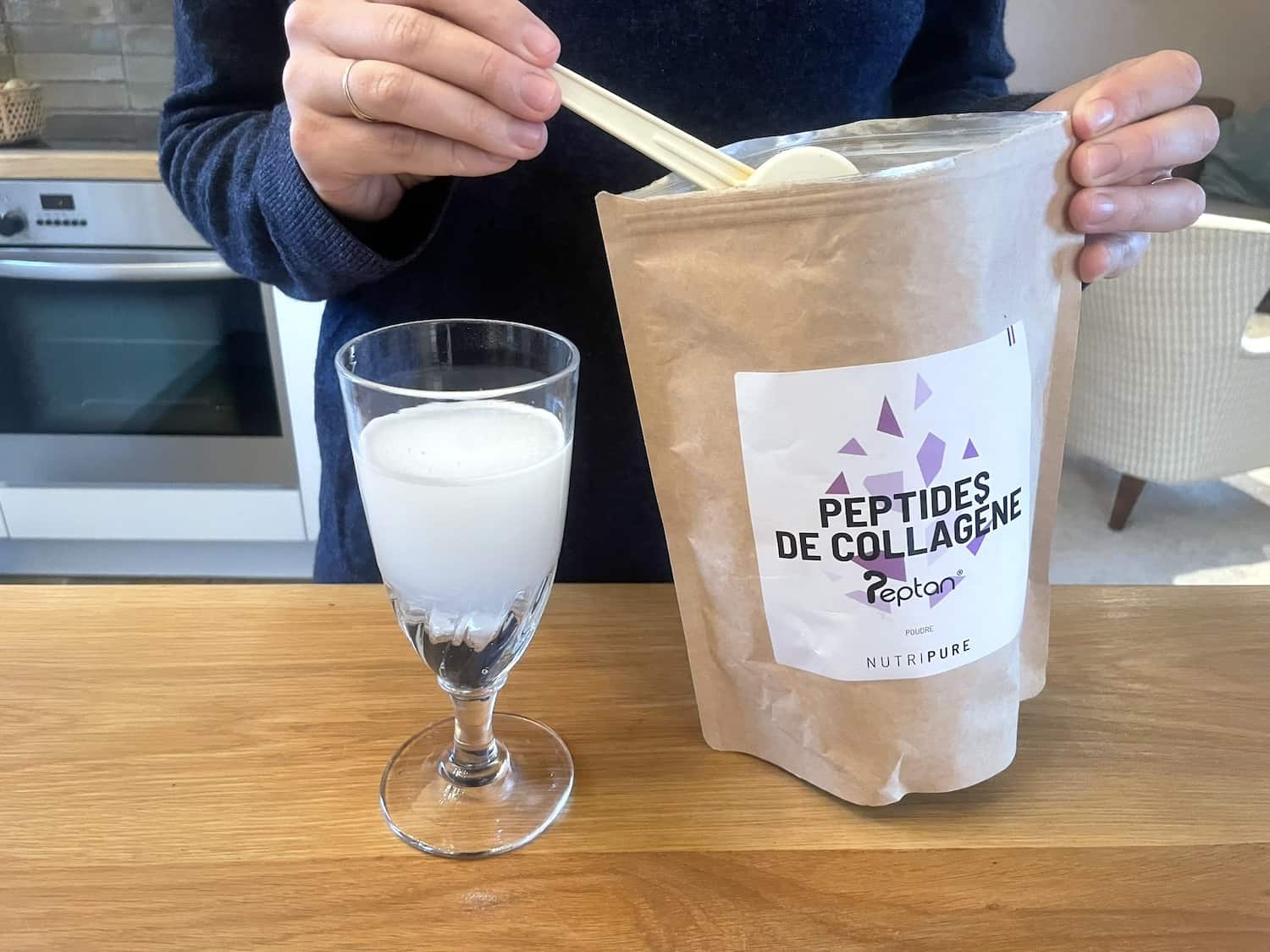
I tried the unflavored version.
The formula is composed of two types of collagen: marine collagen and eggshell membrane that contains collagen (Ovoderm®). There are no other active substances. However, the eggshell membrane naturally contains small amounts of hyaluronic acid, chondroitin, and elastin.
The origin of the marine collagen is not mentioned, nor is the extraction process. I contacted the brand’s customer service to get more detailed information. In their response, they told me that Twenty DC works with trusted suppliers, that the formulations undergo thorough testing, and that the marine collagen used is of high quality.
Note that there are two flavored versions. I don’t recommend them because I think they contain too many additives and sweeteners.
The recommended daily dose is 10 g of collagen (9.85 g of marine collagen and 150 mg of Ovoderm® per scoop). The smell in the box is not very pleasant, but when tasted, the flavor is truly neutral. The powder takes a little time to fully dissolve.
Twenty DC highlights a laboratory study that was double-blind and randomized, involving 50 women who underwent a 20-day course of Collagène Peau Magnifique. The results claim firmer skin (+21%), more hydrated skin (+24%), and smoother skin (+84%).
A one-month course costs a little over €50, which is relatively expensive compared to the rest of the selection.
# BEST COLLAGEN FOR JOINTS
Valebio
Rating: 4.0/5
Nutrition: ★★★★☆
Safety: ★★★★☆
Pleasure: ★★★★☆
Brand: ★★★★☆
Pack: ★★★★☆
Advantages
- Very comprehensive for joint support
- 3 types of collagen
- Laboratory that emphasizes transparency
- Naticol® collagen of recognized quality
Disadvantages
- High cost (although the presence of other ingredients may justify this price)
Valebio is a French brand founded in 2015 that promotes nutraceuticals for health, beauty, and well-being. The company emphasizes its commitment to quality and expertise, and respect for the environment.
The collagen in this joint-targeted product is marine-derived. It includes types I, II, and III, and is Naticol®. This collagen manufacturer enjoys an excellent reputation for its range of naturally sourced marine collagen peptides produced using a gentle hydrolysis process.
Valebio’s marine joint collagen contains a genuine joint-support complex. In addition to vitamin C, it includes several complementary substances with regenerative and anti-inflammatory effects: MSM (methylsulfonylmethane), GAG (glucosamine and chondroitin), horsetail, and nettle.
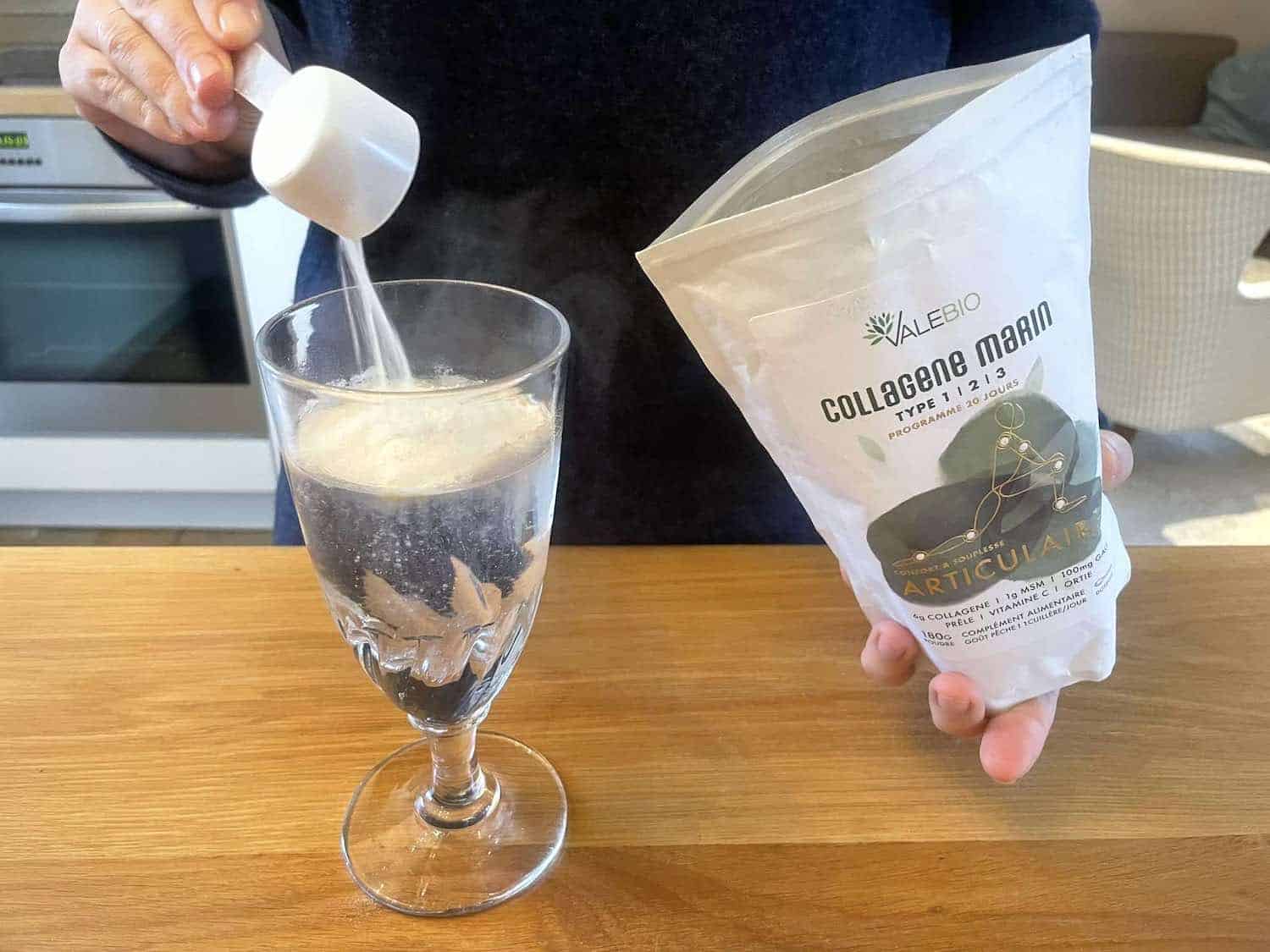
The powder tends to form lumps and needs to be mixed well to make them disappear. The tangy flavor is fairly subtle and pleasant, but I still notice a slight fishy aftertaste at the end.
# BEST COLLAGEN AND HYALURONIC ACID
Biocyte
Rating: 3.6/5
Nutrition: ★★★☆☆
Safety: ★★★☆☆
Pleasure: ★★★★☆
Brand: ★★★★☆
Pack: ★★★★☆
Advantages
- Good hyaluronic acid content
- Pleasant chocolate flavor
Disadvantages
- Presence of additives in the chocolate formula
- Raw material originates from EU and non-EU sources, without further details
Biocyte is a French nutricosmetics brand founded in 2006 on the French Riviera. The dietary supplements are formulated with a focus on beauty, anti-aging, slimming, and health.
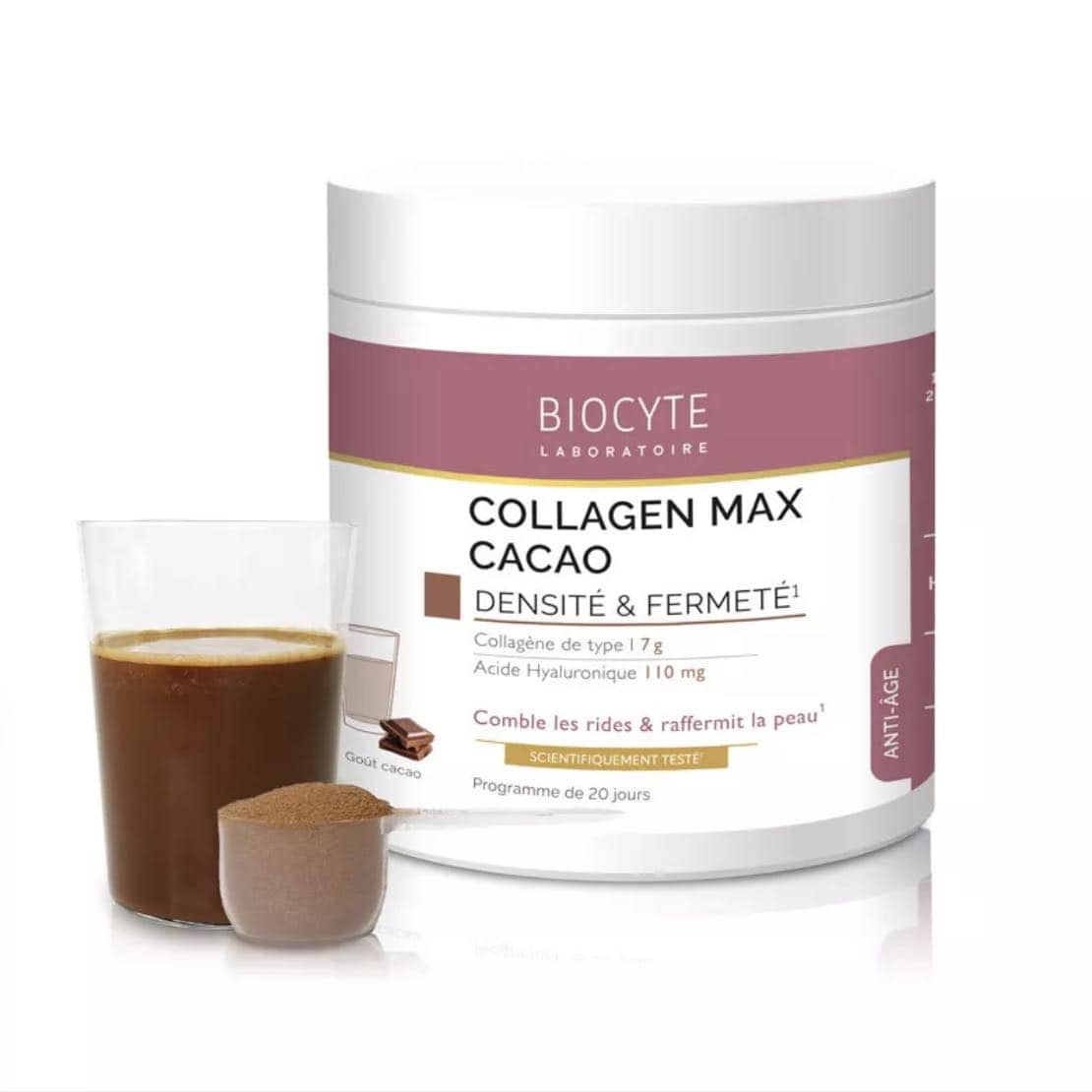
The collagen used in Collagen max cacao is marine Type I collagen from the manufacturer Vérisol®. The recommended daily dose contains 7 g of collagen.
The origin of the fish used by the manufacturer Vérisol® is from the European Union (EU) but also outside the EU, without further details. Vérisol® is a collagen that has been the subject of a significant number of scientific studies.
Vitamin C and hyaluronic acid are added to this collagen. Biocyte has the highest concentration of hyaluronic acid among the selected products, at 110 mg per dose.
The formula contains steviol glycoside, a natural sweetener, but also several additives (maltodextrin, xanthan gum, salt).
The price is relatively high since a one-month course costs €55.50.
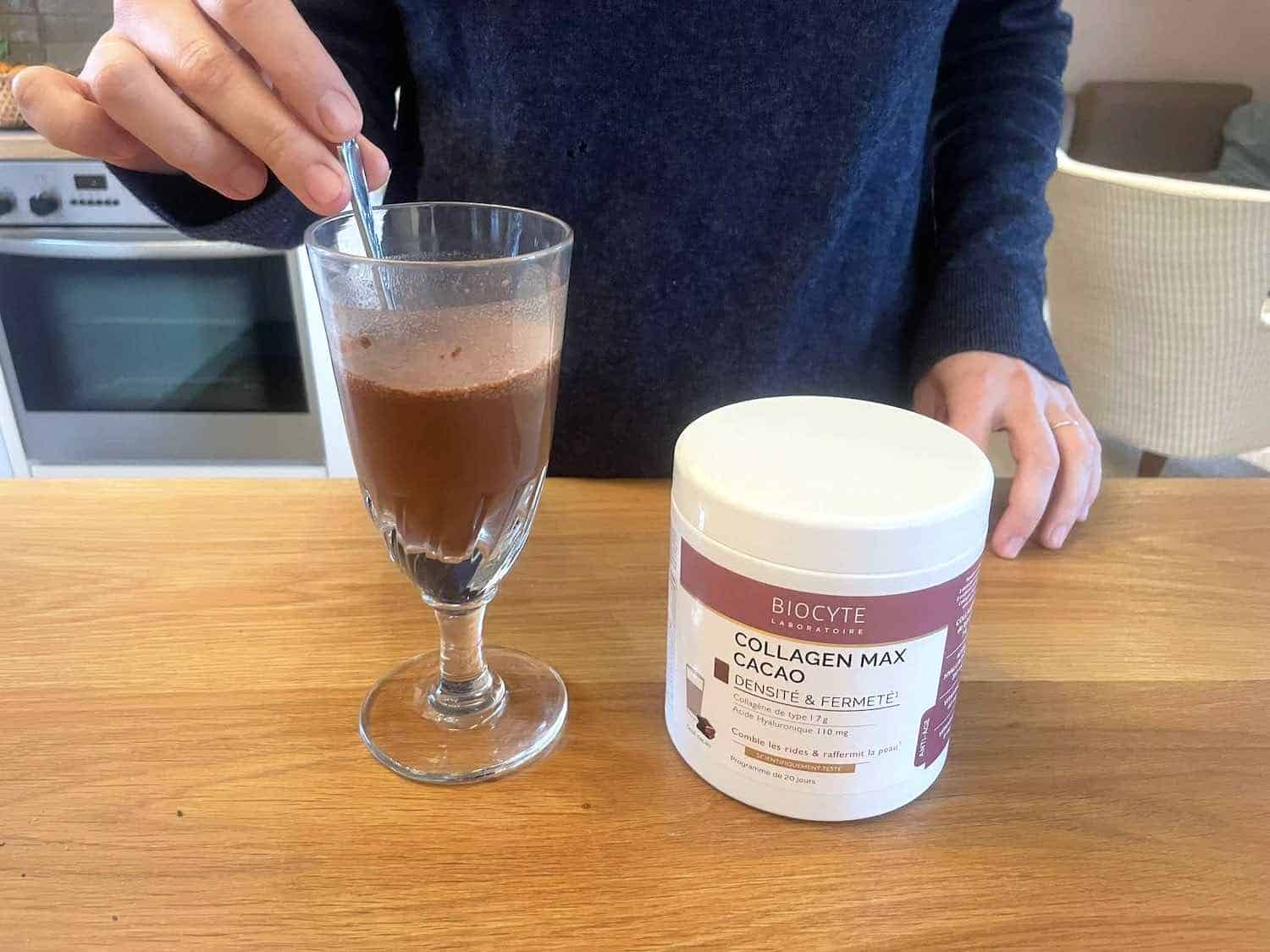
The chocolate flavor is pleasant, although I find the texture a bit grainy.
# BEST COLLAGEN IN CAPSULES
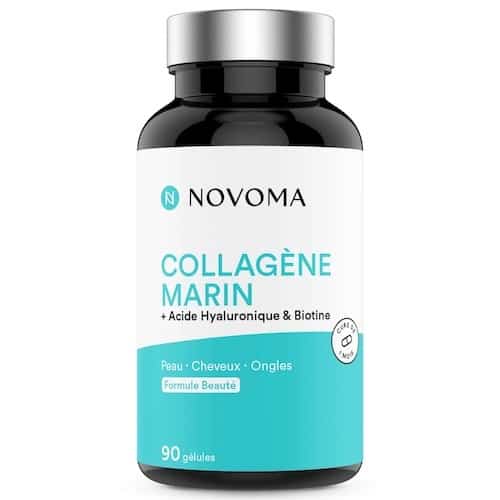
Novoma
Rating: 4.0/5
Nutrition: ★★★☆☆
Safety: ★★★★★
Enjoyment: N/A (capsules)
Brand: ★★★★☆
Packaging: ★★★★☆
Advantages
- Multiple vitamins included and hyaluronic acid
- Reasonable cost
- Recycled and recyclable bottle
Disadvantages
- Low collagen dosage (specific to the capsule version)
Novoma is a French brand founded in 2012. Formerly called Nutrivita, the company was created by two residents of Gers who were committed to offering high-quality dietary supplements.
Novoma’s marine collagen is composed of two types of low-molecular-weight collagen (I and III), patented as Naticol®. This ingredient is French; it is extracted from wild fish and carries a sustainable fishing label.
The formula is designed to promote the beauty of the skin, hair, and nails.
This is reflected in the capsules’ formulation by a broad array of vitamins (including Quali®-C vitamin C), as well as hyaluronic acid and zinc.
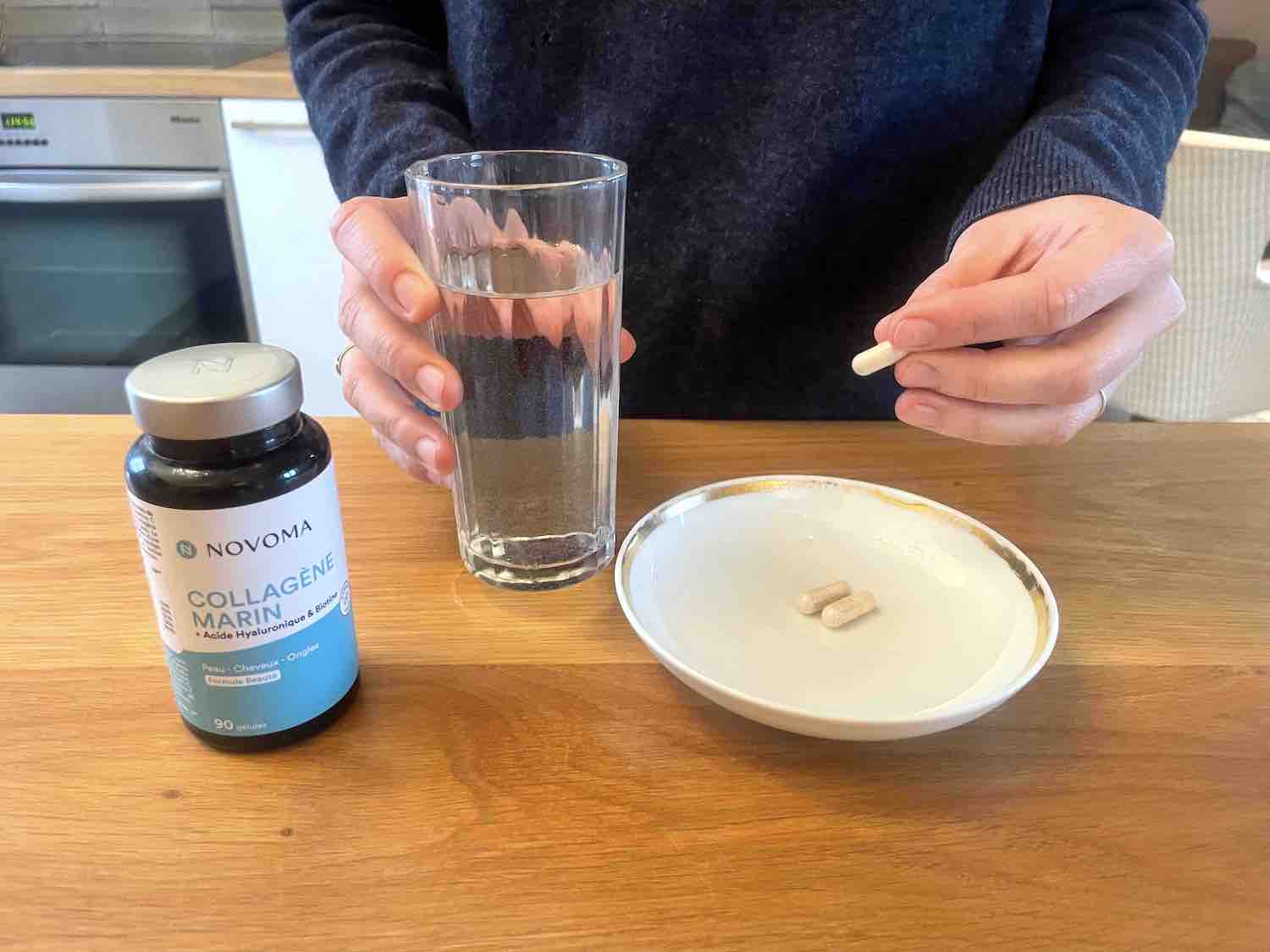
The recommended daily dose is 3 capsules for a total of 1 g of collagen and 100 mg of hyaluronic acid. This is a low collagen dosage. The brand also sells a more concentrated marine collagen powder.
The cost of the bottle for a one-month supply is very reasonable (€19.90). Note that the bottle is made from recycled material — an ecological plus.
# BEST VEGETARIAN COLLAGEN
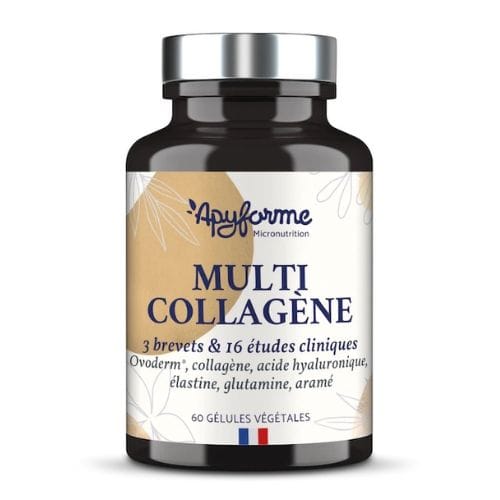
Apyforme
Rating: 4.0/5
Nutrition: ★★★★☆
Safety: ★★★★★
Pleasure: N/A (capsules)
Brand: ★★★☆☆
Pack: ★★★★☆
Advantages
- One of the few formulas strictly suitable for vegetarians
- Ethical and environmentally friendly laboratory
Disadvantages
- Low collagen content
- Little documentation on this type of collagen extracted from eggshell membrane
Apyforme is a French brand founded in 2007 and based in the Auvergne-Rhône-Alpes region.
The formulation contains a very small amount of collagen: only 0.9 g of Ovoderm® collagen, which is a type I collagen.
The active ingredients are extracted from eggshell membrane, without chemical solvents. Its composition naturally includes elastin, chondroitin, and hyaluronic acid. Of course, the capsules are guaranteed free of animal-derived ingredients.
The brand emphasizes that Ovoderm® collagen has been patented three times and that its effect has been validated 16 times by clinical studies, which appear to support a 300 mg per day intake. However, so-called vegetarian collagens are still underrepresented on the market and have received fewer scientific publications than animal-derived collagens.
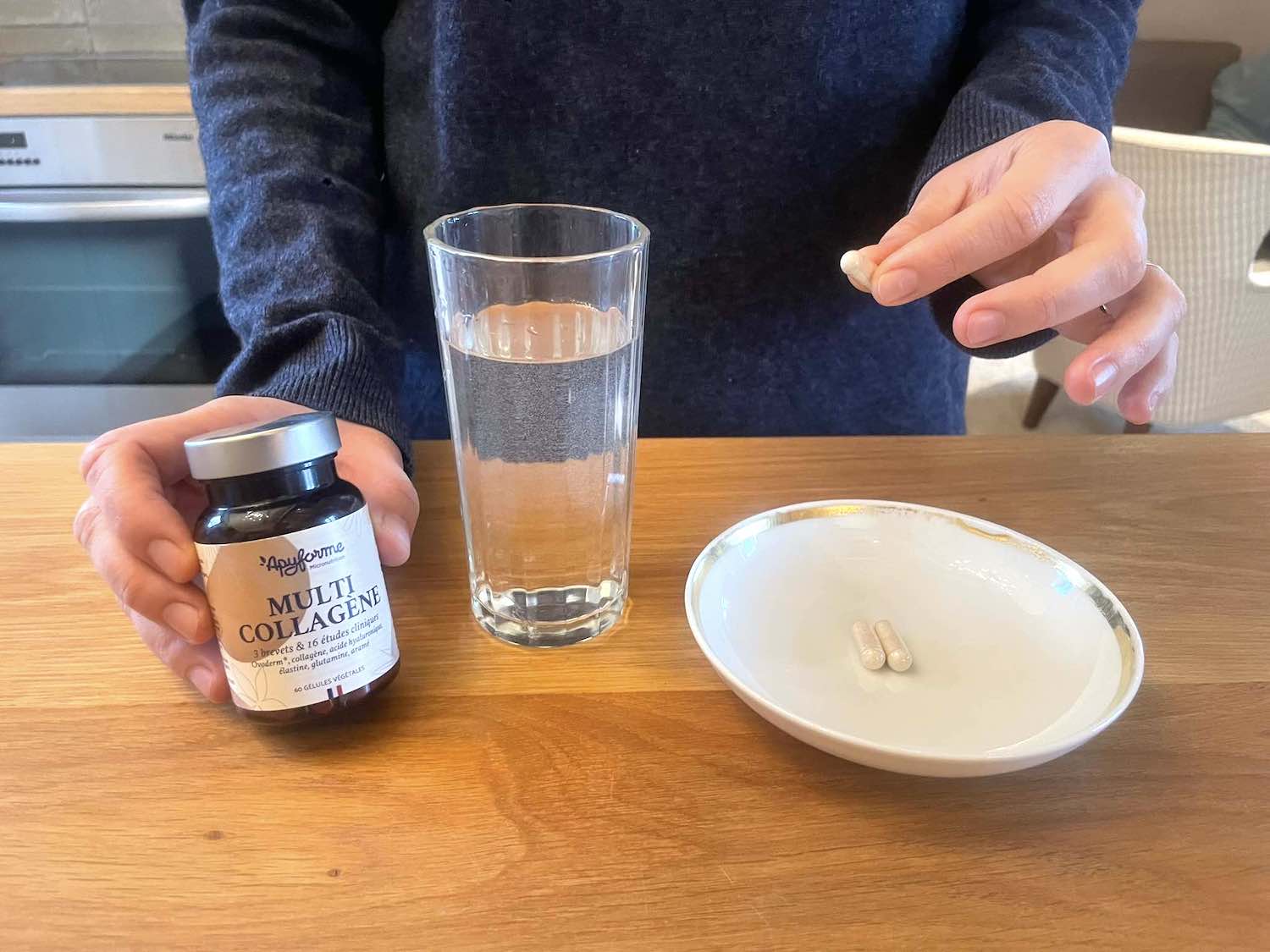
The regimen described as intensive by the brand consists of taking 3 capsules per day for 14 days, then 2 capsules per day for one month. The cost is in the lower range of the selection (€24.90).
This collagen is suitable for people following a strict vegetarian diet.
Complete comparison
| NOTE | Nutrition | Sécurité | Plaisir | Marque | Pack | |
|---|---|---|---|---|---|---|
| Nutri&co | 4.4 | 4 | 5 | 4 | 5 | 4 |
| Apyforme | 4.0 | 4 | 5 | x | 3 | 4 |
| Novoma | 4.0 | 3 | 5 | x | 4 | 4 |
| Valebio | 4.0 | 4 | 4 | 4 | 4 | 4 |
| Nutripure | 3.8 | 4 | 3 | 4 | 4 | 4 |
| Twenty DC | 3.8 | 4 | 4 | 4 | 3 | 4 |
| Biocyte | 3.6 | 3 | 3 | 4 | 4 | 4 |
| Dynveo | 3.5 | 3 | 4 | x | 3 | 4 |
| Nutrimea | 3.5 | 3 | 4 | x | 3 | 4 |
| Eafit | 3.4 | 4 | 2 | 3 | 4 | 4 |
| Terra Vita | 3.4 | 4 | 4 | 3 | 3 | 3 |
| Vital Proteins | 3.0 | 3 | 2 | 3 | 3 | 4 |
| Nutralie | 2.5 | 3 | 2 | x | 2 | 3 |
| Juvamine | 2.2 | 1 | 1 | 4 | 2 | 3 |
→ Access my full comparison table here (Google Sheet)
Frequently Asked Questions (FAQ)
Why take collagen?
Natural collagen production decreases with age. Scientific studies estimate that we lose 1% of collagen per year starting at age 40. By around age 80, overall body collagen production has decreased by about 75% compared with that of young adults. Supplementation is recommended to compensate for this loss.
Which collagen is best, marine or bovine?
Collagen peptides can be extracted from different sources, the most common being bovine and fish (known as marine collagen). Marine collagen appears to be better absorbed than bovine collagen. However, research teams do not always agree on this point. In addition, numerous factors can influence the quality of collagen absorption.
How long does a collagen course last?
Most of the tested brands typically recommend a one-month course, or sometimes slightly less (20 days). In scientific literature review articles, the average study duration for collagen supplementation generally ranges from 8 to 24 weeks depending on the indication. There are no clear, official recommendations. Nevertheless, it seems sensible to undertake regular courses starting at age 25 given the changes in collagen production with age. For the same reasons, the frequency of courses should increase over the years. Individual factors must be taken into account because needs depend on a person’s constitution and medical history and should be determined on a case-by-case basis.
Where can you find collagen in your diet?
Raw collagen is found in animal-derived products. Bone marrow, for example, is rich in it and can be consumed as a broth to promote its extraction. It is a good source of type I collagen. Chicken skin and sardines are also interesting sources of collagen. In fish, it is mainly found in the skin, bones, and scales.
How much collagen should you take per day?
Dosing recommendations are difficult to specify. There are large variations in studies regarding the dose and duration of collagen administration. Thus, for the skin, some studies tend to show that a dose of 2.5 g/day is sufficient to obtain benefits. For joint benefits, a daily intake of 5 g of collagen over 12 months appears to be beneficial for bone mineral density and certain bone markers in a group of postmenopausal women. Nevertheless, 10 g per day remains the most commonly reported daily dose in studies, especially for joint effects (pain related to osteoarthritis or in cases of osteoporosis).
What is the best brand of collagen?
Brands that market collagen most often rely on certified manufacturers who extract and hydrolyze the collagen to make it easily absorbable. The best ones are those that offer the greatest transparency about the origin of the raw material and the methods used to extract and hydrolyze the collagen. The main patented manufacturers are Peptan®, Naticol®, Verisol®, and Cartidyss®. Transparency and the quality of studies conducted on the products are a guarantee of quality. According to our comparison, the best collagen brands are Nutri&Co, Nutripure, Valebio, Apyforme, Twenty DC, Biocyte, and Novoma.
Should you take type 1 or type 2 collagen?
There are 28 types of collagen identified, present in very different proportions in the tissues of the human body. More than 90% of collagen is type I. It is mainly located in the skin (in the dermis) but is also found in most tissues. Therefore, for an overall effect, it is best to prioritize this type of collagen. Type II collagen is more specific to cartilage and is the one to favor for joint health. Type III is present in the walls of blood vessels and muscles but is also found in the skin in smaller proportions.
Should you take collagen or hyaluronic acid?
Collagen and hyaluronic acid are both present within the skin’s extracellular matrix. Their effects are complementary. Collagen fibers form a strong mesh that provides support and strength to the skin. Hyaluronic acid is a key molecule for maintaining skin hydration because it can hold 1,000 times its weight in water. These two substances therefore form a winning duo to ensure the appearance and texture of the skin.
Bibliography
1. Choi FD, Sung CT, Juhasz MLW, Mesinkovsk NA. Oral Collagen Supplementation: A Systematic Review of Dermatological Applications. J Drugs Dermatol JDD. 2019;18(1):9-16.
2. Bolke L, Schlippe G, Gerß J, Voss W. A Collagen Supplement Improves Skin Hydration, Elasticity, Roughness, and Density: Results of a Randomized, Placebo-Controlled, Blind Study. Nutrients. 2019;11(10):2494. doi:10.3390/nu11102494
3. Khatri M, Naughton RJ, Clifford T, Harper LD, Corr L. The effects of collagen peptide supplementation on body composition, collagen synthesis, and recovery from joint injury and exercise: a systematic review. Amino Acids. 2021;53(10):1493-1506. doi:10.1007/s00726-021-03072-x
4. Varani J, Dame MK, Rittie L, et al. Decreased Collagen Production in Chronologically Aged Skin. Am J Pathol. 2006;168(6):1861-1868. doi:10.2353/ajpath.2006.051302
5. Baumann L. Skin ageing and its treatment. J Pathol. 2007;211(2):241-251. doi:10.1002/path.2098
6. Davison-Kotler E, Marshall WS, García-Gareta E. Sources of Collagen for Biomaterials in Skin Wound Healing. Bioengineering. 2019;6(3):56. doi:10.3390/bioengineering6030056
7. Proksch E, Schunck M, Zague V, Segger D, Degwert J, Oesser S. Oral Intake of Specific Bioactive Collagen Peptides Reduces Skin Wrinkles and Increases Dermal Matrix Synthesis. Skin Pharmacol Physiol. 2013;27(3):113-119. doi:10.1159/000355523
8. König D, Oesser S, Scharla S, Zdzieblik D, Gollhofer A. Specific Collagen Peptides Improve Bone Mineral Density and Bone Markers in Postmenopausal Women-A Randomized Controlled Study. Nutrients. 2018;10(1):97. doi:10.3390/nu10010097
9. Moskowitz RW. Role of collagen hydrolysate in bone and joint disease. Semin Arthritis Rheum. 2000;30(2):87-99. doi:10.1053/sarh.2000.9622
10. León-López A, Morales-Peñaloza A, Martínez-Juárez VM, Vargas-Torres A, Zeugolis DI, Aguirre-Álvarez G. Hydrolyzed Collagen—Sources and Applications. Molecules. 2019;24(22):4031. doi:10.3390/molecules24224031
