

Doctors and dietitians recommend low-residue diets for certain medical conditions. The goal is to reduce the amount and frequency of stools to relieve the intestine.
A low-residue diet does indeed reduce the elements that are not well digested by the small intestine. Among these are mainly fiber but also certain fats, celluloses or proteins, as can be seen in this study.
This diet reduces the workload of the intestine and thus the abdominal pain, cramps and diarrhea that some people may experience.
Foods to avoid are therefore raw fruits and vegetables, whole grains, nuts, seeds and legumes. Conversely, the low-residue diet favors certain types of foods.
1. Meats and proteins
Among the well-tolerated proteins in the context of a low-residue diet, I recommend favoring chicken, turkey, skinless cooked fish and eggs, depending on your tolerance.
2. Carbohydrates
People following a low-residue diet find that carbohydrates often make up the largest part of their plate.
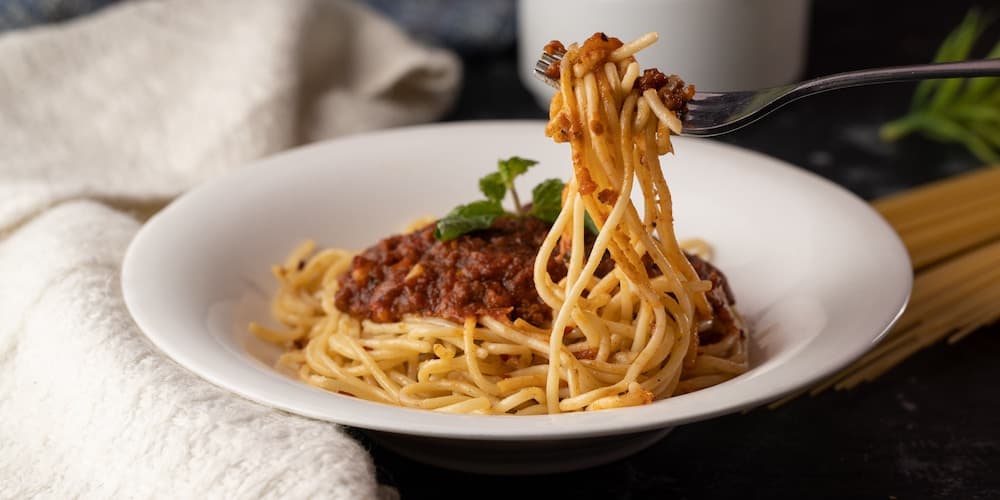
Warning, it’s about (contrary to usual recommendations) choosing refined carbohydrates to limit fiber. Prefer refined (white) pasta, white rice, or white bread.
3. Fruits and vegetables
Fruits and vegetables are among the foods to set aside during a low-residue diet.
However, you can try pulp-free fruit juices, fruit purees without skins or seeds, and cooked, peeled vegetables. Most of the fiber is removed before ingestion.
4. Dairy products
For dairy products, I recommend consuming only those that offer low fat content: skim milk, low-fat yogurts…
In any case, this food group should be limited to ensure good tolerance.
5. Hydration
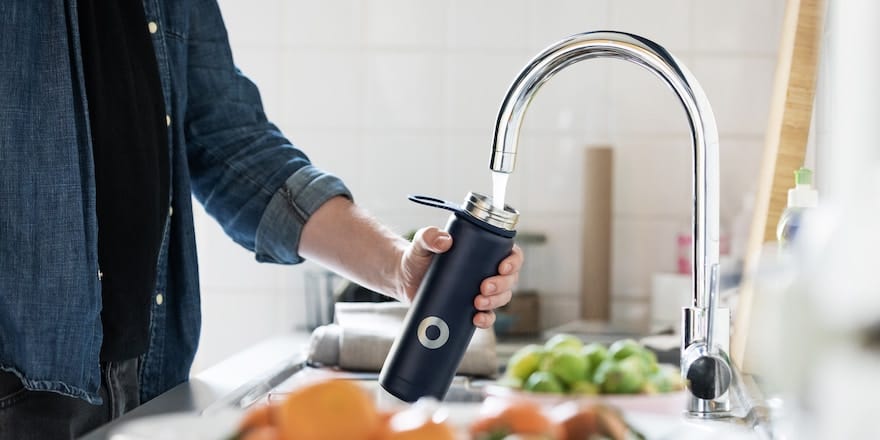
This is not a food but you need to pay special attention to this point! It is crucial to stay well hydrated, because the low-residue diet can lead to dehydration.
Indeed, a major drawback of this diet is the low fiber content, which can lead to constipation and other nutritional imbalances. I therefore advise you to stay well hydrated throughout the day.
📚 Read also | The best natural remedies for constipation
6. Probiotics
Although they are not foods, I add probiotics because they can have a beneficial effect on your microbiota during a low-residue diet.
Indeed, if you have undergone surgery or if you suffer from IBD your intestines and your microbiota are put under strain.
Supporting your low-residue diet with probiotics may help restore your gut flora in the long term, as you can read in this study.
📚 Read also | A pharmacist has selected the best probiotics on the market
Why are low-residue diets prescribed?
For a colonoscopy
Several reasons lead to recommending a low-residue diet to a patient. It may be for preparing for a medical examination, before a procedure such as a colonoscopy as shown by this study.
The low-residue diet thus helps to empty the colon of residue and make exploration easier.
For IBD and digestive surgery
For patients with IBD (Inflammatory Bowel Disease), I regularly suggest trying the low-residue diet. Indeed, this exclusion diet (that is, one that excludes certain foods) has proven effective, as can be seen in this study.
Moreover, after digestive surgery, low-residue diets are sometimes recommended to allow gentle healing and to put less strain on the intestine. People who have a chronic intestinal disease follow this diet during flare-ups (acute pain) and then gradually return to a balanced diet.
Always under medical supervision
A low-residue diet should not exceed 7 days. Indeed, it can lead in the long term to deficiencies in iron, vitamins and constipation. I advise you to use it judiciously and under medical supervision to avoid nutritional imbalances.
Sources and scientific studies
Douglas L Nguyen, M Mazen Jamal, Emily T Nguyen, Srinivas R Puli, Matthew L Bechtold, 2016. Low-residue versus clear liquid diet before colonoscopy: a meta-analysis of randomized, controlled trials.
Ashley Charlebois, Greg Rosenfeld, Brian Bressler, 2016. The Impact of Dietary Interventions on the Symptoms of Inflammatory Bowel Disease: A Systematic Review.
Aqsa Z. Sorathia, Sufian J. Sorathia, 2023. Low Residue Diet.
Seon-Kyun Kim, Robin B Guevarra, You-Tae Kim, Joongi Kwon, Hyeri Kim, Jae Hyoung Cho, Hyeun Bum Kim, Ju-Hoon Lee, 2019. Role of Probiotics in Human Gut Microbiome-Associated Diseases.
